10 Botanical and Highland Experiences in Bali
Written 26 October 2026 · BaliTop10
Bali’s highlands offer a change of scale and climate from the southern coast: cultivated slopes, lake basins, forest margins and a major botanical garden. This list combines botanical visits with highland experiences; it does not suggest that Bali has ten comparable large public botanical gardens. Pick a regional base and make time to understand plants and landscapes, whether through a garden collection, a farm-oriented walk or geological interpretation. Mist and rain can be part of the day, so a clear panorama should be a bonus rather than the entire purpose. Cooler air also does not mean every route is level, dry or easy.
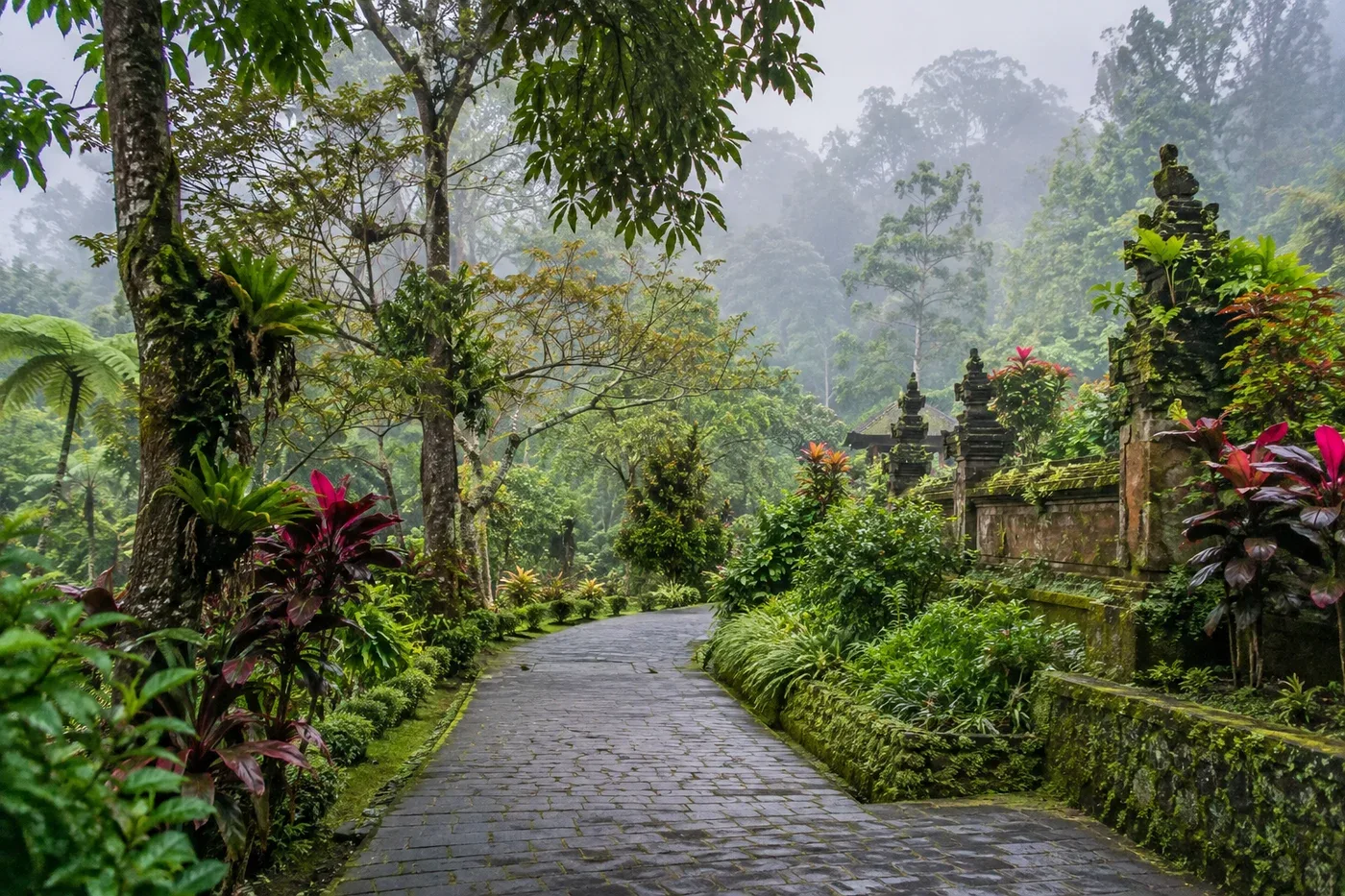
1. Bali Botanical Garden
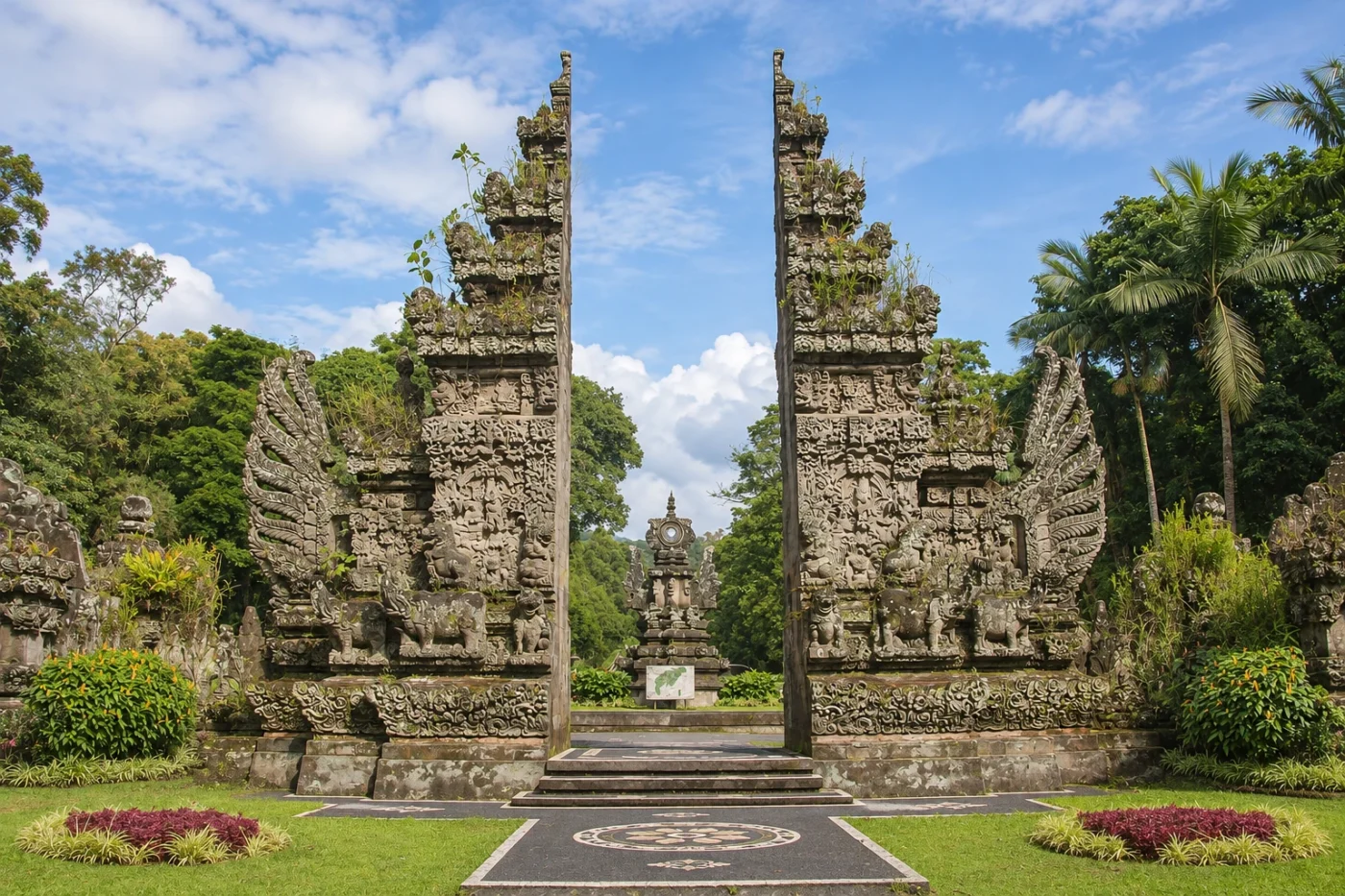
Bali Botanical Garden near Bedugul provides a highland setting of trees, planted collections, lawns and roads through a substantial site. Decide which sections you want to reach rather than assuming the whole garden is a short level walk. The operator’s current visitor information explains access and transport options, which can change by day and programme. Ask specifically about gradients, surfaces and accessible facilities if needed. Bring a layer for cooler weather and allow time for a quiet stop away from the entrance.
2. Munduk plantation landscape walk
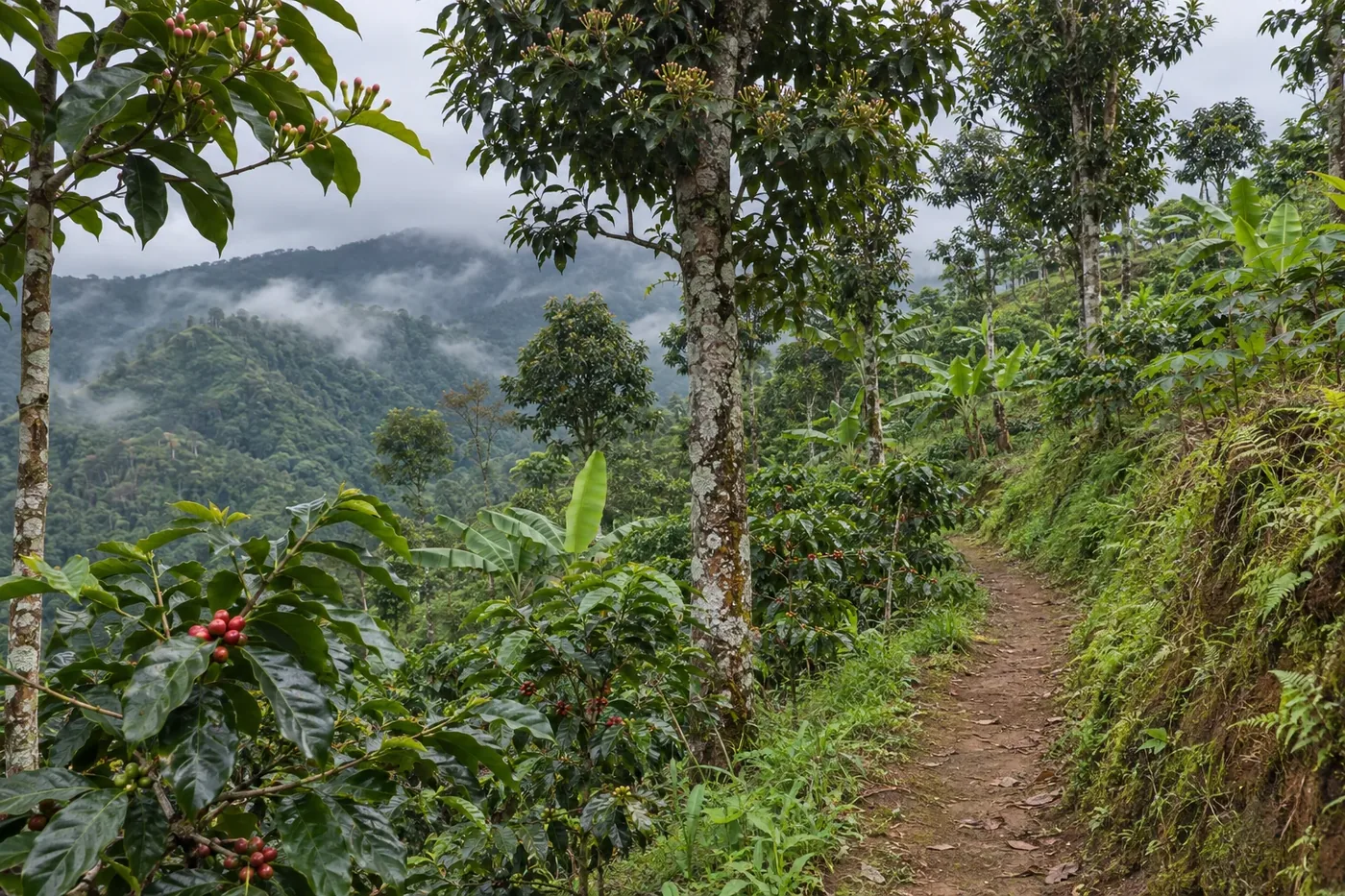
A locally guided plantation walk around Munduk connects coffee, cloves and other crops with the cooler highland environment. Arrange a welcomed route through working land rather than following a map into private plots. A botanical or farming focus is useful even when wildlife sightings are limited. Ask about gradients, mud and the finish before booking. The guide’s explanation of cultivation adds more value than an unverified tasting stop, and a village meal makes a coherent half-day. Ask which crops are being worked during your visit.
3. Munduk village and a selected waterfall path
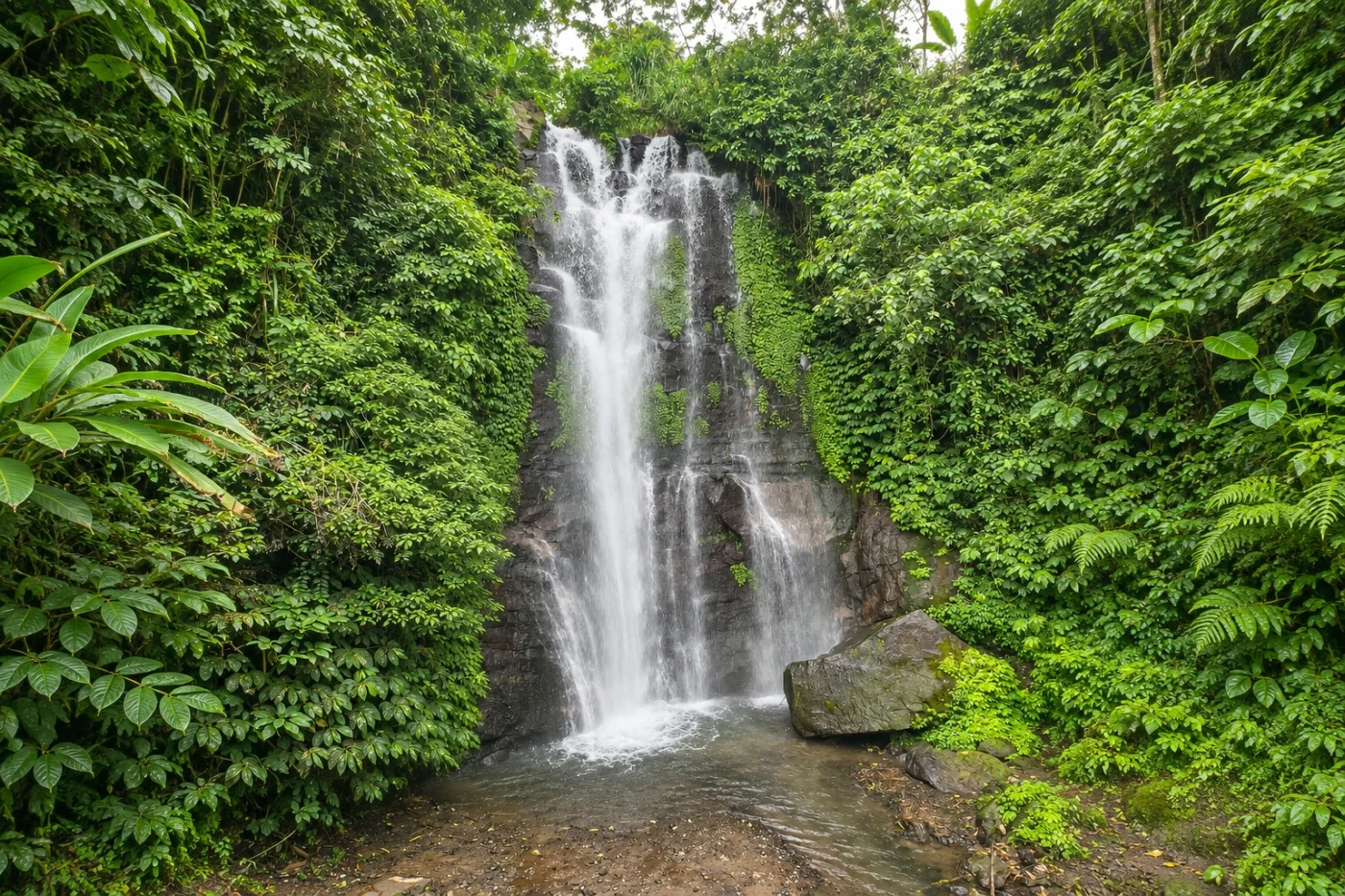
Munduk’s cooler hills combine village roads, plantations and paths leading towards waterfalls. Pick one maintained route suited to the group rather than linking every waterfall into a long unplanned circuit. The approach often involves steep or slippery steps, and the return climb takes effort. Local guidance can help connect the landscape with crops and everyday work instead of reducing the visit to a swimming photograph. Keep transport arranged for the finish and do not rely on finding a taxi beside a remote trail.
4. Lake Buyan roadside viewpoints
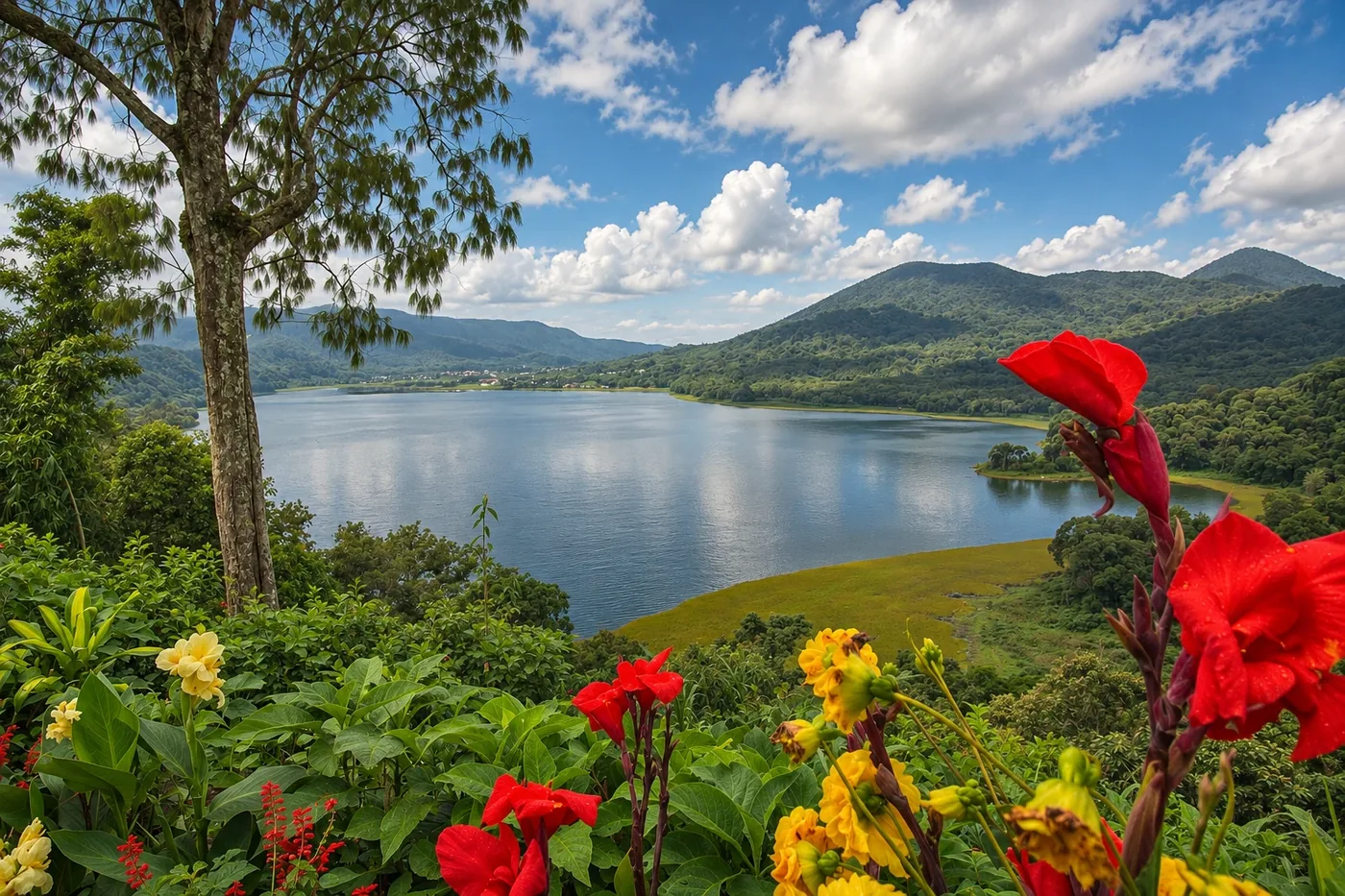
Lake Buyan can be appreciated from selected roadside viewpoints in Bali’s central highlands, where the scale of the caldera landscape becomes clearer. Stop only where parking is permitted and people can stand away from traffic. A viewpoint photograph does not require entering private land or crossing a barrier. Mist can arrive quickly, so a longer highland visit provides more flexibility than a fixed five-minute photo stop. Pair the lake with Bedugul or Munduk rather than a far southern beach. A nearby cultural stop can add depth beyond the panorama.
5. Lake Tamblingan guided shoreline outing
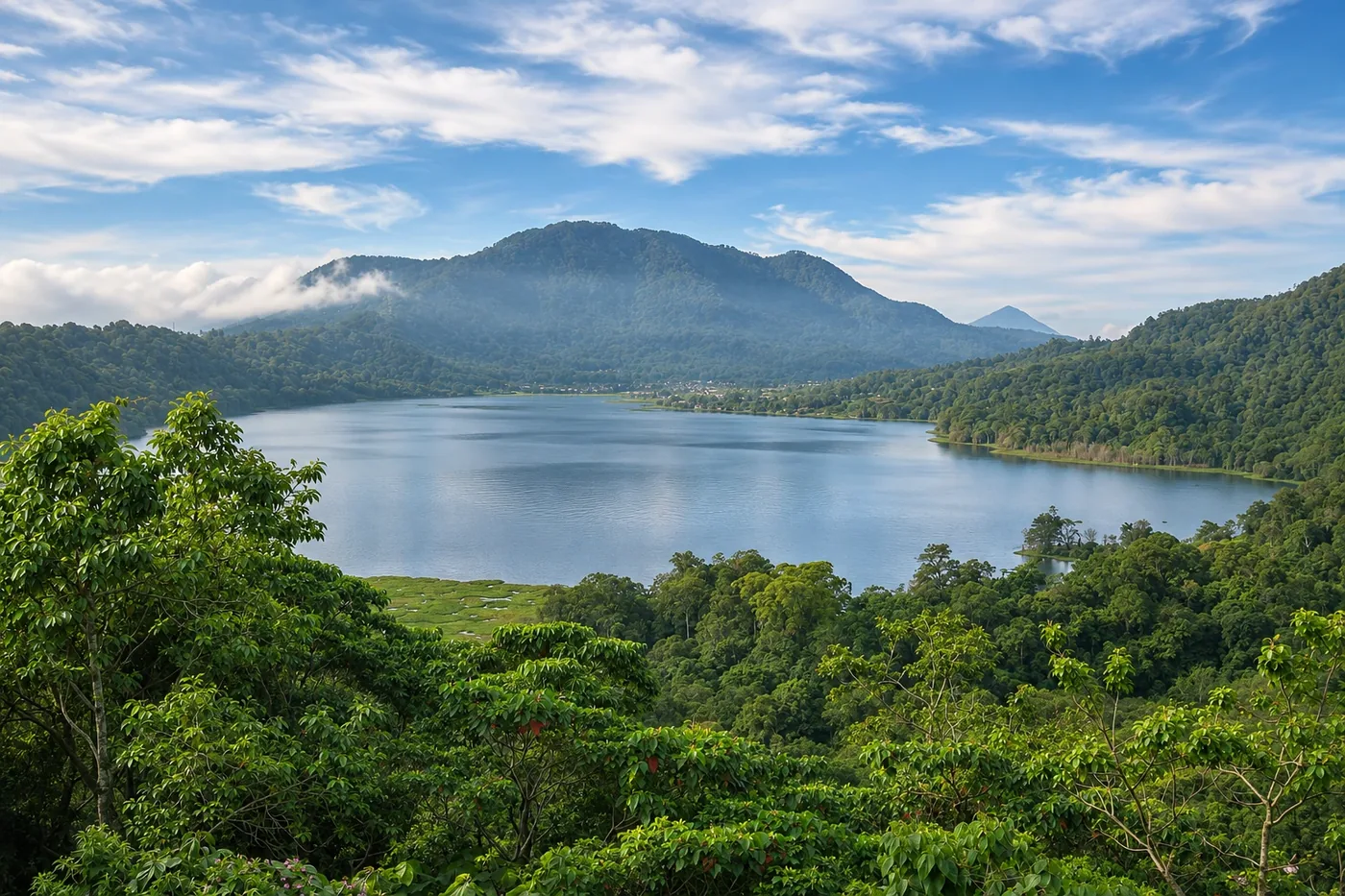
Tamblingan offers a quieter lake-and-forest setting in the central highlands, with sacred sites and locally managed access around its shores. Arrange a walk or traditional-canoe outing through an appropriate local provider rather than treating the entire shoreline as unrestricted public terrain. Routes can involve mud, steps and uneven ground. Ask which parts are open and how the outing respects temples and ceremonies. Cloud, rain and cool air are part of this landscape, not reasons to improvise a different unmarked forest route.
6. Ulun Danu Beratan lakeside visitor area
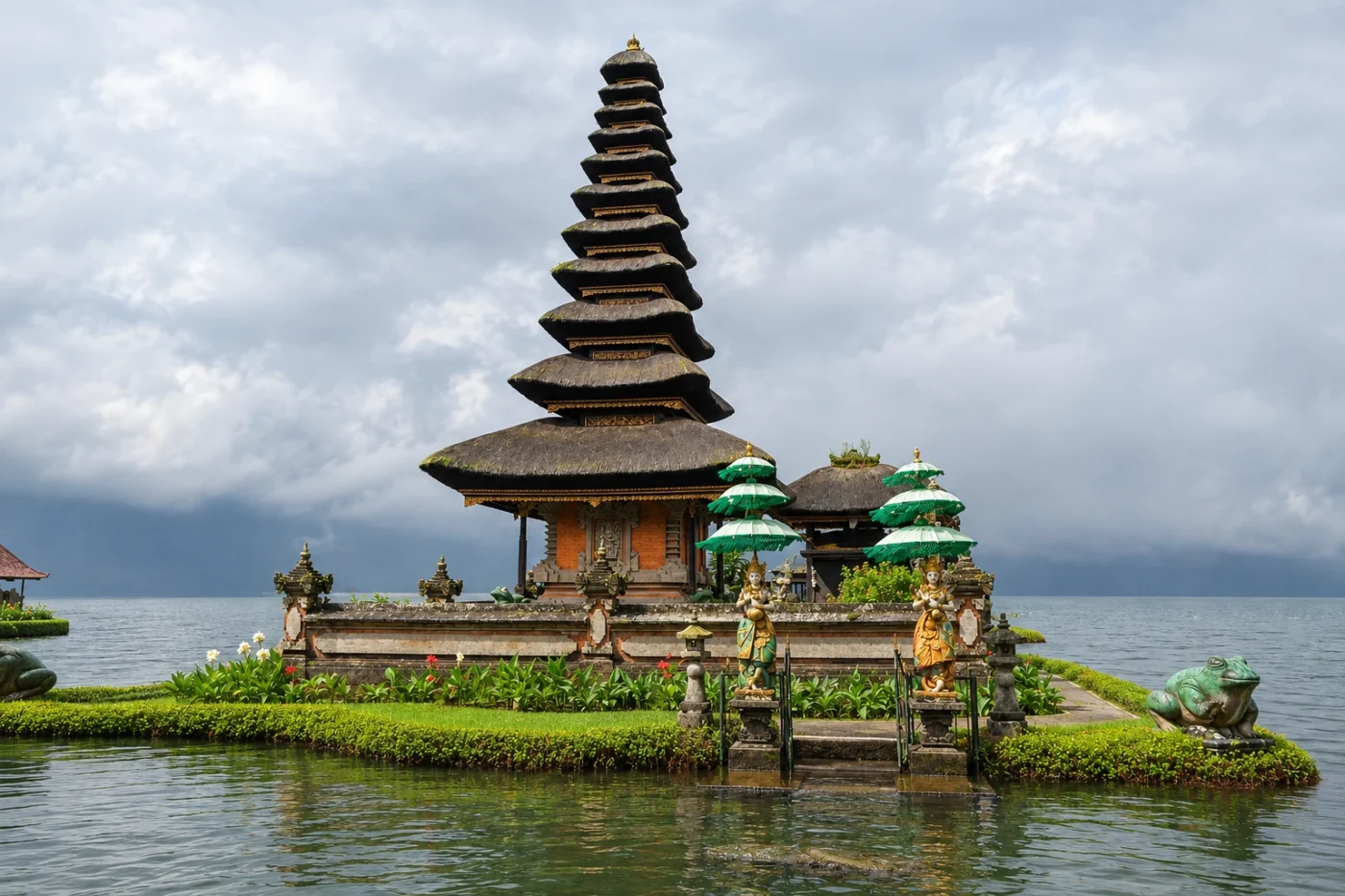
The temple-and-garden visitor area beside Lake Beratan is one of Bali’s recognised highland settings. Water level, cloud and the point from which you look change the familiar scene considerably. Remain in areas open to visitors and distinguish the temple visit from boat rides or other separately sold activities. Highland showers can make paths wet and visibility poor. A garden, market or warm meal nearby gives the day useful flexibility without forcing a long detour if the lake disappears into mist.
7. Jatiluwih rice-terrace paths
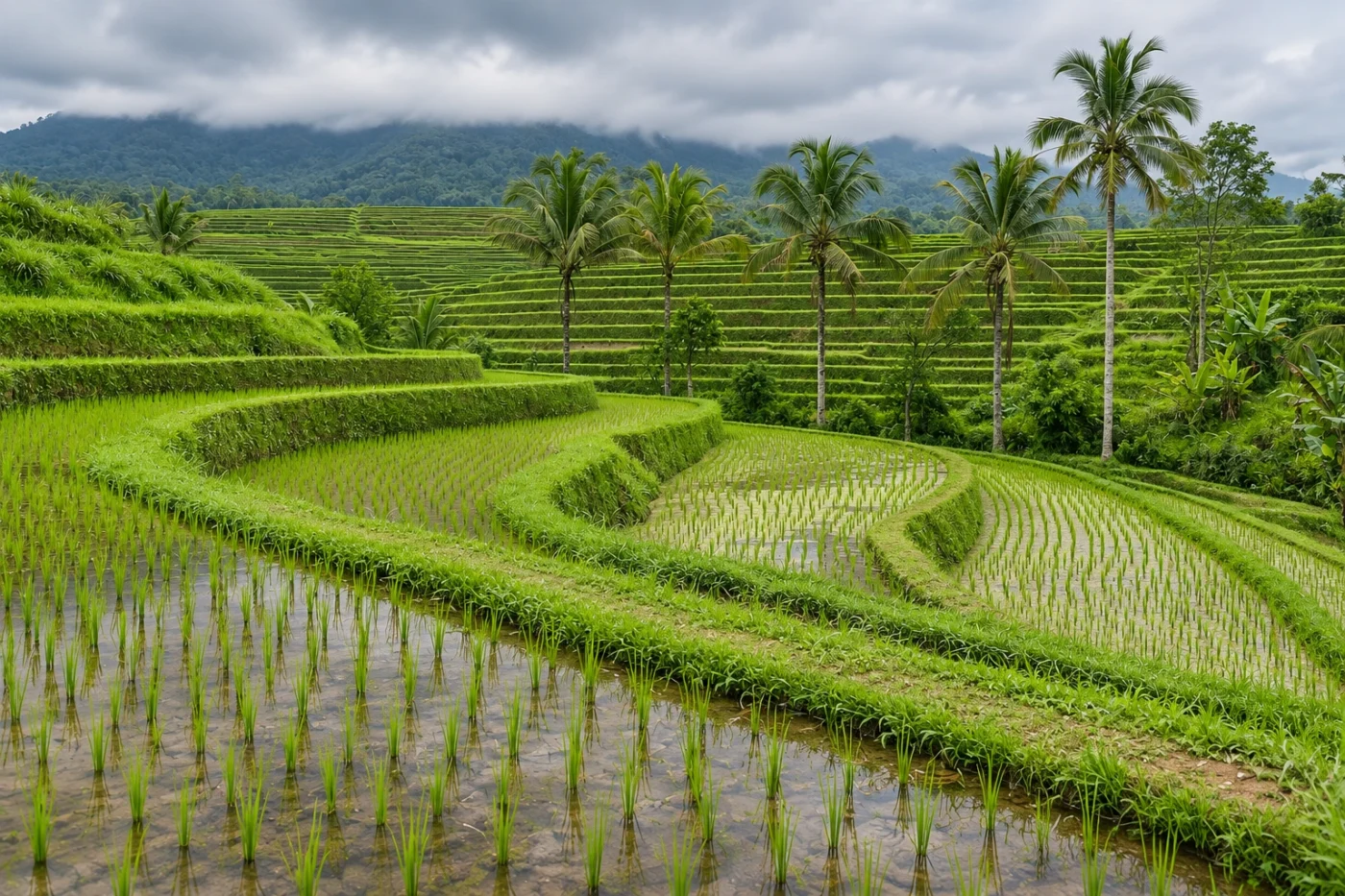
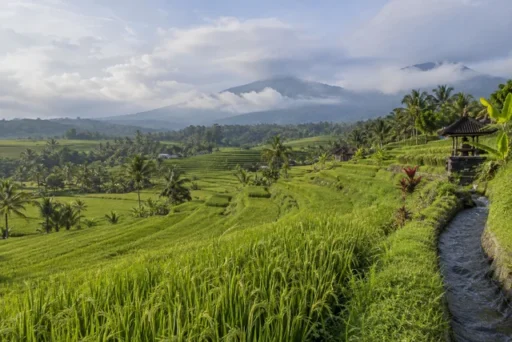
Jatiluwih offers a broad cultivated landscape where walking routes reveal terraces, water channels and the agricultural setting associated with Bali’s subak heritage. Choose a marked circuit according to the available time and conditions rather than assuming every path has the same distance or surface. Rice colour changes with the planting cycle, so photographs of bright green fields do not promise the same view. Ask local staff which sections are suitable that day, and give farmers and their equipment priority. A guide can explain irrigation beyond the visible terrace pattern.
8. Penelokan caldera viewpoint
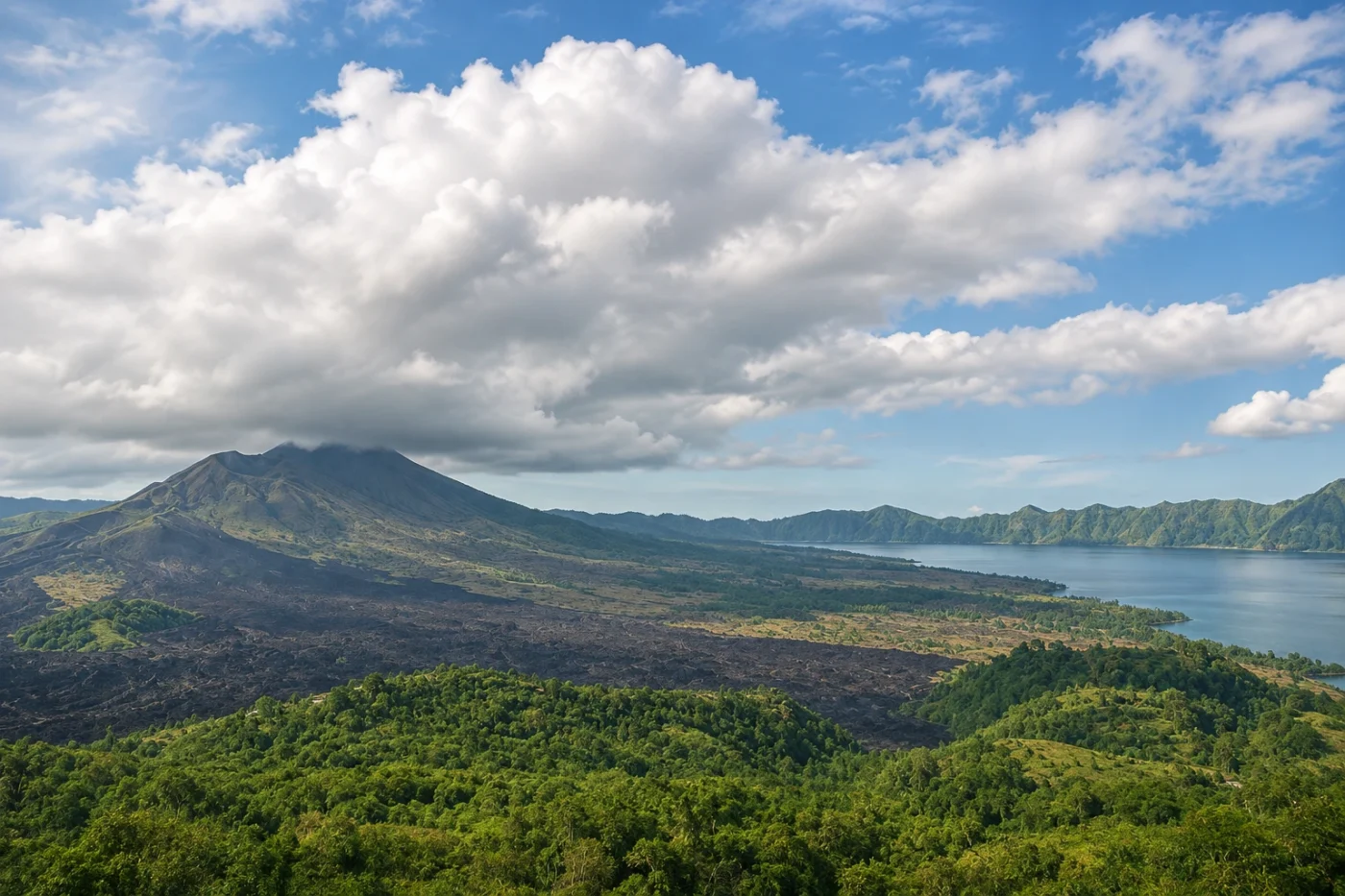
Penelokan overlooks the Batur caldera landscape, offering a ground-level alternative to an early mountain ascent. Choose a managed viewpoint or café with a suitable outlook and legal parking rather than stopping on a busy road. Visibility depends on cloud and haze, and a roadside visit does not grant permission to enter trails or lava terrain. The view works well with a museum or lakeside stop in the same area. Leave time for highland weather and a warm layer. A warm drink can complement patient watching when clouds shift.
9. Batur Geopark Museum
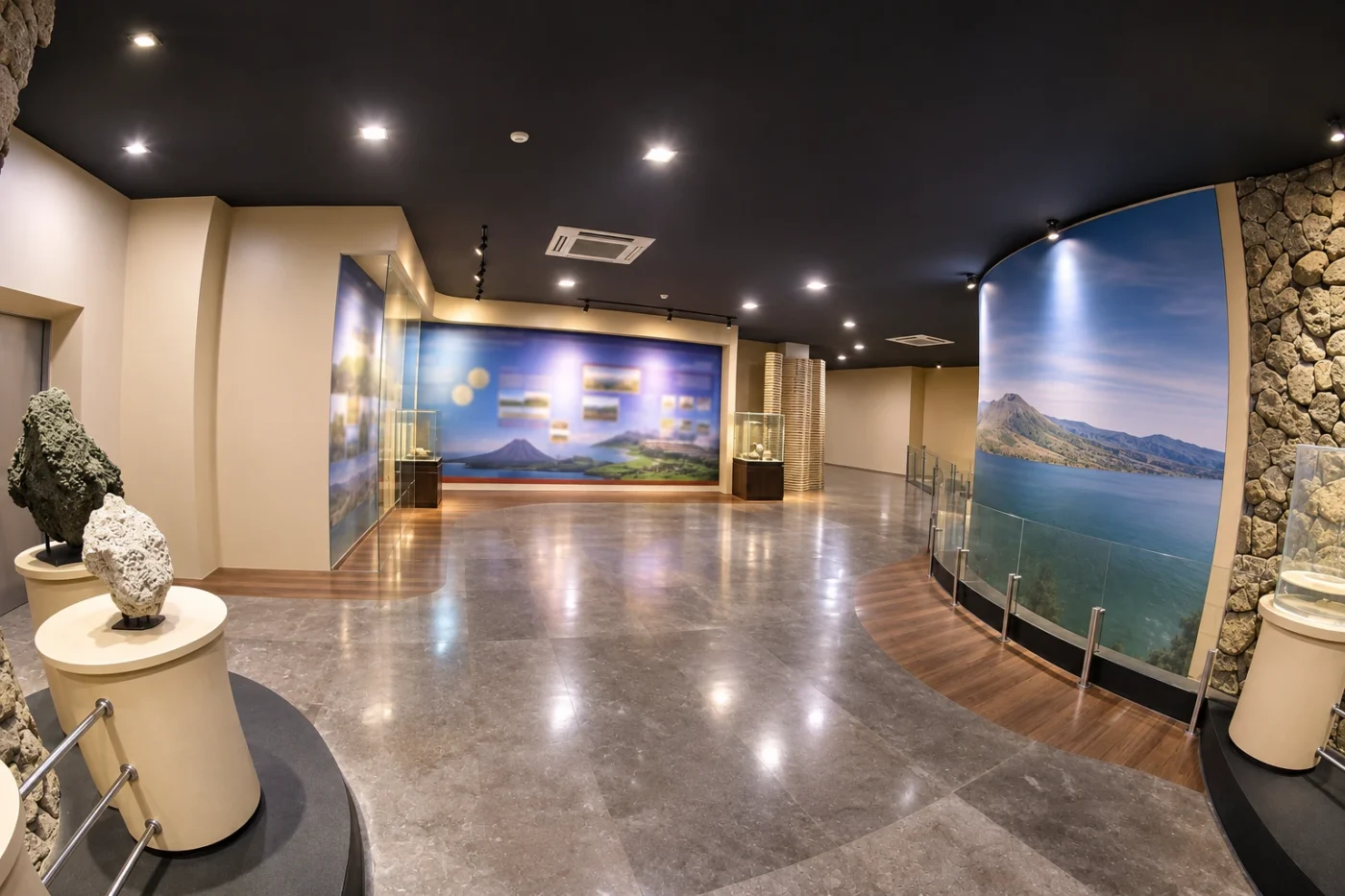
The Batur Geopark Museum introduces the geology and volcanic landscape of the Kintamani area. It is a useful first stop for understanding what the caldera, lake and surrounding slopes represent before viewing them from the road. Check the current opening arrangement rather than assuming an outdoor destination means its museum is always accessible. A museum visit provides an alternative when cloud hides the panorama. It also helps distinguish interpreting a volcano from participating in a trek that requires separate access checks.
10. Kedisan and the Lake Batur shore
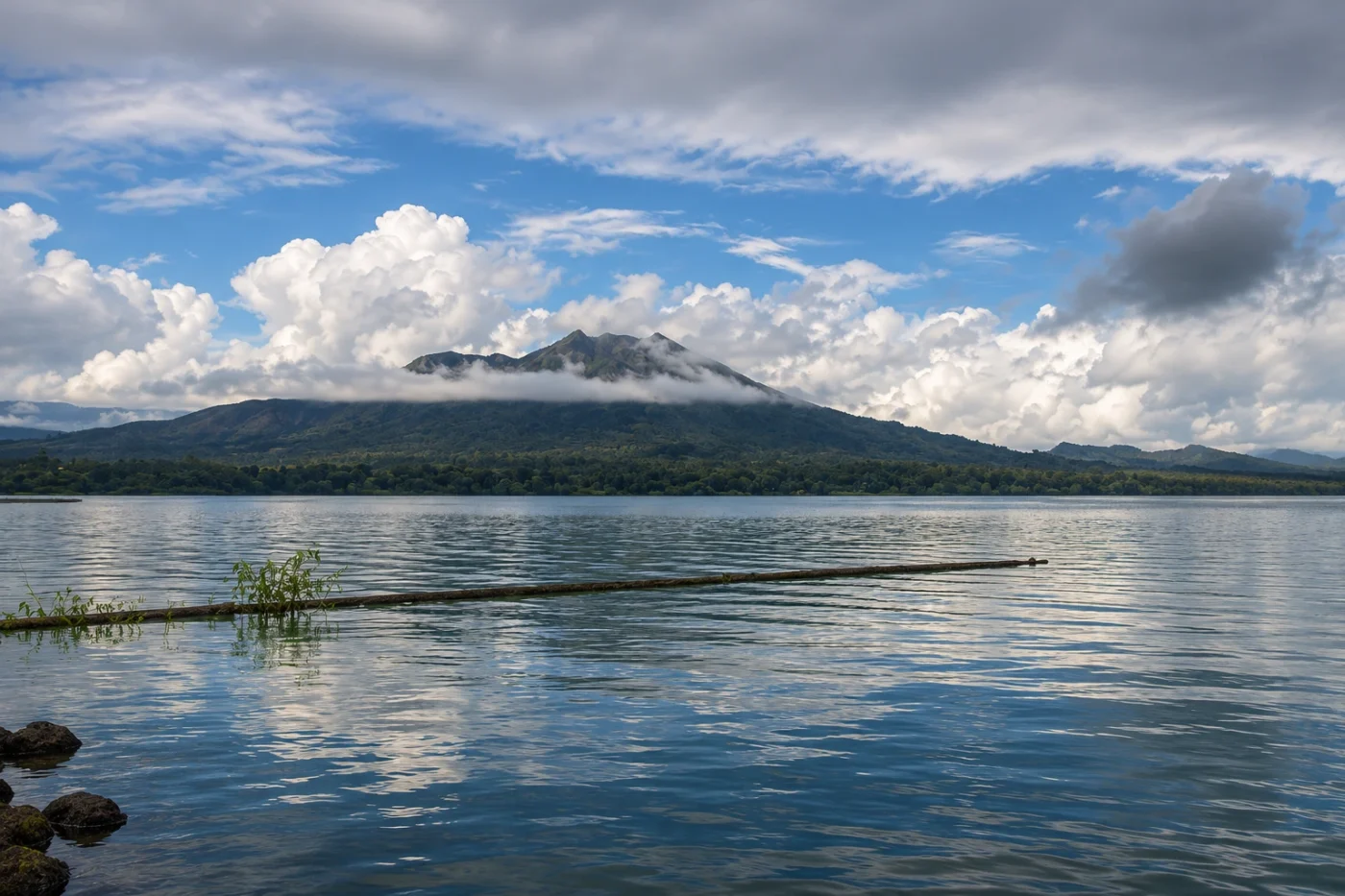
Kedisan provides a lakeside perspective on the Batur caldera that contrasts with the higher Penelokan outlook. Choose an established shore access, café or managed visitor area, and ask before entering working agricultural or fishing spaces. The lake is not an invitation to swim without local assessment. Combine a short shore visit with a museum or temple rather than making the day depend on an unverified boat departure. The road down and back up should be included in the schedule. Local interpretation can add context to the working lakeshore.
Season and planning
Bali’s weather varies by region, elevation and the day’s conditions. Wetter periods can affect roads, paths and the sea, while a nominal dry-season date does not guarantee clear skies or a calm crossing. Check the destination’s current access and the weather close to departure. Highland stops can be cooler and mistier than southern beaches, so carry an appropriate layer and avoid building the whole visit around one photograph.
Choose Bedugul and Munduk or Kintamani as the main region rather than crossing repeatedly between them. Ask about paths, shuttle arrangements where offered and current visitor facilities. A hosted plantation walk requires permission and is different from entering fields independently. Carry an appropriate layer and choose a shorter sheltered programme if mountain weather makes a long walk unsuitable.
Related Bali guides
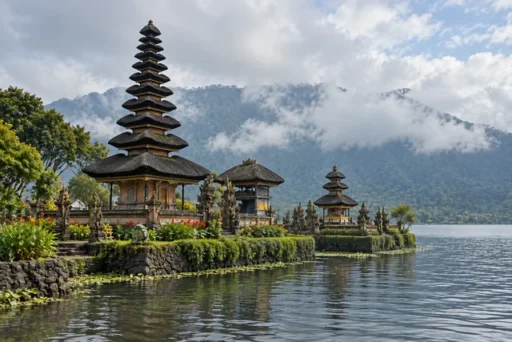
Bedugul
Explore Bedugul with ten practical choices, regional excursions, seasonal advice, transport notes and realistic one-to-three-day planning.
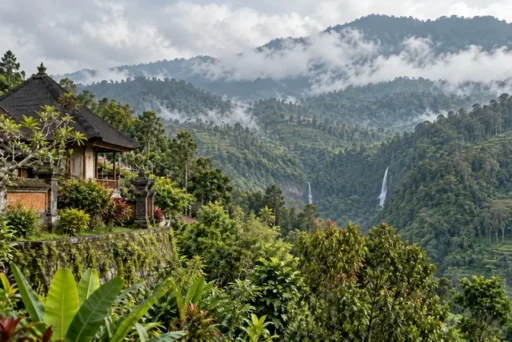
Munduk
Explore Munduk with ten practical choices, regional excursions, seasonal advice, transport notes and realistic one-to-three-day planning.
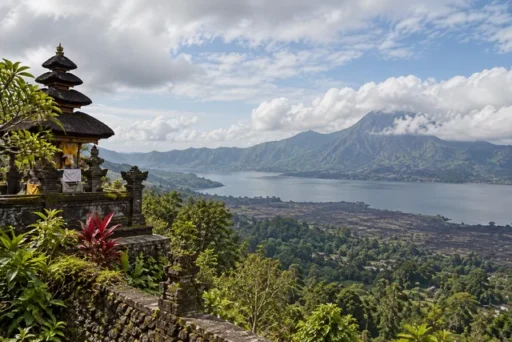
Kintamani
Explore Kintamani with ten practical choices, regional excursions, seasonal advice, transport notes and realistic one-to-three-day planning.
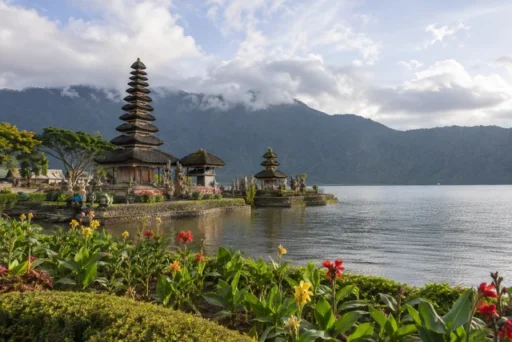
Lakes and Mountain Landscapes
Explore lakes and mountain landscapes in Bali: ten editorial choices with practical planning, regional context and official sources.
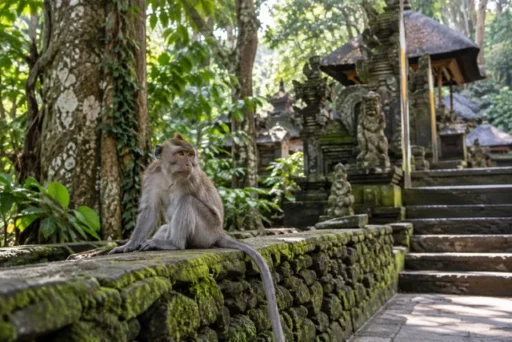
Wildlife and Nature Experiences
Bali’s nature is more varied than a close-up animal photograph suggests.
Rice Terraces
Rice fields in Bali are productive landscapes, shaped by farming, water management and community life.
Questions and answers
Are these ten choices meant for one day?
No. The list compares options. Choose a small number in a coherent area and leave time to experience them properly.
Are opening hours and prices guaranteed?
No. Use the linked official or provider information to check current access, bookings and charges for your travel dates.
Do I need to ride a scooter?
No. Many visitors use arranged drivers, transfers and short local walks. The practical option depends on the specific route and accommodation.
Does this list contain ten botanical gardens?
No. It combines Bali Botanical Garden with other botanical and highland experiences, including agricultural walks, lakeside settings and geological interpretation. Select a region rather than expecting ten equivalent public gardens.
Sources and further reading
Use the responsible authority or provider for current access, availability and booking details.