10 Best Things to Do in Kuta: A Practical Bali Guide
Written 26 October 2026 · BaliTop10
Kuta is one of Bali’s most established visitor districts, combining a long west-facing beach with shopping, food and family-oriented venues. Its convenience comes with crowds and traffic, so a successful short stay is often local rather than a series of cross-island day trips. The northern beach, central lanes and southern Kartika Plaza–Tuban area have different rhythms and accommodation choices. Decide which setting suits you before booking. These ten experiences offer a practical introduction to the area, with surf instruction separated from casual swimming and contemporary attractions clearly distinguished from cultural sites. Leave time for ordinary beach enjoyment instead of treating every hour as another ticketed activity.

Kuta: quick answers
- Overview
- Kuta is one of Bali’s most established visitor districts, combining a long west-facing beach with shopping, food and family-oriented venues.
- Season
- Kuta’s west-facing beach changes with swell, tide and seasonal weather.
- Getting around
- Choose accommodation around the beach section and venues you actually want to use.
1. Kuta Beach during cooler hours
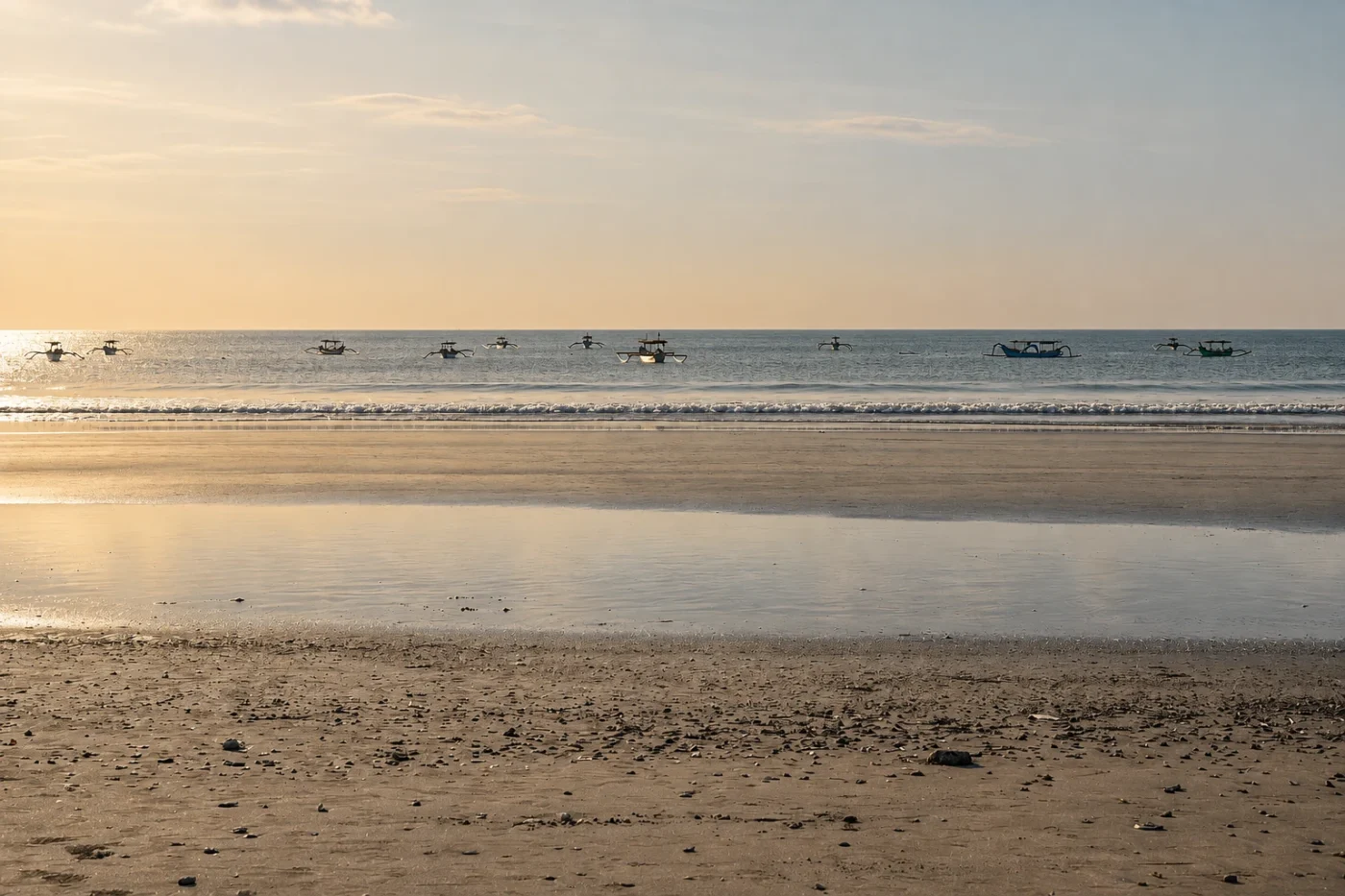
The broad beach is Kuta’s main open-air setting and is worth experiencing before the heat and busiest part of the day. Choose an established access and a walking section that fits the tide and your energy. Watch the surf and follow flags and current local advice; a sandy beach is not automatically a safe place to swim. Keep belongings secure and give working surf schools and other beach users room. A simple walk followed by breakfast can be more rewarding than arriving only for a crowded sunset photograph. Plan a comfortable return rather than assuming the entire shoreline is a short loop.
2. An introductory surf lesson with a qualified school

Kuta’s sandy coast is associated with beginner surf lessons, but the instructor must still assess the day’s conditions and your ability. Tell the school about swimming confidence and previous experience, then confirm group size, supervision and equipment. Ask where the session will take place and what happens if the sea becomes unsuitable. A lesson is not equivalent to renting a board and entering an unfamiliar break alone. Allow time for briefing, changing and recovery afterwards. The goal is a manageable introduction to technique and water awareness, not standing up for a photograph at the expense of judgement.
3. Waterbom Bali
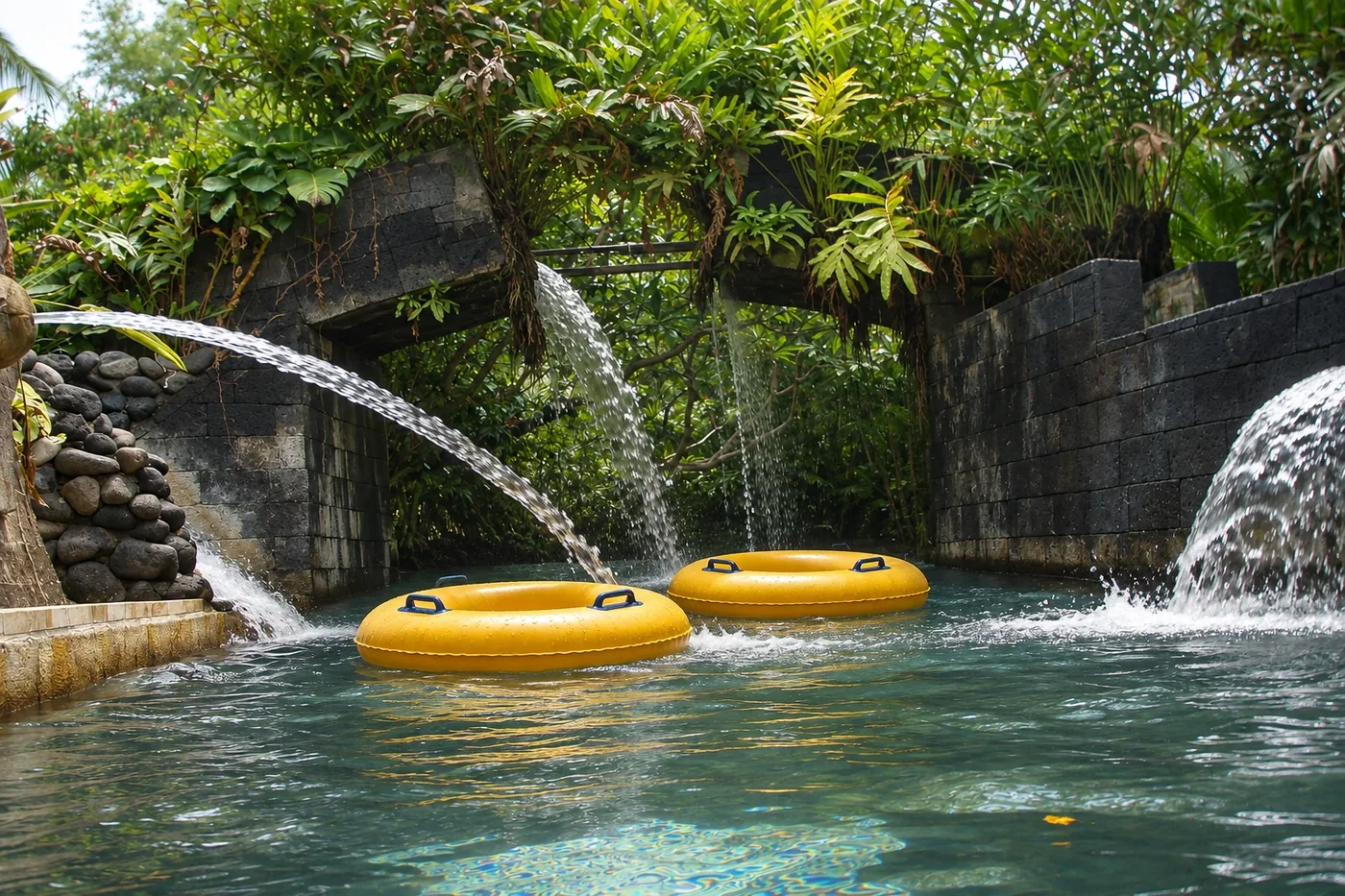
Waterbom is a substantial water-park outing rather than a brief stop between beach photographs. Read the current ride restrictions, park rules and ticket inclusions before booking, especially for children, non-swimmers or participants with health considerations. Decide how the group will meet up and store belongings, and leave time for food, rest and quieter areas instead of trying every slide continuously. Shade and weather still matter in an outdoor park. A visit works best when it has its own main block of the day. Avoid scheduling it immediately before a tight airport connection or a long cross-island transfer.
4. Beachwalk Shopping Center

Beachwalk offers a contemporary shopping and dining setting beside Kuta’s coastal district. Its open design makes it different from a wholly enclosed mall, so rain and heat still affect parts of the visit. Check the current directory and event programme if a particular shop, performance or family activity is important. It can be a useful pause during the hotter hours rather than the sole reason to visit Kuta. Compare food options and dietary needs before choosing a meal. Pair the stop with a nearby beach walk, keeping your route simple instead of making several separate vehicle journeys through the same busy streets.
5. Poppies Lane and the central backstreets
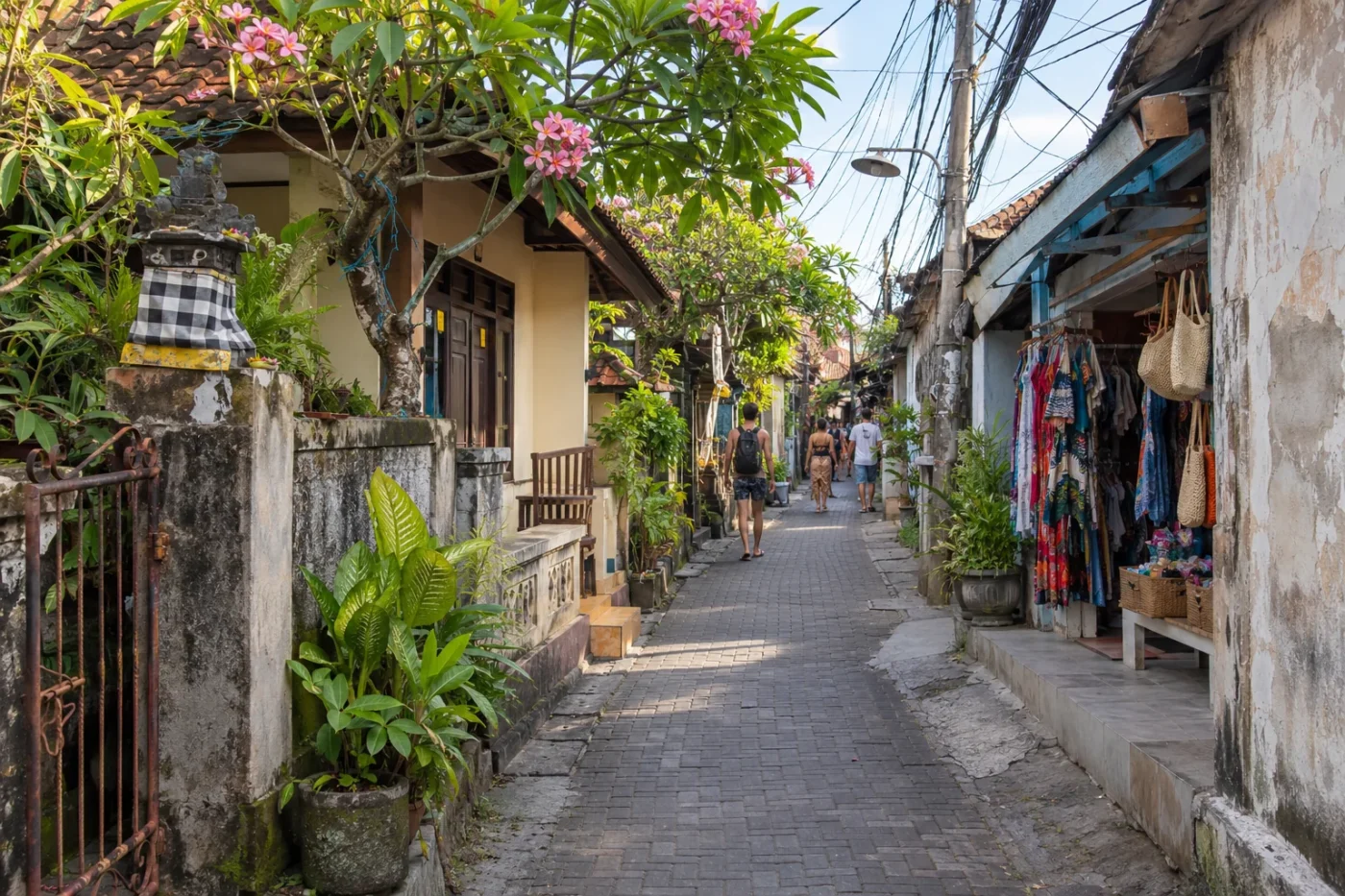
The Poppies lanes and neighbouring central streets give a view of Kuta’s compact visitor district beyond the main beach road. Walk attentively: lanes can be narrow, uneven and shared with vehicles rather than comfortable pedestrian-only alleys. Browse shops and look for a meal that suits your budget and preferences, without assuming every bargain is good quality or every product is locally made. Keep valuables secure in busy sections and avoid stopping in the way of residents or traffic. A selective route is more pleasant than wandering without a return plan in the hottest part of the day.
6. The Kuta Art Market area

The market area offers a chance to compare souvenirs, clothing and craft-style items within Kuta’s wider shopping scene. Ask about materials and production rather than treating the “art market” name as proof that every object was handmade in Bali. Look at several stalls, agree a clear price and bargain politely where that is expected. Keep the visit manageable if carrying bags or travelling with children. A morning or late-afternoon shopping block can fit around the beach, with a meal nearby. Do not feel obliged to buy quickly because a seller presents a price as available only at that moment.
7. Discovery’s beachfront shopping setting
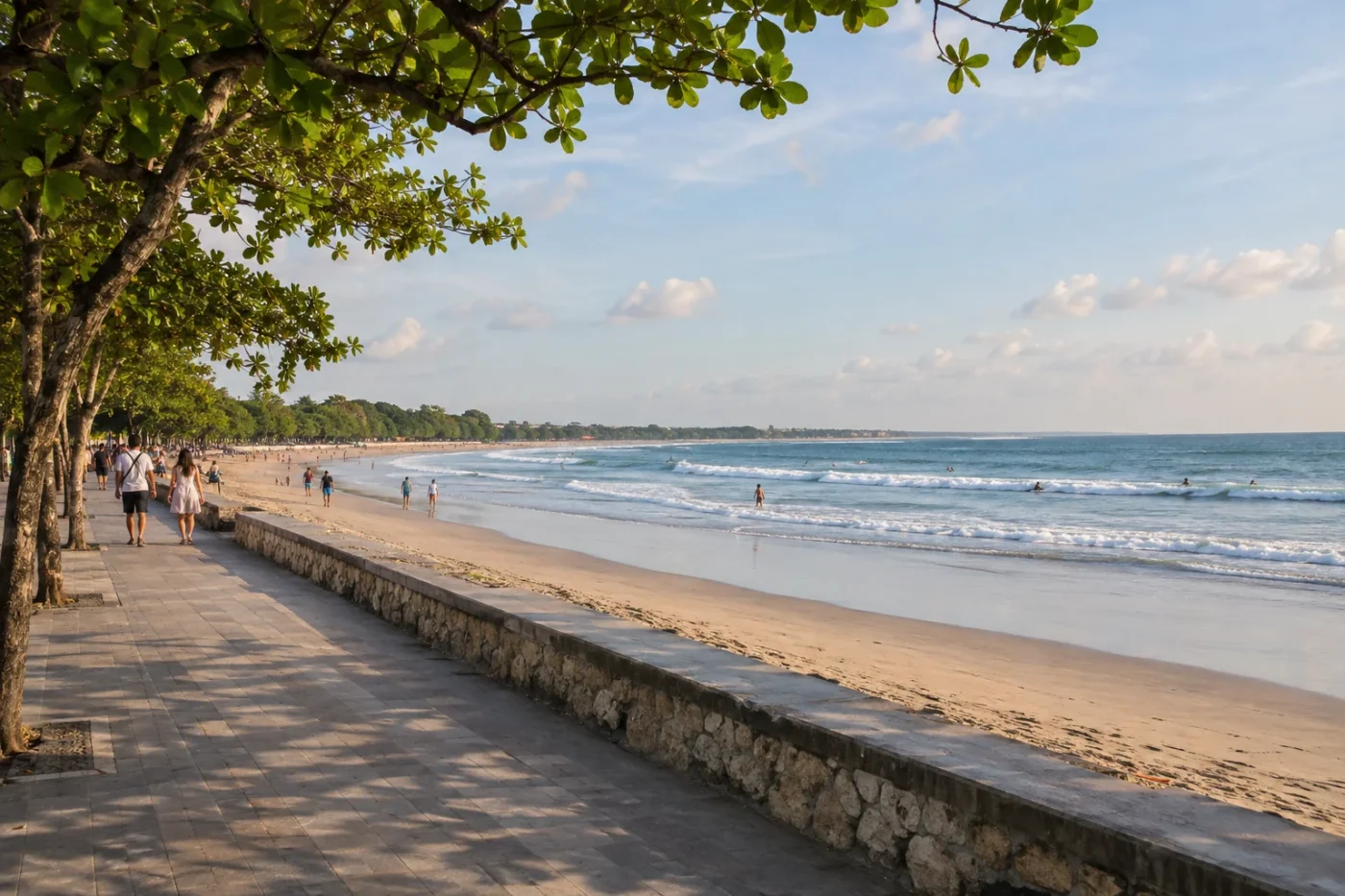
The Discovery Mall area at Kartika Plaza provides another organised option for shopping and food in southern Kuta. Check its current tenant directory and public access arrangements rather than assuming an older restaurant recommendation is still valid. The beachfront setting can make a useful contrast with the crowded central lanes, but commercial seating and facilities may require a purchase or booking. Give the outing a clear purpose, such as a meal, practical shopping or a short break during a shower. It combines naturally with nearby accommodation or Waterbom rather than requiring another journey from the far northern beach.
8. Segara and the Tuban-side coast
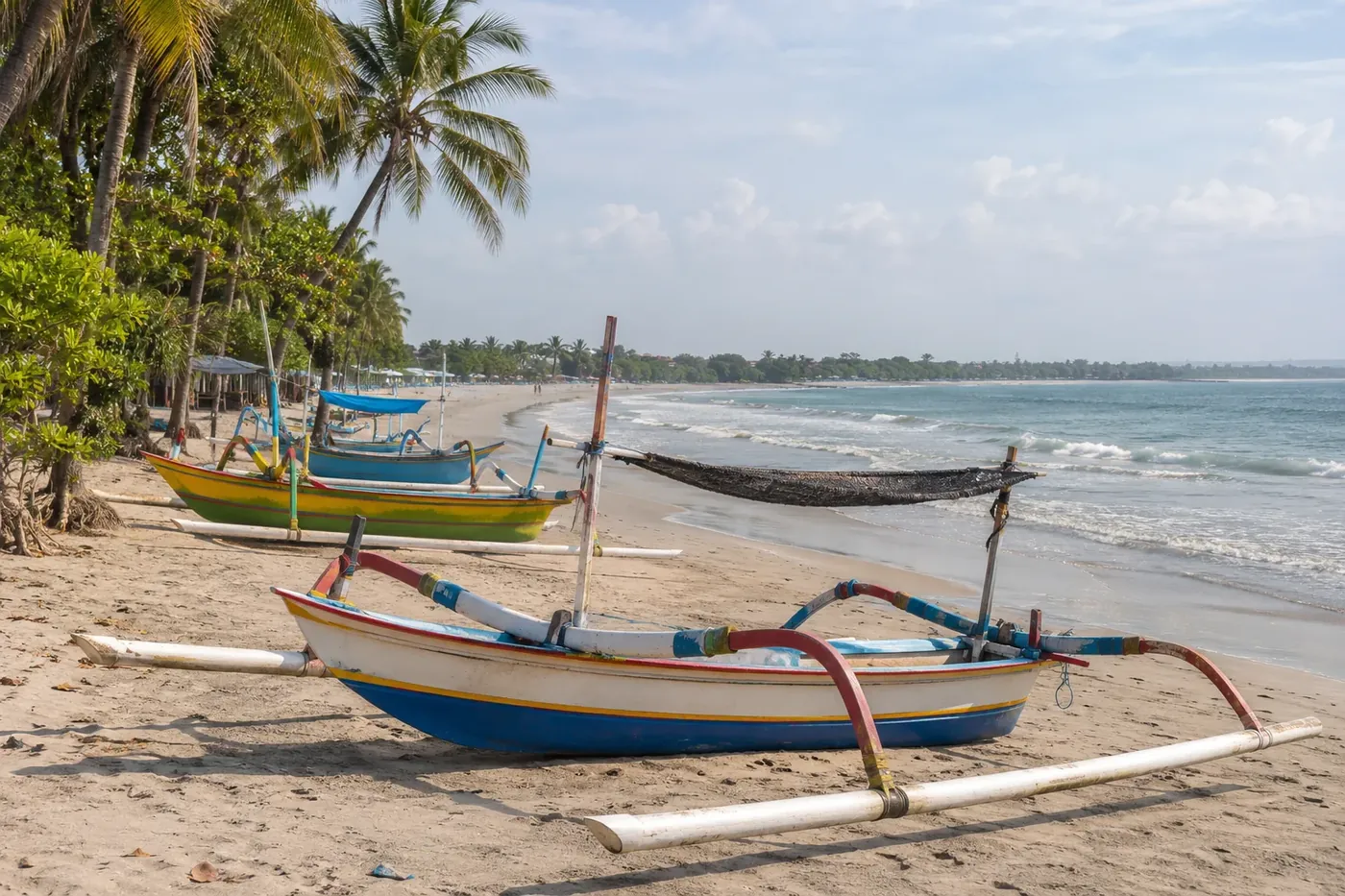
The coast towards Segara and Tuban offers a different setting from Kuta’s busiest central beach section. Choose an established public access, keep away from working boat areas and follow local advice about walking and water conditions. The presence of the airport in the wider area does not turn every coastal edge into a visitor viewpoint or unrestricted route. A short shoreline look and a nearby meal can be enough. If you are staying farther north, compare the actual transfer with the value of adding another beach stop. Local variety is useful, but not every stretch needs to become a separate expedition.
9. A Balinese or Indonesian food-focused meal
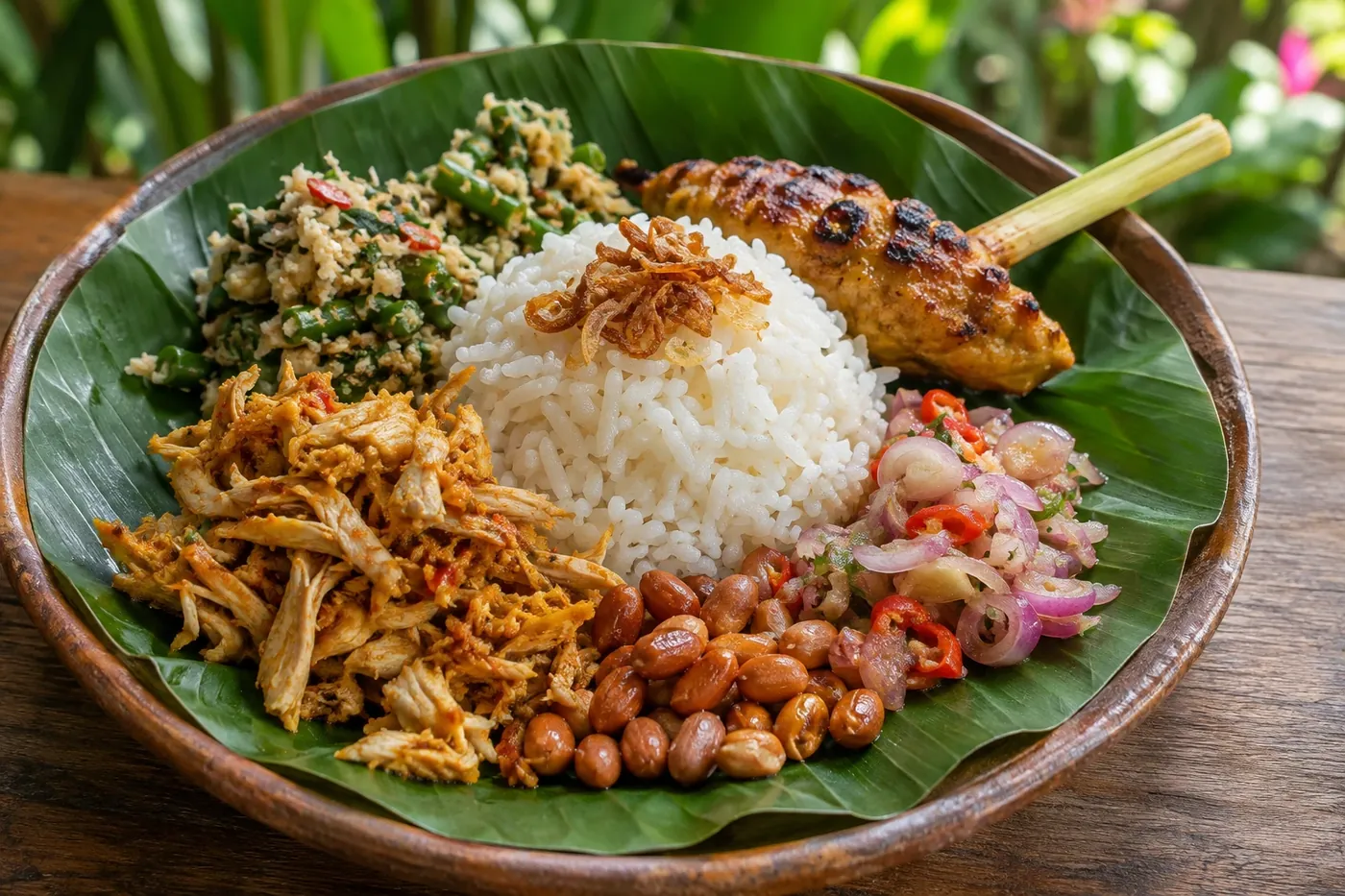
Kuta’s international menus should not prevent a visitor from exploring Indonesian cooking. Look for clear descriptions of dishes and ingredients, ask about allergens and spice, and select a place whose food handling and atmosphere inspire confidence. A small eatery and a larger restaurant offer different experiences rather than a simple authentic-versus-tourist divide. Choose one meal where tasting and conversation are the main activity. Sharing can help a group compare dishes when dietary needs allow it. Keep transport and the evening’s pace straightforward instead of trying to visit several widely separated venues because each appears on a different list.
10. Sunset with a sensible viewing and return plan

Kuta’s west-facing coast makes evening light a natural part of a stay, although clouds can hide the sun entirely. Choose a comfortable public section or a booked venue that you would enjoy even without a dramatic sky. Keep clear of surf-school equipment, boat activity and places where waves reach unexpectedly high on the sand. Avoid leaving valuables unattended while taking photographs. After dark, use a clear route back to your accommodation or a practical pickup point rather than improvising in congestion. Sunset is a pleasant shared pause, not a guarantee that needs to dictate every other decision in the day.
Season and planning
Kuta’s west-facing beach changes with swell, tide and seasonal weather. Rainy periods can bring showers and variable coastal debris, while drier months may be busier. Use current local advice for swimming and lessons instead of treating any month as a guarantee. Shopping and food provide alternatives when outdoor plans need changing. Cooler hours are useful for walking, with shade and rest during the middle of the day.
Choose accommodation around the beach section and venues you actually want to use. Some short trips work on foot, but narrow lanes, crossings and traffic require care. Use arranged transport for longer transfers and allow substantial buffers around the airport, especially at busy times. A scooter is unnecessary for the local outline. Confirm luggage storage and pickup details if using Kuta as a final stop before flying.
Suggested pace
1 day in Kuta
Enjoy a morning beach walk or suitable surf lesson, pause for lunch and browse Beachwalk or the central market area. Keep the evening local with one food-focused meal and a sunset look when weather permits.
2 days in Kuta
Use one day for the coast, central streets and food. Give Waterbom its own substantial block on the second day, with a quiet meal afterwards. Avoid adding a distant temple or island excursion to the same schedule.
3 days in Kuta
Add a slower southern-Kuta outing around Segara, Kartika Plaza and selected shopping, or continue surf learning with another appropriate lesson. Keep the final day light if you have an onward flight and leave a generous transfer margin.
Related Bali guides

Legian
Explore Legian with ten local experiences, realistic itineraries, transport advice and seasonal planning for a Bali stay.

Seminyak
Explore Seminyak with ten local experiences, realistic itineraries, transport advice and seasonal planning for a Bali stay.

Jimbaran
Explore Jimbaran with ten local experiences, realistic itineraries, transport advice and seasonal planning for a Bali stay.
Questions and answers
Is Kuta suitable for beginner surfing?
It can be with a qualified school and suitable conditions. The decision still depends on the day and your swimming ability.
Is Waterbom a quick visit?
It is better planned as a substantial activity block, with time for restrictions, rest and changing.
Can I rely on a fast airport transfer?
No. Distance alone is not a reliable travel-time estimate in busy traffic.
Is Kuta Art Market a guarantee of local handmade goods?
No. Ask about production, materials and provenance before buying.
Where to stay in Kuta
Sources and further reading
Use the responsible authority or provider for current access, availability and booking details.