10 Best Things to Do in Denpasar: A Practical Bali Guide
Written 26 October 2026 · BaliTop10
Denpasar offers a different introduction to Bali from a resort beach or a rice-terrace viewpoint. Its museums, markets, royal compounds and religious sites sit within a working city where traffic, shopping and everyday life continue around the visitor. Choose a coherent area rather than trying to cover every landmark in a single hot afternoon. The historic centre groups several useful stops, while the Renon monument and eastern cultural venues need separate transport planning. A local guide can add context, especially at sites with limited English interpretation. These ten choices focus on public cultural experiences and respectful access, without treating a lived-in city as a staged display of “authentic Bali.”
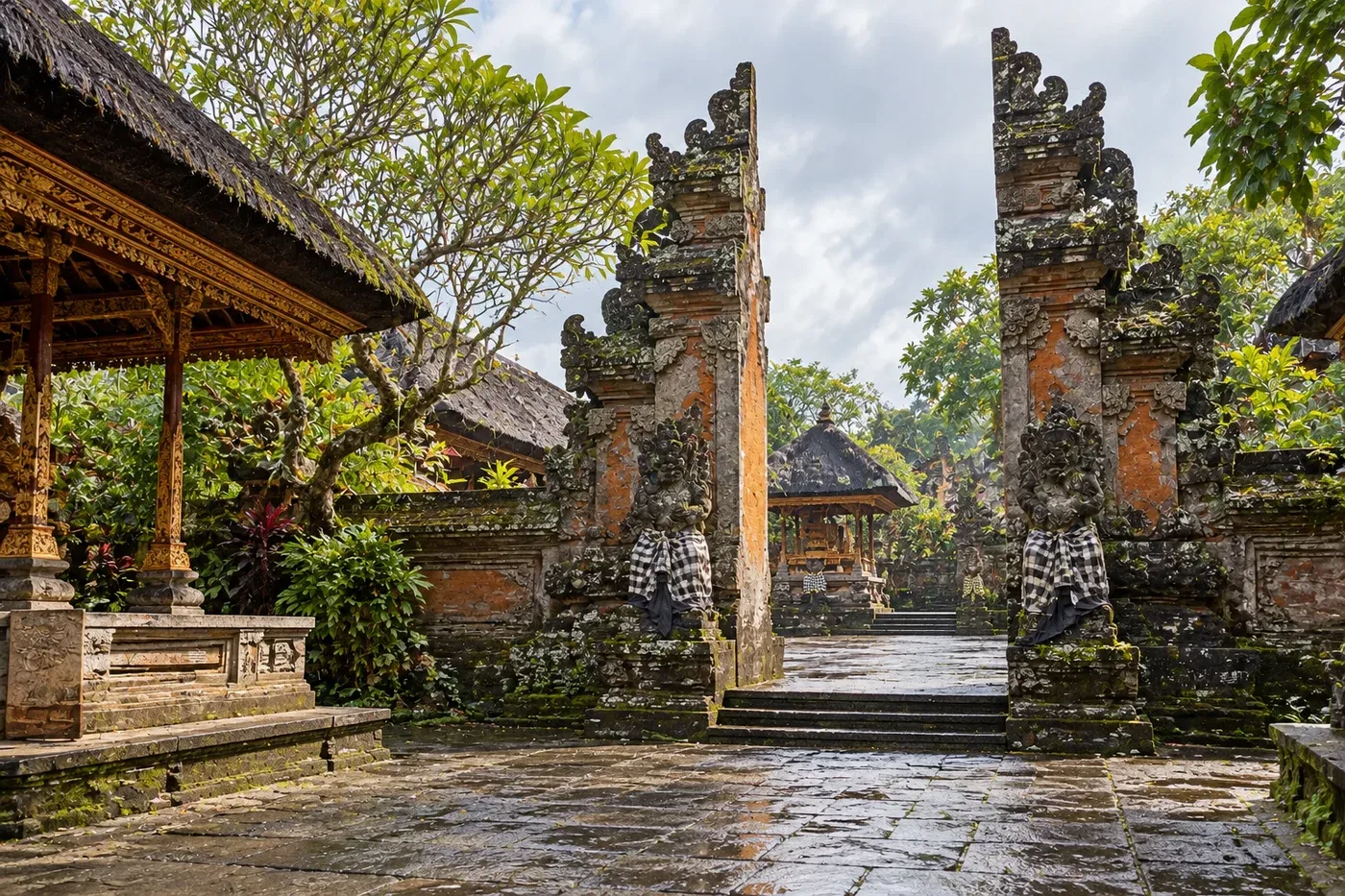
Denpasar: quick answers
- Overview
- Denpasar offers a different introduction to Bali from a resort beach or a rice-terrace viewpoint.
- Season
- Denpasar’s cultural sites can be useful throughout the year, with indoor collections providing alternatives to a beach-based day.
- Getting around
- Group central sites together and arrange transport separately for Renon and the arts-centre area.
1. Bali Museum
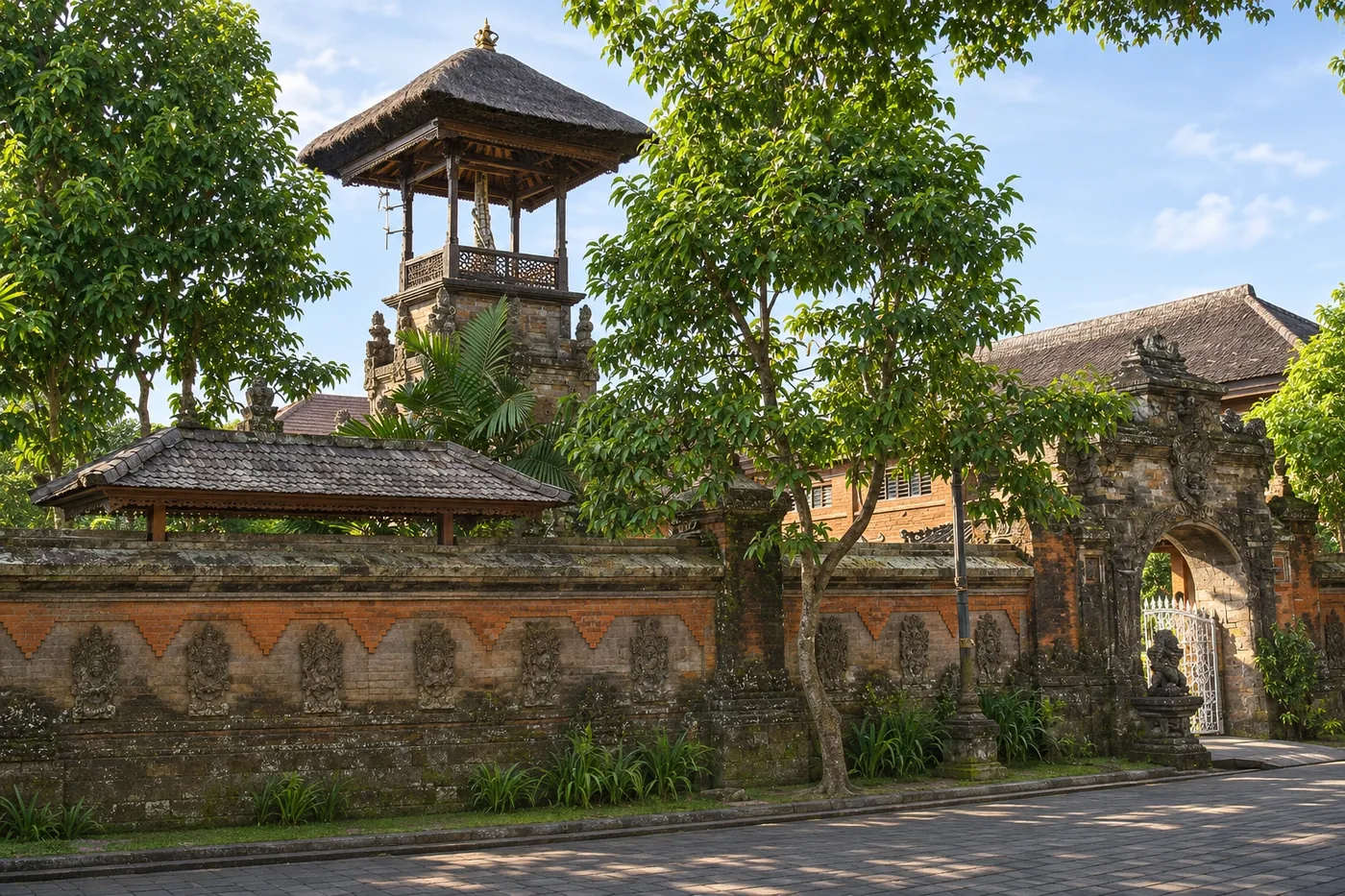
Bali Museum is a useful first cultural stop because its collections and pavilion setting provide context for places visited elsewhere on the island. Give attention to interpretation of objects, clothing and artistic traditions rather than treating the compound as a backdrop. Check the current opening arrangements and any temporary exhibition before planning a museum-focused morning. The site pairs naturally with nearby central landmarks, but heat and the amount of reading can make fewer stops more rewarding. Ask about accessibility needs directly, since historic-style buildings and courtyards may not provide the same routes everywhere. A thoughtful visit does not need to be rushed.
2. Pura Jagatnatha’s permitted visitor areas
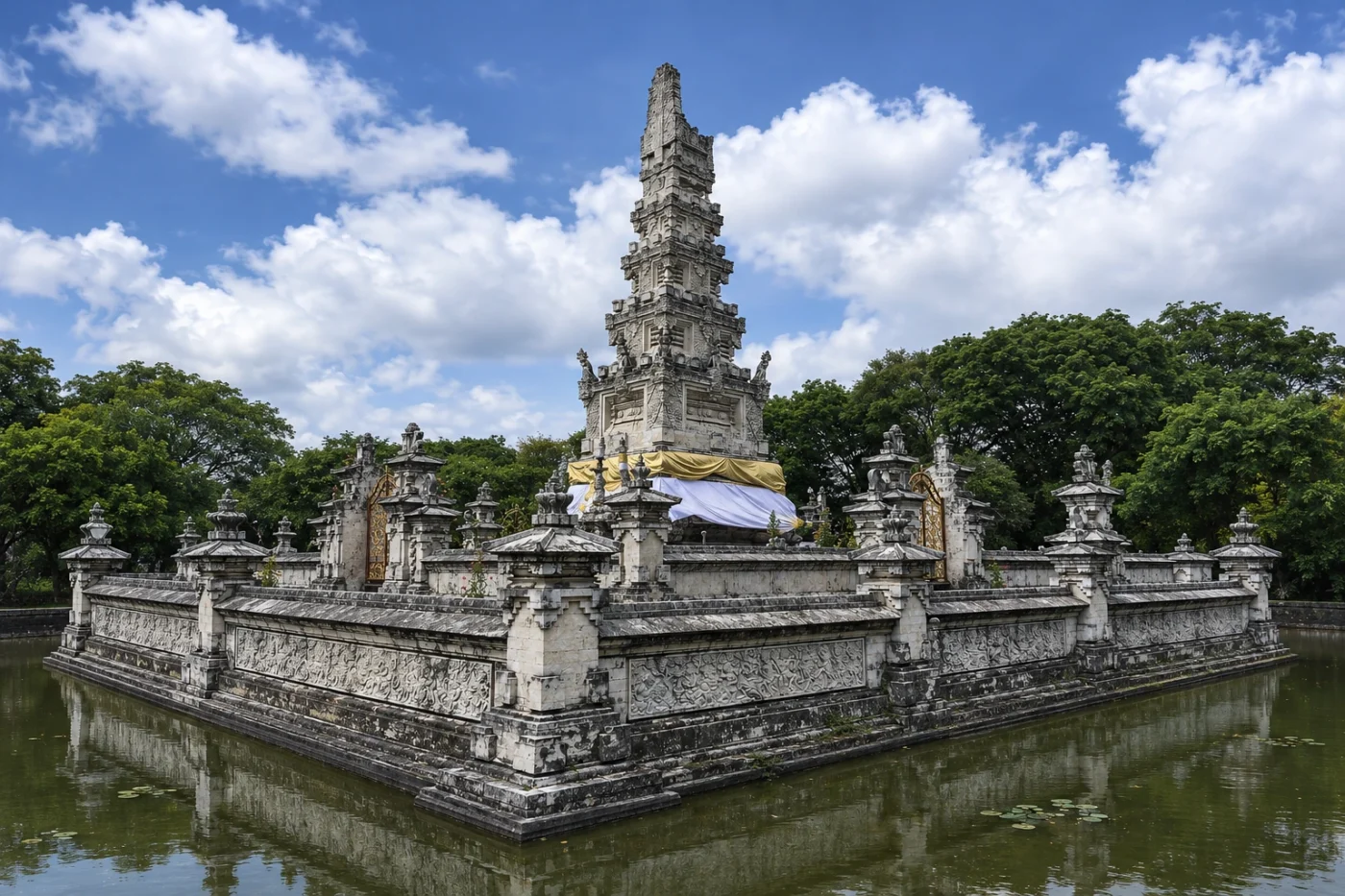
Pura Jagatnatha stands near the museum and can add religious context to a central Denpasar day when visitor access is appropriate. Ask about clothing, permitted areas and ceremonies before entering. A public-facing temple is still a place of worship, and some spaces may be reserved for devotees. Keep photography discreet and avoid blocking entrances or following a group into a restricted courtyard. A guide can explain visible features without inventing access to private rituals. Combine the visit with the museum area so it does not require another drive, and let local instructions decide what is possible on the day.
3. Puputan Badung Square
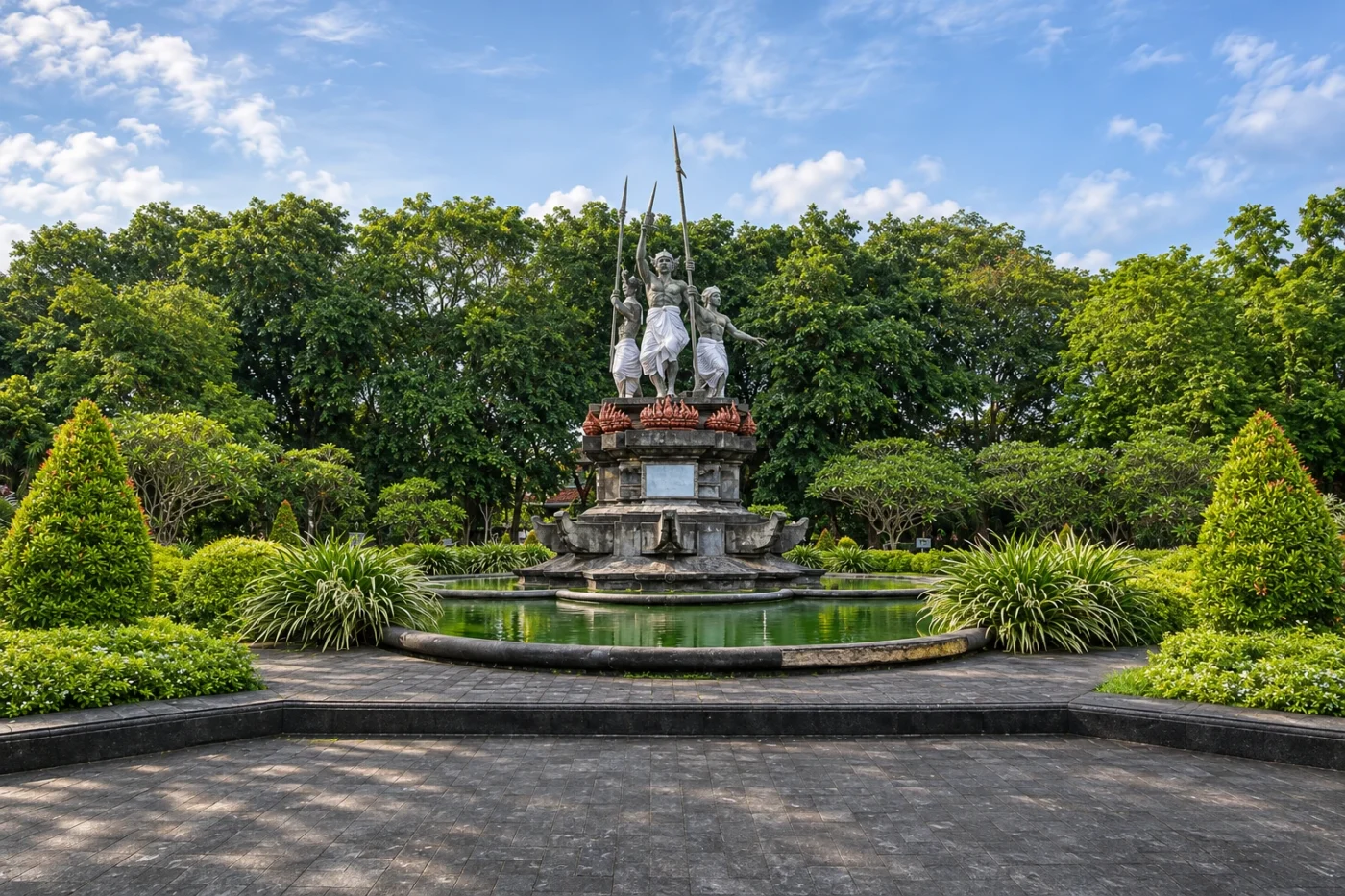
The square offers public space and a point from which to understand Denpasar’s historic centre, but its memorial context deserves more than a quick lawn photograph. Read reliable interpretation or visit with a guide to understand the significance of the puputan and the city’s colonial history. Keep the distinction between this central square and the separate Renon monument clear when planning transport. A walk here can provide a pause between the museum and nearby streets, especially during cooler hours. Be considerate of residents using the space for ordinary recreation. Traffic around the edges makes attentive crossings important.
4. Bajra Sandhi Monument in Renon
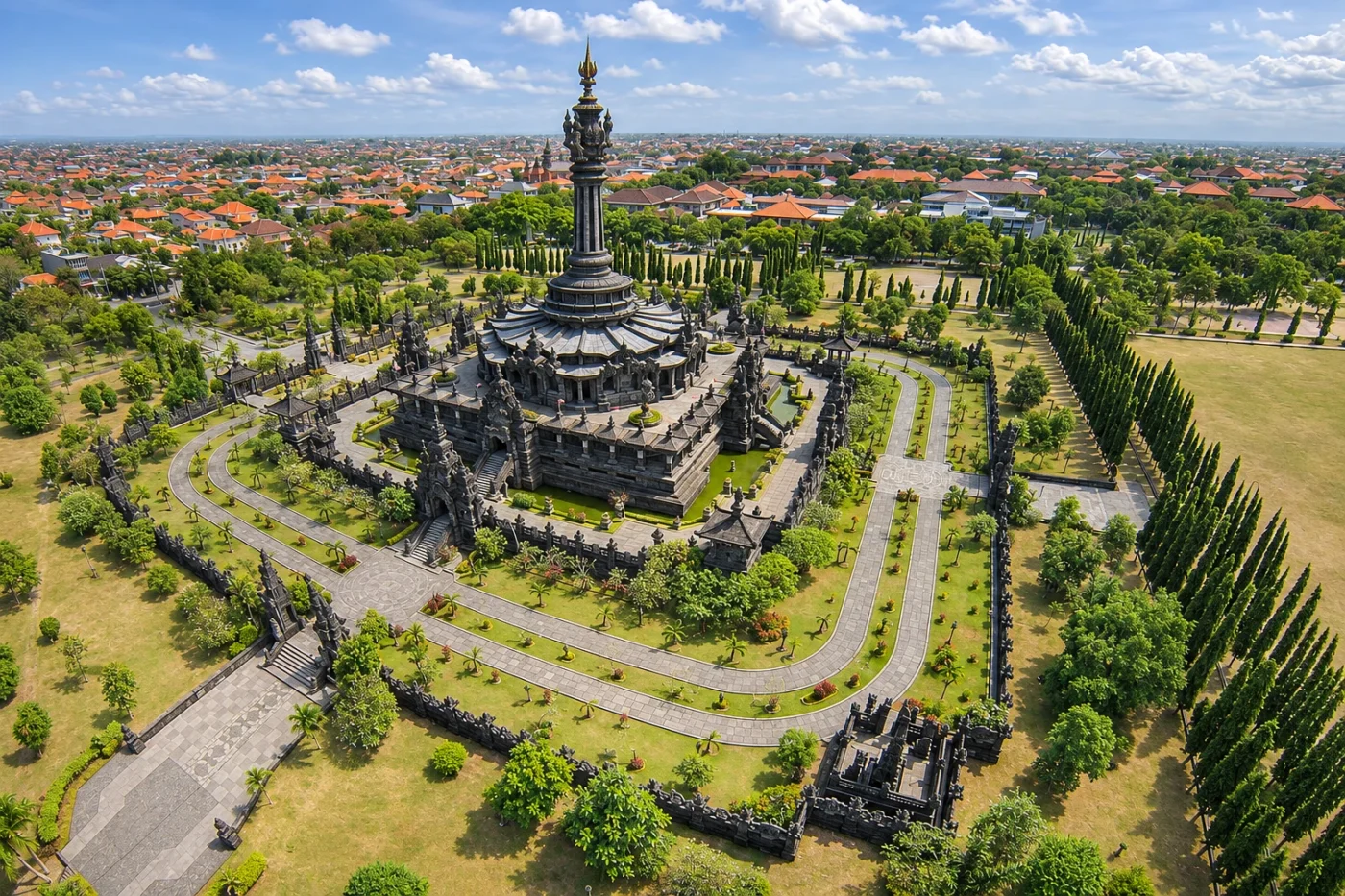
Bajra Sandhi, also known as the Bali People’s Struggle Monument, is a separate cultural stop in the Renon area rather than part of a short museum-to-market walk. Its monumental architecture and historical interpretation reward time inside when open, with the surrounding public grounds offering another perspective on city life. Check the current visitor route, stairs and exhibition access before arriving with mobility needs. Avoid presenting architectural details as a complete explanation of Balinese history; the displays and reliable interpretation matter. Plan the transfer as its own block and leave room for a meal or shaded break nearby afterwards.
5. Pasar Badung
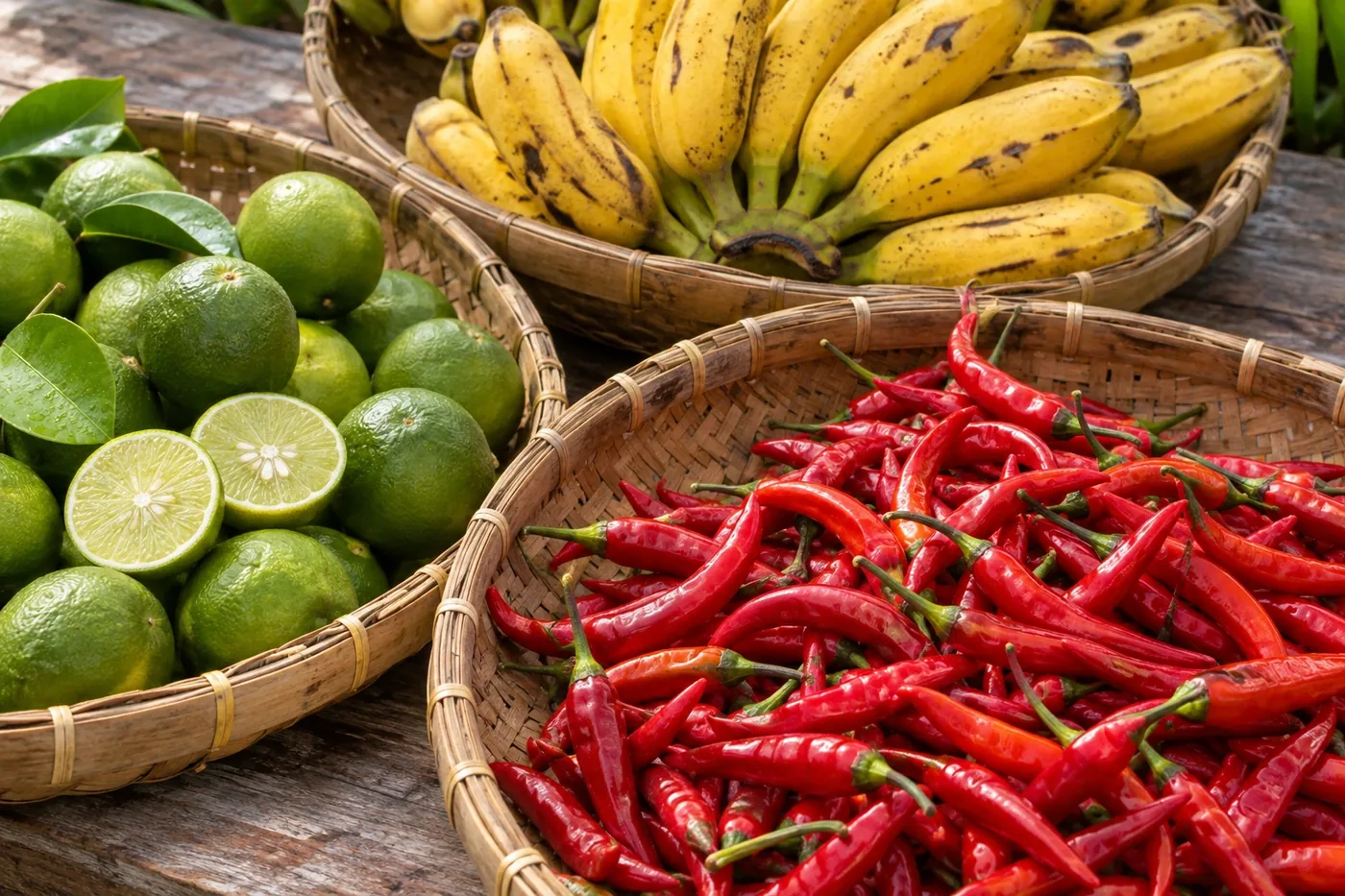
Pasar Badung is a working market where trade and daily purchases are the main activity. Walk attentively, keep passages clear and ask before photographing people at close range. Different sections and trading periods serve different purposes, so a guide or current local advice can help you choose a useful visiting time. Look at produce, offerings and everyday goods without treating shoppers as part of a performance. If buying food, assess preparation and discuss ingredients or allergies clearly. The market fits a central heritage route, but it deserves enough time to observe calmly rather than a fast stop between vehicle transfers.
6. Pasar Kumbasari
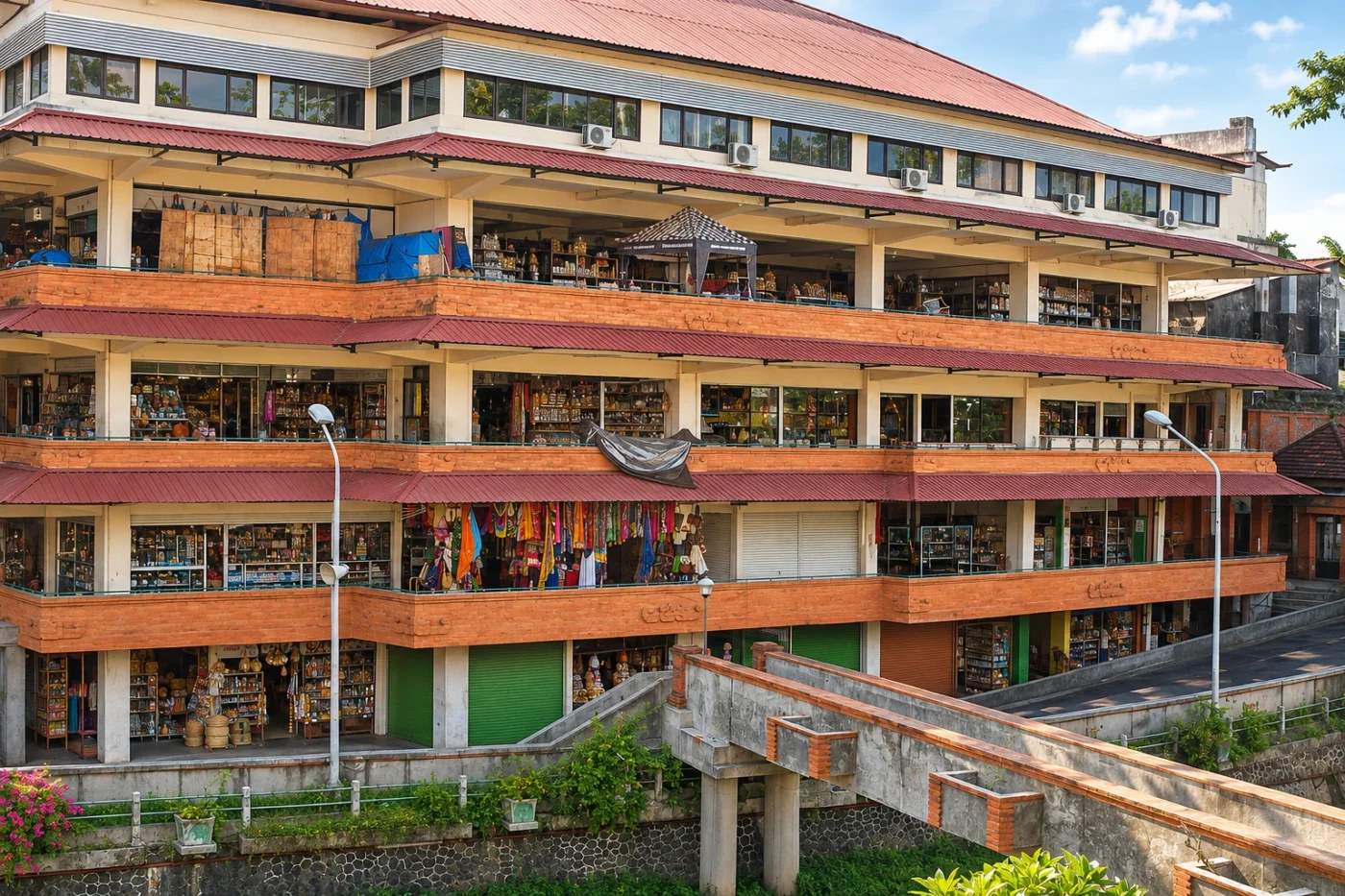
Across the river area from Pasar Badung, Kumbasari offers another shopping setting associated with crafts, textiles and household goods. Compare items for materials and workmanship, and ask about production if locally made work is your priority. A market location is not proof that every object was produced by the seller or on the island. Keep bargaining respectful where applicable and agree prices clearly. Practical footwear helps in a busy multi-level environment. Combine the two markets at a comfortable pace rather than repeating transport between them, and use the wider river setting for orientation while staying on established public routes.
7. Jalan Sulawesi’s textile shops

Jalan Sulawesi is a focused place to browse fabric and consider how textiles connect everyday purchases with dress and ceremony. Ask shopkeepers about the materials, intended use and care rather than assuming every colourful cloth has the same origin or significance. Buying fabric can require more thought about measurements and quality than choosing a ready-made souvenir. Be clear about whether a price is per piece or per unit of length. The visit works well with the nearby market area and a food break. Keep the walking route selective, as working commercial streets are not necessarily quiet pedestrian lanes.
8. Jalan Gajah Mada’s heritage streetscape
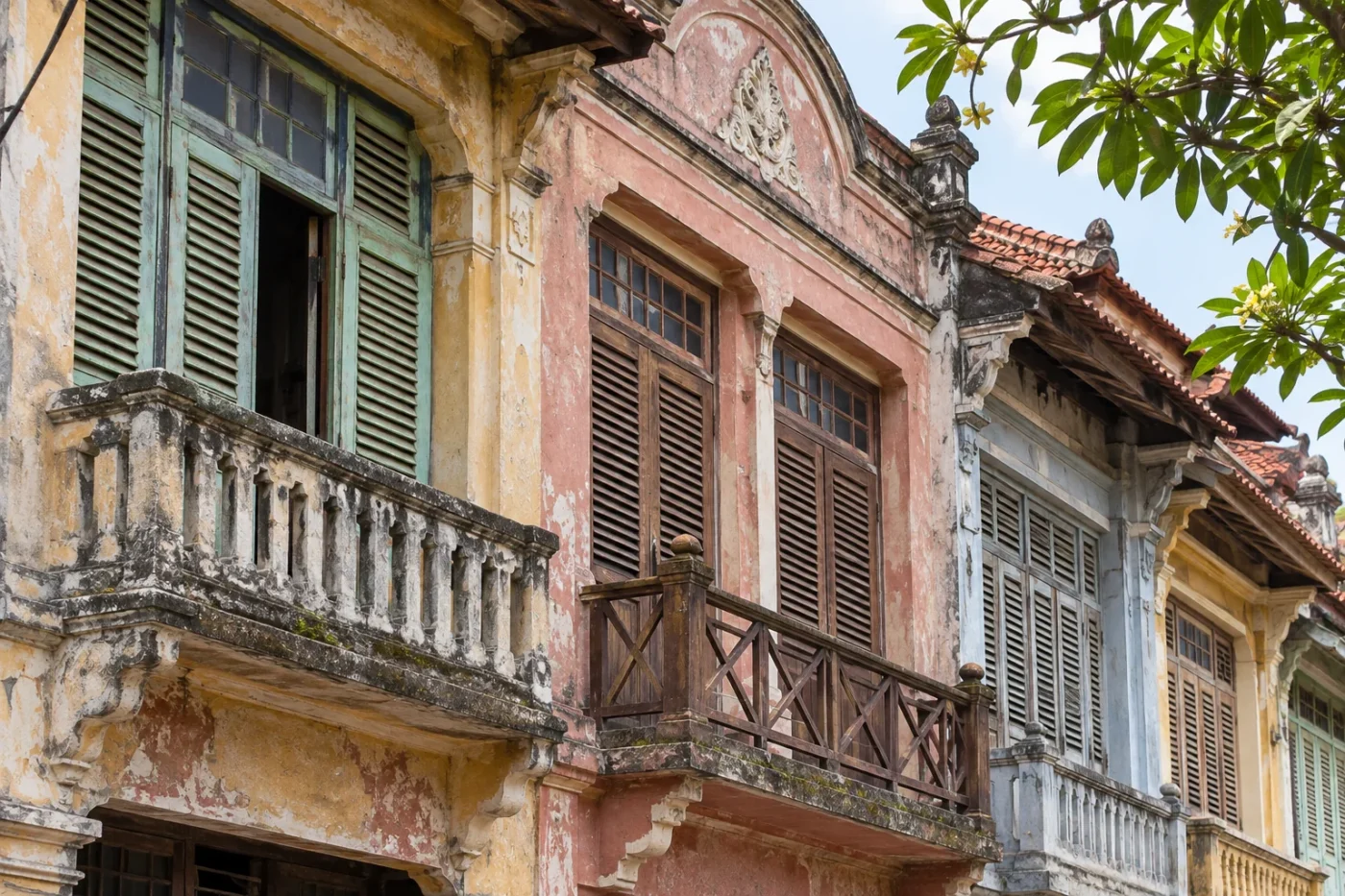
A guided or self-directed walk through the Gajah Mada area can connect Denpasar’s market activity with its commercial and multicultural history. Focus on a manageable stretch of public streets and look at buildings, shopfronts and the river relationship without entering private interiors uninvited. Reliable local interpretation is useful because an attractive façade alone cannot tell the whole story of a business or community. Choose a cooler part of the day and plan safe crossings. A short walk with time to pause is preferable to a long circuit that leaves the group hot and distracted by traffic.
9. Taman Werdhi Budaya Arts Centre
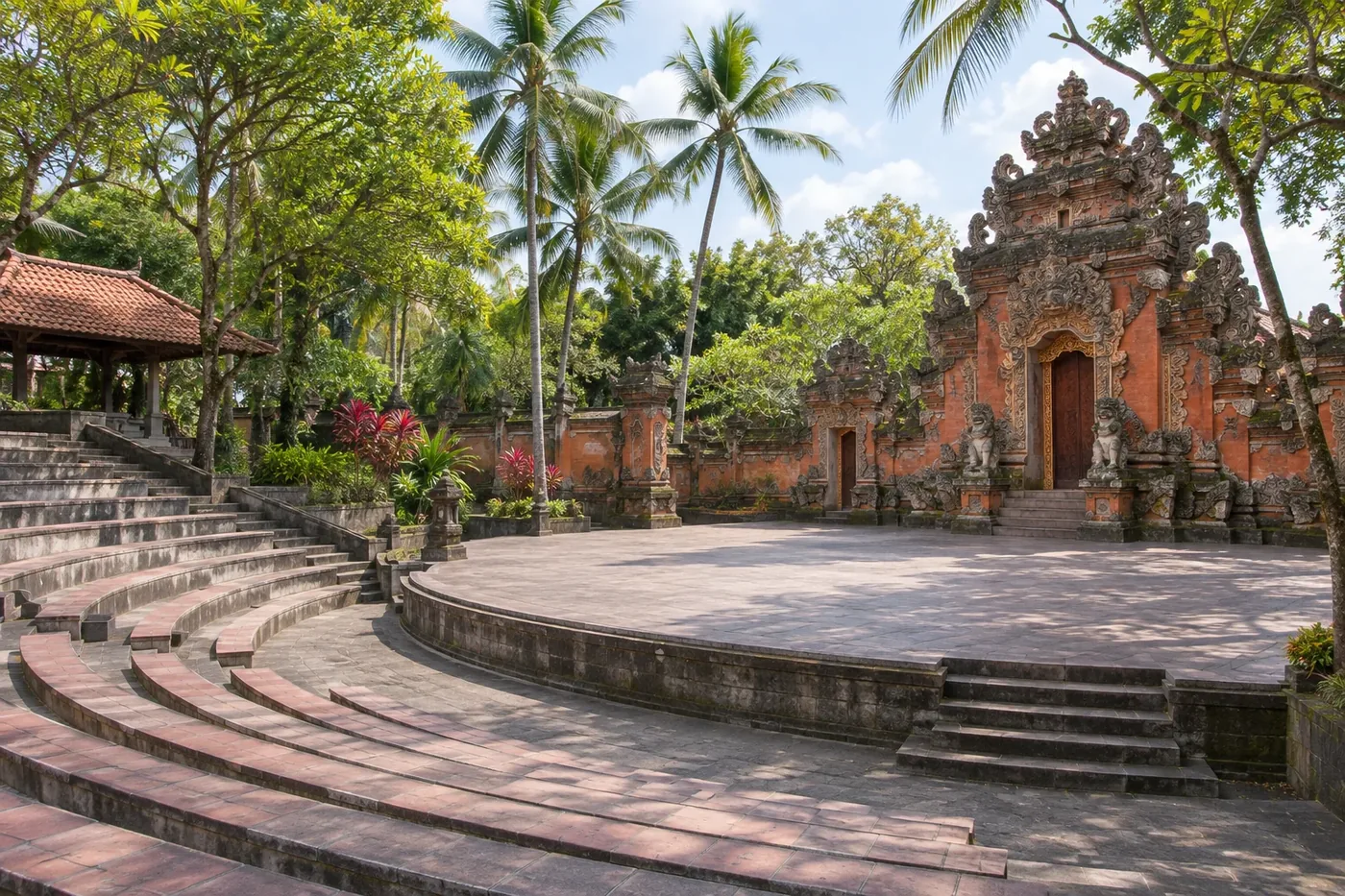
The arts-centre complex gives a Denpasar itinerary another cultural setting beyond the historic market district. Check the current programme and which buildings or exhibitions are accessible before making a special trip. Festival performances and ordinary visitor access are different experiences; a major annual event should not be assumed to run throughout the year. Architecture and public grounds can still be of interest when a particular show is unavailable. Allow a dedicated transport block and avoid arriving with only a few minutes to spare. Pair the visit with another eastern-city stop only when the route makes practical sense.
10. Puri Agung Jro Kuta with appropriate access
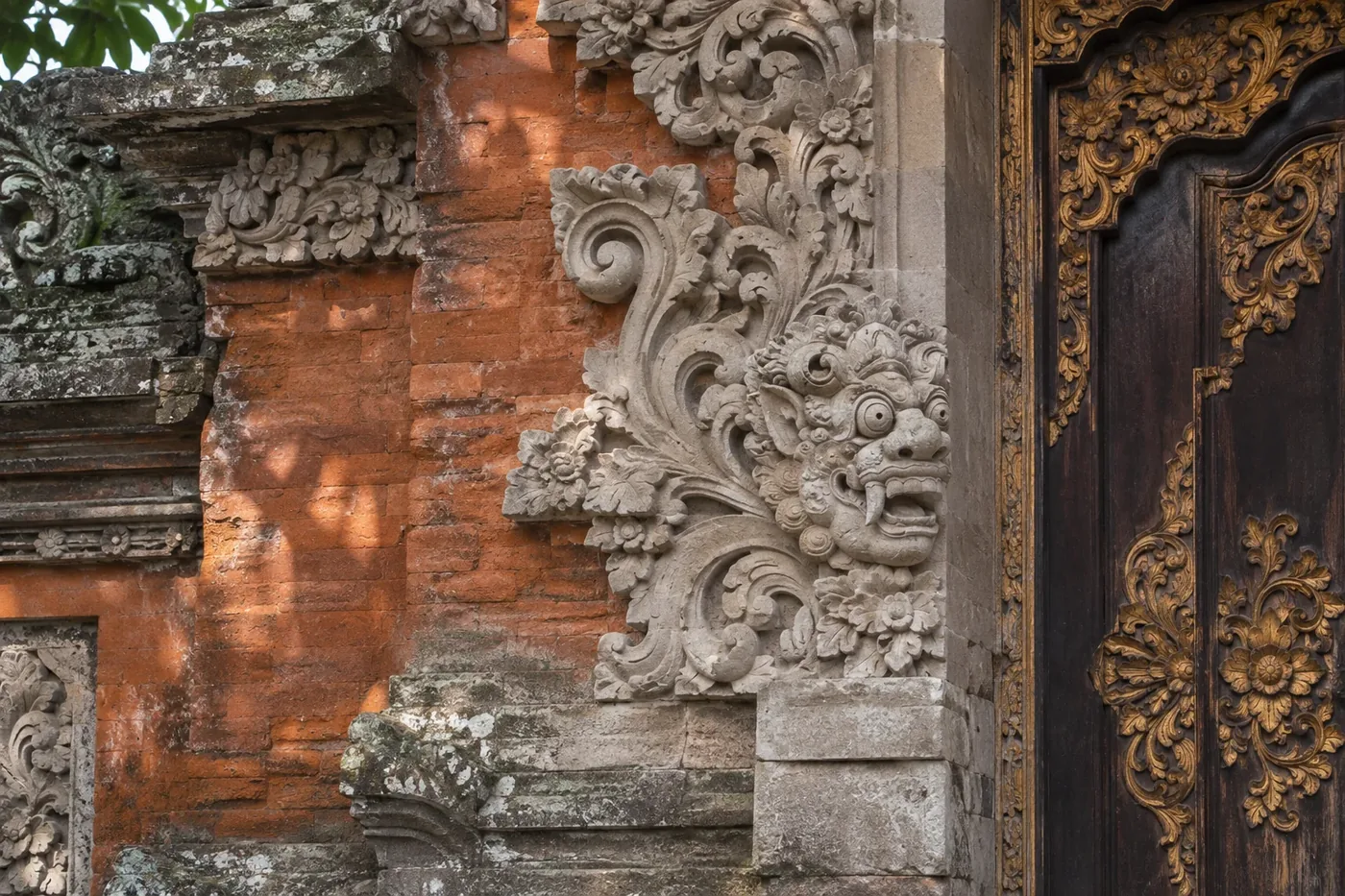
Jro Kuta Palace is a historic royal compound in the city, but it remains important to distinguish a visitor arrangement from unrestricted entry into every area. Contact the responsible site or arrange a knowledgeable local guide to clarify current access. Respect family, ceremonial and religious spaces, and ask before photographing people or private interiors. The value lies in understanding the compound’s place in Denpasar’s cultural landscape rather than collecting another elaborate gateway image. It can fit a carefully planned heritage route, provided timing is agreed. If access is unavailable, do not treat that as permission to explore independently through open doors.
Season and planning
Denpasar’s cultural sites can be useful throughout the year, with indoor collections providing alternatives to a beach-based day. Opening schedules, religious events and public holidays can change access, so verify the principal sites before travelling. Heat and rain affect street and market walks; choose cooler hours and keep shaded or indoor pauses available. A festival date should be checked for the current year rather than copied from an earlier travel article.
Group central sites together and arrange transport separately for Renon and the arts-centre area. Traffic can make road journeys slower than the map suggests, and pavements and crossings need attention even on a short walking route. A knowledgeable guide can improve interpretation and practical access without requiring a scooter. Confirm pickup points and avoid an overfilled circuit. Give an airport transfer its own generous margin rather than placing it directly after the last museum stop.
Suggested pace
1 day in Denpasar
Begin with Bali Museum and a respectful Jagatnatha visit if access permits, pause near Puputan Badung Square and choose either the market district or a guided heritage walk. Keep the day central and leave time for a meal.
2 days in Denpasar
Use the first day for the museum and historic centre. On the second, visit Bajra Sandhi in Renon and investigate the arts centre’s current programme, with transport and a shaded lunch break planned between areas.
3 days in Denpasar
Add a carefully arranged Jro Kuta visit and a slower textile-shopping session to the two-day outline, or combine the city stay with Sanur’s coast. Choose depth and interpretation instead of filling every day with another long circuit.
Related Bali guides
Sanur
Explore Sanur with ten local experiences, realistic itineraries, transport advice and seasonal planning for a Bali stay.
Ubud
Explore Ubud with ten local experiences, realistic itineraries, transport advice and seasonal planning for a Bali stay.

Kuta
Explore Kuta with ten local experiences, realistic itineraries, transport advice and seasonal planning for a Bali stay.
Questions and answers
Can Denpasar be explored entirely on foot?
Several central sites can be grouped, but Renon and other districts need separate transport. Pedestrian conditions vary.
Is the city only a shopping stop?
No. Museums, monuments, religious places and royal compounds provide substantial cultural context when approached thoughtfully.
Can I enter every temple or palace courtyard?
No. Current permission, ceremonies and private use determine access.
Will the arts centre always have a performance?
No. Check the current programme; festival events and everyday visitor access are different.
Where to stay in Denpasar
Sources and further reading
Use the responsible authority or provider for current access, availability and booking details.