10 Best Things to Do in Jatiluwih
Written 26 October 2026 · BaliTop10
Jatiluwih is best approached as a working rice landscape rather than a single photo platform. The broad terraces, irrigation channels and village setting make it possible to spend a substantial part of a day walking, learning and eating locally. Its appeal differs from the tighter, busier valley viewpoints around Tegallalang. Choose a route that suits your group and leave time to understand the farming system instead of driving between distant lookouts. The surrounding Penebel area can add temple and village experiences if you are staying longer. The ten choices below include ways to explore Jatiluwih itself and clearly separate nearby excursions. They are not a claim that every walk, class or sacred area is available without arrangement.
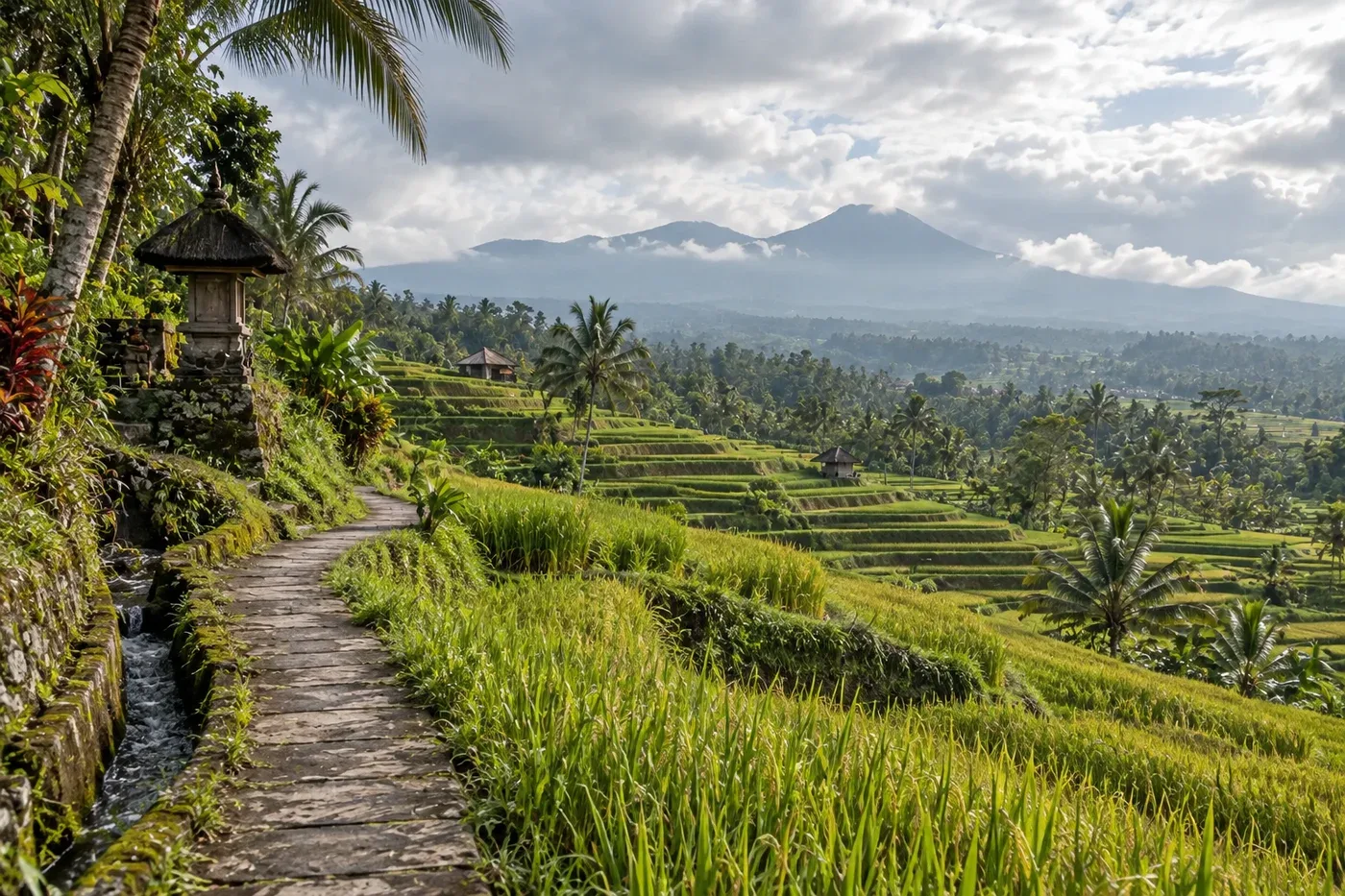
How do you do a short walk at Jatiluwih?
Start at the visitor area and ask which signed short route is open and suitable that day. Walk the first section, pause at a terrace viewpoint, and use the marked return or turn back the way you came if conditions change. Leave time for photos and the walk back.
Stay on designated paths and wear shoes with grip. If anyone in your group needs a flatter route or fewer steps, ask about the actual surface and gradients before setting off. See the Jatiluwih visitor site for planning details.
Jatiluwih: quick answers
- Overview
- Jatiluwih is best approached as a working rice landscape rather than a single photo platform.
- Season
- Conditions vary with rainfall and the farming cycle.
- Getting around
- Jatiluwih is in the upland Penebel area of Tabanan.
1. The signed terrace walking routes
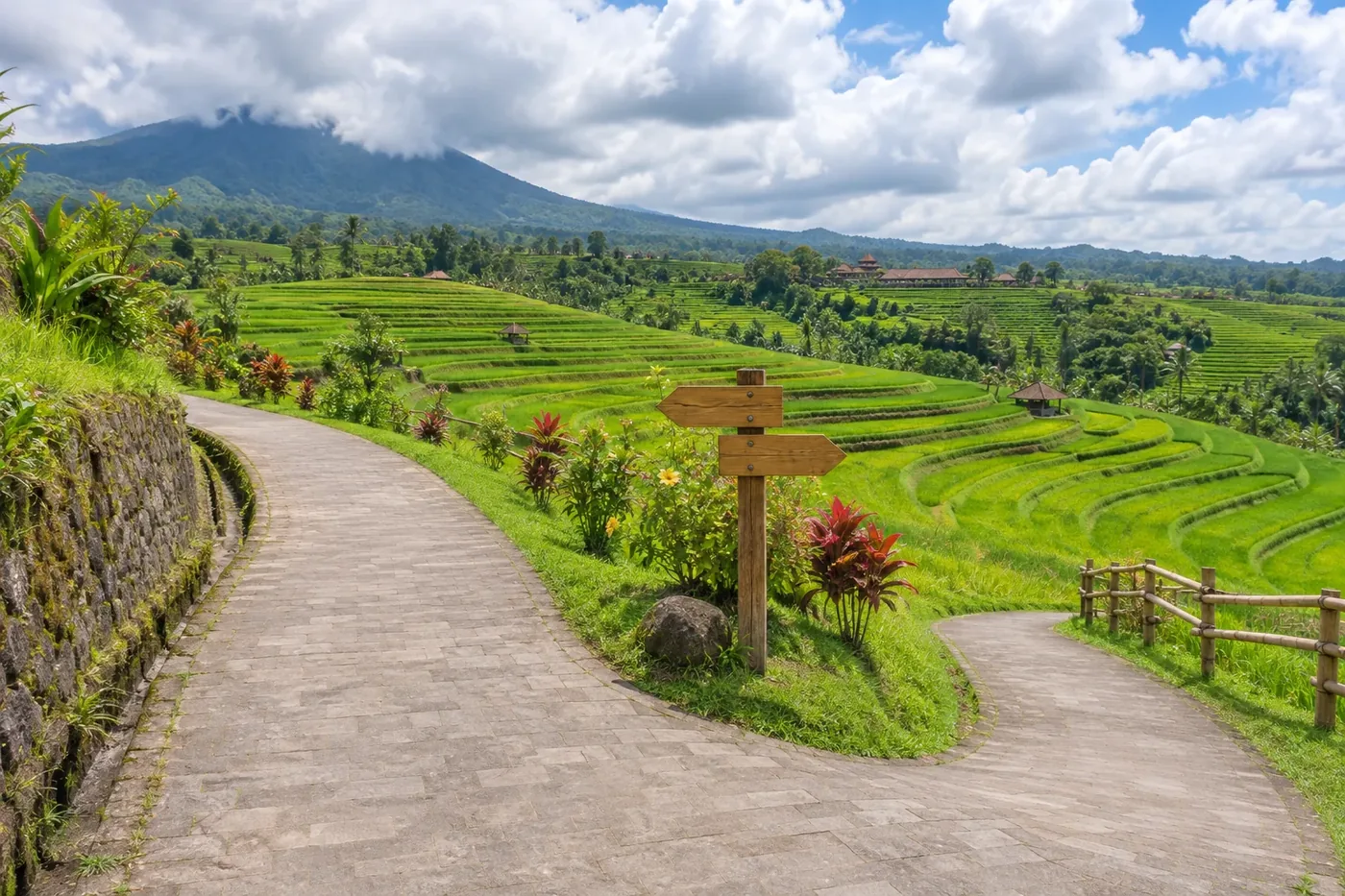
Begin at the visitor area and ask which signed route matches your time, fitness and the current ground conditions. A shorter loop can still reveal broad changes in view as you move between terraces. Wear shoes with grip and remain on the designated paths; narrow field edges and planted areas are not shortcuts. Decide on a comfortable turnaround rather than choosing the longest route simply because it appears on a map. Allow pauses to watch the landscape and leave workers space to continue their day without becoming part of a staged photograph.
2. A guided introduction to subak

A local walking guide can connect the view with the practical management of water and farming. Ask for a visit focused on irrigation, seasonal work and the community rather than only the best camera positions. Watching where water enters and leaves a field makes the landscape easier to understand. Avoid handling channels or stepping into cultivation, even if it seems harmless. This is a good choice for visitors who want more than a brief stop but do not need a long hike, and it can be tailored to the group’s pace.
3. A shorter early-morning landscape walk
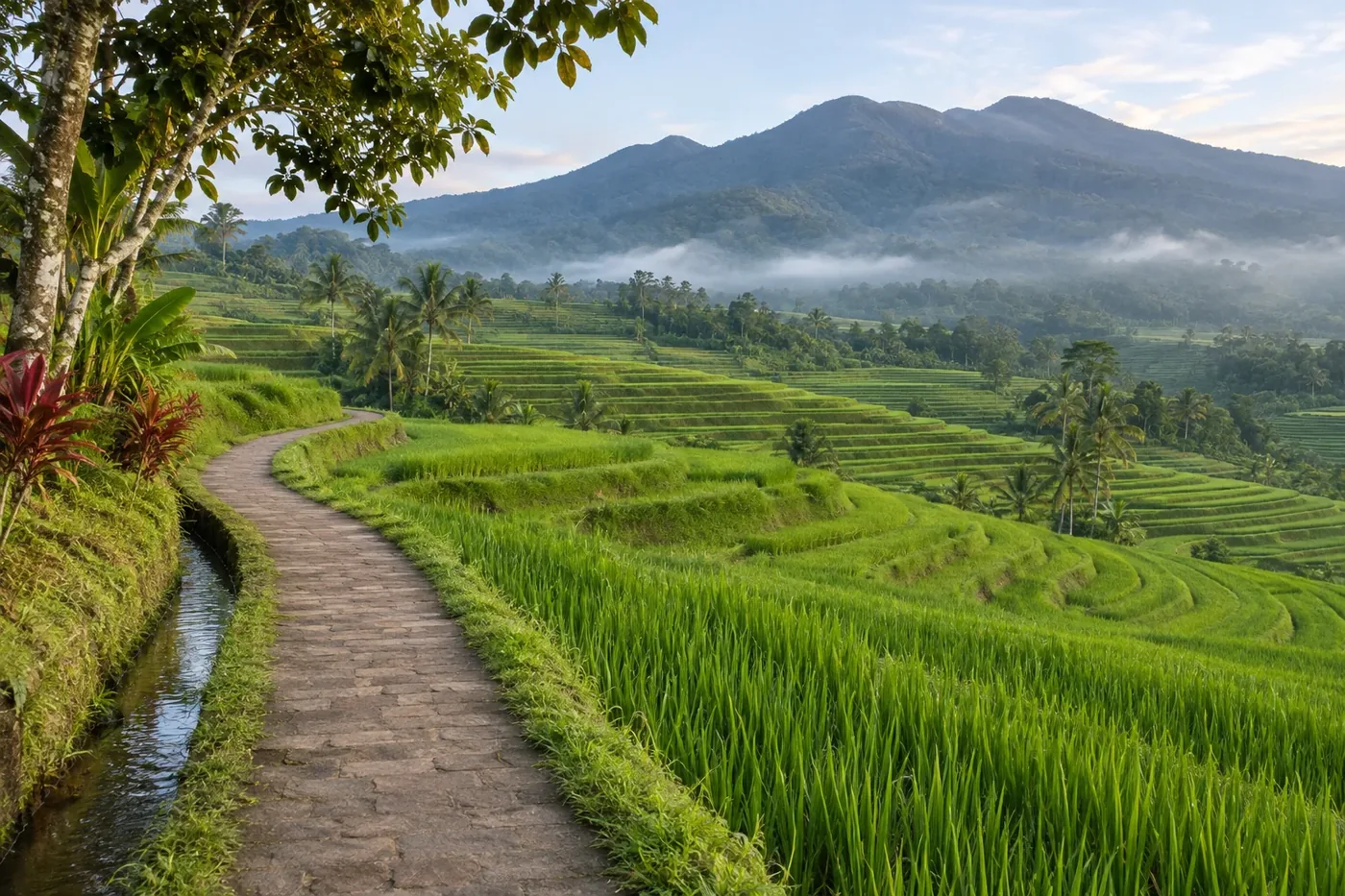
An early start can provide a quieter walk and more comfortable temperatures, but the rice may be green, recently planted, harvested or in another stage of its cycle. Do not choose dates on the assumption that every terrace will match a promotional image. Use an approved route near your accommodation or the visitor area and ask about access before setting out. Morning mist can be atmospheric while also hiding the wider mountain view. Take the landscape as it is rather than waiting for a guaranteed cloud-free panorama.
4. Taste Jatiluwih red-rice dishes

Look for a locally prepared meal that explains the red rice associated with Jatiluwih instead of simply choosing the café with the highest viewing deck. Ask what is grown or made locally and whether there is a seasonal dish worth trying. A relaxed lunch gives a useful break between walking and an afternoon visit nearby. Menus and dietary options vary, so discuss allergies and vegetarian requirements before ordering. Buying food locally supports a different relationship with the landscape from entering the fields only to take photographs and leave.
5. A community-arranged cooking activity
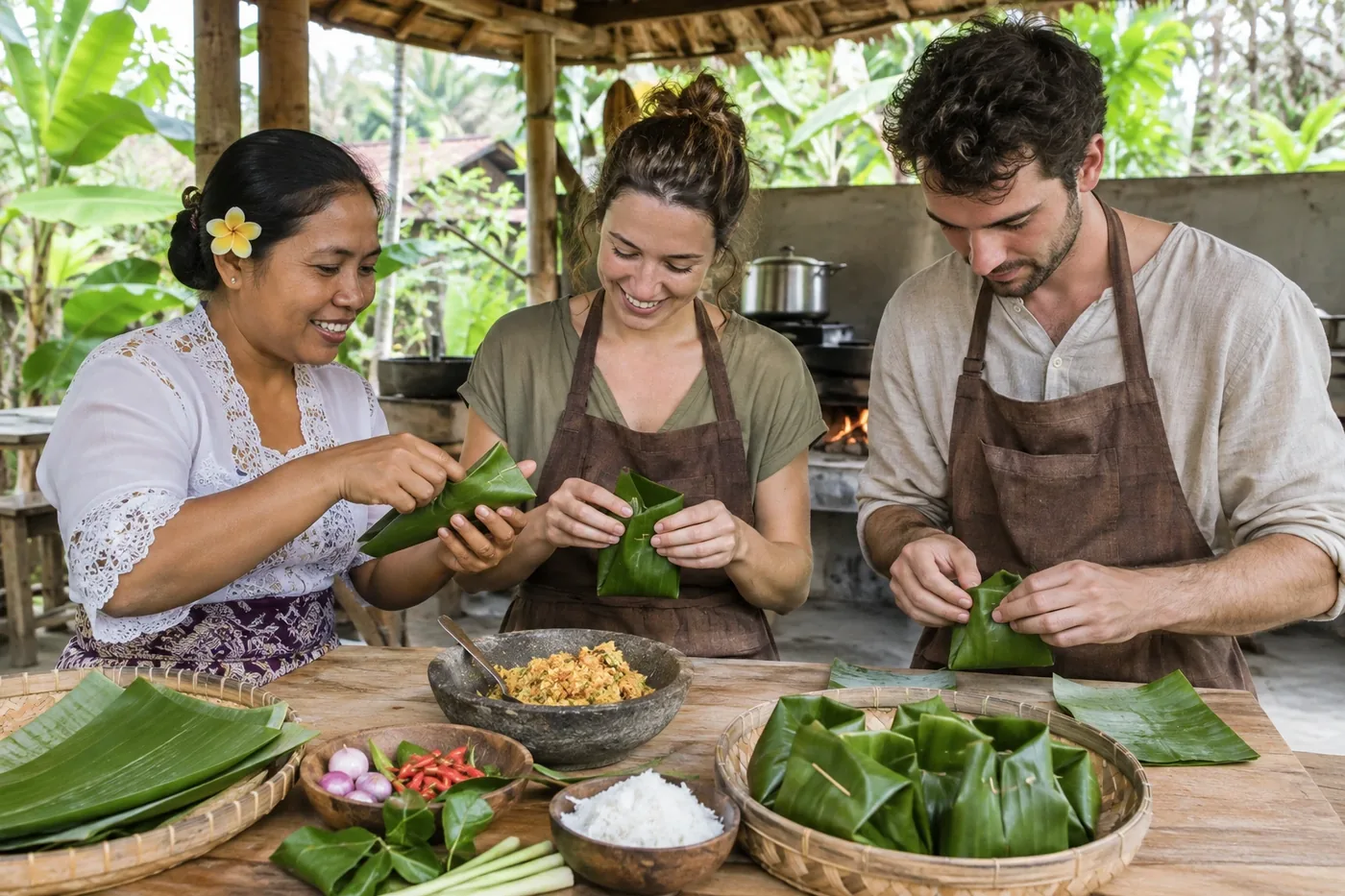
The official tourism-village programme lists food and cultural activities, making a booked cooking session an option to investigate for a slower stay. Confirm what is actually operating, the ingredients used, the language of instruction and whether transport is included. A class should leave time to prepare and eat rather than being squeezed between two long drives. Ask whether any market or farm component involves additional walking. Choose a provider that can explain where the food comes from, and disclose allergies before the booking rather than at the kitchen door.
6. A suitable guided cycling route

Cycling offers a different view of the village landscape, but the hills, road surface and traffic matter as much as the scenery. Use an established local programme and ask about gradients, bicycle type, helmets and the amount of riding expected. A product described as scenic is not automatically an easy family ride. Motor vehicles are not permitted on the terrace trekking routes, and a bicycle outing should also respect the paths designated for it. Keep photography stops off the road and let the guide select a route appropriate to current conditions.
7. A local craft or cultural workshop
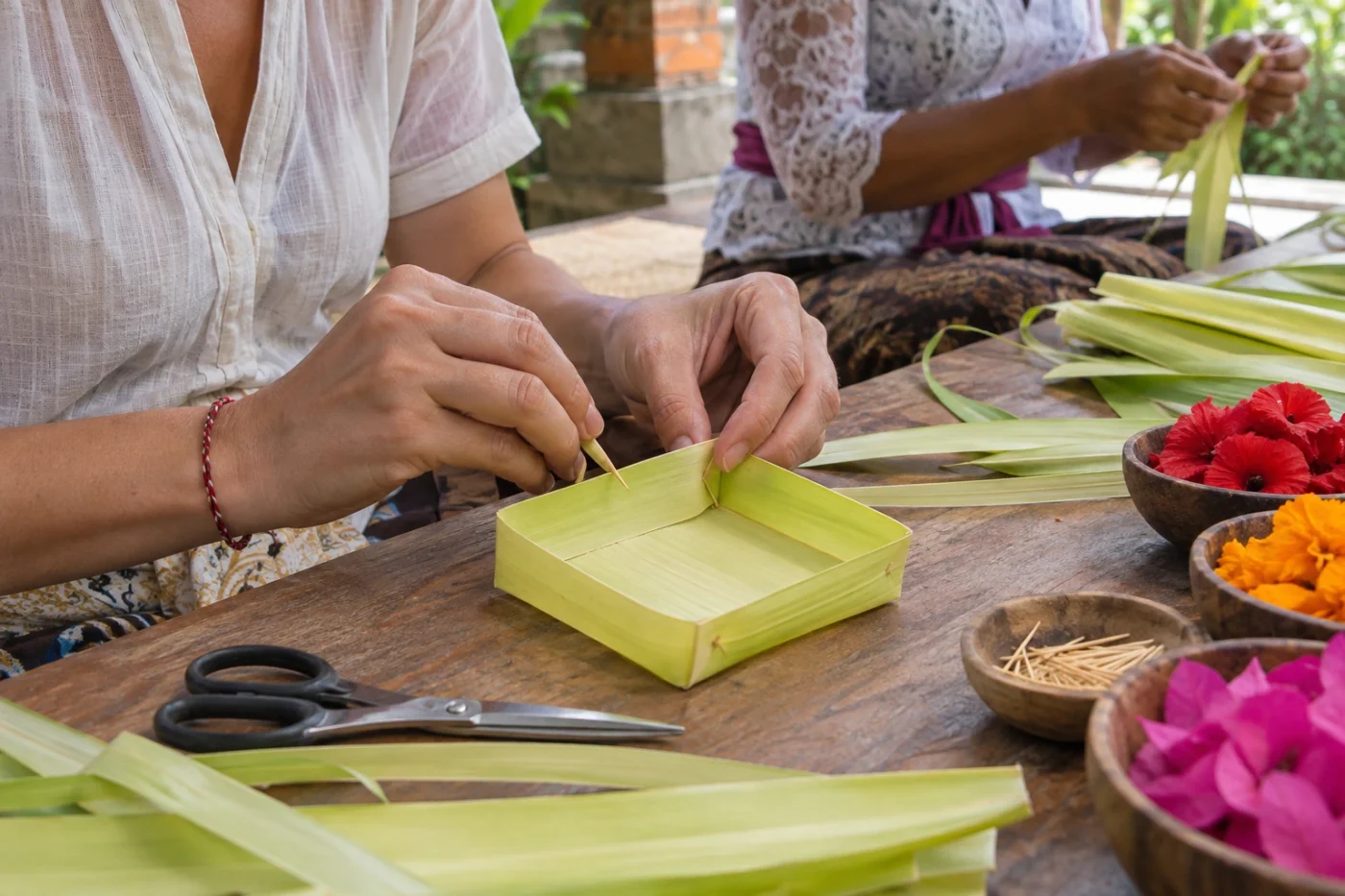
A tourism-village workshop can make a useful alternative when cloud or rain changes a planned outdoor day. Ask which activity is available, who teaches it and whether the session is a demonstration or a chance to make something yourself. Community programmes may operate by arrangement rather than on a continuous walk-in timetable. Give the teacher time to explain materials and local context, and ask permission before photographing participants. This is best treated as its own meaningful visit instead of a hurried add-on used to fill a gap between viewpoints.
8. Pura Luhur Batukaru as a separate temple visit
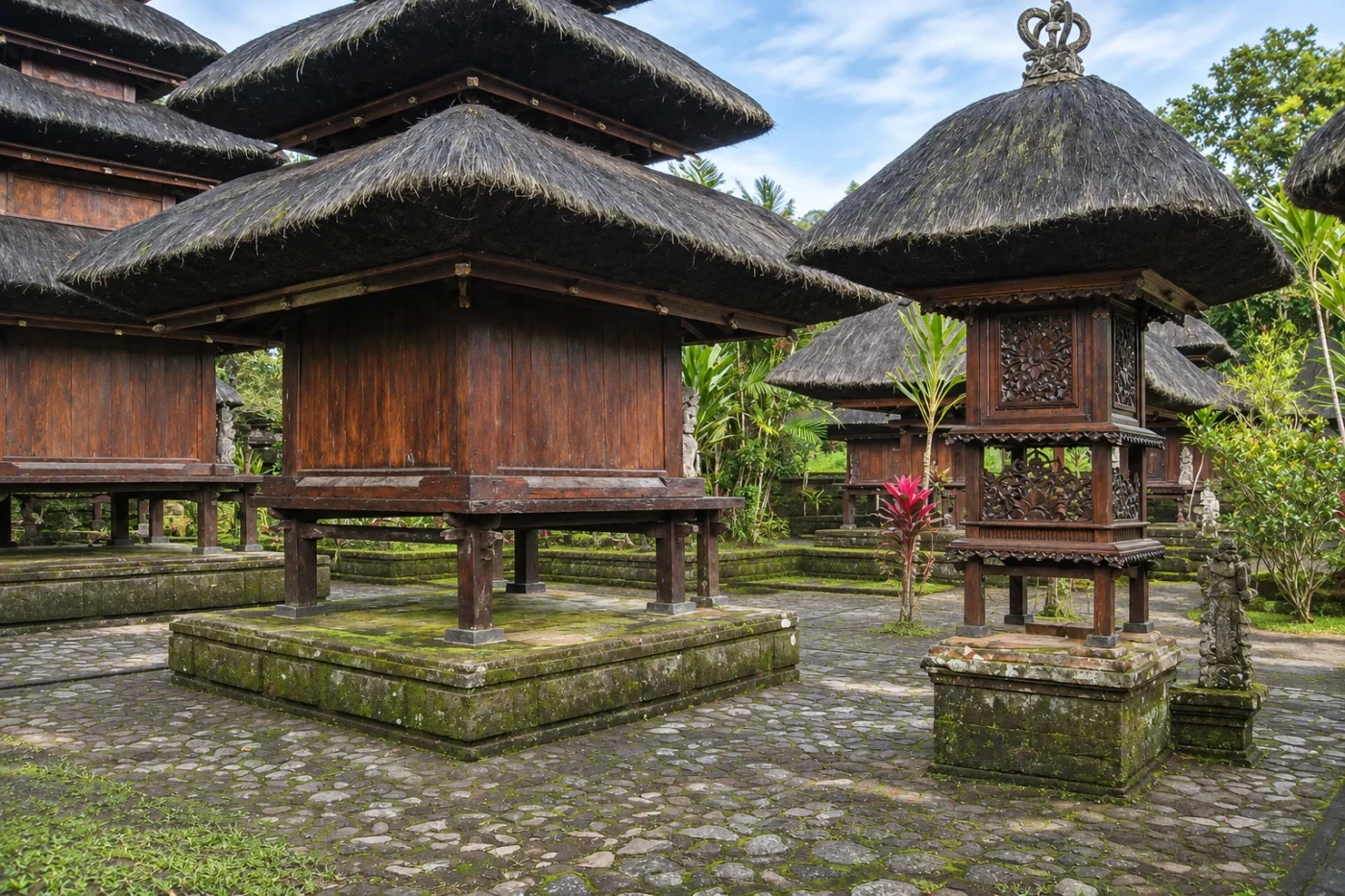
Batukaru offers a contrasting nearby excursion in a forested setting, but it should not be treated as an unrestricted extension of a terrace walk. Arrange the actual road transfer and check visitor access and ceremony conditions locally. Wear the required temple clothing and follow guidance about permitted courtyards and photography. The value of a visit lies partly in the quiet setting, so keep voices low and give worshippers priority. Do not plan an independent mountain ascent from a temple stop without separate preparation and current local advice.
9. The Yeh Hoo area with local advice
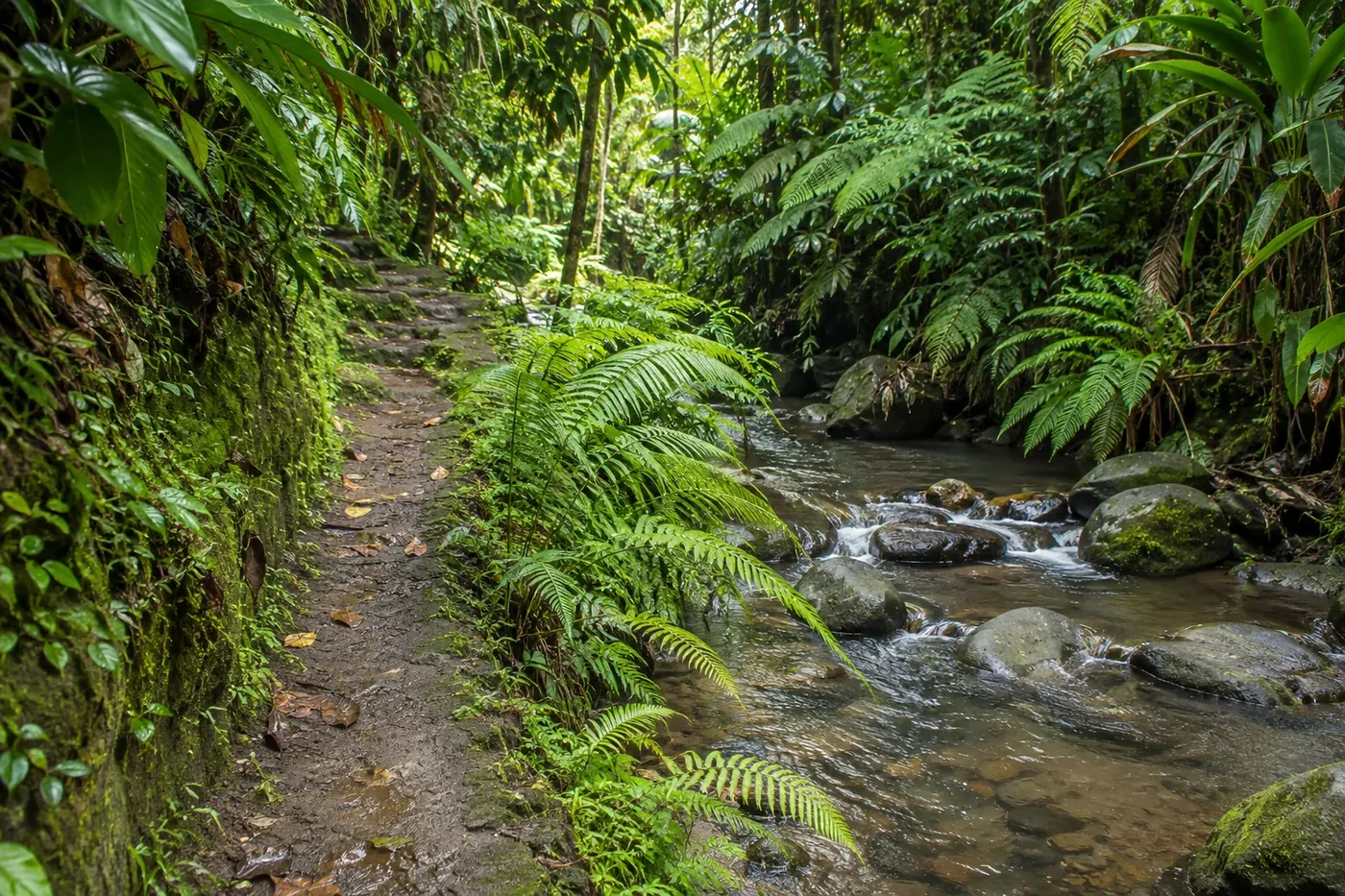
A small outing towards Yeh Hoo can add water and woodland scenery to a Penebel stay when access is suitable. Ask locally about the current path, steps and conditions rather than assuming every waterfall photograph represents a maintained visitor route. Rain can make footing difficult and change water behaviour. A viewpoint or short walk may be enough; there is no need to enter a pool or get beneath falling water. Keep this as an optional local excursion rather than a compulsory item on the same day as a long terrace route.
10. An overnight stay in the village area

Spending a night around Jatiluwih gives you the chance to walk at a quieter time and spread a class, meal and temple visit across separate blocks. Choose accommodation by its actual road access, food arrangements and position relative to permitted paths. A terrace view does not automatically provide a private route through the rice fields. Ask your host about the farming stage and a suitable local walk, then accept changing weather as part of the upland setting. This is particularly useful if you want to avoid a rushed day trip from the south.
Season and planning
Conditions vary with rainfall and the farming cycle. The drier months can suit walking, but there is no universal date when every terrace is bright green. Bring rain protection and footwear suitable for wet paths. Check activity availability with the village provider, especially for classes that need an advance reservation.
Jatiluwih is in the upland Penebel area of Tabanan. A driver or locally arranged transport makes the journey and nearby excursions more practical for many visitors. Allow for winding roads and traffic on the approach from southern Bali. Confirm the return pickup instead of assuming an on-demand vehicle will be available immediately.
Suggested pace
One day: a focused introduction
Choose a signed terrace route, have a local lunch and leave time for a guide’s explanation. Add only one short nearby stop if conditions and travel time comfortably allow it.
Two days: add a contrasting experience
Stay locally and separate walking from a cooking, craft or cycling activity. Use the clearer weather window for the widest landscape view and keep a temple visit as a distinct outing.
Three days: explore at an easier pace
Add a nearby Penebel excursion with local advice, then leave part of the final day uncommitted. A slower stay is useful for changing weather and learning about the village rather than simply increasing the number of stops.
Related Bali guides

Tabanan and Tanah Lot
Explore Tabanan and Tanah Lot with ten practical experiences, seasonal advice, transport planning and realistic one-to-three-day itineraries.

Bedugul
Explore Bedugul with ten practical choices, regional excursions, seasonal advice, transport notes and realistic one-to-three-day planning.
Tegallalang
Explore Tegallalang with ten practical experiences, seasonal advice, transport planning and realistic one-to-three-day itineraries.
Questions and answers
Is Jatiluwih only a viewpoint?
No. Signed walks, local interpretation, food and arranged village activities can support a much longer visit.
Will the terraces always be green?
No. The farming cycle changes their appearance. Check locally if a particular stage matters to your visit.
Can I walk through any field?
No. Stay on the designated routes, avoid planted areas and allow farmers to work without obstruction.
Can I use a drone freely?
No. The attraction publishes authorisation requirements. Confirm current permission and any applicable aviation or local restrictions first.
Sources and further reading
Use the responsible authority or provider for current access, availability and booking details.