10 Best Things to Do in Nusa Lembongan
Written 26 October 2026 · BaliTop10
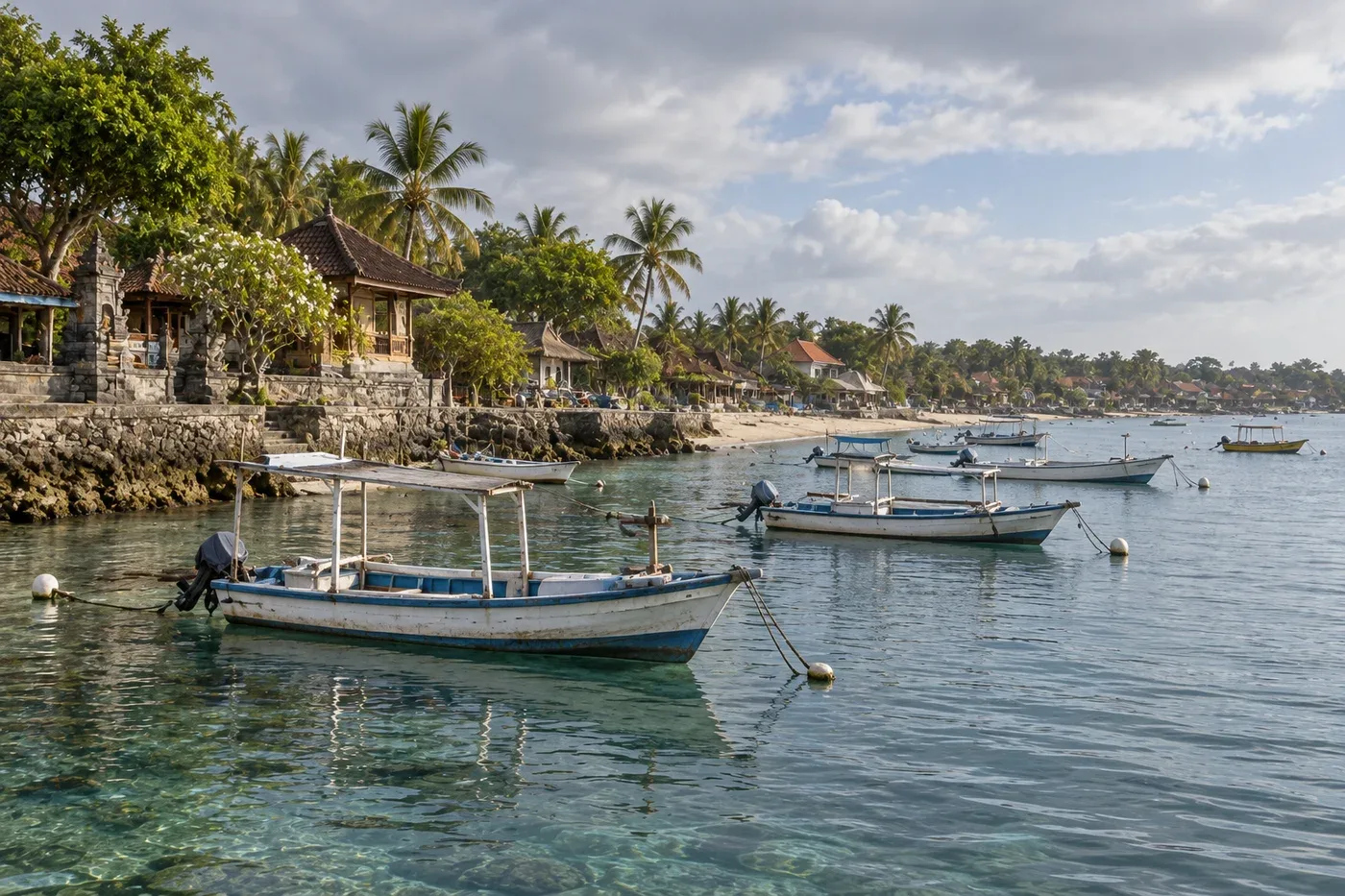
Nusa Lembongan combines boat-access island travel with compact village areas, coastal viewpoints and marine activities. It is smaller than Nusa Penida, but a short map distance does not make every path easy or every cove suitable for swimming. Decide whether you want a relaxed stay or a tightly organised day trip, then choose accommodation and activities around the actual boat landing. A few nights allow time for the island’s different settings without rushing between departures. The ten choices below include the nearby bridge-linked Nusa Ceningan as a clearly identified excursion. Sea conditions determine crossings and water activities, while local restrictions and visitor arrangements can change independently of a hotel or tour booking.
Nusa Lembongan: quick answers
- Overview
- Nusa Lembongan combines boat-access island travel with compact village areas, coastal viewpoints and marine activities.
- Season
- The drier season is a common time to visit, but suitable boat and snorkeling conditions must be assessed independently.
- Getting around
- Book the correct sea crossing from Bali and confirm the island landing point with your accommodation.
1. Jungutbatu’s village and beachfront
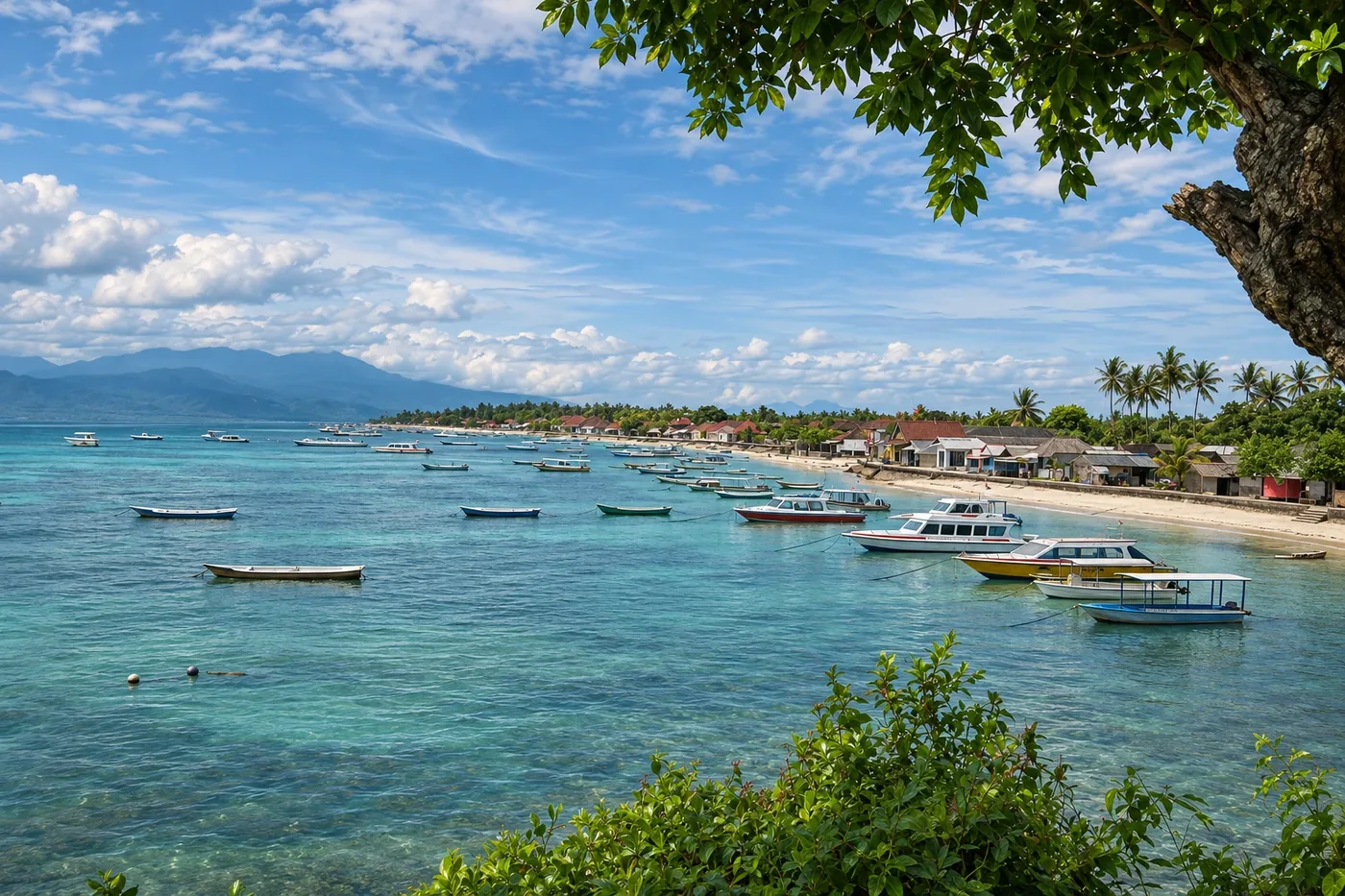
Jungutbatu provides a useful first orientation, with accommodation, meals and boat activity along the village’s coastal setting. A walk helps you understand where your lodging sits relative to services and the actual landing area. Give working boats and crews space, and do not assume all waterfront sections form a continuous unobstructed promenade. Stop for a meal and enjoy the view rather than immediately hiring transport for a full-island circuit. At night, check the route back to your accommodation, since steps, sand and uneven paths may be less straightforward than they seemed in daylight.
2. A guided mangrove-forest visit
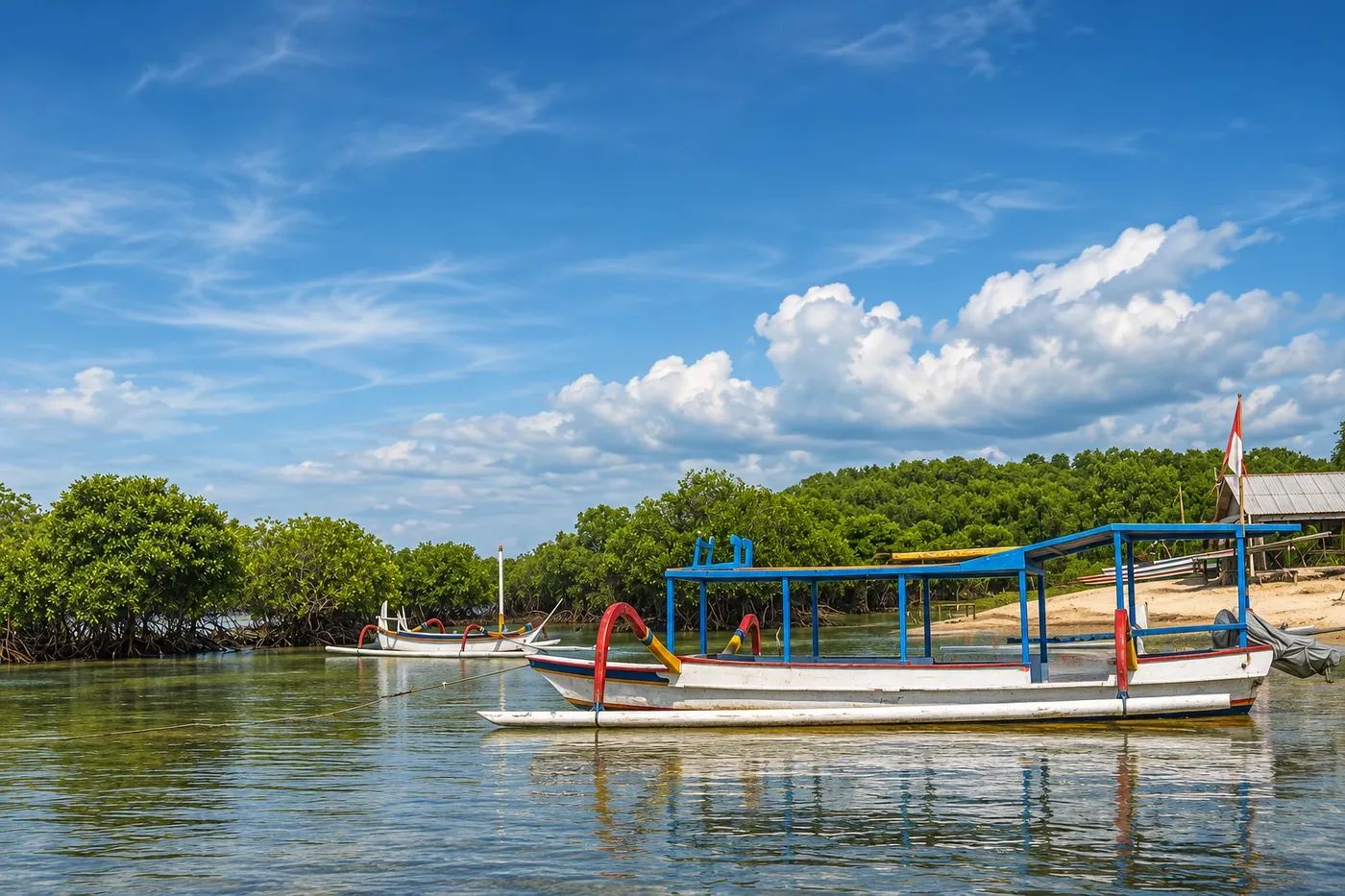
The mangrove area on the island’s northeastern side offers a quieter contrast to exposed coastal viewpoints. Arrange a locally guided boat or another suitable activity and ask how tide and weather affect the route. A gentle channel outing is different from independent open-water paddling. Follow instructions around roots and wildlife, and avoid reaching into the vegetation for a photograph. Clarify the meeting point, duration and return transport before setting off. This can form the main nature activity of a relaxed morning rather than an afterthought squeezed between several beach stops.
3. Mushroom Bay for a slower shore visit
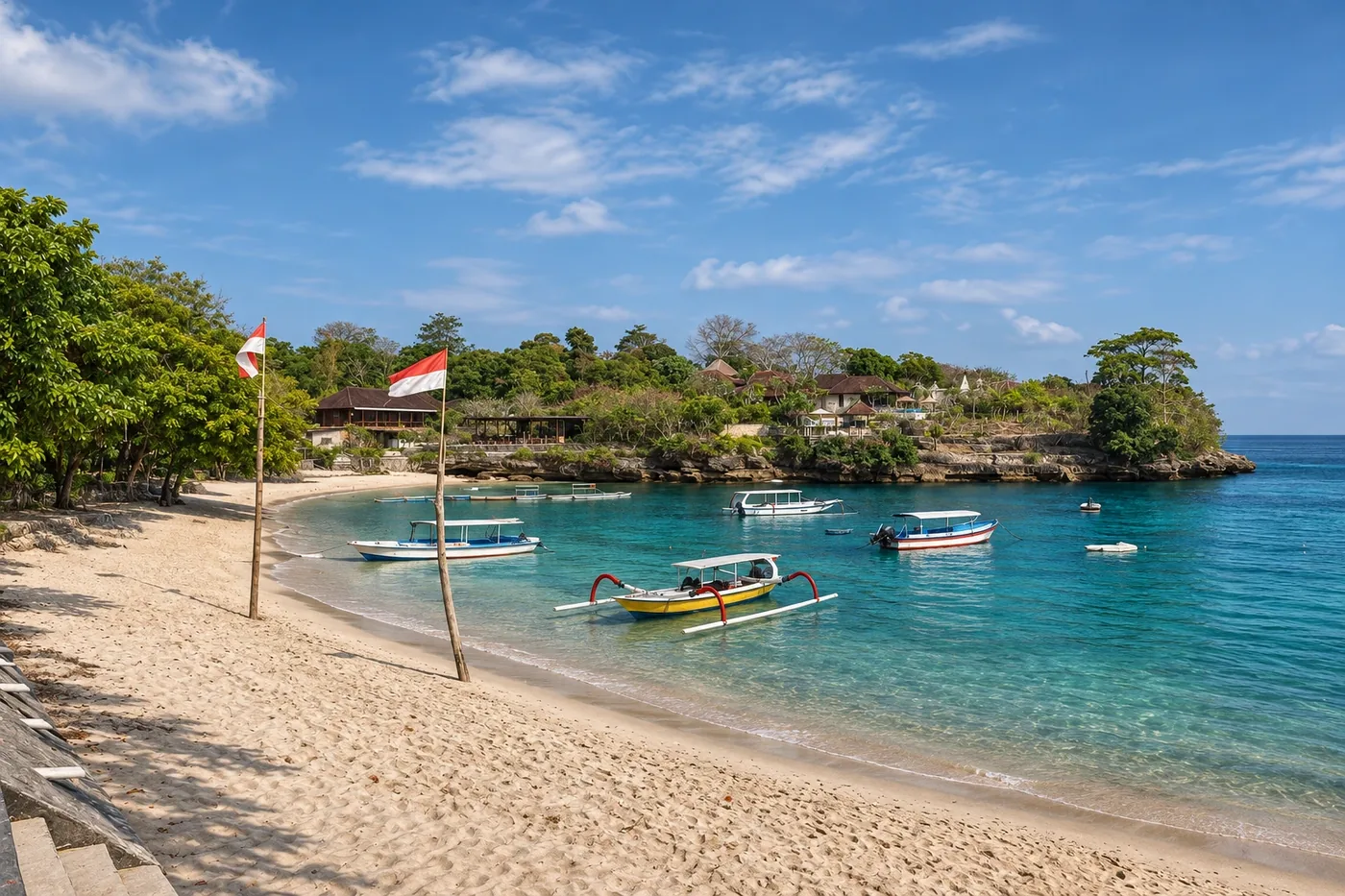
Mushroom Bay can suit a meal, a view and an unhurried pause, but it is also a place where visitor boats and local activity affect the shoreline. Check the current conditions and designated areas before entering the water; a reputation for sheltered scenery is not a blanket assurance of safe swimming. Confirm whether your boat arrives here or elsewhere on the island rather than assuming the bay name covers all landing points. A shore-focused visit is a useful alternative for companions who do not want a water activity or a longer cliffside walk.
4. Dream Beach from appropriate viewpoints
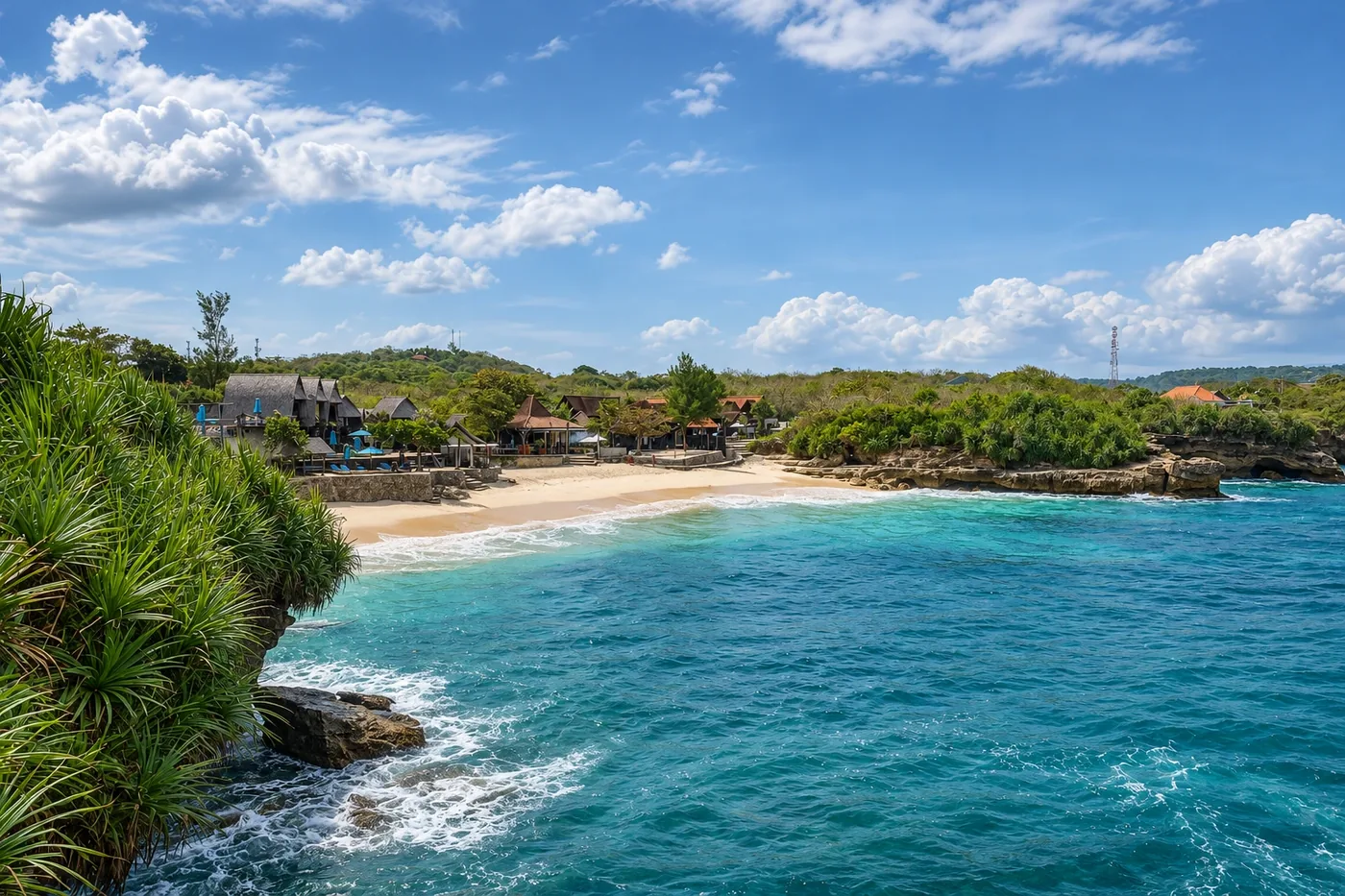
Dream Beach offers a small cove and cliff setting that can be appreciated without committing to a swim. Surf and shore break can make the water unsuitable even when the sand looks inviting. Ask about current warnings and keep away from breaking waves and cliff edges. Steps, sun exposure and the return climb should be considered for anyone with mobility limitations. Combine the visit with one nearby southwest-coast stop rather than adding a succession of similar coves, and leave space for a comfortable meal instead of treating the whole coastline as a checklist.
5. Devil’s Tear behind current barriers
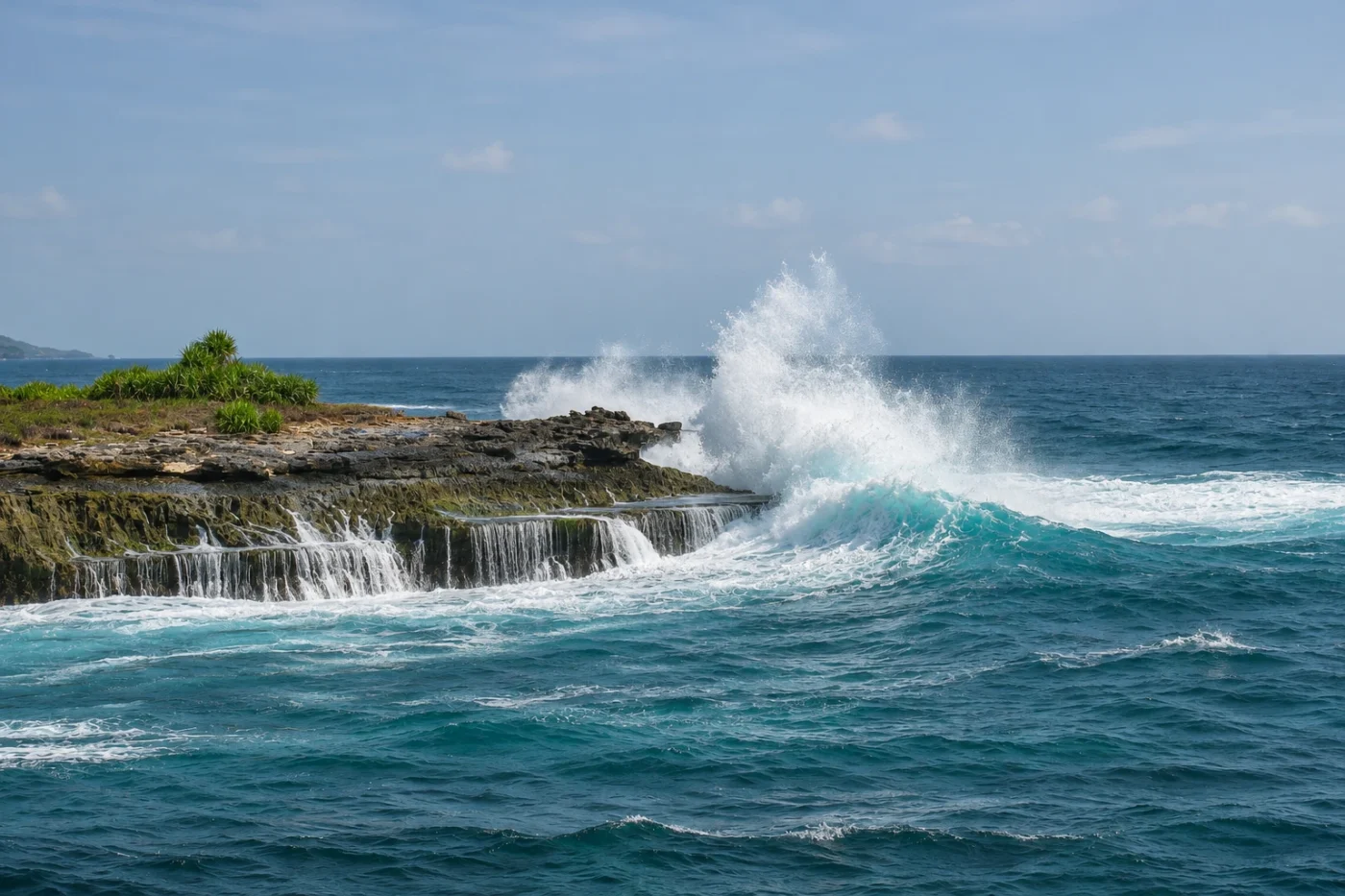
Devil’s Tear is a place to watch the sea from the permitted viewing area, not to approach the spray for a dramatic portrait. Waves can surge beyond the point that appeared dry a moment earlier. Respect barriers and warning signs, supervise children closely and keep your attention on the sea while moving around the rock. Do not enter the water or turn an old photograph into evidence that a position is safe today. The attraction can be memorable from a substantial margin, and unsuitable conditions are a reason to choose another stop.
6. A responsible snorkeling outing
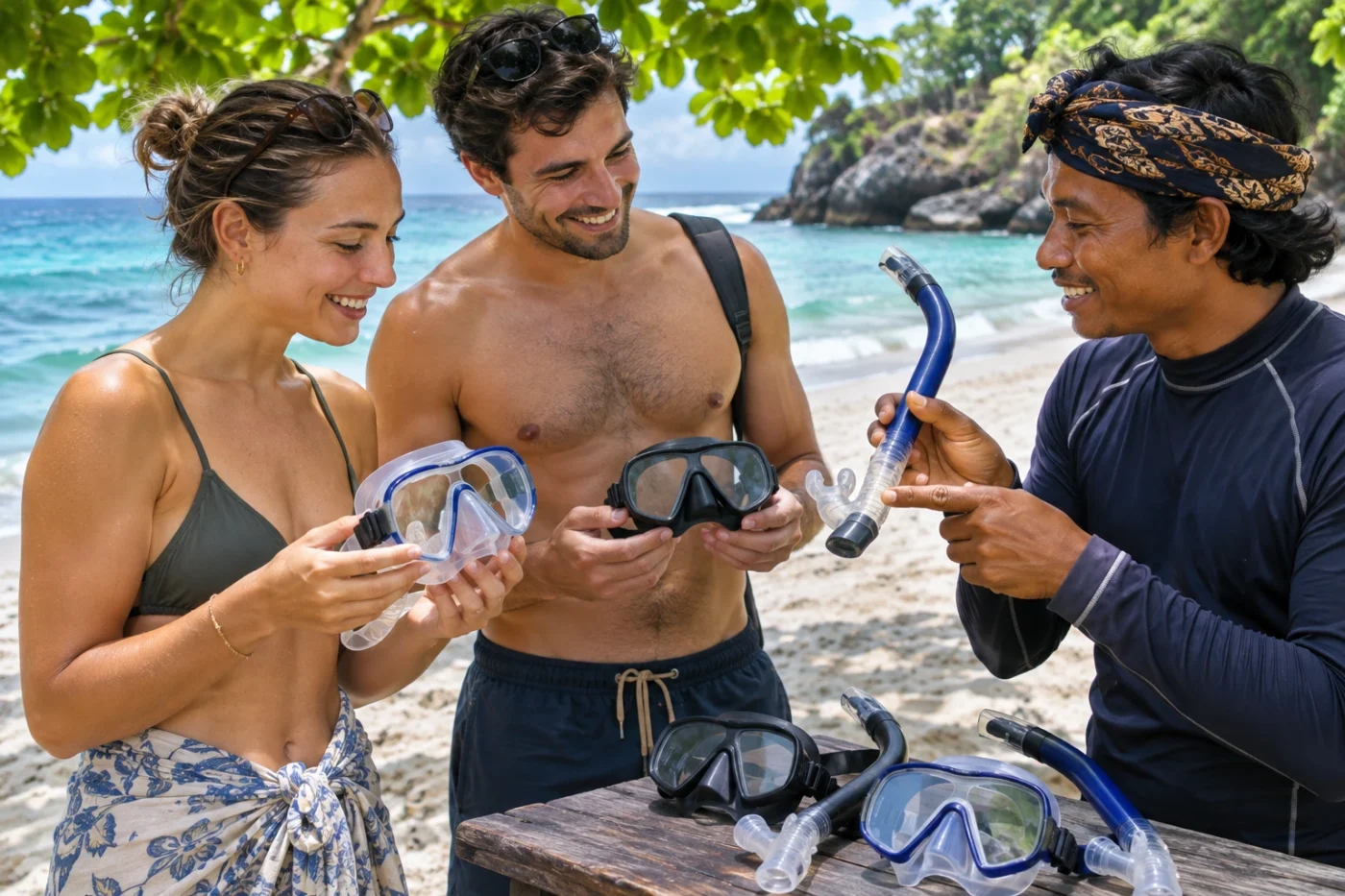
Choose a provider that assesses the day’s sites and gives clear information on swimming ability, equipment, guide supervision and boat boarding. Reefs around the islands can be affected by strong currents, and a scenic name such as Mangrove Point does not describe the whole risk profile. Do not touch coral, stand on the reef or chase wildlife. Ask whether transport and all visitor arrangements are included, and keep the land itinerary light afterwards. A marine outing deserves its own time rather than being added to a full cliff-and-beach circuit.
7. Diving suited to your qualification
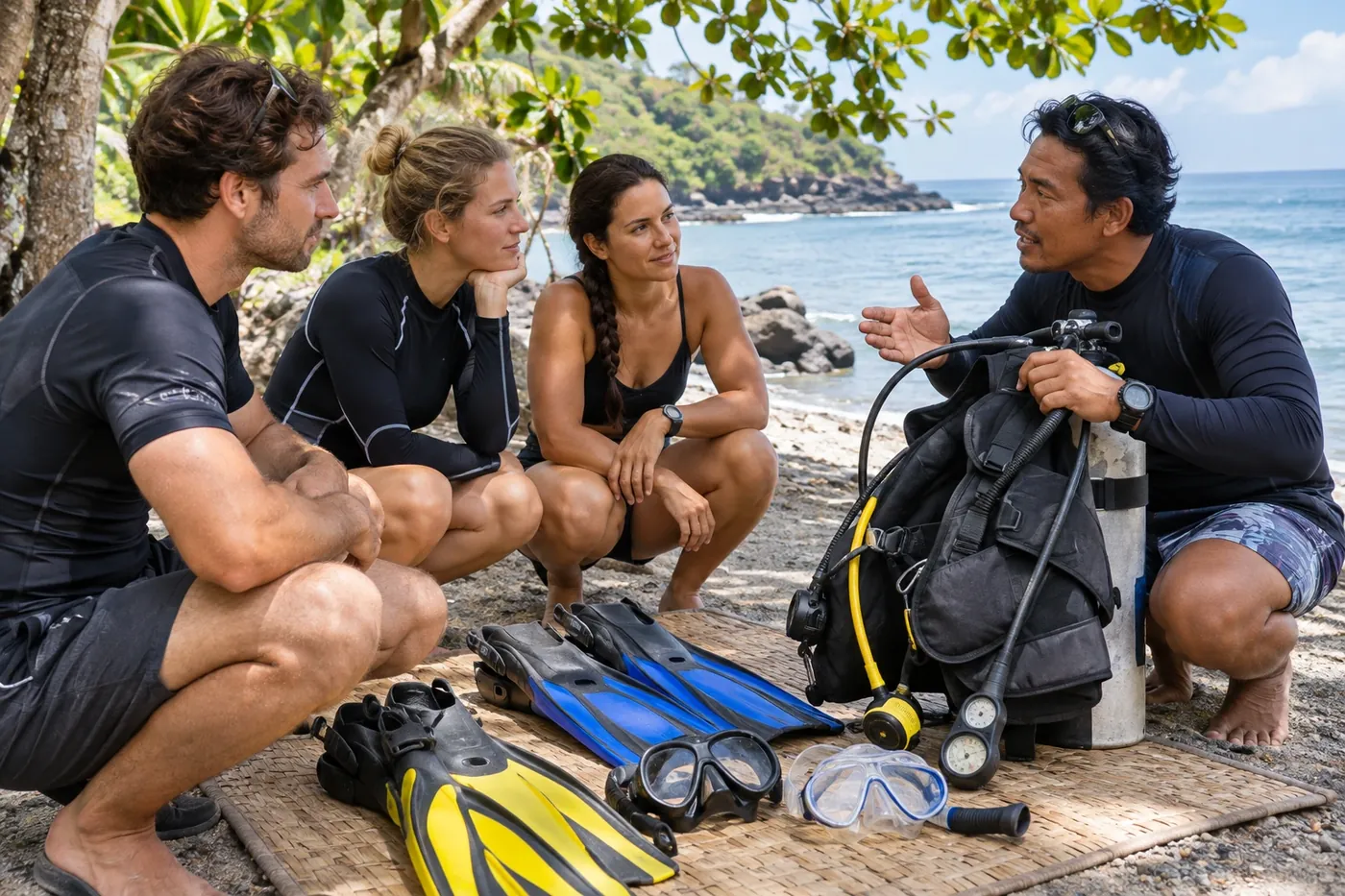
Certified divers can use Lembongan as a base for guided dives selected according to experience and conditions. Provide your qualification, recent dive history and equipment needs before choosing a programme. A famous manta or sunfish site is not automatically appropriate for a beginner, and no particular animal can be guaranteed. Introductory experiences should be explicitly instructor-led and matched to the participant. Check the complete day’s timing and follow professional guidance on flying after diving. Non-diving companions need their own suitable plan rather than assuming every dive boat provides a sightseeing service.
8. An experienced-surfer session with local advice
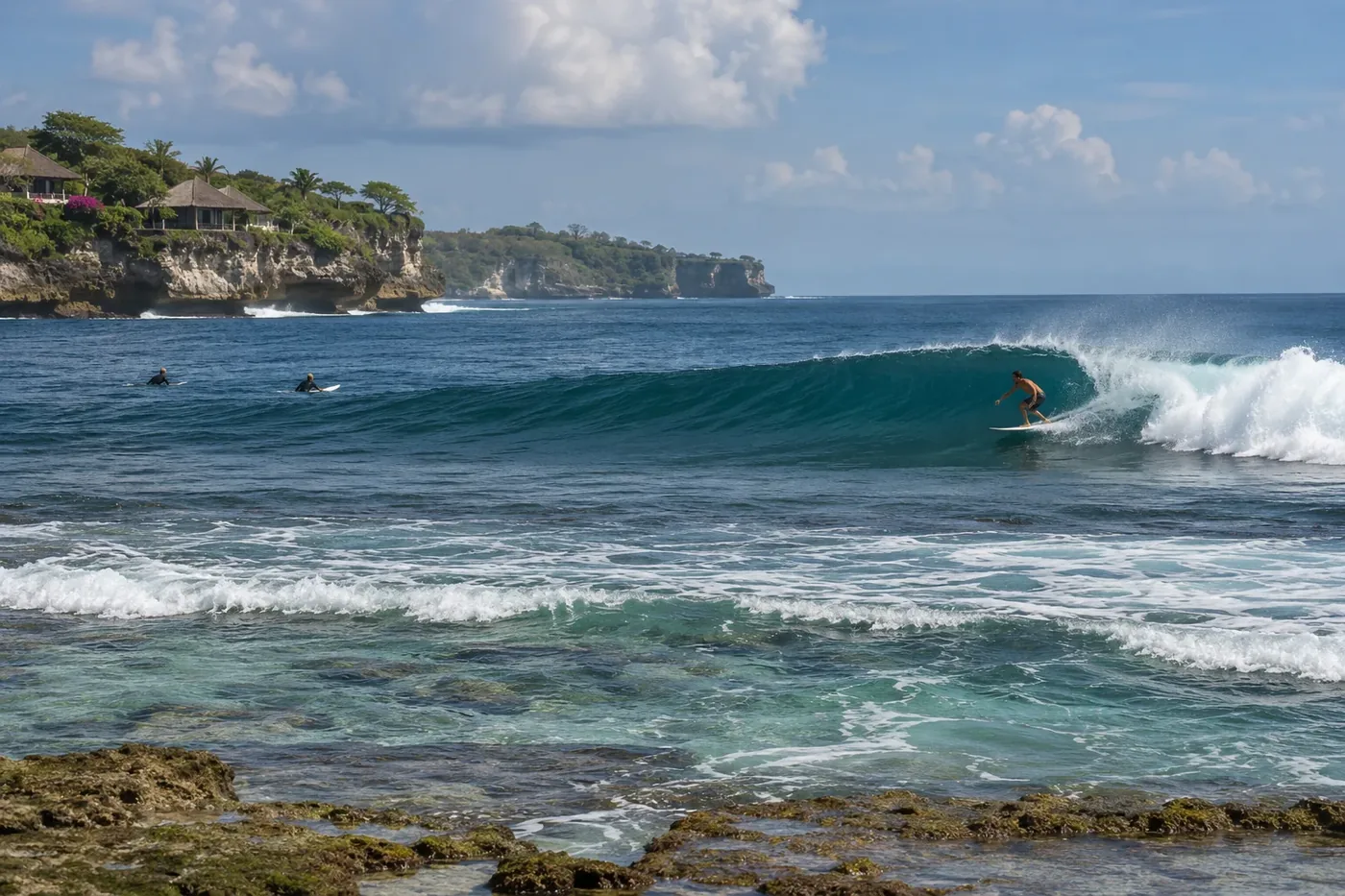
The island’s reef-break surfing is a different undertaking from a beginner lesson on a sandy beach. Break names such as Shipwrecks and Lacerations should prompt a discussion of experience, tide, current and entry arrangements rather than an assumption that a rental board is enough. Ask a qualified local provider what is suitable on the day and be prepared to remain ashore. Watch the lineup first, respect local etiquette and keep clear of boat routes. If learning is your goal, choose an explicitly suitable lesson rather than a famous break.
9. Yellow Bridge and a Ceningan excursion
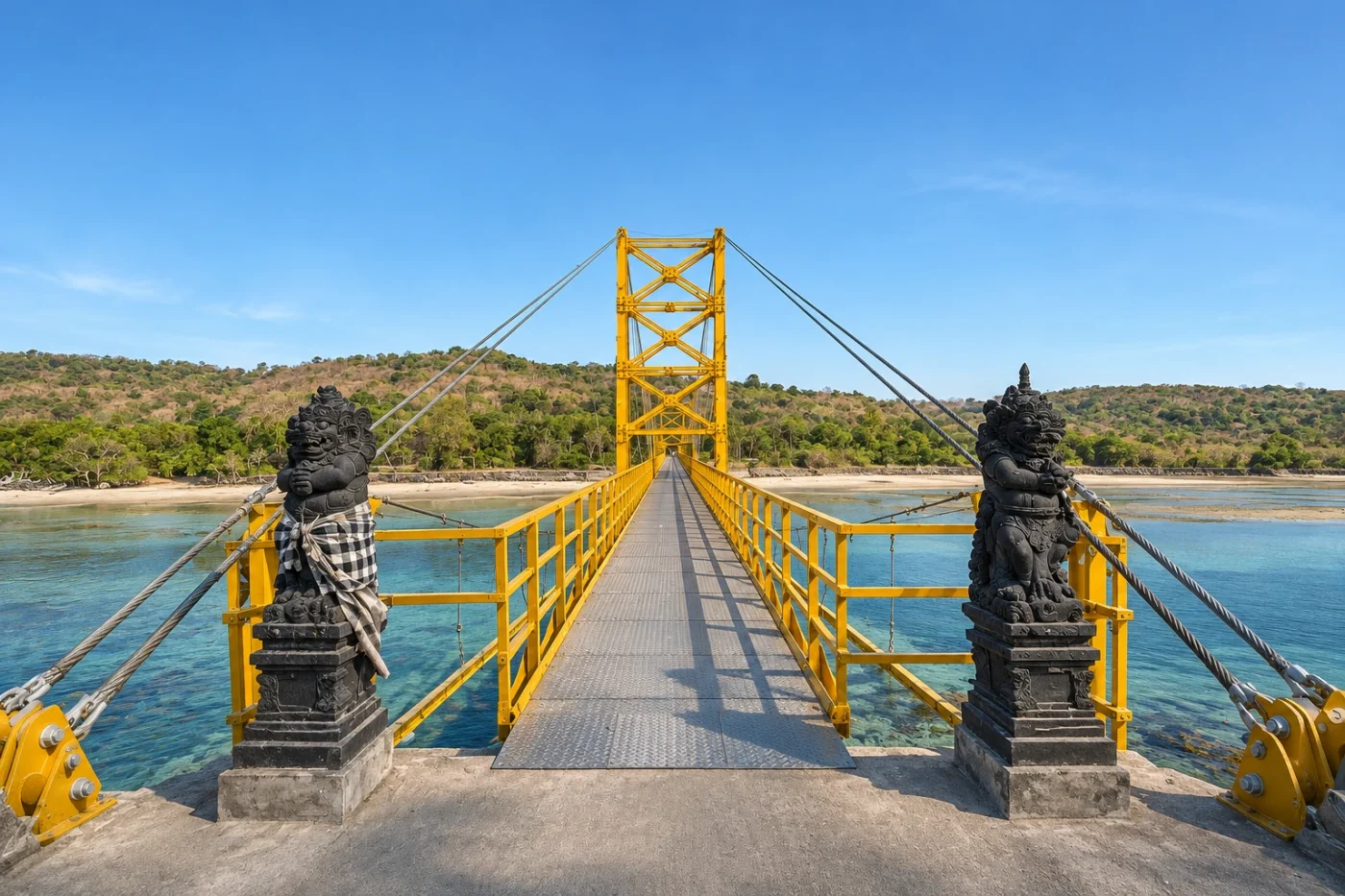
The bridge connects Lembongan and Ceningan, making a visit to the smaller island possible without another open-sea crossing. It is still a narrow shared space, so give way, move patiently and do not stop in the middle for photographs. Once across, choose a modest Ceningan route and allow for steep lanes and the return. A coastal view and a meal can be enough. Do not treat Blue Lagoon or any other exposed cove as automatically suitable for swimming, and avoid expanding a short excursion into an unrealistic two-island day.
10. Observe seaweed-farming landscapes respectfully
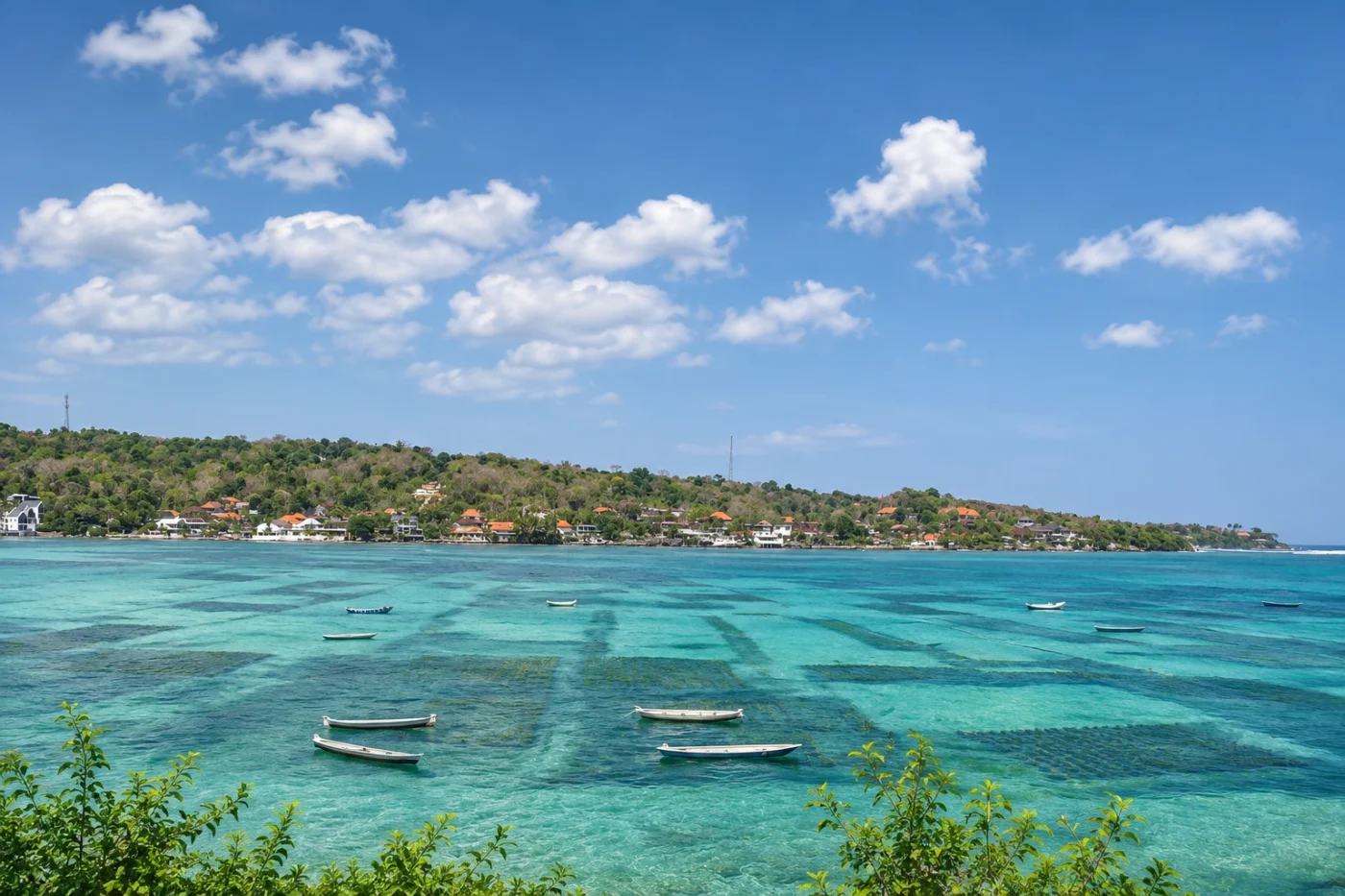
The channel between the islands and nearby shore areas offer a view into seaweed-farming activity when conditions and the working cycle allow. Observe from a permitted path or viewpoint without entering plots, handling equipment or obstructing workers. Ask a local host whether an explanatory visit is available rather than expecting farmers to interrupt their day. Tide and farming practices change the scene, so no particular pattern or colour can be promised. A conversation followed by a nearby meal can provide more understanding than briefly stopping for a photograph and immediately moving on.
Season and planning
The drier season is a common time to visit, but suitable boat and snorkeling conditions must be assessed independently. Wind, swell and currents can change plans in any season. Confirm the latest local tourism-levy or electronic-ticket arrangements and keep the boat schedule flexible around the operator’s safety decisions.
Book the correct sea crossing from Bali and confirm the island landing point with your accommodation. Local transfers may involve narrow roads, steps or beach access. Yellow Bridge links Ceningan but not Penida. Leave a buffer before flights and do not assume a crossing continues simply because the weather at your hotel looks pleasant.
Suggested pace
One day: a focused introduction
Choose a focused shore-and-viewpoint route with an unhurried meal, or book one appropriate marine outing. Keep the return-to-boat transfer simple and do not add a full Ceningan circuit.
Two days: add a contrasting experience
Use one day for a mangrove or marine activity and another for the southwest coast and village time. A modest Ceningan visit can replace a sightseeing block rather than being added on top.
Three days: explore at an easier pace
Add a separate Ceningan outing or a second carefully selected water activity. Keep departure day light, and use the longer stay to accommodate weather rather than book every hour.
Related Bali guides
Nusa Ceningan
Explore Nusa Ceningan with ten practical experiences, seasonal advice, transport planning and realistic one-to-three-day itineraries.
Nusa Penida
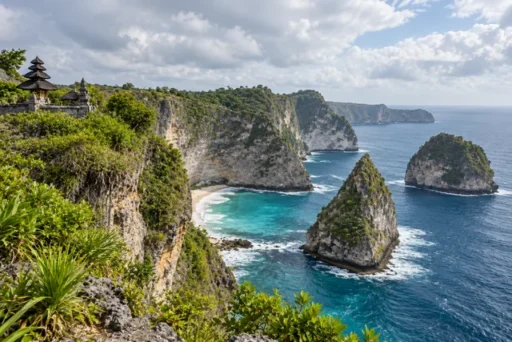
Explore Nusa Penida with ten practical experiences, seasonal advice, transport planning and realistic one-to-three-day itineraries.
Sanur
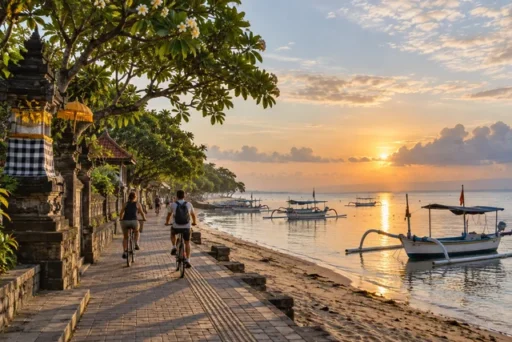
Explore Sanur with ten local experiences, realistic itineraries, transport advice and seasonal planning for a Bali stay.
Questions and answers
Is Lembongan suitable without a scooter?
It can be, with a well-chosen accommodation area and arranged local transfers. Check actual steps and road connections rather than relying on short map distances.
Can I walk to Nusa Penida?
No. The bridge links Lembongan and Ceningan only. Penida requires a separate boat journey.
Is Dream Beach safe for swimming?
Do not assume so. Shore break and currents can be strong; follow current local advice and warnings.
Do boat tours guarantee manta rays?
No. Wildlife and sea conditions determine what is possible, and a responsible provider may change the route.
Where to stay in Nusa Lembongan
Sources and further reading
Use the responsible authority or provider for current access, availability and booking details.