10 Best Things to Do in Tulamben
Written 26 October 2026 · BaliTop10
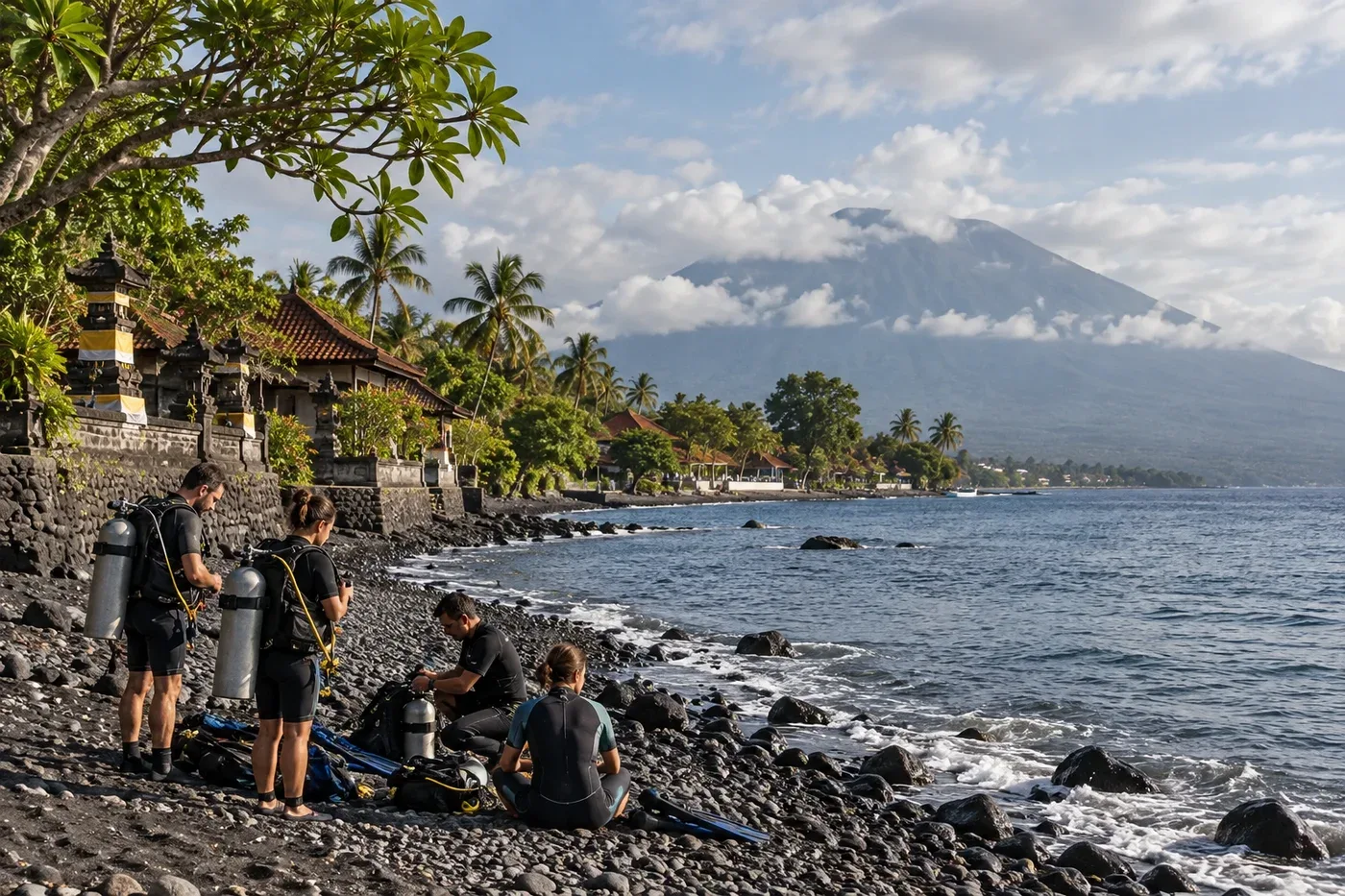
Tulamben is primarily a diving base on Bali’s northeastern coast, with a stony shore and an underwater landscape that attracts repeat visitors. It works best as a deliberate marine stay rather than a beach-resort stop chosen for sand and swimming. The USAT Liberty wreck is the best-known attraction, but training, conditions and shore-entry skills shape the experience more than the wreck’s reputation. Stay near the centre you intend to use, allow time to rest between dives and keep a land-based alternative for travelling companions or unsuitable sea conditions. A wider Karangasem excursion can add gardens, village life and scenery without promising that everything is close to the beach.
Tulamben: quick answers
- Overview
- Tulamben is primarily a diving base on Bali’s northeastern coast, with a stony shore and an underwater landscape that attracts repeat visitors.
- Season
- Drier weather can make walking and shore access more comfortable, but rainfall, swell and local conditions still matter throughout the year.
- Getting around
- Choose your stay in Tulamben by its actual location and the activities you intend to use.
1. USAT Liberty wreck exterior dive
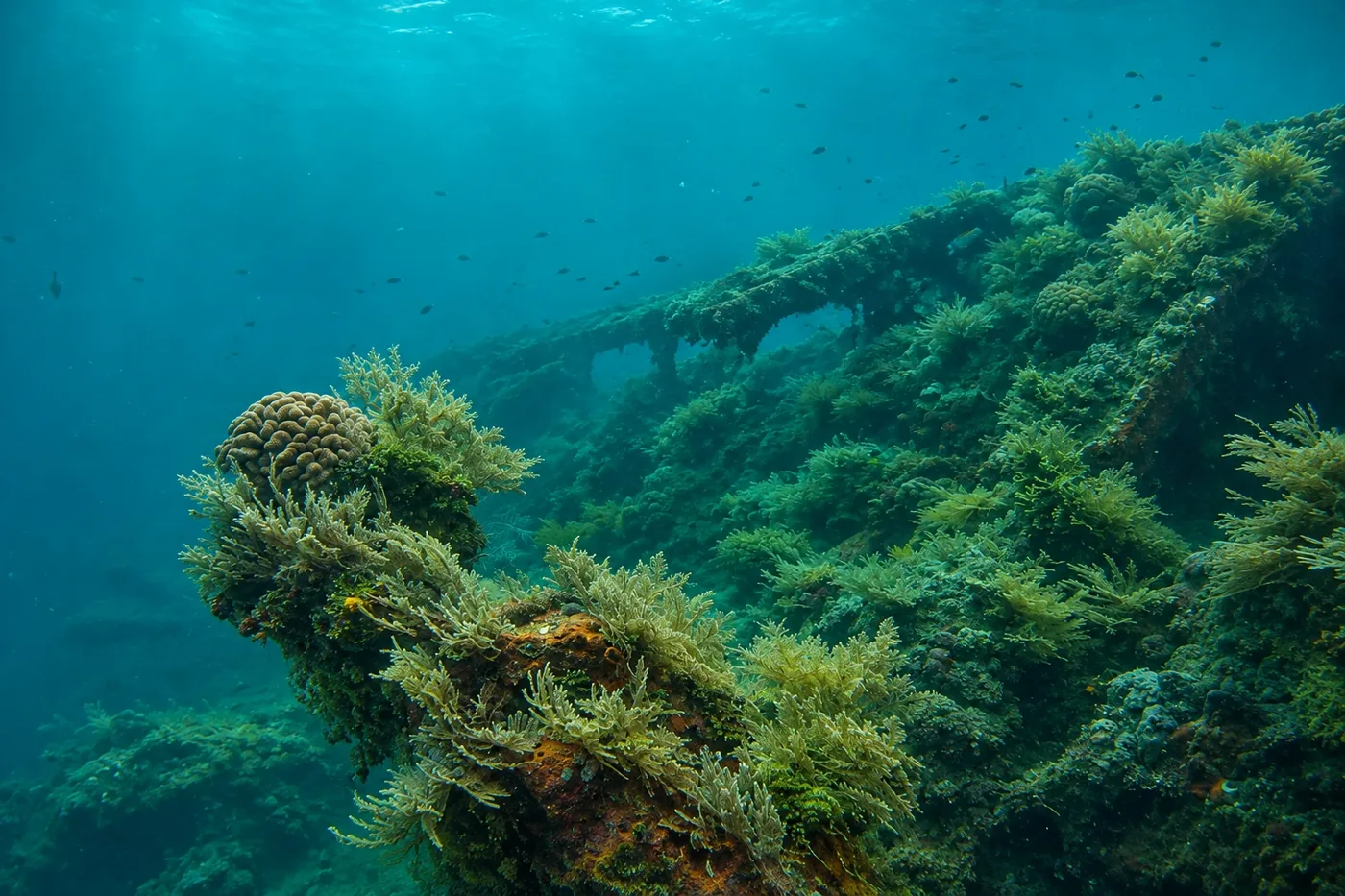
The Liberty is Tulamben’s signature dive site, but a famous shore wreck is not automatically suitable for every diver. Discuss depth, entry, recent experience and conditions with the operator. Exterior exploration can be rewarding without entering an overhead space. Do not remove objects or touch the wreck, and manage buoyancy carefully around both metal structure and marine life. Ask about the route and return entry, especially if carrying equipment over stones concerns you, and choose a quieter suitable schedule rather than making a crowded departure time essential.
2. Tulamben Coral Garden

A guided Coral Garden dive can introduce a different underwater environment from the wreck. Ask the centre which route it proposes, the expected conditions and how it matches your qualification. Stay clear of living coral and avoid resting equipment on the bottom. Good buoyancy and an unhurried pace are more useful than trying to collect photographs at every feature. An experienced guide can point out smaller animals without disturbing them, making this a useful slower session even when the wreck receives more attention in visitor advertising and photographs.
3. Tulamben Drop-Off

The Drop-Off is another established name to discuss with a local diving professional. Its wall setting offers a different profile from the shallower reef or wreck area, so compare the actual planned depth and current. Do not book it merely as the next item in a standard package if it is outside your experience or comfort. Ask the centre to explain the planned turning point and gas arrangements in language you understand, and decline a proposed profile that relies on experience or training you do not possess.
4. A supervised first scuba experience
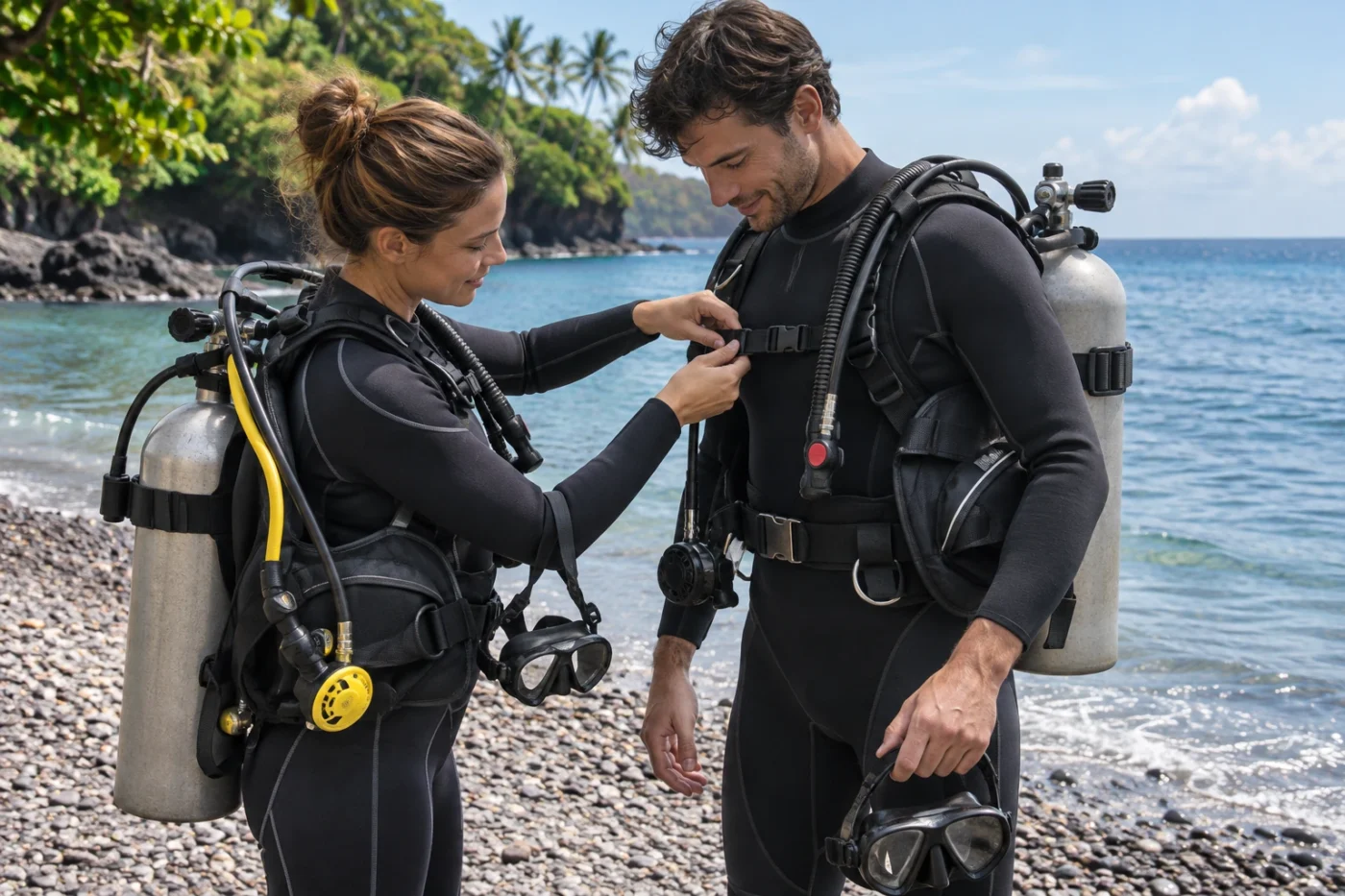
Beginners can investigate a controlled introductory session through a qualified centre rather than independently attempting a celebrated wreck. Ask where the first skills take place and whether the programme includes instruction before any open-water activity. Medical screening, confidence in water and the instructor’s suitability assessment matter. An introductory session does not confer a diving certification. Give the instructor an honest account of health and confidence rather than assuming that proximity to the beach makes scuba a simple extension of ordinary swimming or casual holiday snorkelling.
5. A buoyancy or photography workshop

Repeat divers can use Tulamben for a focused skill session instead of adding more depth. Buoyancy, trim and considerate underwater photography can improve both the experience and its impact on a fragile site. Agree a clear teaching goal with the centre. Photograph marine life where found, without moving animals or repeatedly lighting a subject to force a shot. Arrange the session around one or two specific skills so you can understand the progress, rather than expecting an ambitious photography brief to replace the fundamentals of safe considerate diving.
6. Batu Niti or Seraya site planning

Centres may offer additional sites in the wider Tulamben and Seraya area, including outings focused on small marine life. Ask the provider to explain the actual site, entry and conditions rather than treating an area name as one fixed route. A locally selected alternative may be preferable when the main wreck is crowded or unsuitable. Keep the schedule adaptable so the professional can choose the site for the group rather than defend a marketing itinerary whose conditions no longer match the water that day.
7. Tulamben pebble-shore observation

A quiet shore visit helps non-divers understand the setting and the practical effort of entering over stones. Watch from a position that does not obstruct dive groups carrying equipment. Wear footwear appropriate to the surface and do not infer that watching divers enter makes independent swimming sensible. The beach is a working access point as well as a coastal landscape. Choose a comfortable shaded break and stay clear of the busiest access strip, giving yourself a useful land-based perspective on why operators take time over briefing and equipment preparation.
8. Amed salt and coastal communities

A planned land excursion towards Amed offers salt-production heritage and fishing-village scenery. Arrange any producer visit rather than expecting a demonstration to happen on demand. Select a few coastal stops and have lunch locally, leaving the remainder of the day relaxed. This complements a diving stay without requiring another demanding marine session. Ask which producer or village stop is actually welcoming visitors that day, allowing the plan to reflect real activity rather than assuming every coastal business operates as a permanent attraction.
9. Tirta Gangga water gardens
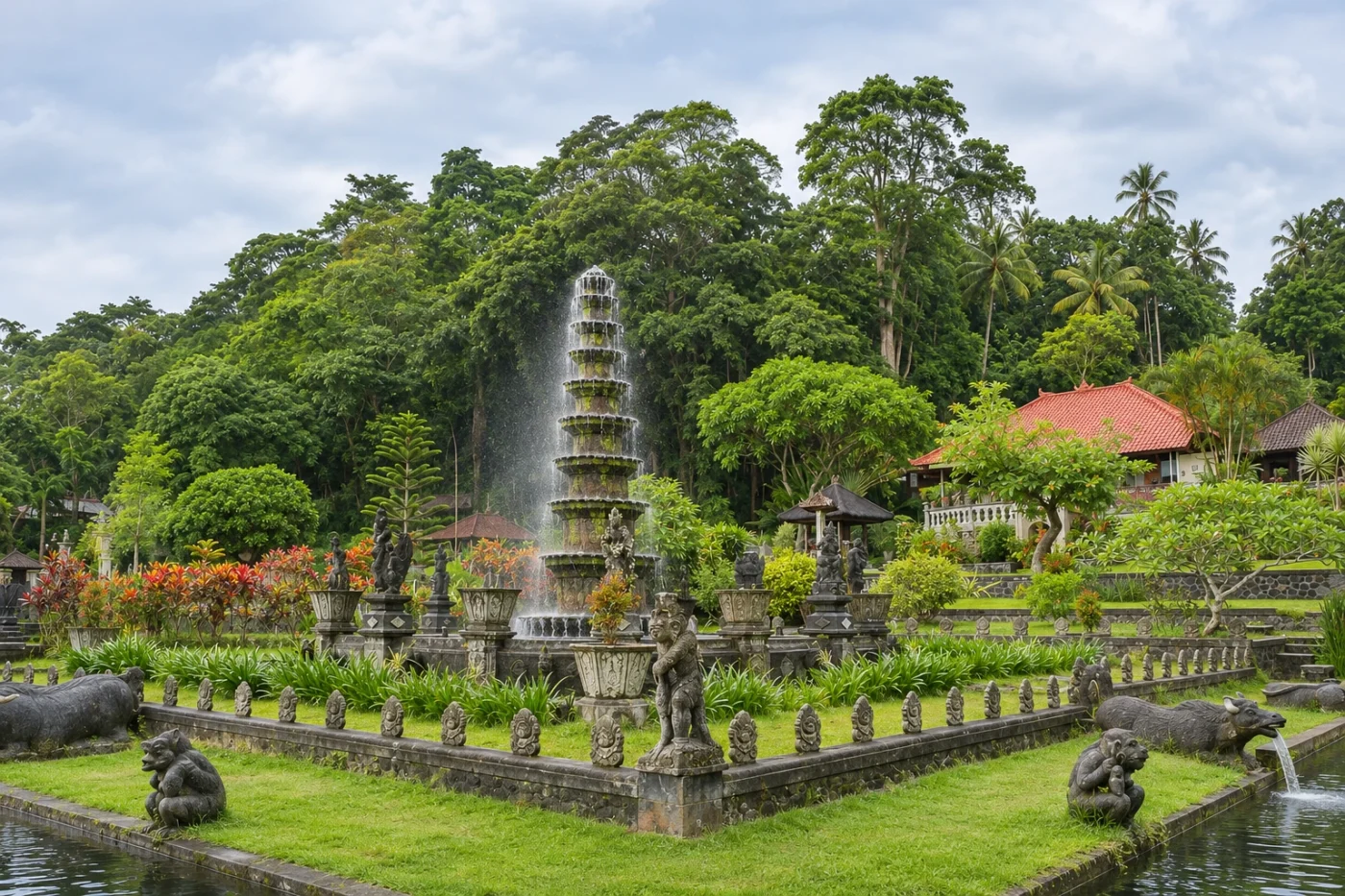
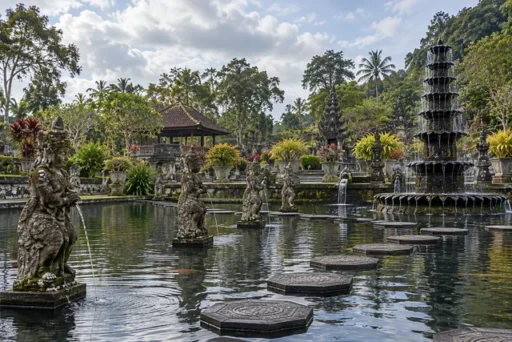
The gardens at Tirta Gangga provide a different Karangasem landscape for a rest day or non-diving companion. Treat the drive and garden visit as a deliberate outing, with appropriate footwear for wet paving and steps. Respect the managed routes around pools and allow time to enjoy the landscaping rather than only joining a queue for stepping-stone photographs. Keep cameras and bags secure around water and respect narrow shared paths, especially where visitors waiting for photographs can make a simple walk through the gardens much slower than expected.
10. Karangasem palace and town visit

Amlapura and the Karangasem palace setting can add architectural and cultural context to a longer stay. Check visitor access to the palace and distinguish public areas from private or ceremonial spaces. Combine it with a realistic town stop and meal rather than rushing through several eastern attractions before returning late to an early dive schedule. A local explanation of palace access and neighbouring streets can make a modest outing more meaningful than a long unstructured drive, leaving enough rest before the next planned water session.
Season and planning
Drier weather can make walking and shore access more comfortable, but rainfall, swell and local conditions still matter throughout the year. Mount Agung views are weather-dependent. Keep a land alternative for marine days and check local advice before entering water, climbing steps beside a waterfall or setting out on a longer rural walk.
Choose your stay in Tulamben by its actual location and the activities you intend to use. A destination name can cover scattered accommodation and meeting points. Arrange longer road outings with a suitable driver or an included transfer, confirming pickup, waiting and the return. Traffic, roadworks, weather and ceremonies can affect timing. Do not assume ride-hailing availability, a comfortable pedestrian route or a quick connection merely because two places look close on a map.
Suggested pace
One day: choose a coherent introduction
Use the first part of the day for USAT Liberty wreck exterior dive, allowing the time and preparation that experience needs. Choose one suitable nearby stop from the list rather than treating all ten as a daily route. Leave a meal break and a comfortable return to your accommodation, with a quieter alternative if weather or access changes.
Two days: add a contrasting experience
Keep the first day focused on the local introduction. On the second, consider Tulamben Coral Garden and one complementary cultural or landscape stop, using the actual route and current access to decide the order. If your chosen activity occupies much of the day, leave the evening relaxed instead of trying to recover missed checklist items.
Three days: leave room for conditions
Add a third day for Tulamben Drop-Off, a longer activity discussed with a qualified provider, or one of the clearly identified regional excursions. Do not combine all three options. Keep a reserve block for weather and confirm your onward transport with a generous margin; traffic and winding roads can make a transfer less predictable than its map distance suggests.
Related Bali guides

Amed
Explore Amed with ten practical choices, regional excursions, seasonal advice, transport notes and realistic one-to-three-day planning.
Tirta Gangga and Ababi
Explore Tirta Gangga and Ababi with ten practical experiences, seasonal advice, transport planning and realistic one-to-three-day itineraries.
Candidasa
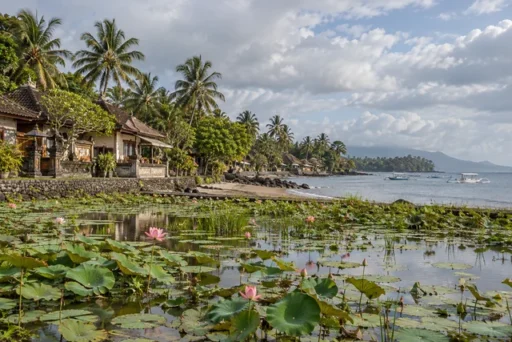
Explore Candidasa with ten practical choices, regional excursions, seasonal advice, transport notes and realistic one-to-three-day planning.
Questions and answers
How long should I stay in Tulamben?
Two or three nights give room for a local introduction, one more substantial outing and some flexibility. A short day visit can work, but should use a small selection rather than attempt all ten suggestions.
Do I need to ride a scooter?
No. Choose accommodation around the places you want to reach and arrange suitable transfers or a driver for farther outings. Confirm the actual route and pickup rather than assuming every attraction is walkable.
Are the ten ideas a one-day itinerary?
No. They are choices for different interests, abilities and conditions. Some are clearly identified regional excursions, while a marine activity or longer walk may occupy most of a day by itself.
Should I rely on a fixed price or opening time?
Check current visitor arrangements directly with the manager or provider before travelling. Access, religious activity, weather and operating programmes can change, so this guide does not promise an unverified price or schedule.
Where to stay in Tulamben
Sources and further reading
Use the responsible authority or provider for current access, availability and booking details.