10 Highlights to Choose From for One Week in Bali
Written 26 October 2026 · BaliTop10
One week in Bali is enough for a rewarding first visit when the route stays selective. The ten highlights below are a menu, not ten compulsory stops or a ten-day itinerary squeezed into seven. A practical framework is three nights around Ubud and three nights at a suitable southern coast base, with arrival and departure shaping the remaining time. Choose one main outing on most days and keep a local meal or walk flexible. Traffic can make frequent hotel changes tiring, so an island crossing or distant north-coast detour deserves a clear reason. The best route depends on flight times, interests and the needs of the whole group.

1. Sanur beachfront promenade

Sanur’s seafront path links beach sections, small harbours, cafés and hotel frontages along Bali’s east-facing coast. A short section around your accommodation makes a useful introduction, while a longer walk needs a planned turnaround and a shaded break. Sunrise suits the orientation, but cloud can hide the sun. Watch for bicycles and uneven transitions, and do not treat every beach section as an interchangeable swimming area. The promenade and the harbour departure arrangements are separate parts of a visit. A nearby café makes a natural turnaround and rest point.
2. Ubud Palace visitor areas

Puri Saren Agung stands in central Ubud, where palace architecture, courtyards and the street outside introduce the town’s relationship with royal patronage and performance. Visit only the areas open to the public: this is not a licence to explore private or ceremonial rooms. A short daytime visit can be paired with nearby art institutions. Evening performances follow their own programme and ticket arrangements, so a daytime palace stop does not automatically include a dance show or a reserved seat. A local guide can add context to the public areas.
3. Museum Puri Lukisan

The collection traces Balinese painting and sculpture in a central Ubud museum setting. Move between the galleries slowly enough to compare styles and read the interpretation, rather than seeing the visit as a quick escape from the rain. Some movement takes place through gardens, so it is not an entirely indoor, weatherproof circuit. Check the institution’s latest programme and allow a comfortable transfer rather than combining several widely separated collections in one rushed afternoon. Follow any restrictions protecting artworks and ask staff when interpretation or access is unclear.
4. Jatiluwih rice-terrace paths

Jatiluwih offers a broad cultivated landscape where walking routes reveal terraces, water channels and the agricultural setting associated with Bali’s subak heritage. Choose a marked circuit according to the available time and conditions rather than assuming every path has the same distance or surface. Rice colour changes with the planting cycle, so photographs of bright green fields do not promise the same view. Ask local staff which sections are suitable that day, and give farmers and their equipment priority. A guide can explain irrigation beyond the visible terrace pattern.
5. Sari Organik-area rice-field walk

The agricultural paths north of central Ubud show a quieter working landscape of rice plots, small businesses and irrigation channels. Choose a public or clearly permitted path and remember that the fields are workplaces, not an open set for portraits. The surface can narrow beside water channels and become slippery after rain. A modest out-and-back walk with a meal stop is easier to manage than a long improvised loop. Avoid stepping into planted terraces for a different camera angle. Allow farmers to pass before stopping for a photograph.
6. Saraswati temple and lotus-pond setting
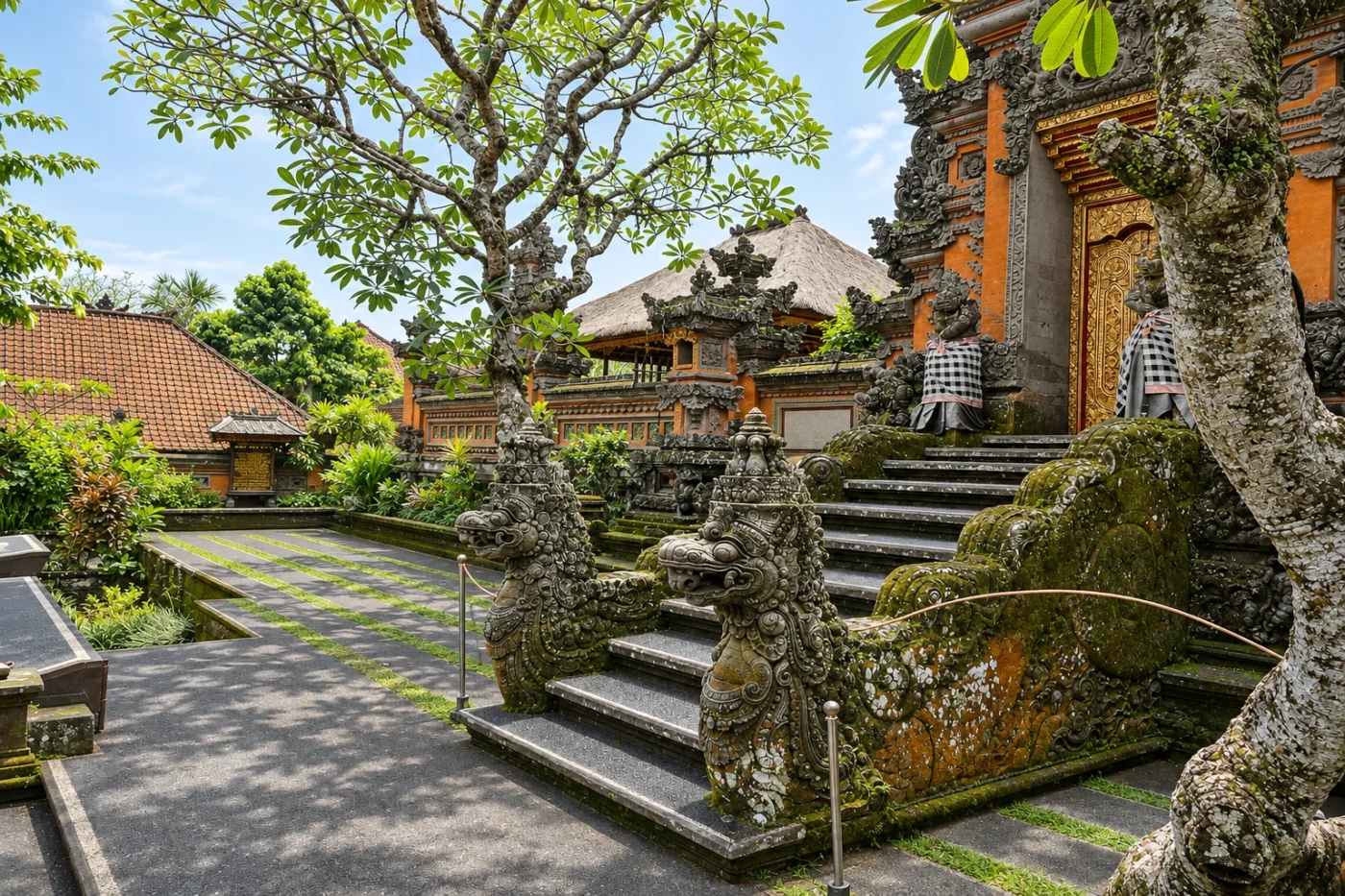
The temple-and-lotus-pond setting near central Ubud is an appealing place to look at carved gateways and the relationship between water, planting and religious architecture. It remains a sacred setting with boundaries that can change during worship or ceremonies. Follow the current entrance and clothing instructions rather than assuming that the whole complex is a public photo location. Combine it with a nearby museum or palace visit, and ask before photographing people taking part in religious activities. Patient observation can be more rewarding than staging a portrait.
7. Uluwatu temple clifftop visitor paths
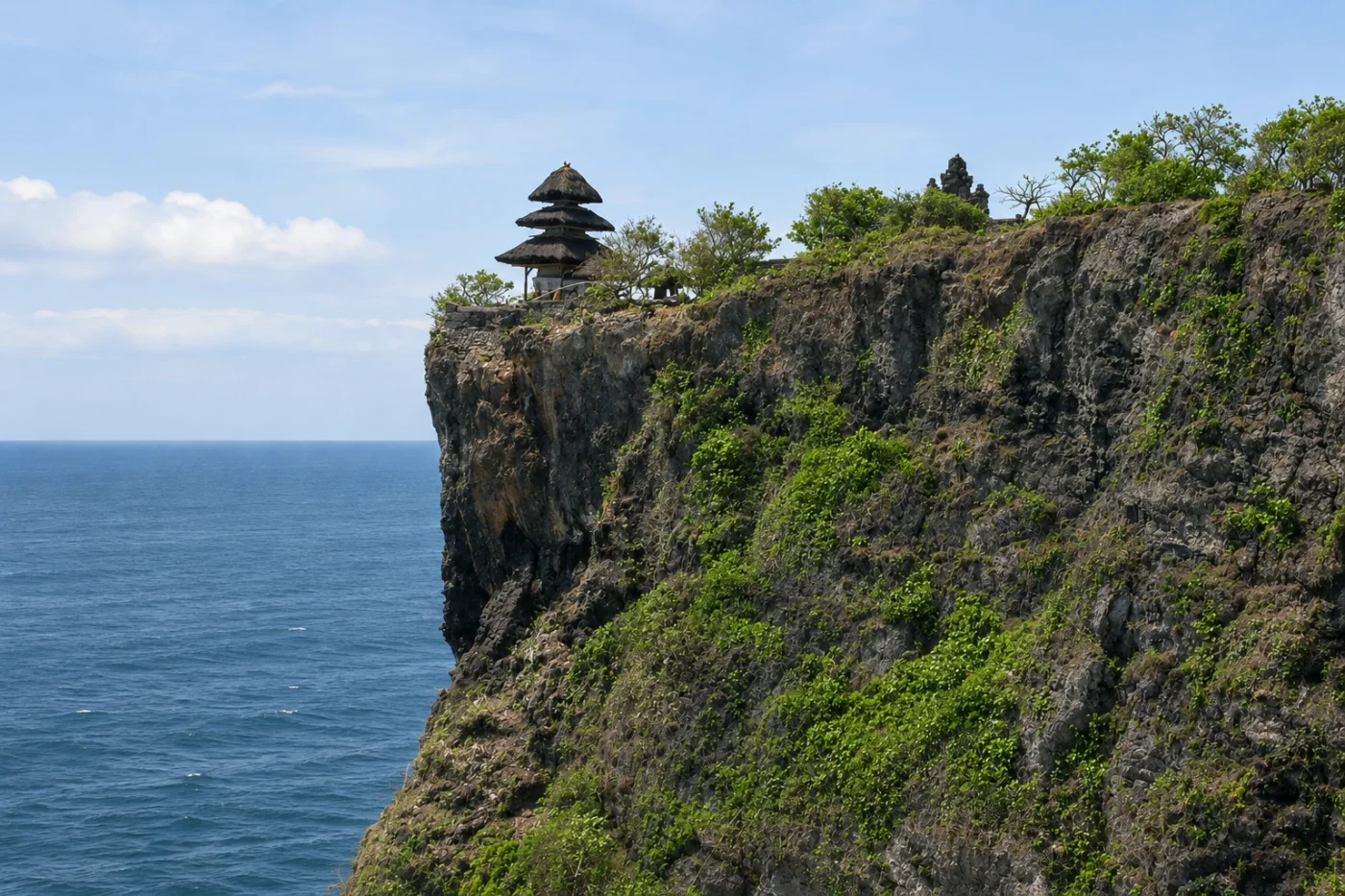
Uluwatu’s temple setting sits above the ocean on the Bukit Peninsula, with marked visitor paths and a dramatic coastal outlook. Stay back from cliff edges and use the managed route rather than looking for an unofficial ledge. Monkeys can take loose items, so secure glasses and food and follow staff advice. A scheduled kecak performance is a separate component with ticket and timing requirements. The view, sacred setting and performance should not be compressed into a rushed airport-transfer stop. Keep loose belongings secure and follow advice around monkeys.
8. Jimbaran bay shore and seafood setting

Jimbaran Bay offers a coastal setting for a walk, sunset viewing or a seafood meal, with different areas serving fishing, dining and resort activities. Pick an appropriate public access and confirm the restaurant or meeting point rather than assuming every venue sits together. Sunset colours and sea conditions are weather-dependent. If dining on the sand, ask about surfaces, seating and toilets in advance. A local evening can be more relaxed than combining a late beach meal with a distant north-coast transfer.
9. Taman Ayun temple grounds
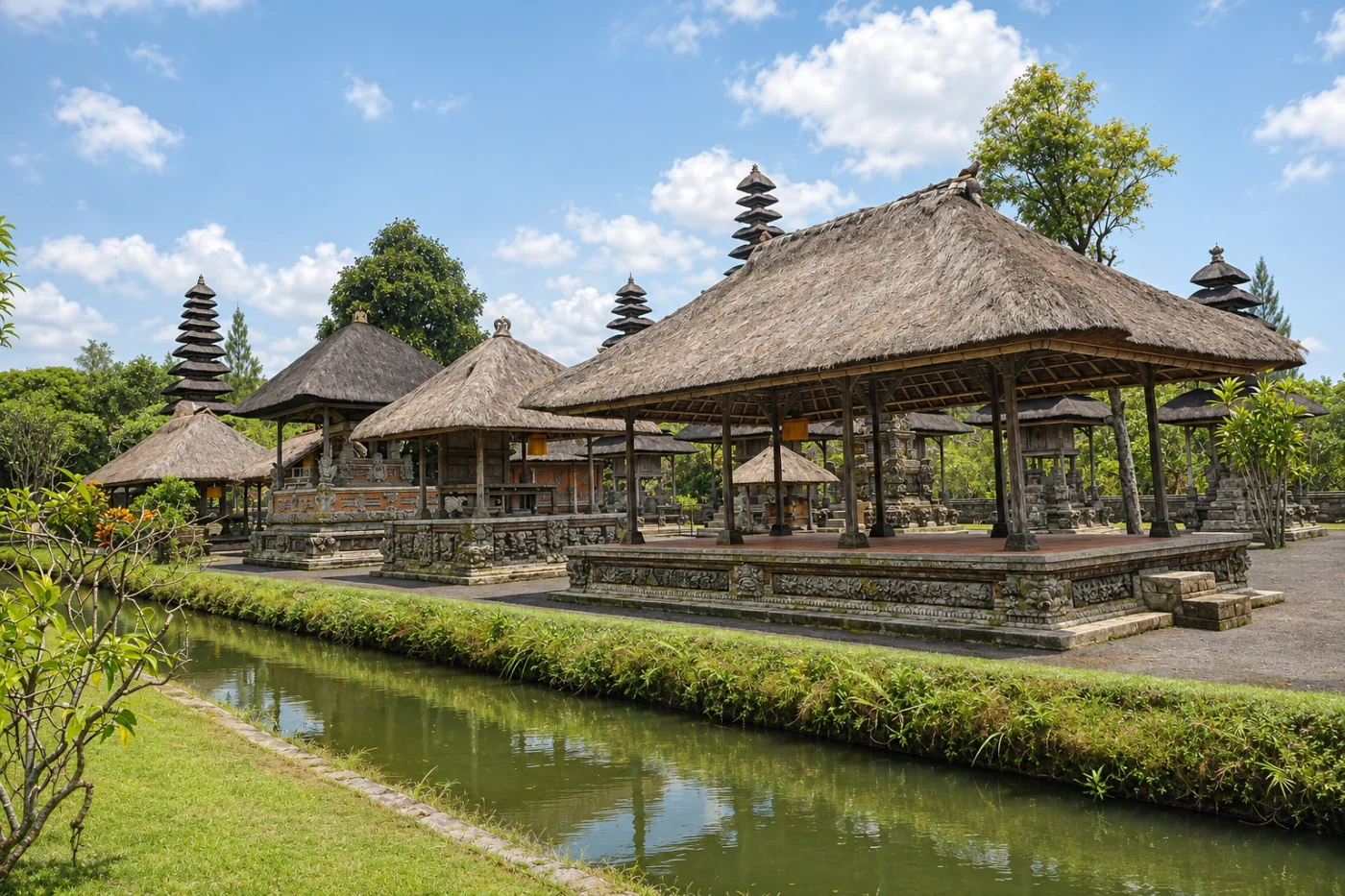
Taman Ayun in Mengwi offers landscaped grounds and views towards the temple’s tiered shrines. Visitors generally appreciate the layout from permitted outer areas rather than entering every sacred courtyard. Use the marked visitor route, follow clothing instructions and check for ceremonies that alter access. The setting can provide a calmer architecture-focused stop between busier coastal and Ubud areas, but traffic still determines the day’s travel. Do not assume an apparently short distance on the map means a quick transfer. Allow time to read the available cultural interpretation.
10. Tanah Lot coastal temple viewpoints
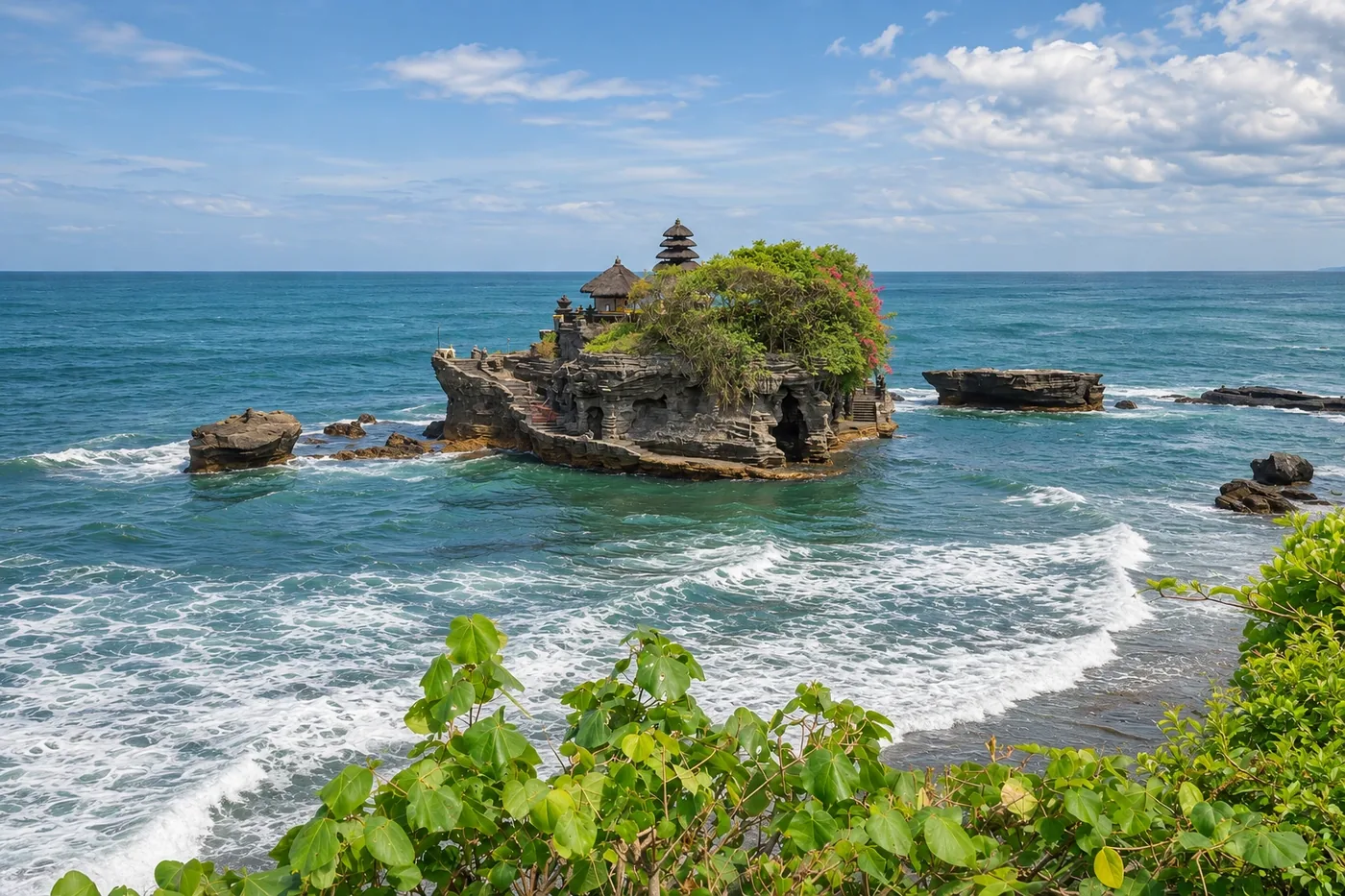
Tanah Lot’s offshore temple setting is best understood from the managed coastal viewpoints. Tides and waves change access and appearance, and visible rocks do not establish that it is safe to cross. Follow barriers and local instructions; the shrine itself is not simply a public viewing platform. Sunset can be busy, so arrive with enough time for the approach and a return through the visitor area. Combine the stop with a geographically coherent Tabanan or west-coast day. A coastal viewing visit does not require reaching the offshore shrine.
Season and planning
Bali’s weather varies by region, elevation and the day’s conditions. Wetter periods can affect roads, paths and the sea, while a nominal dry-season date does not guarantee clear skies or a calm crossing. Check the destination’s current access and the weather close to departure. Highland stops can be cooler and mistier than southern beaches, so carry an appropriate layer and avoid building the whole visit around one photograph.
Use arrival for the transfer and a nearby meal; choose two Ubud-area culture or countryside days, then a coastal transfer and one focused southern outing. Leave the final day flexible for departure. If arriving late or leaving early, reduce the sightseeing rather than borrowing from rest or airport time. Book performances and special classes separately, and keep a rain alternative near each base.
Related Bali guides

Ubud
Explore Ubud with ten local experiences, realistic itineraries, transport advice and seasonal planning for a Bali stay.

Sanur
Explore Sanur with ten local experiences, realistic itineraries, transport advice and seasonal planning for a Bali stay.

Jimbaran
Explore Jimbaran with ten local experiences, realistic itineraries, transport advice and seasonal planning for a Bali stay.

Two-Week Itinerary Highlights
Two weeks allow more regional depth, but Bali still rewards choosing a route rather than circling every famous map pin.
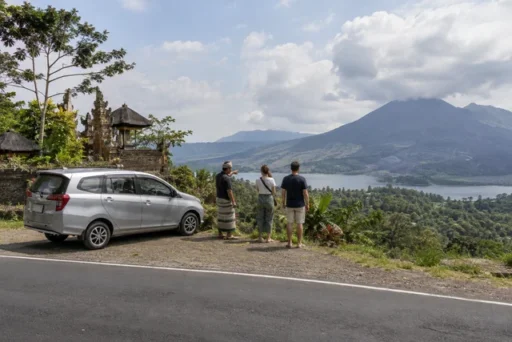
Private-Driver Day Trips
A private driver can make a Bali day more flexible, but it does not remove traffic or turn every distant attraction into a sensible combination.
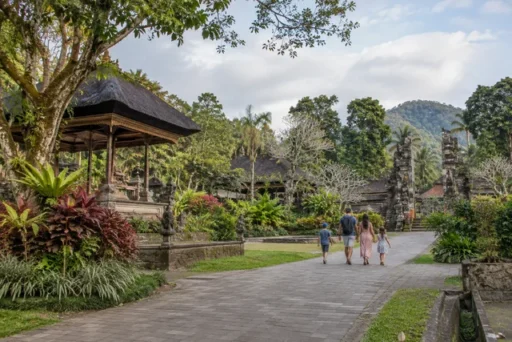
Family Activities
A good Bali family day starts with the youngest traveller’s pace, the actual route and somewhere comfortable to pause.
Questions and answers
Are these ten choices meant for one day?
No. The list compares options. Choose a small number in a coherent area and leave time to experience them properly.
Are opening hours and prices guaranteed?
No. Use the linked official or provider information to check current access, bookings and charges for your travel dates.
Do I need to ride a scooter?
No. Many visitors use arranged drivers, transfers and short local walks. The practical option depends on the specific route and accommodation.
How do ten highlights fit into seven days?
They are options, not compulsory daily stops. Select a few near two suitable bases, include arrival and departure time, and leave space for weather, meals and an unhurried local day.
Sources and further reading
Use the responsible authority or provider for current access, availability and booking details.