10 Snorkeling Areas in Bali to Compare with a Local Guide
Written 26 October 2026 · BaliTop10
Bali snorkeling is shaped by the exact site, tide, current and the ability of the group. A bay that appears sheltered on a map is not automatically suitable for independent entry, and island boat trips can involve exposed crossings. Choose a reputable local provider who assesses the water on the day, explains the entry and exit, and provides appropriate equipment and supervision. The ten areas below are options to discuss, not ten guaranteed beginner swims or a single island-hopping itinerary. Marine life is never assured. Stay off coral, avoid touching animals, and choose a boat-based or shore alternative when the conditions exceed your comfort or swimming experience.
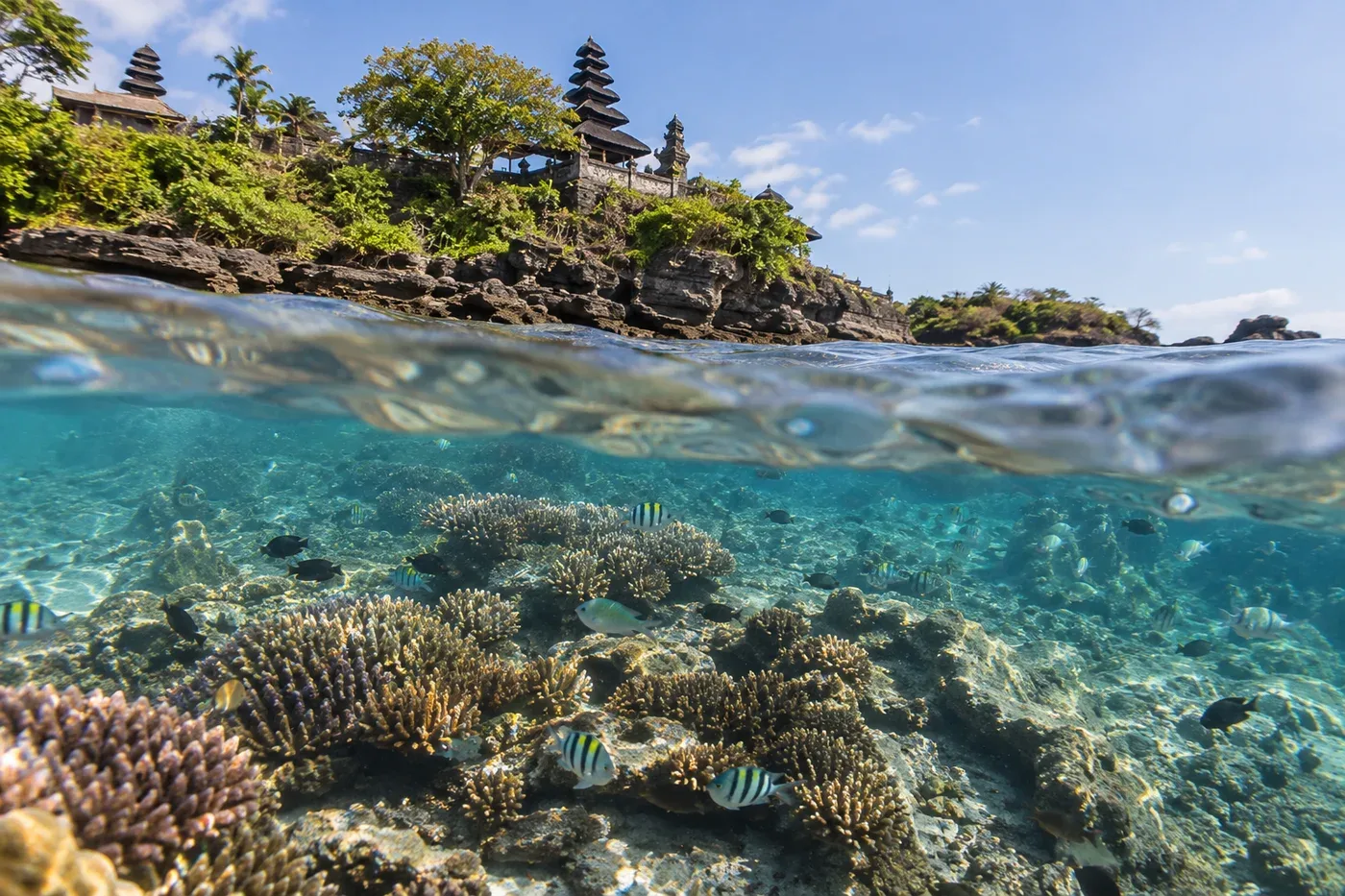
1. Jemeluk Bay, Amed

Jemeluk is a well-known Amed-area bay with reef scenery and a developed base of dive and snorkel providers. It can be useful for a supervised introduction because local operators understand the different entry sections and boat activity. The shore is not a uniform soft-sand resort beach, and conditions can change with wind and swell. Describe your swimming ability honestly before choosing an outing. Ask where the guide will take you, how to return if tired and what buoyancy support is supplied. Avoid walking onto coral or following a group beyond the agreed area.
2. Lipah Bay
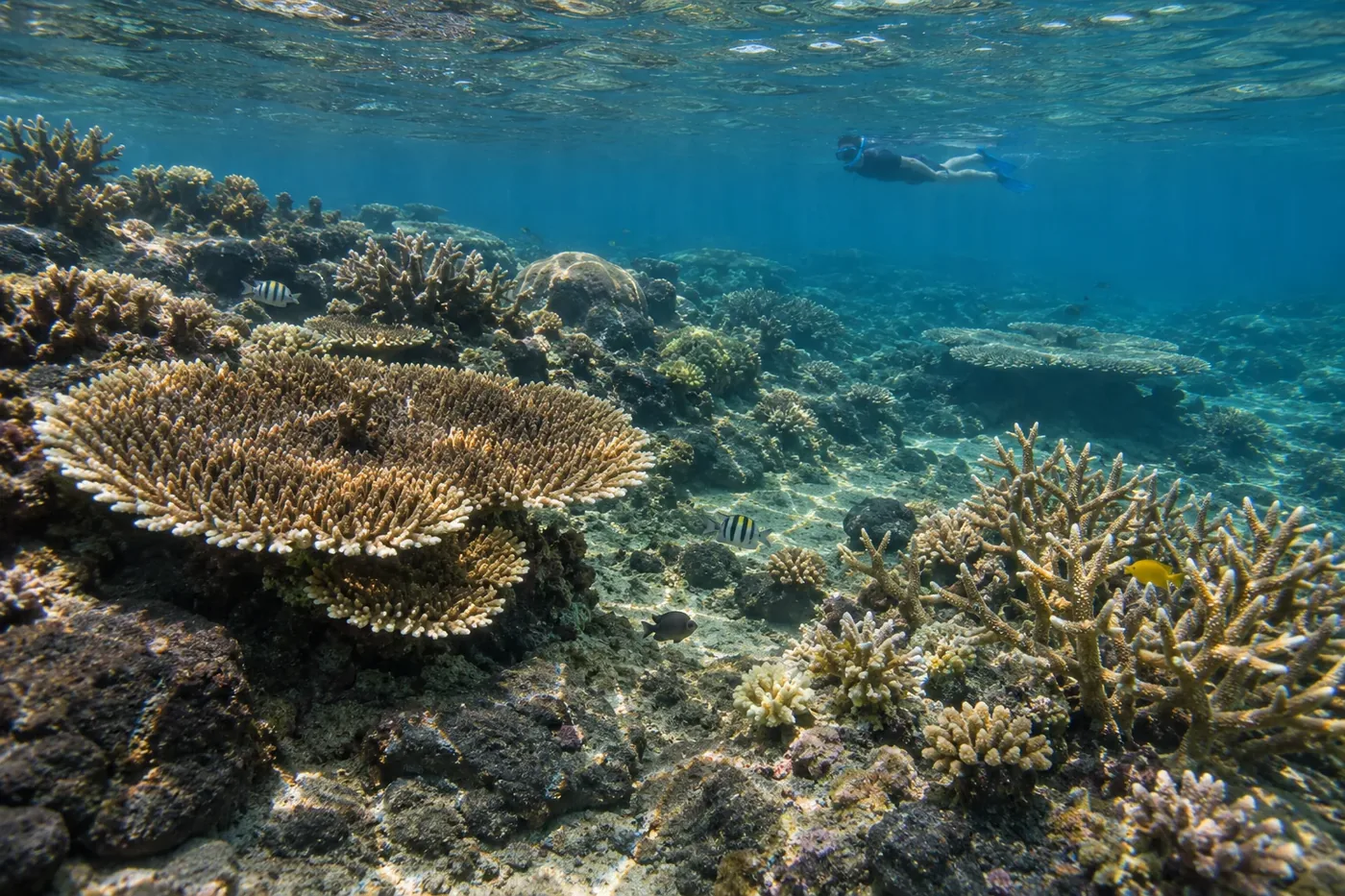
Lipah is another east-coast option within the dispersed Amed area, with beach accommodation and marine activities shaping its visitor setting. It is not interchangeable with every nearby bay, and a guide should assess the specific reef, water movement and entry. A nearby hotel does not establish that the beach is safe for unsupervised snorkeling. Base yourself locally if you want flexibility around conditions rather than a fixed distant day trip. Confirm footwear and equipment needs, identify the exit before entering, and keep away from fishing and boat operations.
3. Banyuning Japanese-wreck area
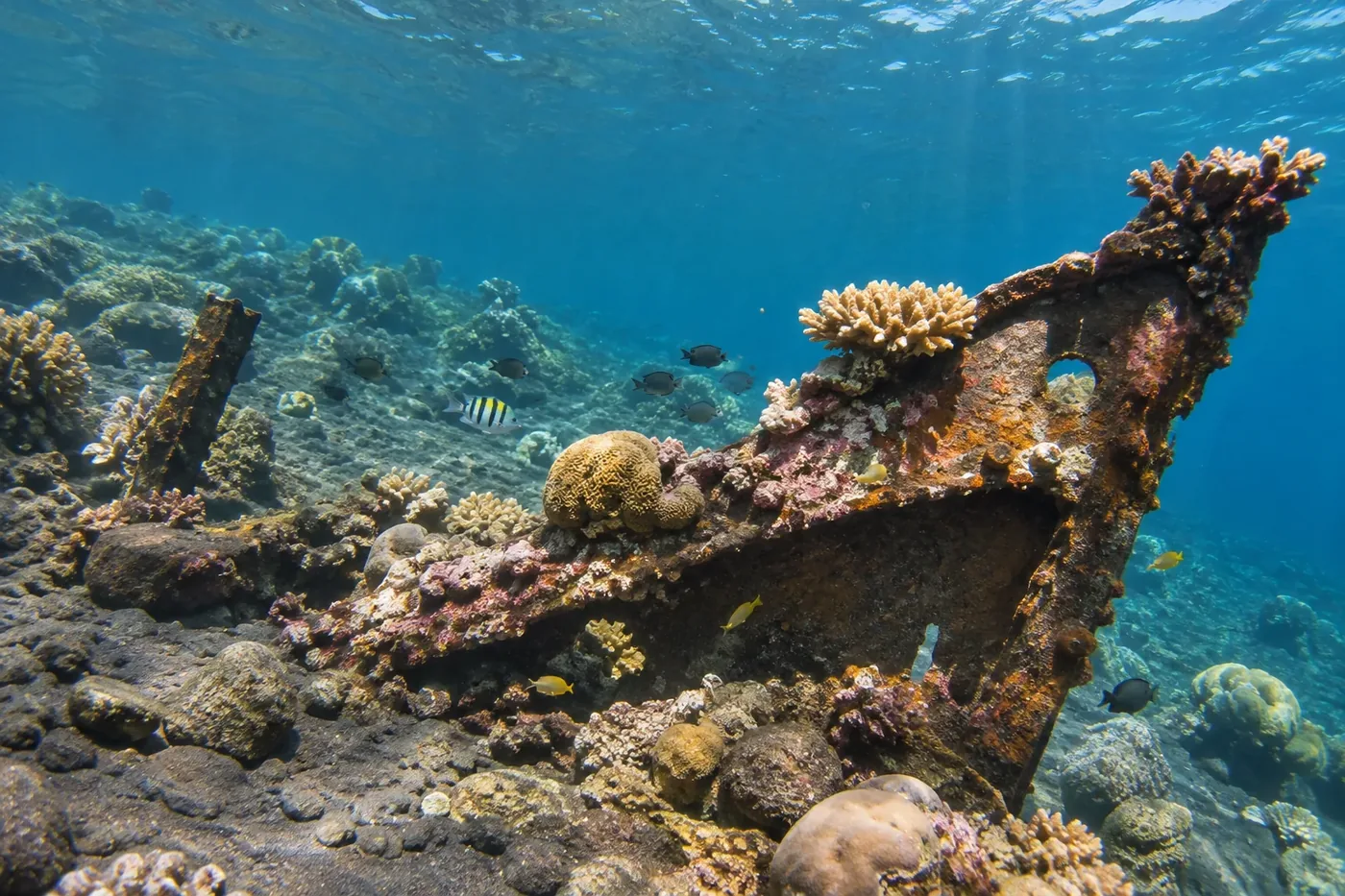
The small Japanese-wreck area near Banyuning is one of the places visitors ask about when exploring the Amed coast. Access, water movement and the condition of the wreck and surrounding reef must be assessed locally. Seeing part of an underwater wreck does not require touching it, entering any enclosed section or collecting material. Use a local guide and ask whether the shallow section is appropriate for your ability on the day. Leave the site if conditions are unsuitable, and keep expectations about clarity and marine life separate from the decision to book.
4. Tulamben shallows
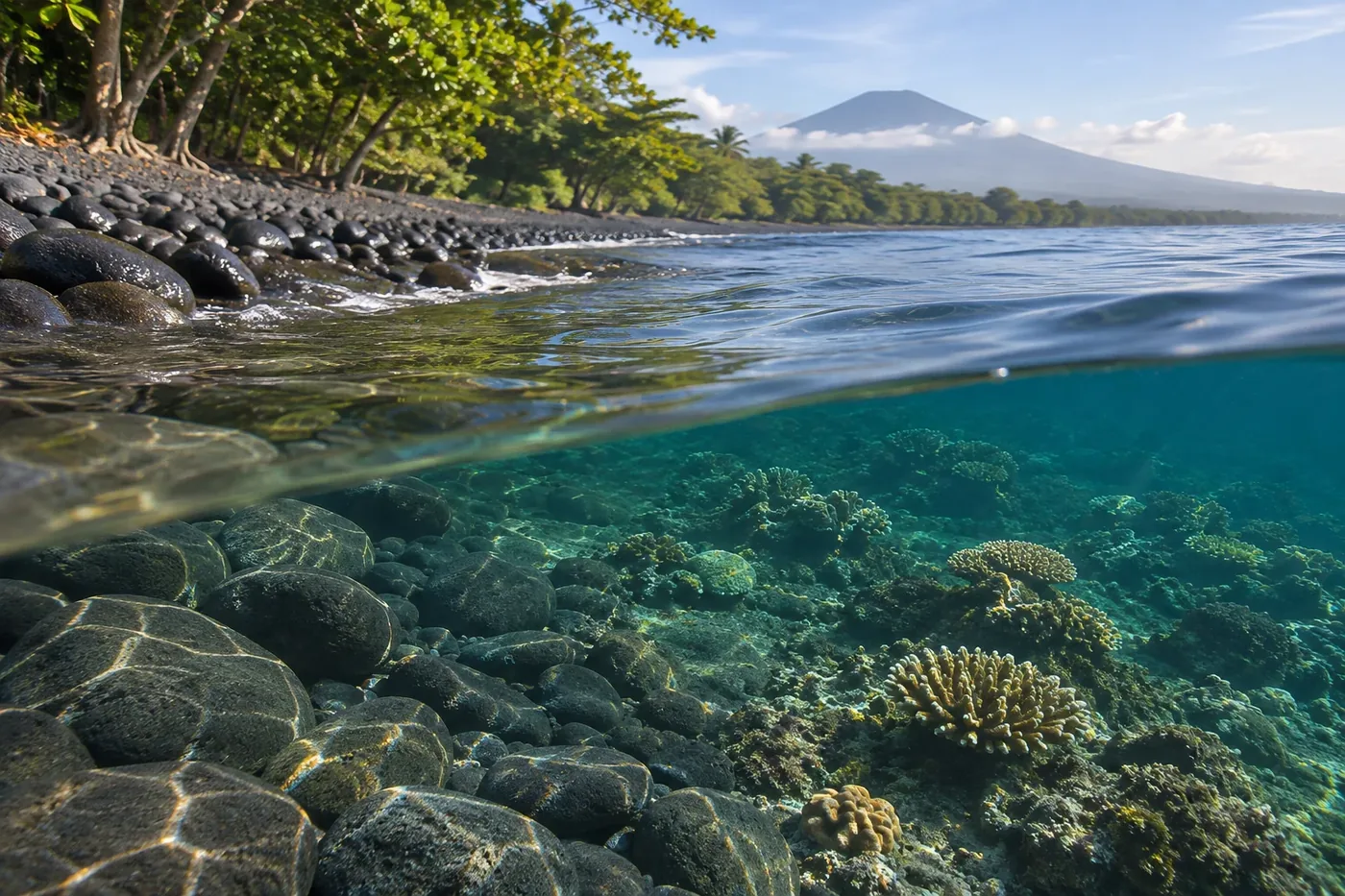
Tulamben is better known for scuba diving, but some visitors enquire about suitable shallow snorkeling when the sea permits. The rocky entry, boats and nearby deeper water mean that it should not be treated as an automatic beginner alternative to diving. A professional provider can explain which limited areas, if any, match the current conditions and group. Do not assume the famous Liberty wreck can always be comfortably seen from the surface. Ask about the actual route, entry assistance, supervision and what the provider recommends if shore break or visibility makes a snorkel session unsuitable.
5. Blue Lagoon near Padang Bai
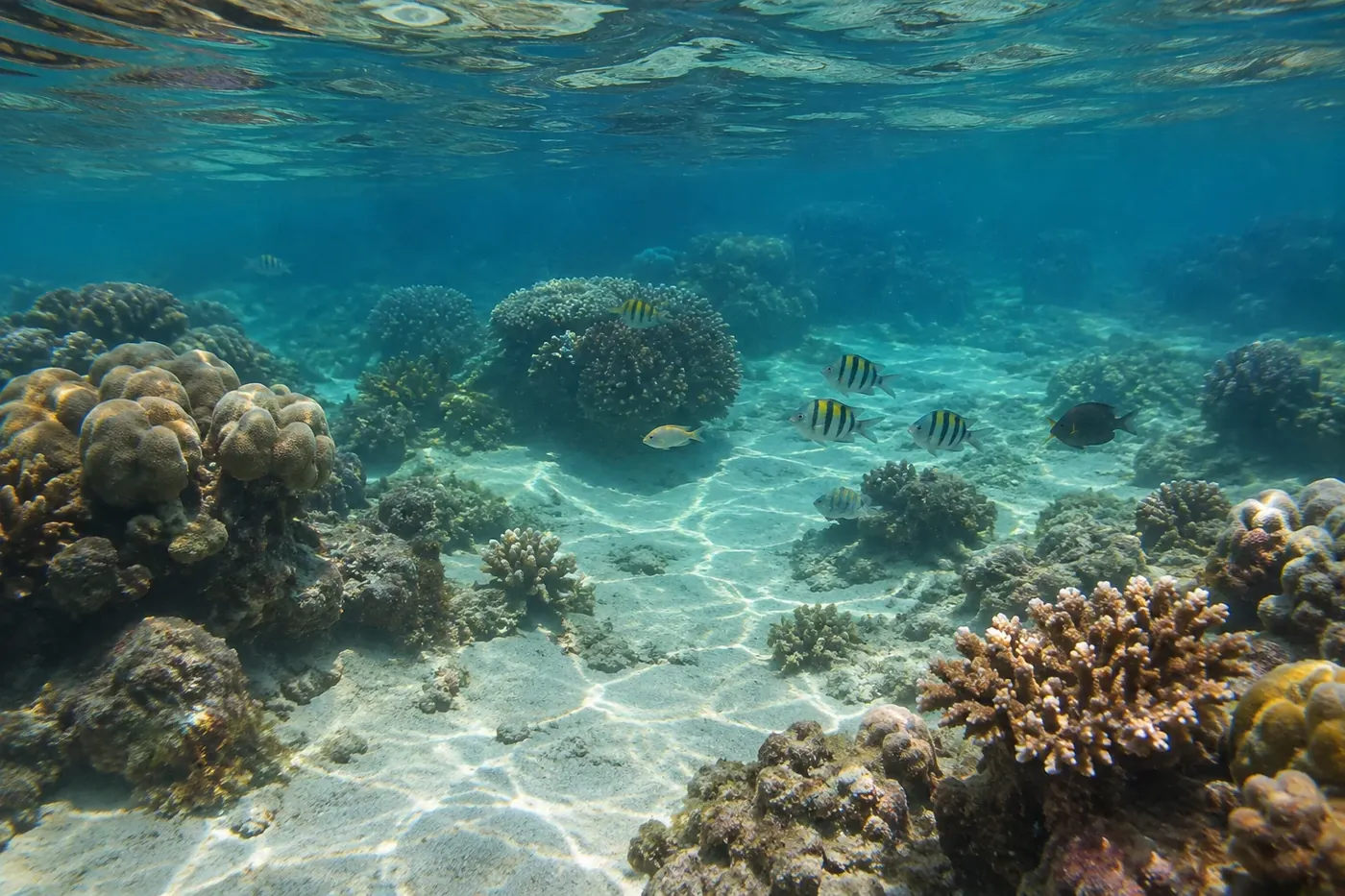
The Blue Lagoon area is associated with local snorkeling trips from Padang Bai, often by small boat. It provides a different travel option from driving all the way to the Amed coast, but the advertised bay name does not describe the day’s swell or current. Boat boarding, equipment fitting and the overall programme deserve a clear explanation. Choose an operator who will adjust the sites to conditions. Ask whether the group includes beginners or children and how supervision works. Arrange a realistic return journey rather than connecting the outing directly to a tight ferry or flight departure.
6. Tanjung Jepun
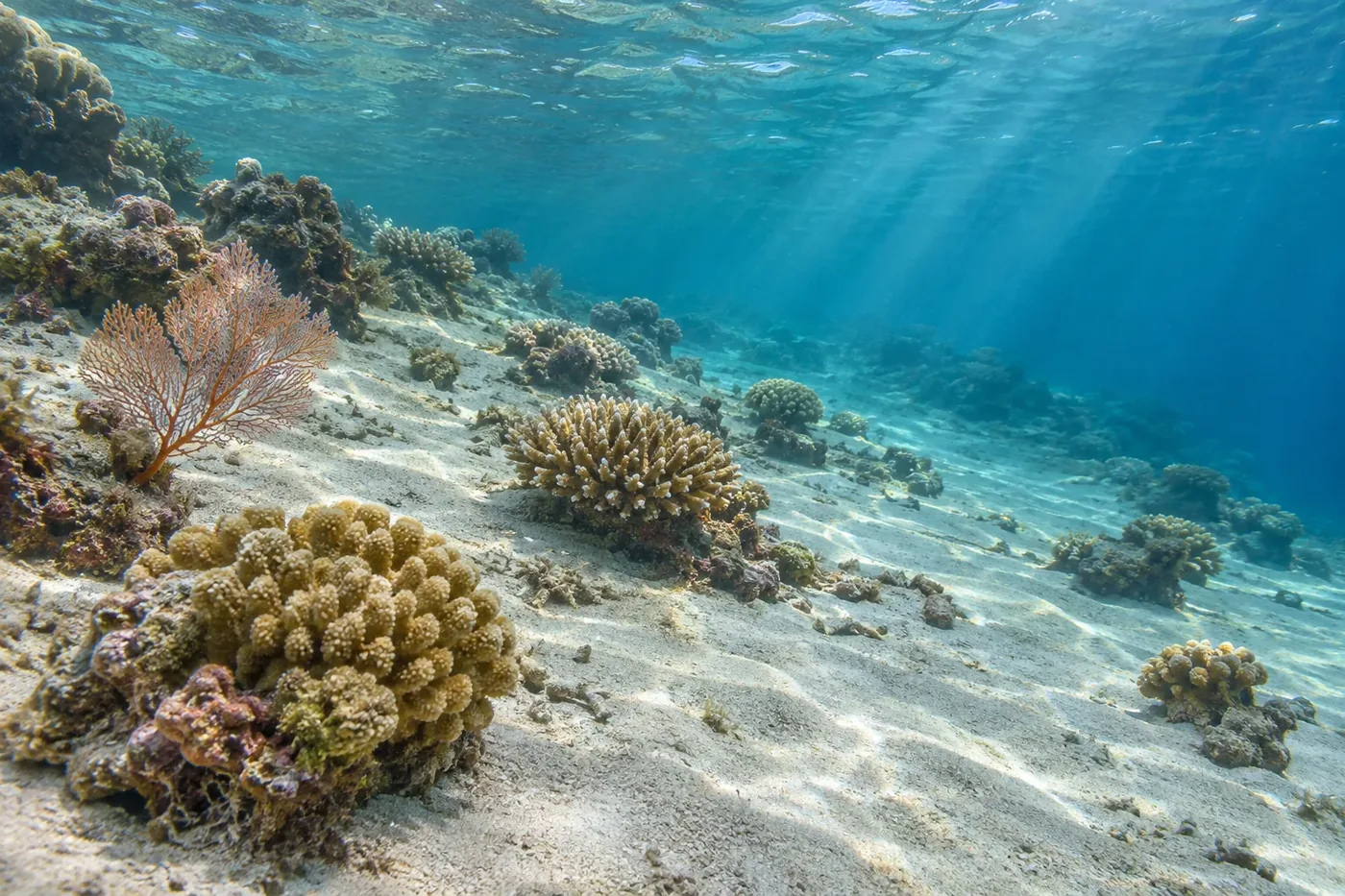
Tanjung Jepun is another Padang Bai-area name used in snorkeling programmes and is sometimes combined with nearby sites. Treat it as a specific stop to discuss with the skipper, not proof that two advertised locations guarantee two successful sessions. Visibility, boats and the group’s confidence determine what is useful on a particular trip. Ask which portions of the outing involve travelling versus time in the water, and confirm the procedure for someone who wants to remain aboard. Use the guide’s entry and exit plan and avoid drifting beyond the supervised group for a photograph.
7. Menjangan Island
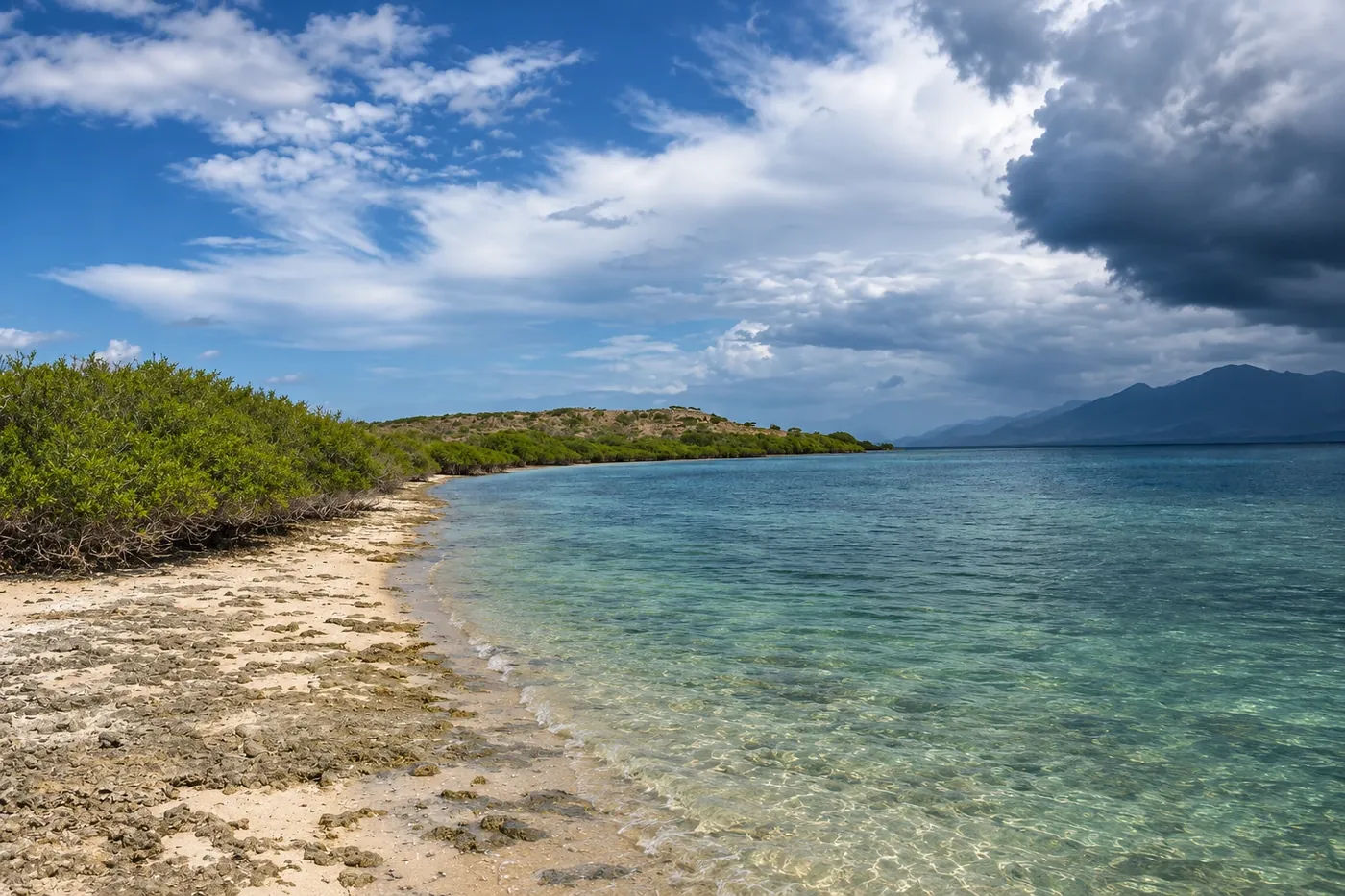
Menjangan belongs to the protected marine setting of West Bali National Park and requires organised boat access and the applicable arrangements. It is a practical focus for a Pemuteran or northwest-Bali stay rather than a short add-on from the southern beach districts. Reef scenery can be rewarding, but the provider still needs to choose conditions and supervision appropriately. Confirm park-related arrangements, boat facilities and the actual meeting point before booking. Keep clear of coral and wildlife, follow the guide’s instructions and leave a weather margin for the excursion instead of treating the crossing as an inflexible transport connection.
8. Pemuteran reef area
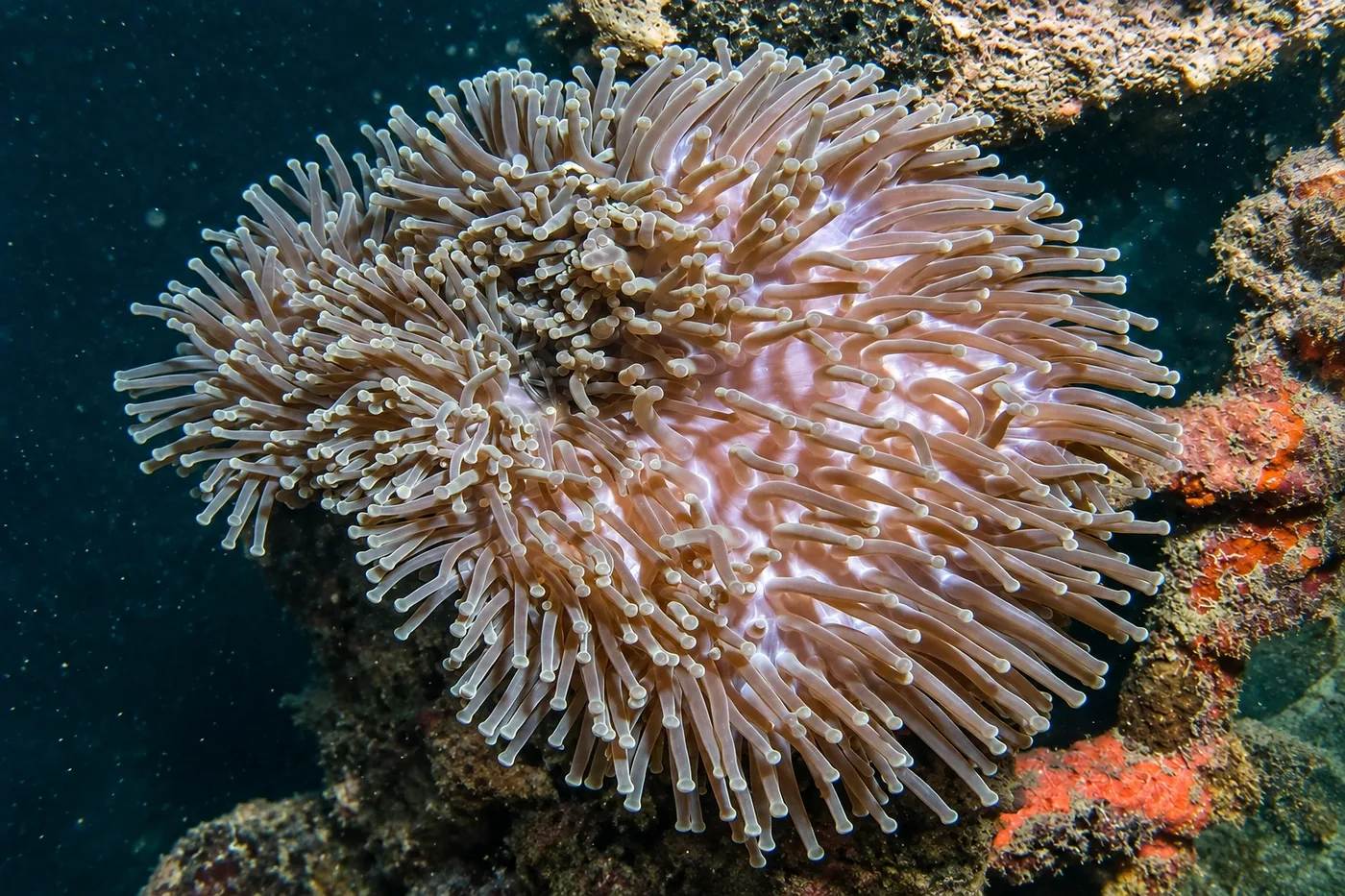
Pemuteran offers a northwest-coast base where marine restoration and reef interpretation can be part of a visit. The local reef area and a Menjangan boat excursion are separate products with different access and schedules. A guided introduction can explain the restoration structures and how to avoid damaging living growth while moving in shallow water. Use a provider familiar with the specific entry and current state of the site. Do not stand on restoration structures or coral, and ask which parts can be observed appropriately from the surface according to conditions.
9. Nusa Lembongan’s Mangrove Point area
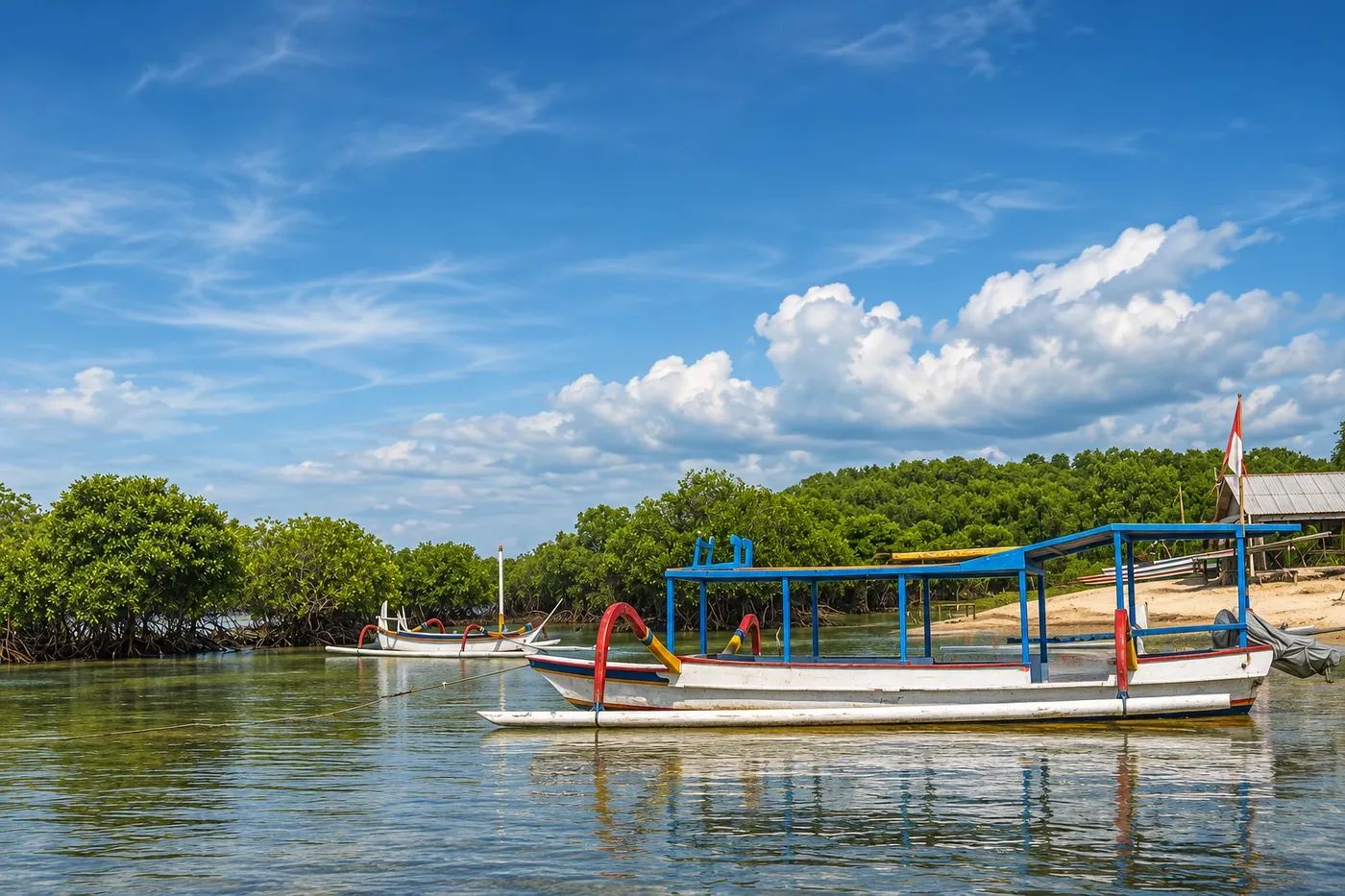
The Mangrove Point area is frequently mentioned in Nusa Lembongan snorkeling programmes, with marine scenery near the island’s northeastern coast. Current can make it a moving experience rather than a stationary sheltered swim, so supervision and boat recovery procedures matter. Reaching Lembongan from mainland Bali adds a separate sea crossing and island transfer. Tell the operator about your swimming comfort and ask how the group remains together. Do not book on the assumption of calm water or guaranteed wildlife. An overnight island stay can provide more flexibility than a rushed package with several transfers.
10. Nusa Penida’s north-coast sites
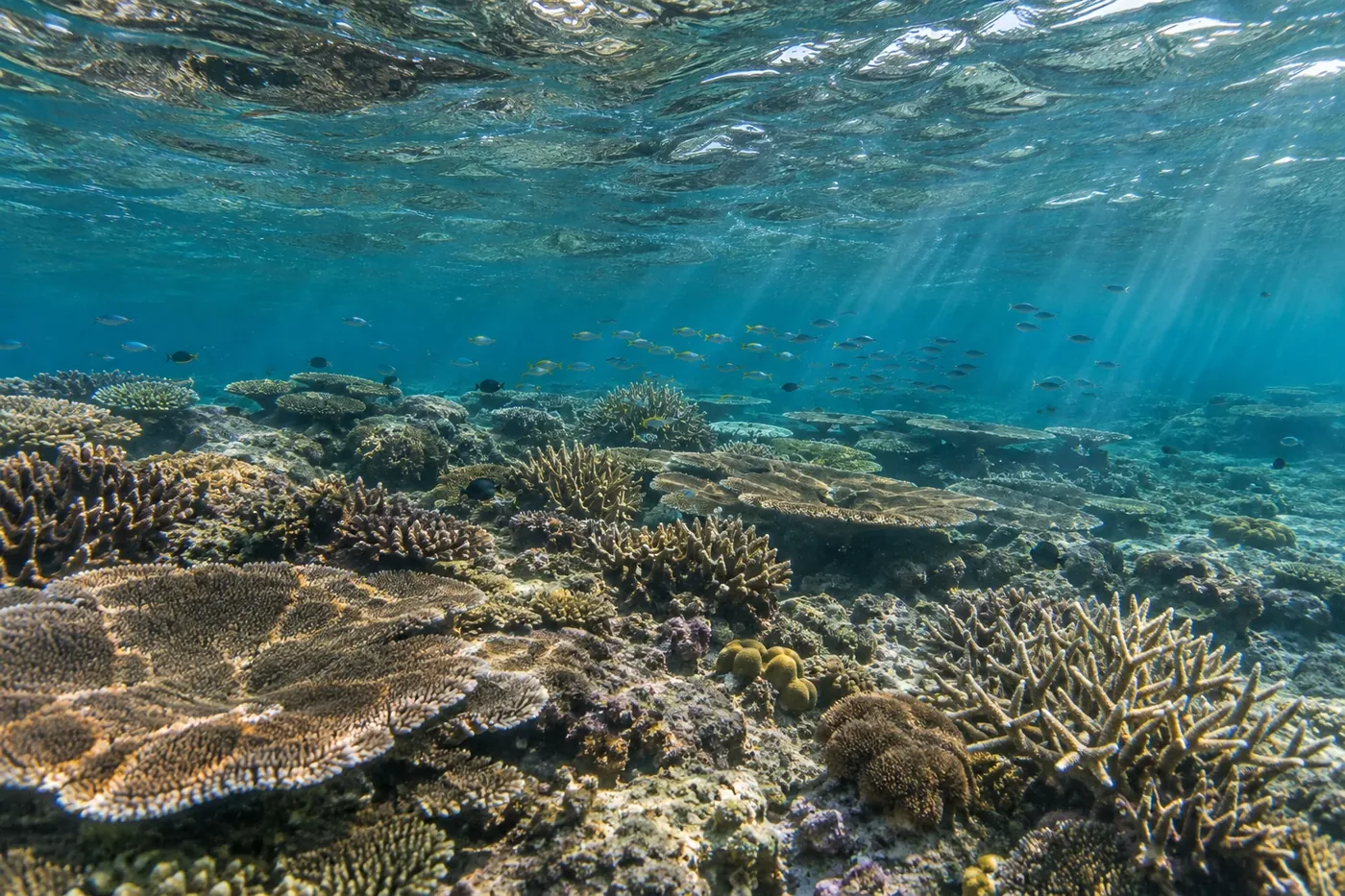
Nusa Penida has marine sites of interest to experienced local operators, including northern reef areas used in some snorkeling programmes. Currents and exposed sea conditions make site selection crucial, and a famous island name should never be sold as a promise of suitability for everyone. This is a different setting from a gentle resort-pool introduction. Choose a provider who is willing to change sites or cancel water entry. Ask about swimming requirements, supervision and rescue arrangements, and avoid chasing turtles or other wildlife. Boat-based observation or a land itinerary may be a better alternative when conditions are unsuitable.
Season and planning
Visibility, current, swell and weather vary by site and day. Seasonal patterns do not guarantee calm water or particular animals. Keep boat crossings and in-water conditions as separate checks, and accept a changed route when necessary.
Use an appropriately equipped local operator, explain your ability and confirm the maximum group size and supervision. Ask what happens if the sea is unsuitable and what is included in equipment, park arrangements and transport. Do not stand on reefs, touch wildlife or feed fish. Leave spare time around island crossings and any essential onward journey.
Related Bali guides
Amed
Explore Amed with ten practical choices, regional excursions, seasonal advice, transport notes and realistic one-to-three-day planning.
Padang Bai
Explore Padang Bai with ten practical choices, regional excursions, seasonal advice, transport notes and realistic one-to-three-day planning.
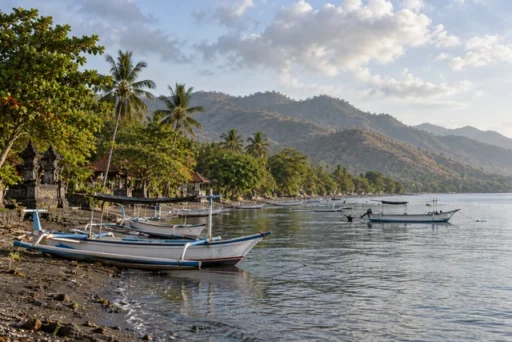
Pemuteran
Explore Pemuteran with ten practical choices, regional excursions, seasonal advice, transport notes and realistic one-to-three-day planning.
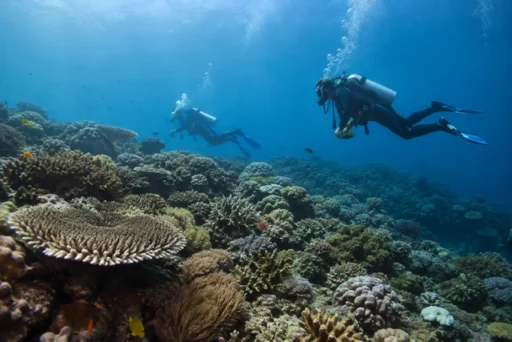
Scuba Diving
Bali scuba diving ranges from sheltered training sessions to current-exposed offshore reefs.
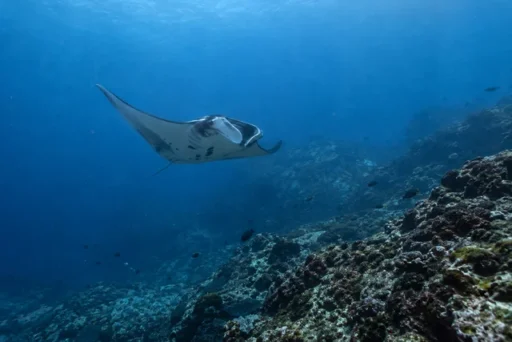
Marine-Life Watching
Bali marine-life watching includes reef interpretation, snorkeling, diving and habitat-focused boat outings.
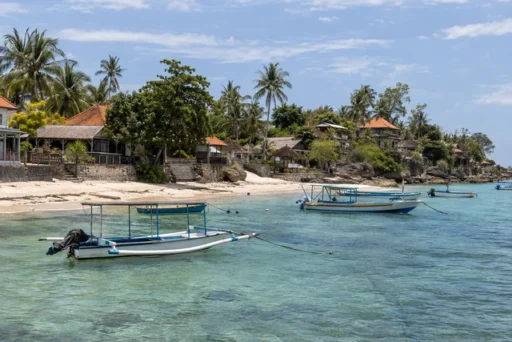
Nusa Lembongan Experiences
Nusa Lembongan offers a combination of village waterfronts, marine activities and exposed coast, with a narrow bridge connection to Nusa Ceningan.
Questions and answers
Should I try all ten in one day?
No. These are alternatives for different routes and interests. Choose nearby options, allow time for travel and keep a flexible alternative for weather or changed access.
Are entry fees and opening times fixed?
No. Check the linked official venue or destination information for your travel date. Admission arrangements, ceremonies and operating programmes can change.
Do I need to book ahead?
Book when a specific hosted experience, lesson or timed programme is important to the trip. For independent sightseeing, confirm access and transport before setting out.
Does the order reflect visitor votes or search volume?
No. This is an editorial selection intended to compare useful options, not a measured popularity table or a claim that every option suits every visitor.
Sources and further reading
Use the responsible authority or provider for current access, availability and booking details.