10 Walks and Gentler Outdoor Routes in Bali
Written 26 October 2026 · BaliTop10
Walking in Bali ranges from paved waterfront sections to steep, slippery paths, so the word gentle needs a precise route behind it. This list favours manageable options and routes that can be shortened, while making clear that heat, steps and uneven surfaces still matter. Select a short section near your base and ask locally about current access. A guided village walk can be more useful than a long improvised line through agricultural land. The island choices also need their own transport arrangements. None of these entries is a blanket accessibility certification or a promise that every visitor can complete the entire route.
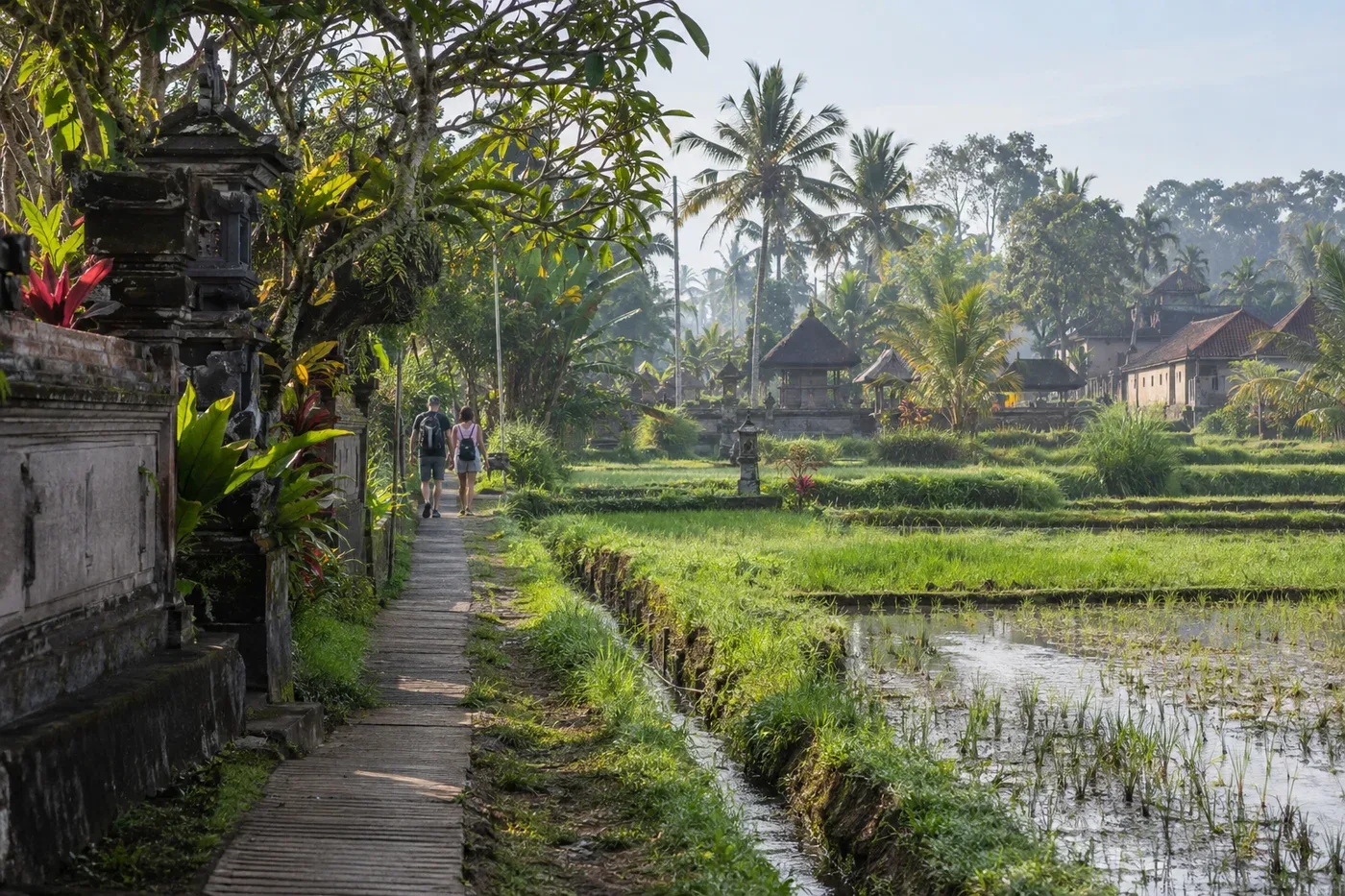
1. Campuhan Ridge Walk
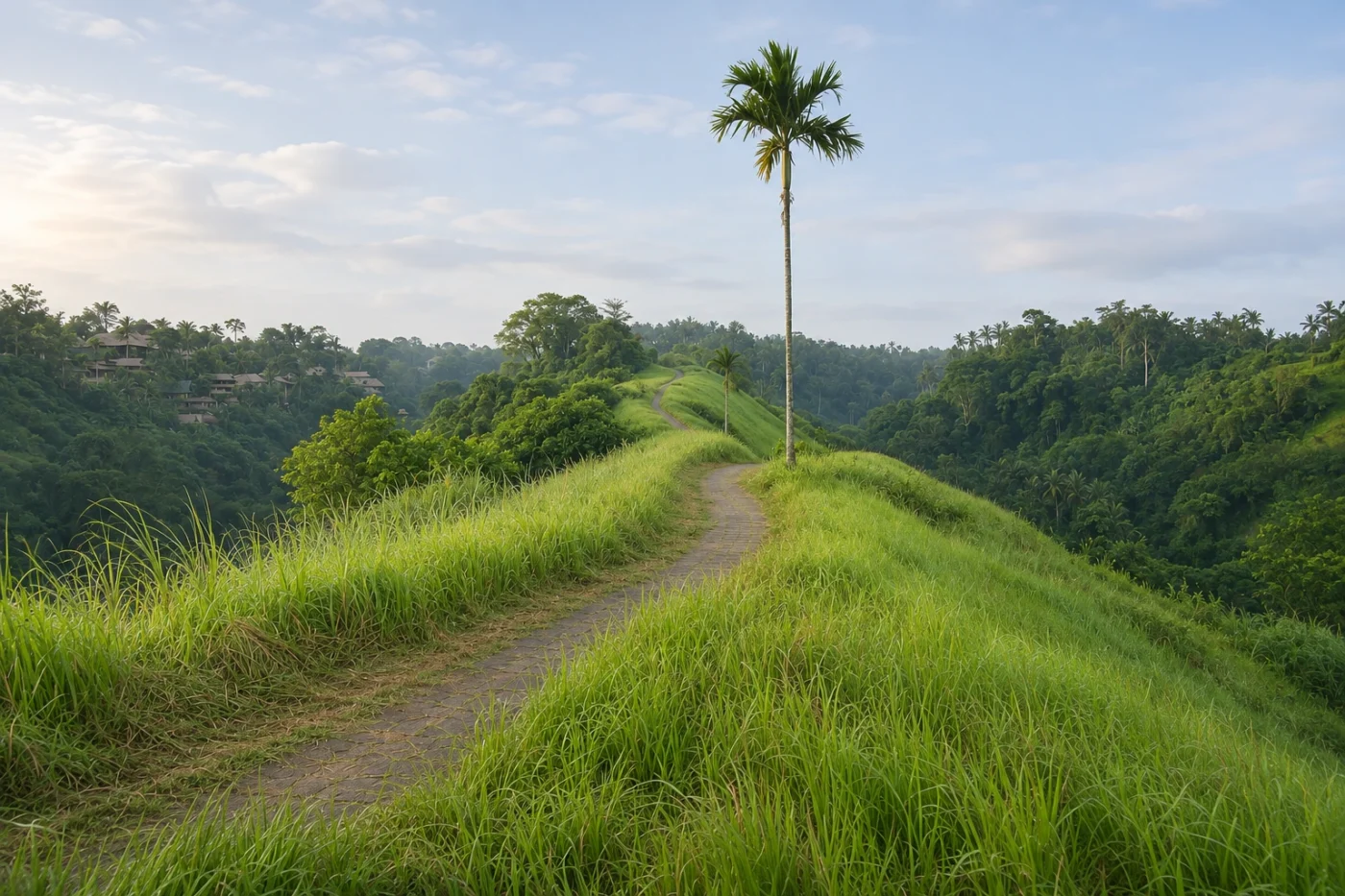
Campuhan offers a raised walking route close to Ubud, with changing views of green slopes and the riverside landscape below. The approach, gradients and exposed sections mean it is a walk rather than a fully level garden path. Begin early or choose a cooler period and turn back before heat or rain makes the outing uncomfortable. Keep to the established route, allow room for other walkers and use a map for the return instead of extending casually into unfamiliar roads.
2. Sari Organik-area rice-field walk
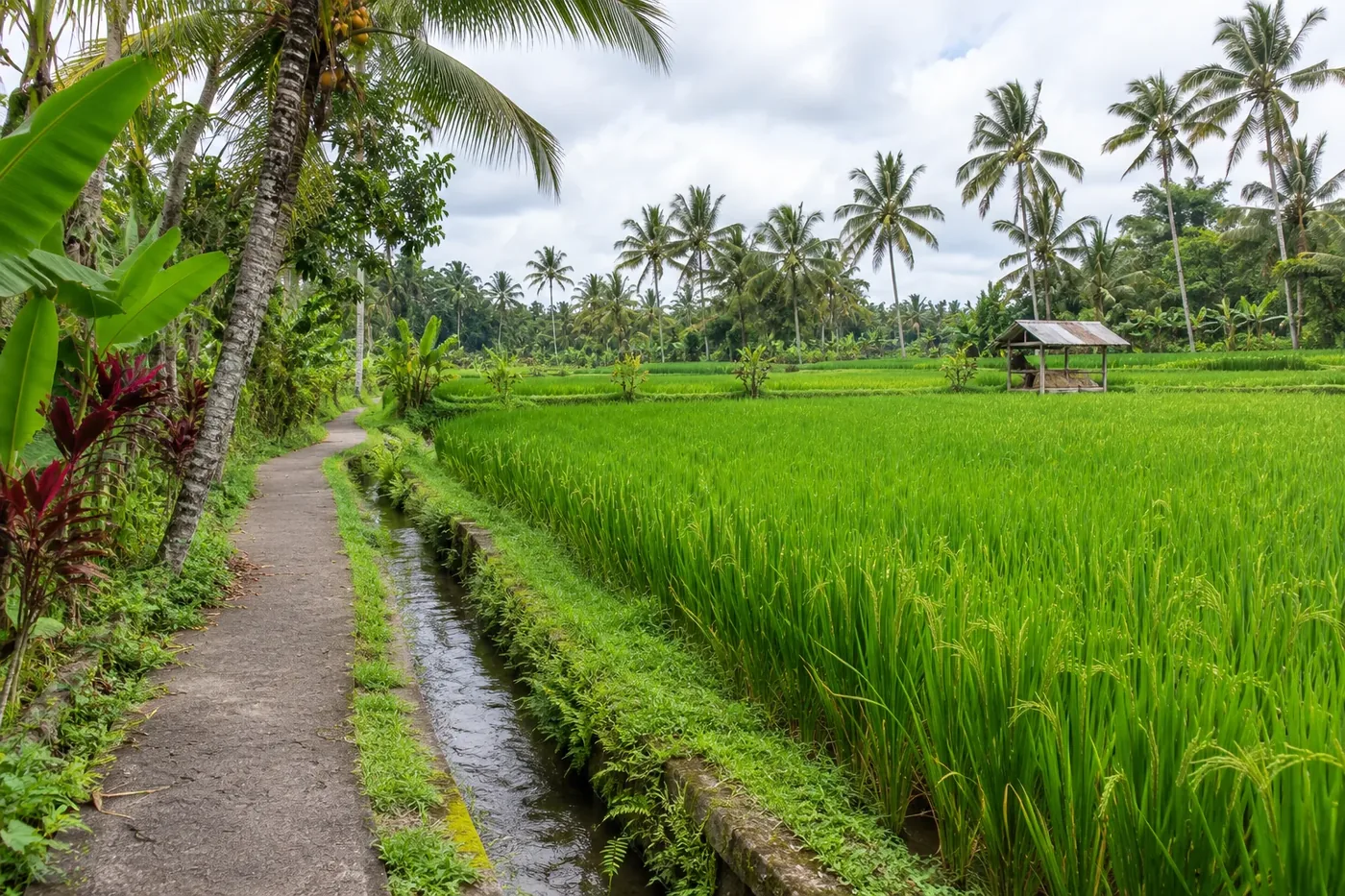
The agricultural paths north of central Ubud show a quieter working landscape of rice plots, small businesses and irrigation channels. Choose a public or clearly permitted path and remember that the fields are workplaces, not an open set for portraits. The surface can narrow beside water channels and become slippery after rain. A modest out-and-back walk with a meal stop is easier to manage than a long improvised loop. Avoid stepping into planted terraces for a different camera angle. Allow farmers to pass before stopping for a photograph.
3. Jatiluwih rice-terrace paths
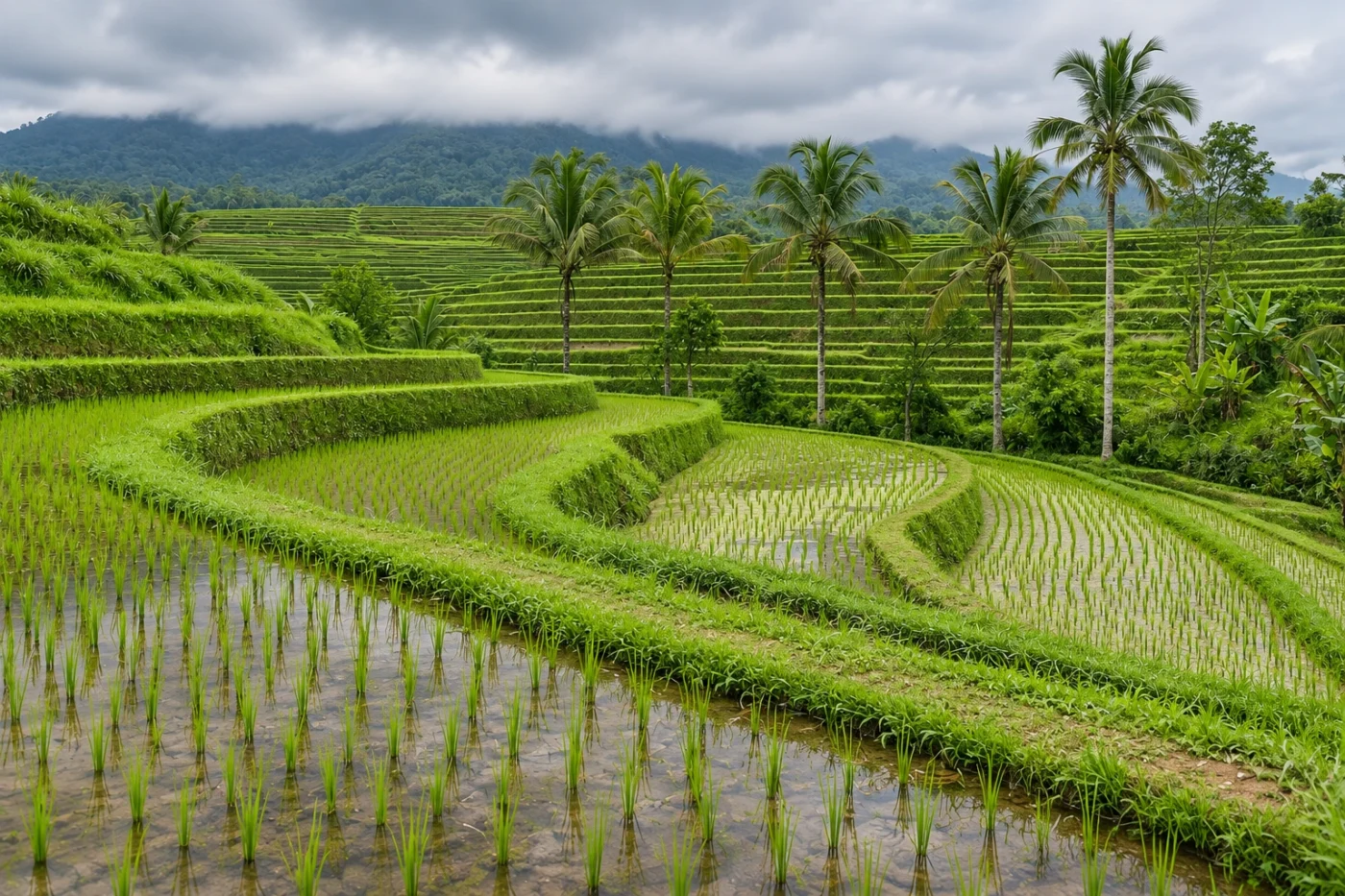
Jatiluwih offers a broad cultivated landscape where walking routes reveal terraces, water channels and the agricultural setting associated with Bali’s subak heritage. Choose a marked circuit according to the available time and conditions rather than assuming every path has the same distance or surface. Rice colour changes with the planting cycle, so photographs of bright green fields do not promise the same view. Ask local staff which sections are suitable that day, and give farmers and their equipment priority. A guide can explain irrigation beyond the visible terrace pattern.
4. Sidemen guided valley walk
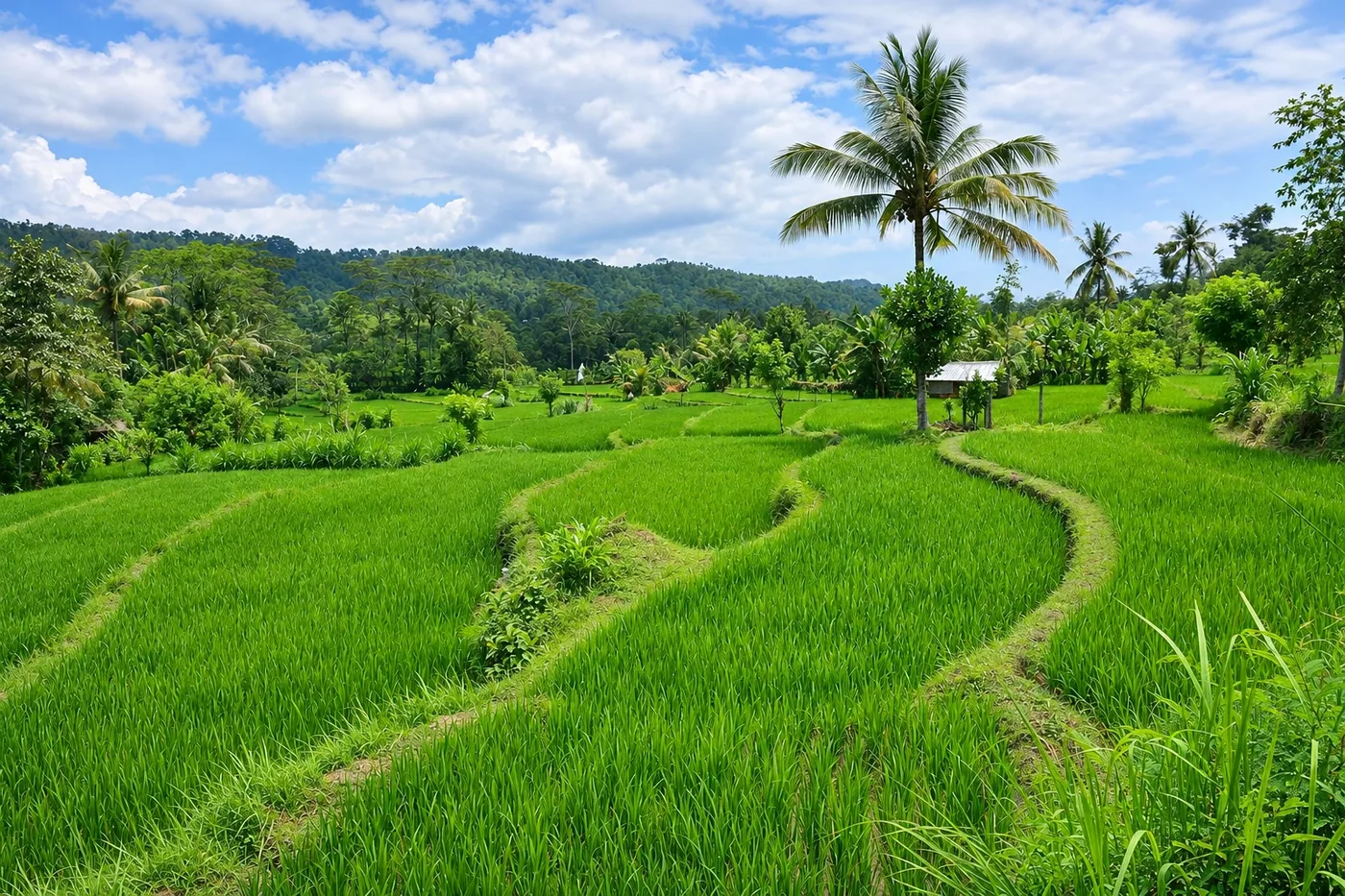
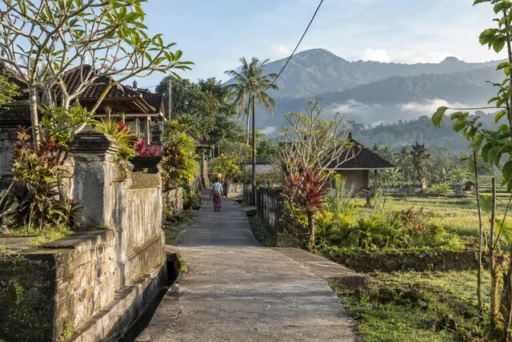
A local guide can connect Sidemen’s valley paths with farming, irrigation and the village setting, while choosing a route that respects access and the day’s conditions. This is a better introduction than following an informal line through rice plots from a map. Ask about distance, gradients and river crossings before booking. Keep the walk close to your accommodation if you want a slower day, and allow farmers and livestock priority. Clear weather may reveal Agung, but the landscape offers interest without that view.
5. Sanur beachfront promenade
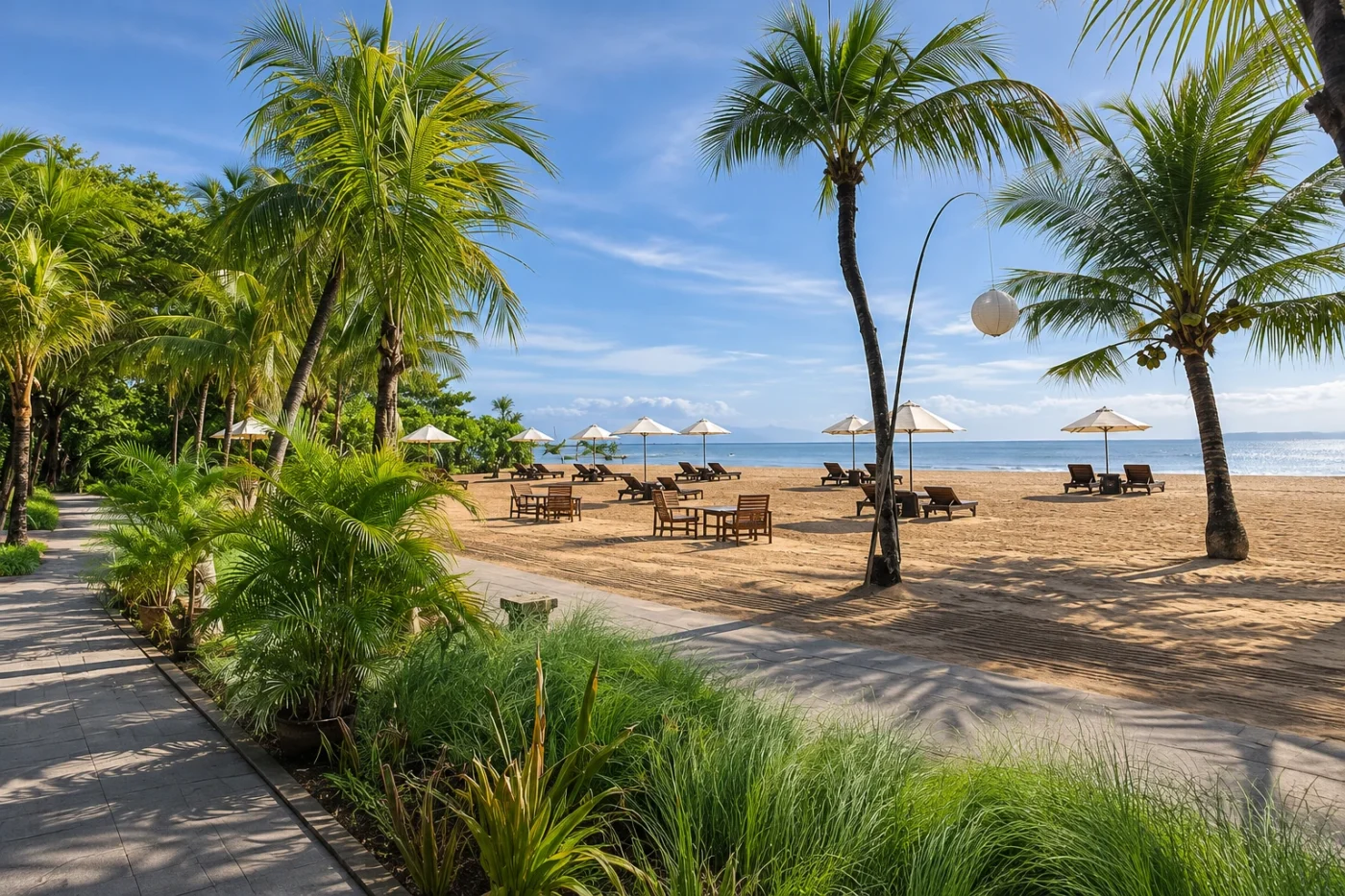
Sanur’s seafront path links beach sections, small harbours, cafés and hotel frontages along Bali’s east-facing coast. A short section around your accommodation makes a useful introduction, while a longer walk needs a planned turnaround and a shaded break. Sunrise suits the orientation, but cloud can hide the sun. Watch for bicycles and uneven transitions, and do not treat every beach section as an interchangeable swimming area. The promenade and the harbour departure arrangements are separate parts of a visit. A nearby café makes a natural turnaround and rest point.
6. Nusa Dua beachfront and Peninsula area

Nusa Dua offers managed resort-area roads, beach access points and a Peninsula setting that can suit a slower day. Choose public or clearly permitted access rather than walking through private hotel grounds without asking. Some routes involve exposed sun, steps or sand, so identify a manageable section and a shaded return. The area’s infrastructure can simplify transfers but does not establish universal accessibility. Keep the outing local instead of expecting a relaxed beachfront walk to fit between two long drives.
7. Penglipuran village lanes

Penglipuran’s village layout and traditional house-front architecture make it a useful cultural stop in the Bangli area. Walk slowly, follow the visitor route and distinguish public lanes from private domestic spaces. A household displaying goods or welcoming visitors is not permission to enter every neighbouring compound. Ask before photographing residents and choose locally made purchases when their origins are clear. Pair the village with one nearby cultural stop rather than forcing a long chain of distant temples into the day.
8. Bali Botanical Garden

Bali Botanical Garden near Bedugul provides a highland setting of trees, planted collections, lawns and roads through a substantial site. Decide which sections you want to reach rather than assuming the whole garden is a short level walk. The operator’s current visitor information explains access and transport options, which can change by day and programme. Ask specifically about gradients, surfaces and accessible facilities if needed. Bring a layer for cooler weather and allow time for a quiet stop away from the entrance.
9. Jungut Batu waterfront

Jungut Batu’s waterfront combines accommodation, boats, food and views towards the surrounding sea. Choose a short public walking section and stay clear of embarkation or working boat areas. Tide changes the shore considerably, so the same stretch may look very different through the day. A walk and local meal offer a useful first or final activity around a ferry transfer, provided the correct port and check-in arrangements are known. Do not let an attractive coastline obscure the practical task of reaching your actual departure point.
10. Amed shoreline villages and viewpoints

Amed is a coastal area of several villages rather than a single compact resort centre. Shoreline views reveal boats, pebble or dark-sand beaches and the slopes behind the coast, with Agung visible from some outlooks in clear weather. Select a short route close to your accommodation and arrange transport for longer distances. A beach photograph does not establish safe water entry or permission to cross a working boat area. An overnight stay makes it easier to enjoy the coast without a rushed return drive.
Season and planning
Bali’s weather varies by region, elevation and the day’s conditions. Wetter periods can affect roads, paths and the sea, while a nominal dry-season date does not guarantee clear skies or a calm crossing. Check the destination’s current access and the weather close to departure. Highland stops can be cooler and mistier than southern beaches, so carry an appropriate layer and avoid building the whole visit around one photograph.
Choose the exact section, turnaround point and return transport before starting. Begin in a cooler period when possible and keep the distance appropriate to the day. Ask about crossings, surfaces and places to rest. Respect farming work and private compounds, and do not substitute a summer-style description for current wet-weather conditions. A shorter enjoyable walk is a complete experience, not a failed version of a longer itinerary.
Related Bali guides

Ubud
Explore Ubud with ten local experiences, realistic itineraries, transport advice and seasonal planning for a Bali stay.

Sanur
Explore Sanur with ten local experiences, realistic itineraries, transport advice and seasonal planning for a Bali stay.

Sidemen
Explore Sidemen with ten practical choices, regional excursions, seasonal advice, transport notes and realistic one-to-three-day planning.
Accessible and Lower-Effort Experiences
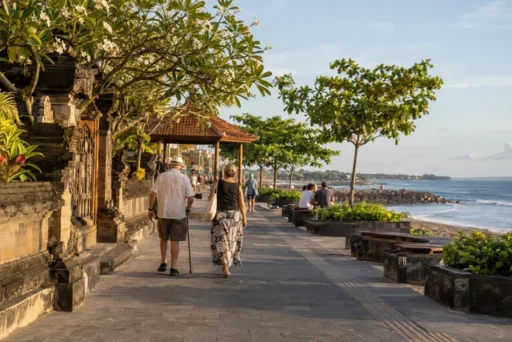
A lower-effort outing and a verified accessible outing are different things.
Cycling Experiences
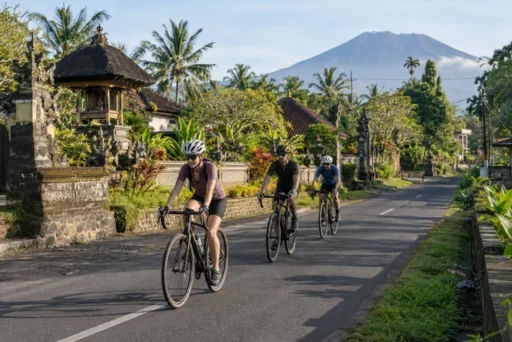
Cycling in Bali can mean a short shared waterfront path, a guided village circuit or a demanding ride on public roads.
Quiet Places Away from the Crowds
Looking for quieter Bali does not require finding an undiscovered place or entering somewhere residents have not invited visitors.
Questions and answers
Are these ten choices meant for one day?
No. The list compares options. Choose a small number in a coherent area and leave time to experience them properly.
Are opening hours and prices guaranteed?
No. Use the linked official or provider information to check current access, bookings and charges for your travel dates.
Do I need to ride a scooter?
No. Many visitors use arranged drivers, transfers and short local walks. The practical option depends on the specific route and accommodation.
Does gentle mean level and step-free?
No. Even a modest route can have steps, gradients, heat and slippery surfaces. Ask about the exact section and turnaround, and request detailed access information for mobility requirements.
Sources and further reading
Use the responsible authority or provider for current access, availability and booking details.