10 Wildlife and Nature Experiences in Bali with a Habitat Focus
Written 26 October 2026 · BaliTop10
Bali’s nature is more varied than a close-up animal photograph suggests. Forest, mangroves, cultivated landscapes, a botanical garden and reef habitats offer different ways to understand the island. This selection prioritises watching and learning in an appropriate setting rather than touching, feeding or pursuing wildlife. Some entries are botanical or landscape experiences, where animal sightings are incidental. A local guide can explain plants, farming or tidal ecology even on a quiet wildlife day. Choose a habitat near your base and allow patient observation time. There is no guarantee of a particular species, and a conservation label should be checked against what an operator actually does.
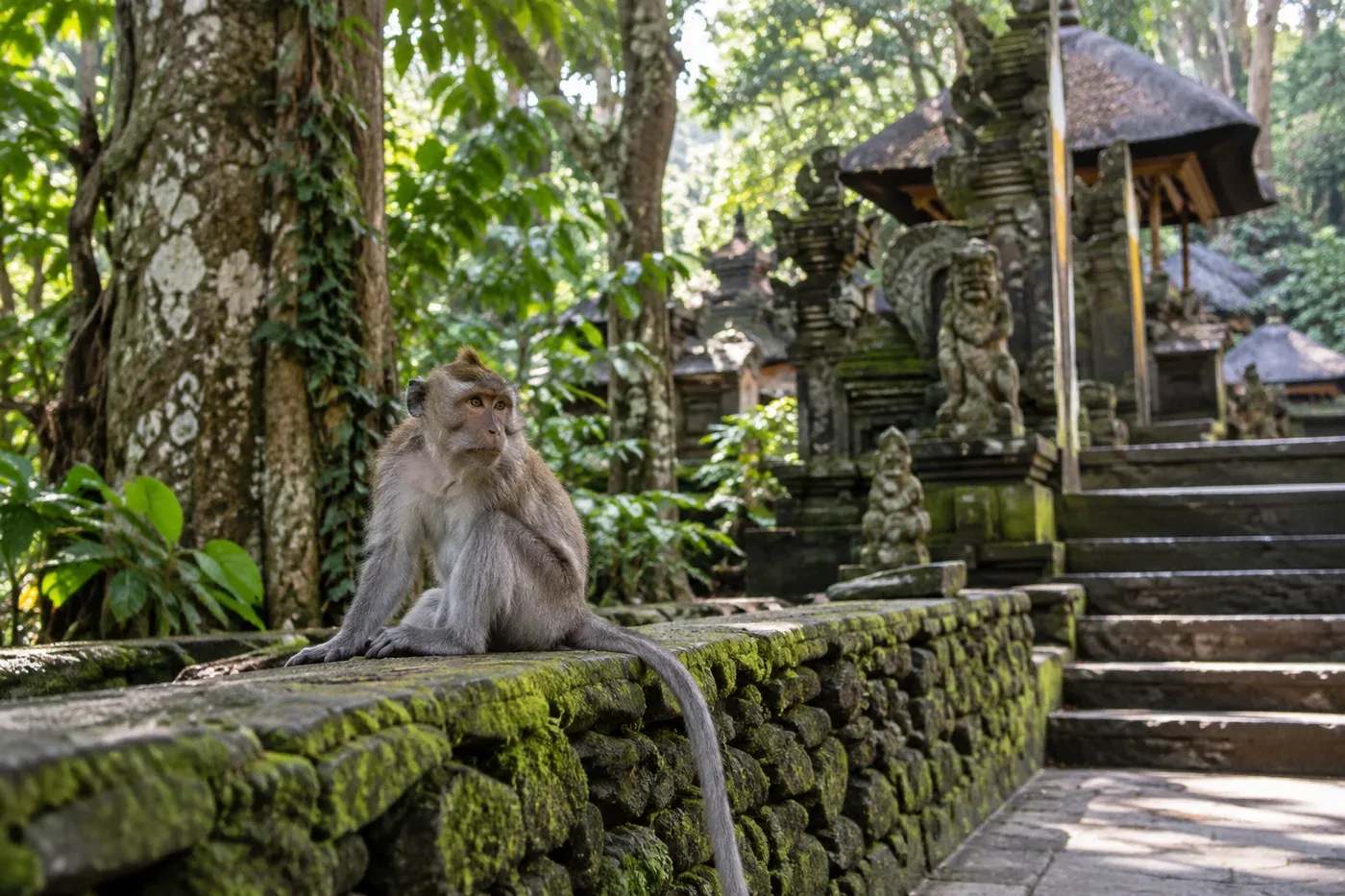
1. West Bali National Park guided nature walk

A guided walk in West Bali National Park offers a terrestrial counterpart to Menjangan’s marine setting. Routes, permits and appropriate behaviour should be arranged with the park or an authorised local provider. Birds, deer and other wildlife are possibilities, not performances that can be guaranteed. Binoculars allow observation without pressing closer, and a guide can explain habitats as well as identify species. Keep voices low, avoid feeding and let wildlife movement determine whether the group waits or moves on. A locally arranged guide helps connect habitats and conservation.
2. Petulu village birdwatching

Petulu is associated with herons and egrets using trees around the village, offering a birdwatching possibility close to Ubud. Ask locally about a suitable viewpoint and season rather than promising a fixed number of birds or guaranteed evening arrival. Remain on public or welcomed access and avoid approaching nest trees. Binoculars and quiet observation are preferable to flash or drones. The village is a lived-in place, so respect residents and their work while looking for birds. A quiet, patient visit fits the setting better than amplified group activity.
3. Ngurah Rai mangrove interpretation
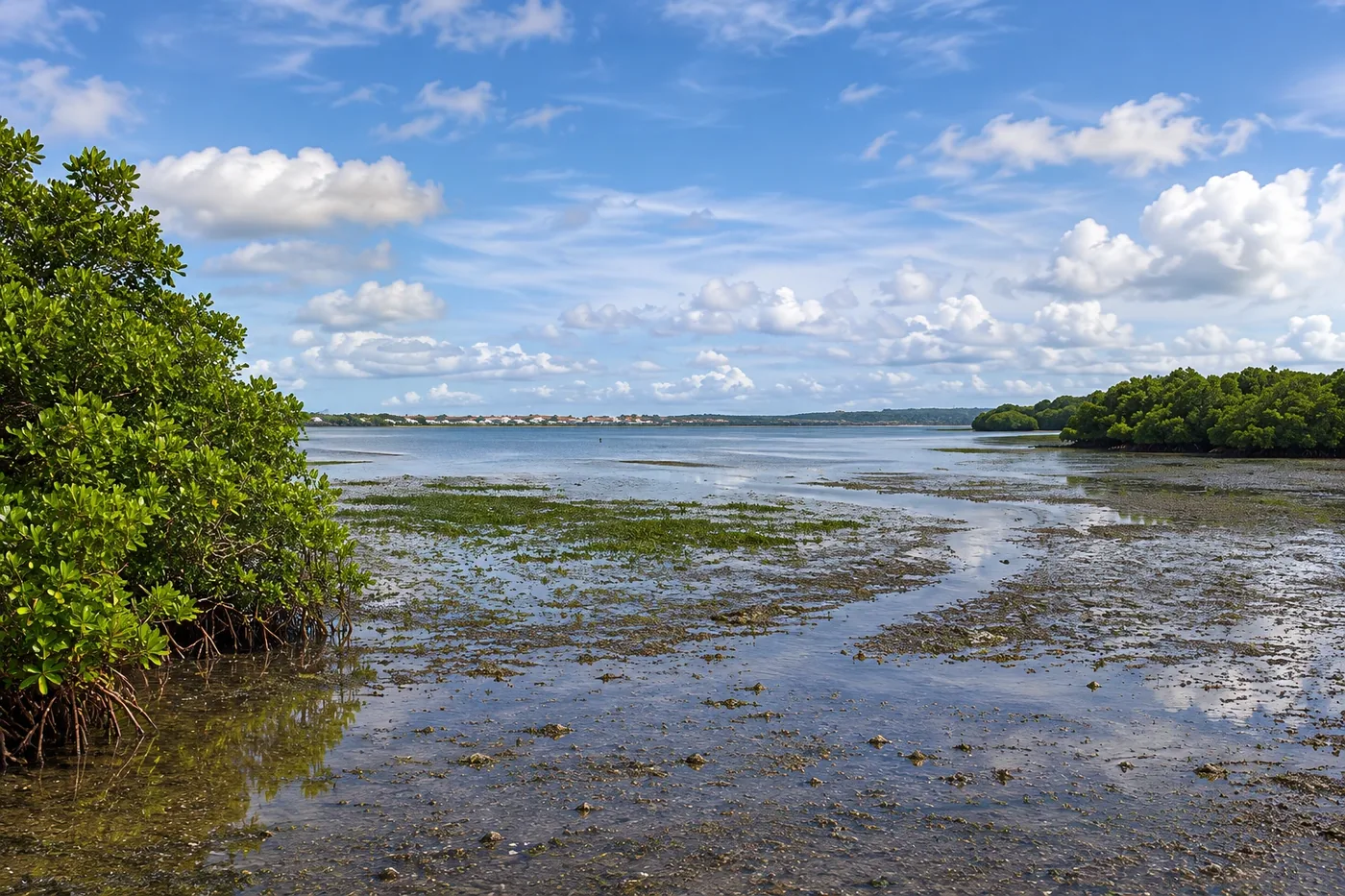
The Ngurah Rai mangrove landscape provides a habitat-focused alternative to travelling far inland for nature. Check current managed visitor access and local arrangements before setting out, because boardwalks and facilities can be affected by maintenance or conditions. A guided explanation introduces tidal habitats and birdlife without requiring close approaches to wildlife. Do not enter mudflats or channels independently. Use an appropriate public entrance, carry water for the heat and keep clear of restricted or working coastal areas. A habitat explanation adds value when birds remain distant.
4. Bali Botanical Garden
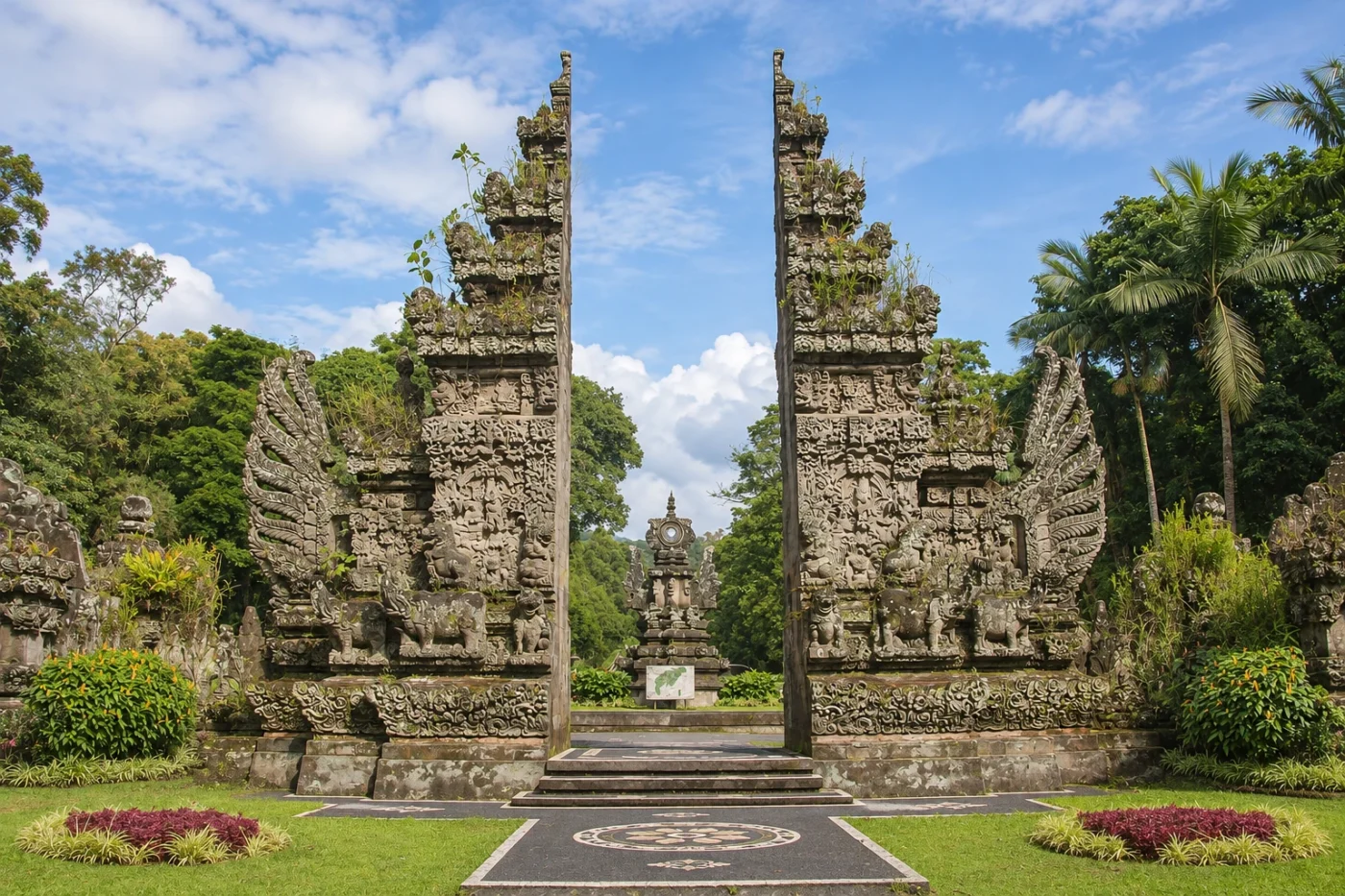
Bali Botanical Garden near Bedugul provides a highland setting of trees, planted collections, lawns and roads through a substantial site. Decide which sections you want to reach rather than assuming the whole garden is a short level walk. The operator’s current visitor information explains access and transport options, which can change by day and programme. Ask specifically about gradients, surfaces and accessible facilities if needed. Bring a layer for cooler weather and allow time for a quiet stop away from the entrance.
5. Munduk plantation landscape walk

A locally guided plantation walk around Munduk connects coffee, cloves and other crops with the cooler highland environment. Arrange a welcomed route through working land rather than following a map into private plots. A botanical or farming focus is useful even when wildlife sightings are limited. Ask about gradients, mud and the finish before booking. The guide’s explanation of cultivation adds more value than an unverified tasting stop, and a village meal makes a coherent half-day. Ask which crops are being worked during your visit.
6. Lake Tamblingan guided shoreline outing

Tamblingan offers a quieter lake-and-forest setting in the central highlands, with sacred sites and locally managed access around its shores. Arrange a walk or traditional-canoe outing through an appropriate local provider rather than treating the entire shoreline as unrestricted public terrain. Routes can involve mud, steps and uneven ground. Ask which parts are open and how the outing respects temples and ceremonies. Cloud, rain and cool air are part of this landscape, not reasons to improvise a different unmarked forest route.
7. Menjangan Island guided marine excursion

Menjangan Island lies within the protected West Bali National Park setting and is normally visited by organised boat from the north-western mainland. Confirm park requirements, the launch point, equipment and the return arrangements with the provider. Snorkeling and certified diving are different products, and neither guarantees a particular animal sighting. The island is not an independent overnight resort destination. Base yourself around Pemuteran or the park’s mainland gateways rather than casually adding the crossing to a south-Bali sightseeing day. Keep the whole day available for the organised excursion.
8. Pemuteran bay and reef interpretation
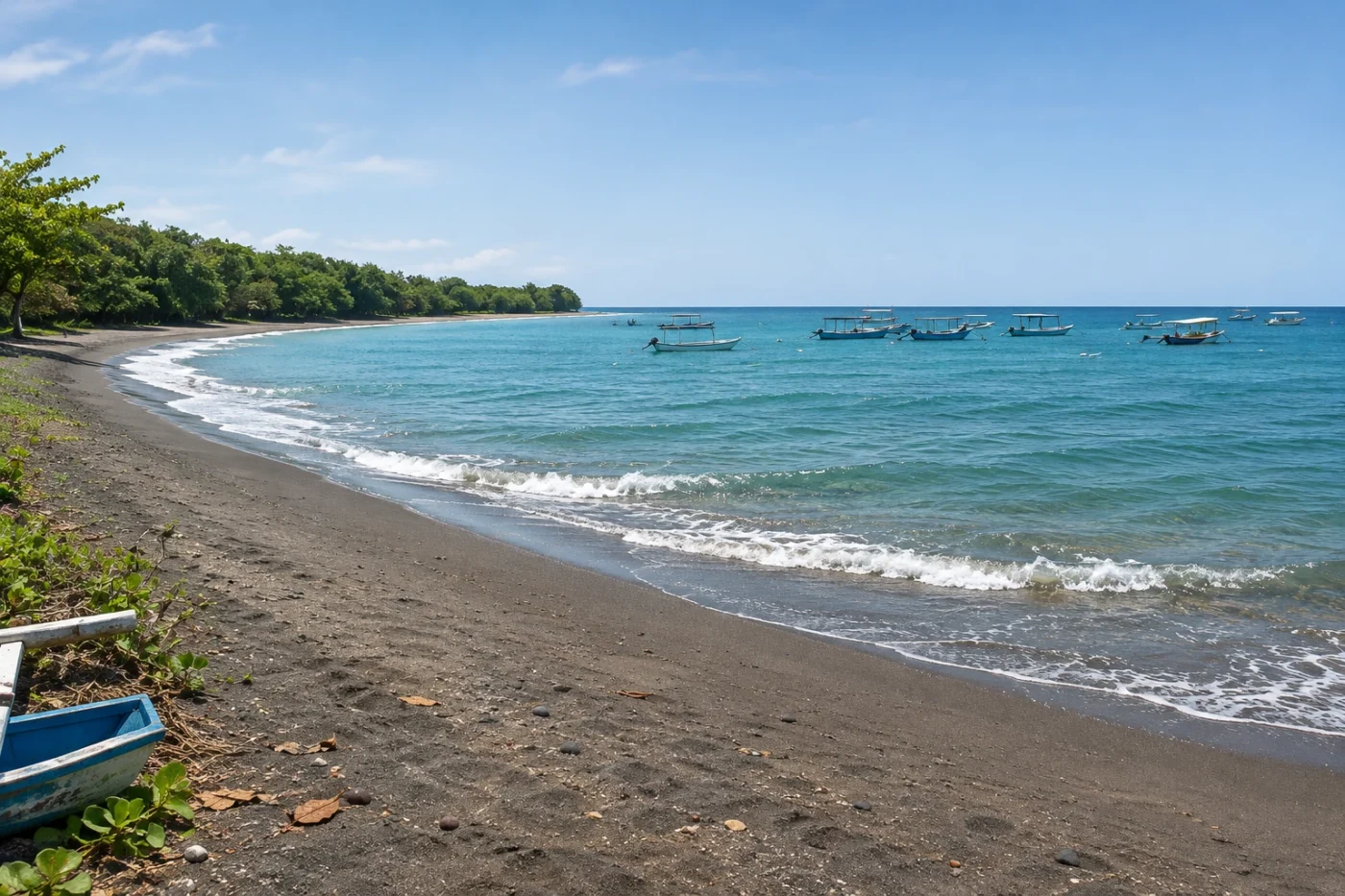
Pemuteran’s north-western bay combines village accommodation with marine activities and opportunities to learn about local reef restoration. Ask a responsible dive or snorkel provider which areas are suitable and how to avoid damaging living structures. Shore appearance alone does not establish the condition or safety of the reef. A guided explanation can add value even for visitors mainly interested in the coast. The area is far enough from southern resorts that an overnight stay usually gives the experience more useful time.
9. Nusa Lembongan mangrove outing
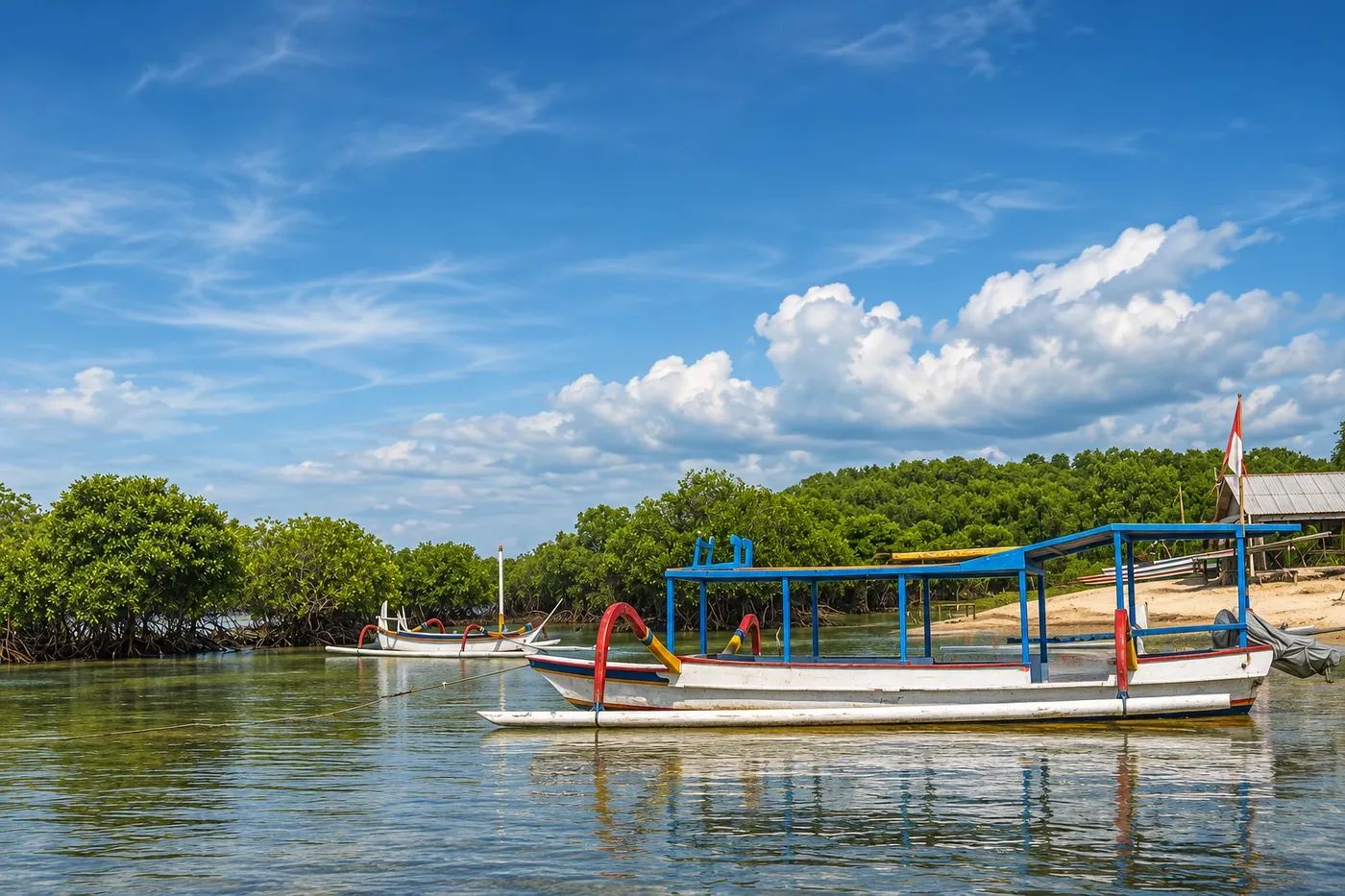
The mangrove area on Nusa Lembongan provides a quieter landscape of tidal channels and coastal vegetation. Arrange a locally managed boat or suitable guided paddling outing rather than entering an unfamiliar channel independently. Tide and the actual craft change the experience, and a short boat ride is not equivalent to an extended kayak excursion. Ask how the provider limits disturbance to wildlife and roots. Leave enough time to return to your island accommodation or ferry without racing a fixed mainland connection.
10. Jatiluwih rice-terrace paths

Jatiluwih offers a broad cultivated landscape where walking routes reveal terraces, water channels and the agricultural setting associated with Bali’s subak heritage. Choose a marked circuit according to the available time and conditions rather than assuming every path has the same distance or surface. Rice colour changes with the planting cycle, so photographs of bright green fields do not promise the same view. Ask local staff which sections are suitable that day, and give farmers and their equipment priority. A guide can explain irrigation beyond the visible terrace pattern.
Season and planning
Bali’s weather varies by region, elevation and the day’s conditions. Wetter periods can affect roads, paths and the sea, while a nominal dry-season date does not guarantee clear skies or a calm crossing. Check the destination’s current access and the weather close to departure. Highland stops can be cooler and mistier than southern beaches, so carry an appropriate layer and avoid building the whole visit around one photograph.
Use binoculars, keep distance and follow the guide’s habitat rules. Ask how the outing avoids disturbance and whether permissions are needed. Do not buy an animal encounter simply because it is described as a rescue or sanctuary experience. Confirm the route, surfaces, shade and return transport, and keep a land-based alternative when boat conditions are unsuitable.
Related Bali guides
West Bali National Park
Explore West Bali National Park with ten practical experiences, seasonal advice, transport planning and realistic one-to-three-day itineraries.
Pemuteran
Explore Pemuteran with ten practical choices, regional excursions, seasonal advice, transport notes and realistic one-to-three-day planning.
Munduk
Explore Munduk with ten practical choices, regional excursions, seasonal advice, transport notes and realistic one-to-three-day planning.

Marine-Life Watching
Bali marine-life watching includes reef interpretation, snorkeling, diving and habitat-focused boat outings.
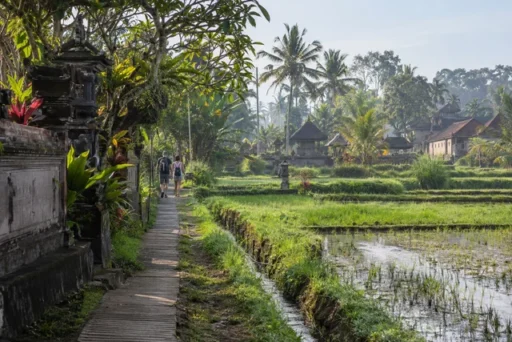
Walks and Gentle Hikes
Walking in Bali ranges from paved waterfront sections to steep, slippery paths, so the word gentle needs a precise route behind it.
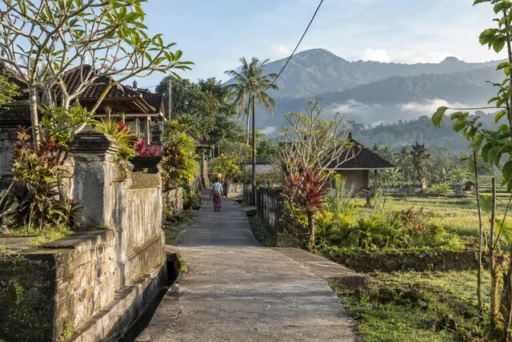
Quiet Places Away from the Crowds
Looking for quieter Bali does not require finding an undiscovered place or entering somewhere residents have not invited visitors.
Questions and answers
Are these ten choices meant for one day?
No. The list compares options. Choose a small number in a coherent area and leave time to experience them properly.
Are opening hours and prices guaranteed?
No. Use the linked official or provider information to check current access, bookings and charges for your travel dates.
Do I need to ride a scooter?
No. Many visitors use arranged drivers, transfers and short local walks. The practical option depends on the specific route and accommodation.
Will I definitely see particular wildlife?
No. Sightings vary with habitat, season, weather and animal behaviour. A botanical or habitat-focused outing can still be rewarding when animals remain distant or unseen.
Sources and further reading
Use the responsible authority or provider for current access, availability and booking details.