10 Historic and Royal Sites in Bali Beyond a Photo Stop
Written 26 October 2026 · BaliTop10
Bali’s historic places include royal compounds, water-palace gardens, archaeological remains, living temples and villages with distinctive traditions. They should not all be approached as empty monuments. Some are still used for worship or daily life, and access can differ between public grounds and private or sacred areas. This selection compares ten named settings with their geographical context. Choose a limited regional route and leave room for interpretation instead of using every carved gate as the same portrait background. A knowledgeable local guide can help explain what you are seeing while making clear which stories are historical evidence and which belong to local tradition.
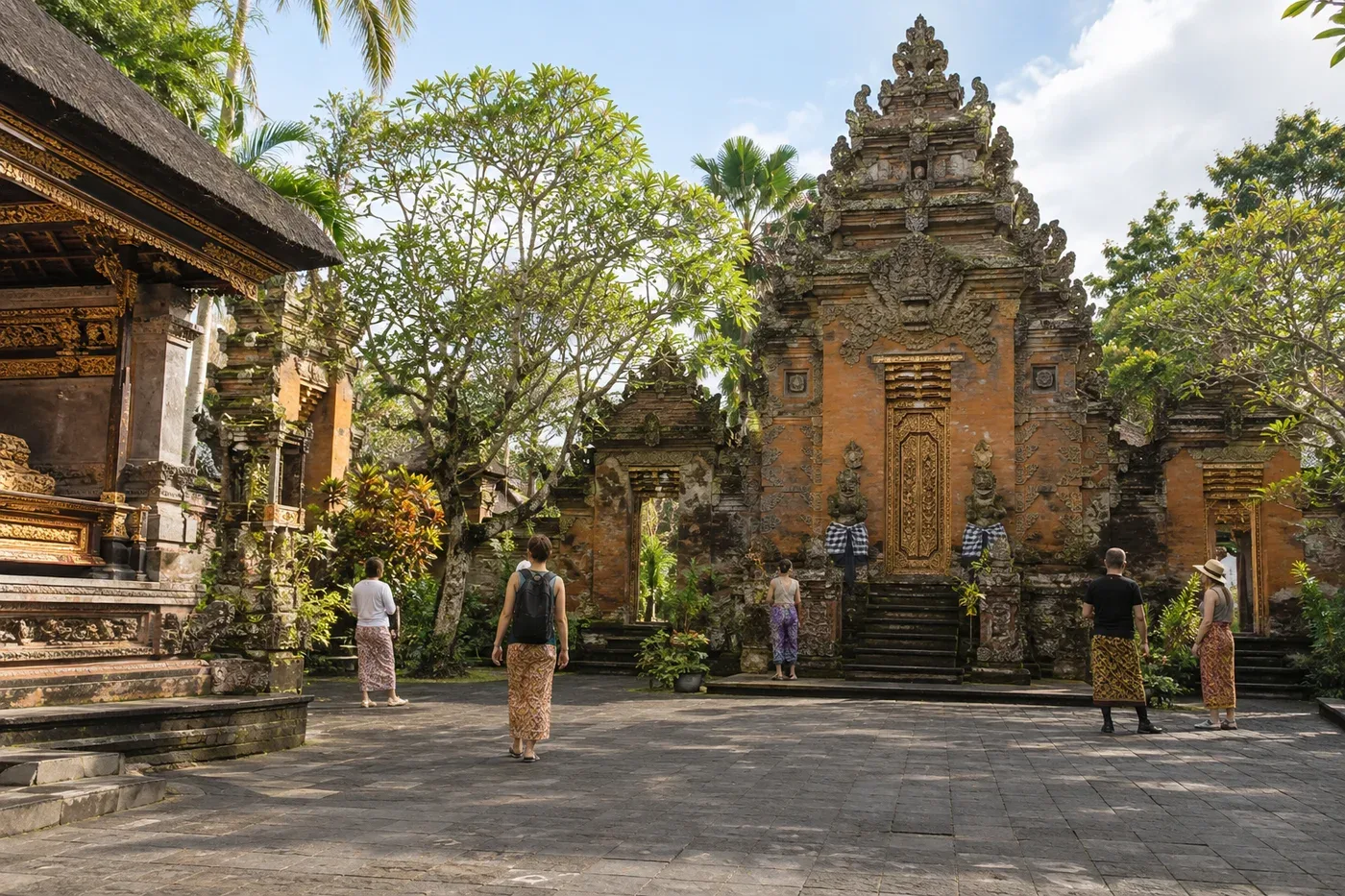
1. Ubud Palace visitor areas
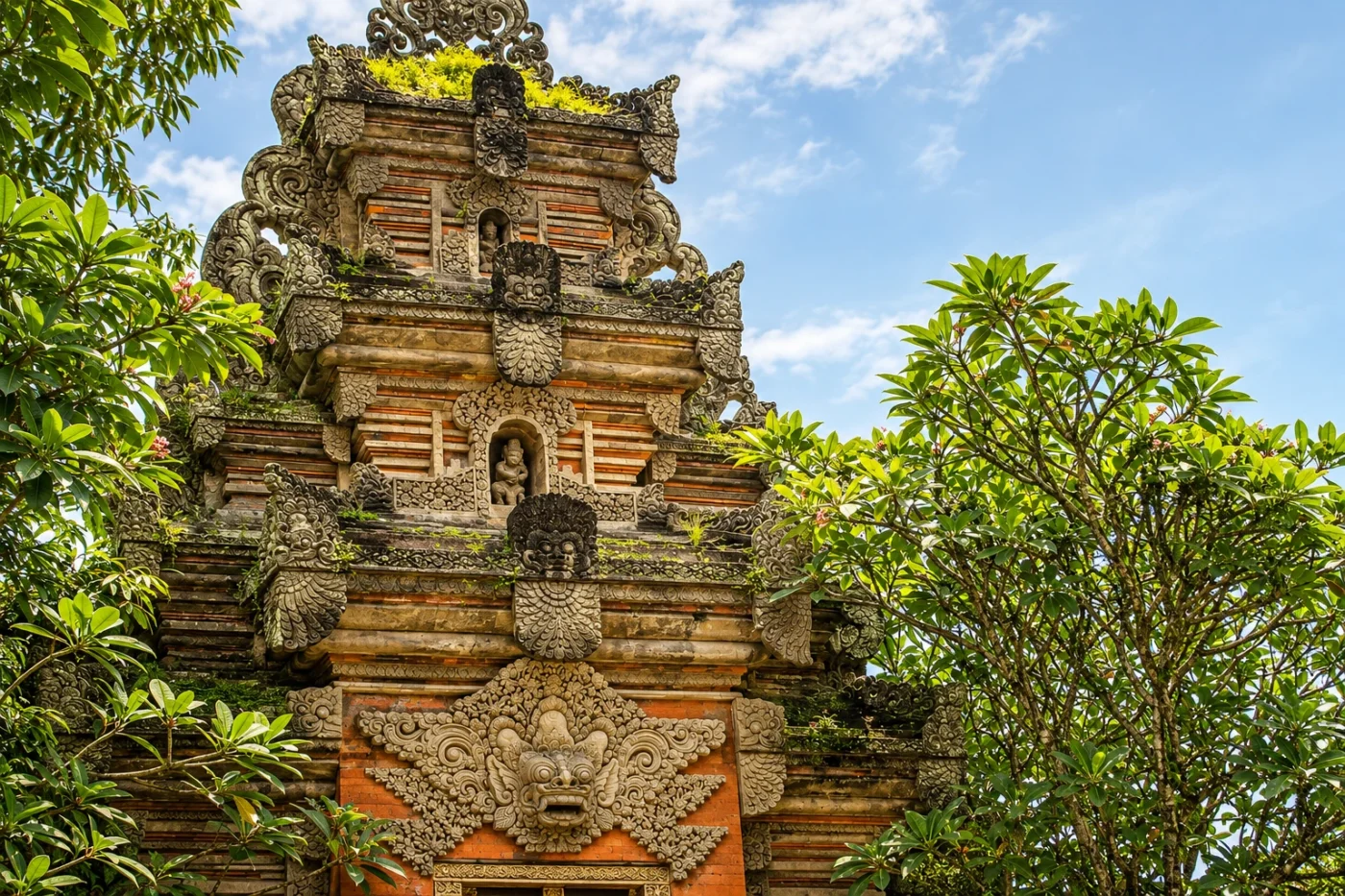
Puri Saren Agung stands in central Ubud, where palace architecture, courtyards and the street outside introduce the town’s relationship with royal patronage and performance. Visit only the areas open to the public: this is not a licence to explore private or ceremonial rooms. A short daytime visit can be paired with nearby art institutions. Evening performances follow their own programme and ticket arrangements, so a daytime palace stop does not automatically include a dance show or a reserved seat. A local guide can add context to the public areas.
2. Kerta Gosa and the Klungkung royal complex
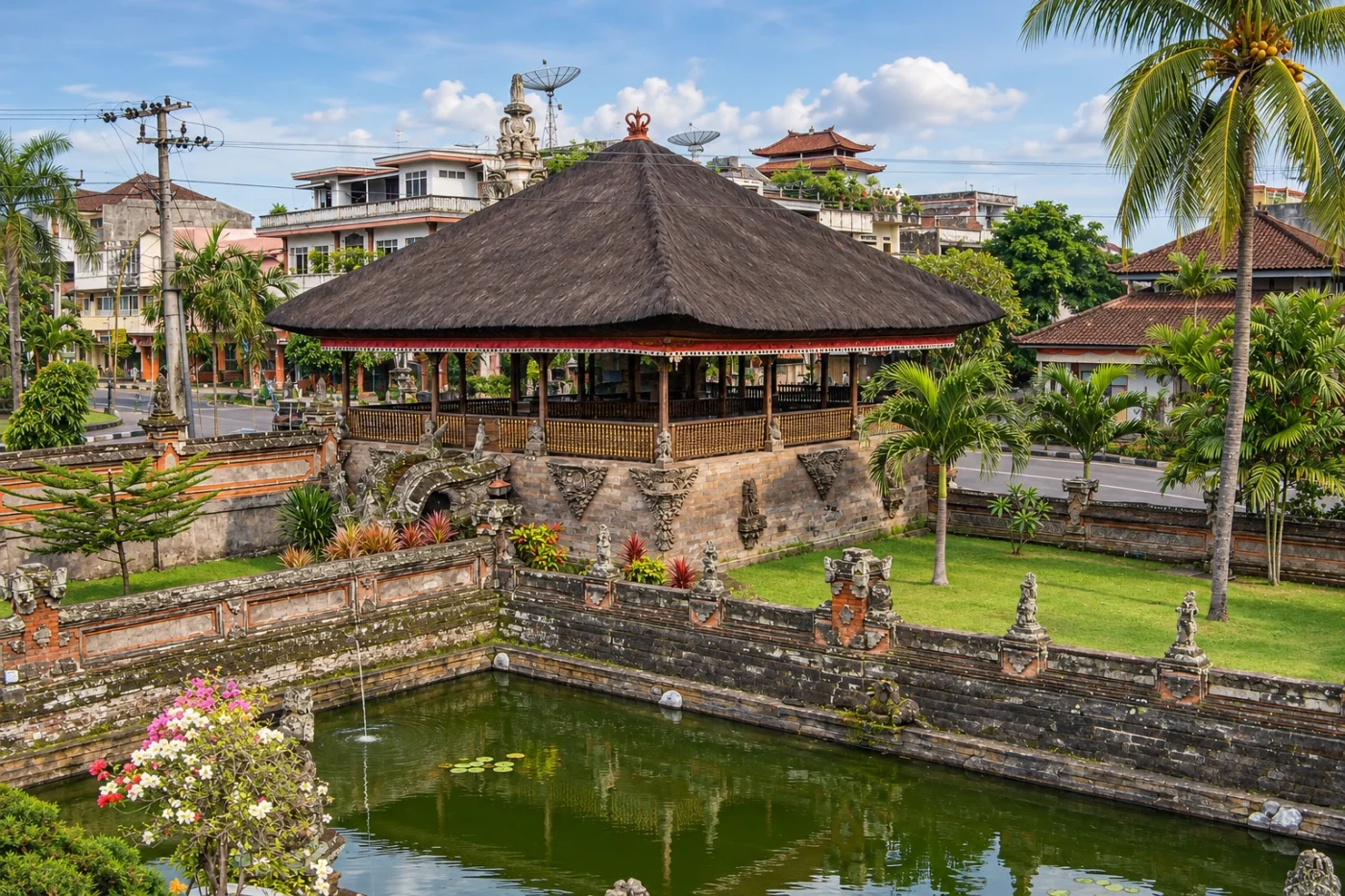
Klungkung’s historic royal-centre area includes Kerta Gosa and the Bale Kambang setting, where painted ceilings and architectural detail give context to the region’s political and artistic history. Look for interpretation rather than treating the complex as a decorative courtyard. Protect painted surfaces and obey photography rules. The visit can fit a route between southern or central Bali and the east, but plan an actual stop with time to explore instead of assuming it is beside the through road. A guided explanation can connect architecture with painted narratives.
3. Tirta Gangga water-palace gardens
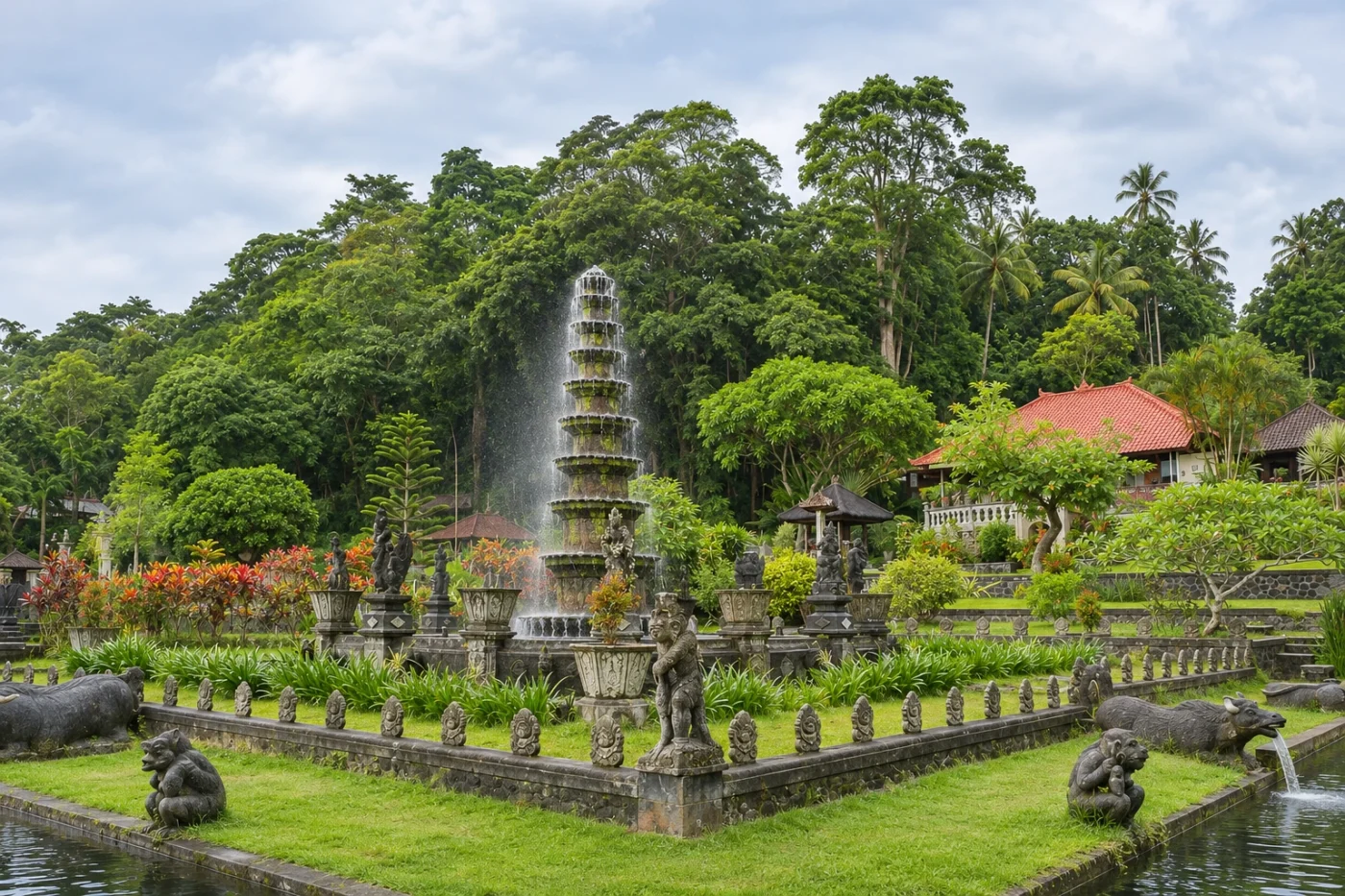
Tirta Gangga combines ornamental pools, water features and garden paths in eastern Bali. It is a rewarding place to slow down rather than simply queue for a stepping-stone photograph. Wet stones, changes in level and narrow pool edges deserve attention, especially with children. The garden visit is distinct from any bathing or pool product offered on site. Stay on permitted paths and let staff clarify current access. A nearby rural walk or meal can complete a focused Karangasem day. Look beyond the familiar pool photograph to the wider garden layout.
4. Taman Ujung water palace
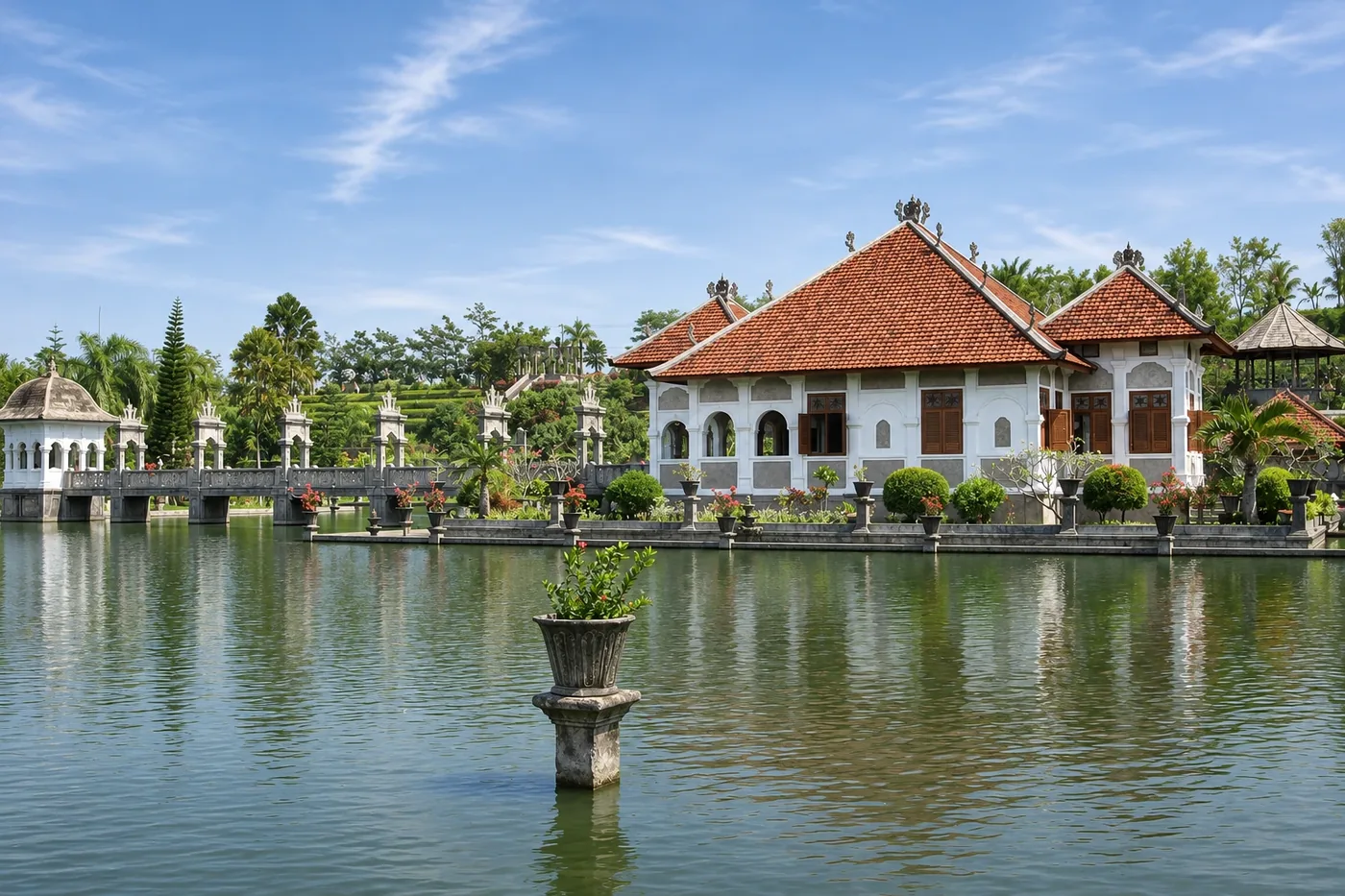
Taman Ujung’s pools, bridges, buildings and landscaped grounds offer an expansive introduction to Karangasem’s royal heritage. The space is best appreciated as a garden-and-architecture visit rather than a single photo platform. Some viewpoints involve stairs and the open grounds can be hot, so choose a manageable route and carry water. Ask which structures are accessible on the day. Combine the visit with nearby eastern-coast stops rather than adding a distant Ubud or south-coast attraction to the same afternoon. A shaded rest can make the garden circuit more enjoyable.
5. Taman Ayun temple grounds
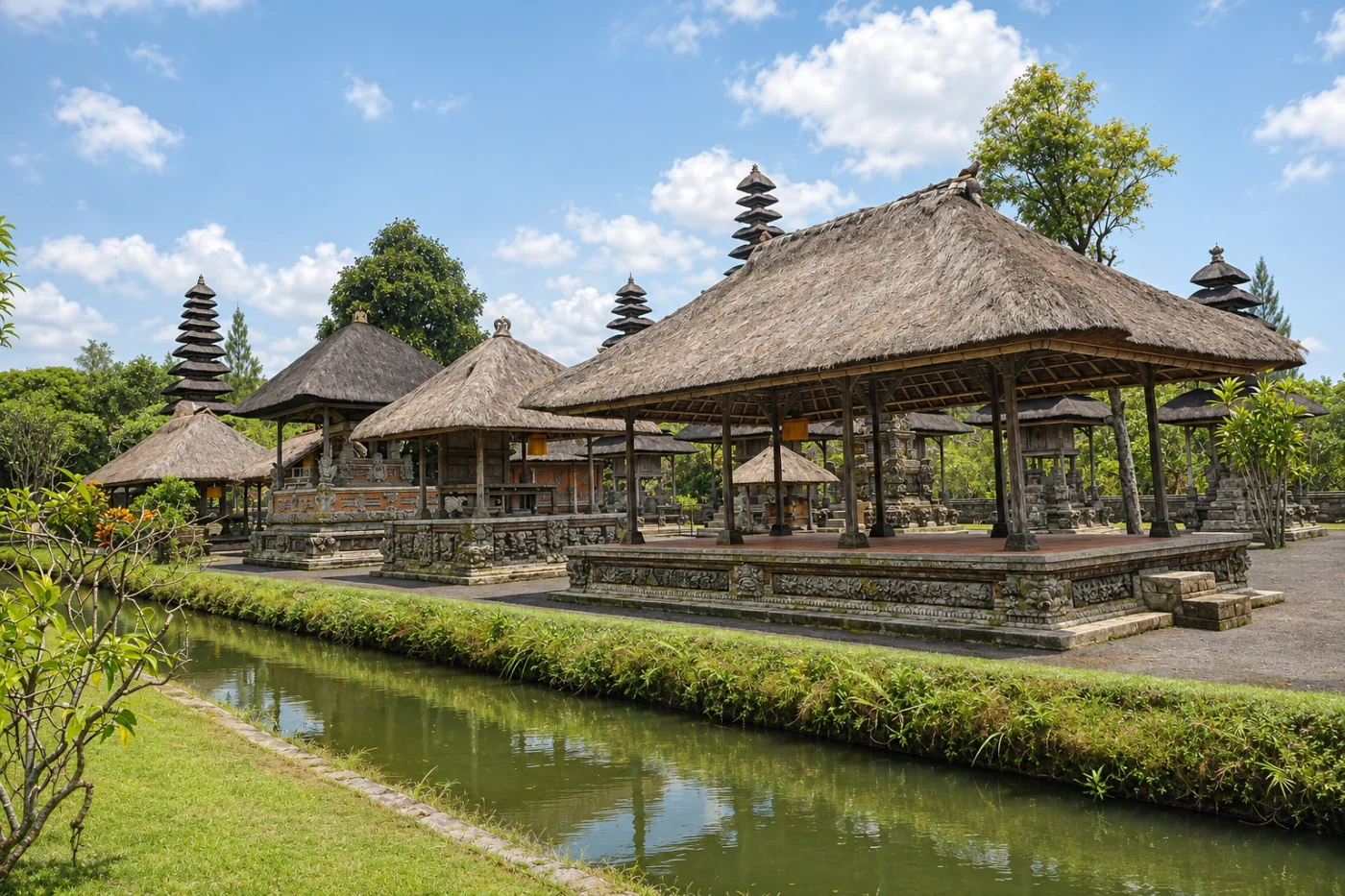
Taman Ayun in Mengwi offers landscaped grounds and views towards the temple’s tiered shrines. Visitors generally appreciate the layout from permitted outer areas rather than entering every sacred courtyard. Use the marked visitor route, follow clothing instructions and check for ceremonies that alter access. The setting can provide a calmer architecture-focused stop between busier coastal and Ubud areas, but traffic still determines the day’s travel. Do not assume an apparently short distance on the map means a quick transfer. Allow time to read the available cultural interpretation.
6. Goa Gajah archaeological site
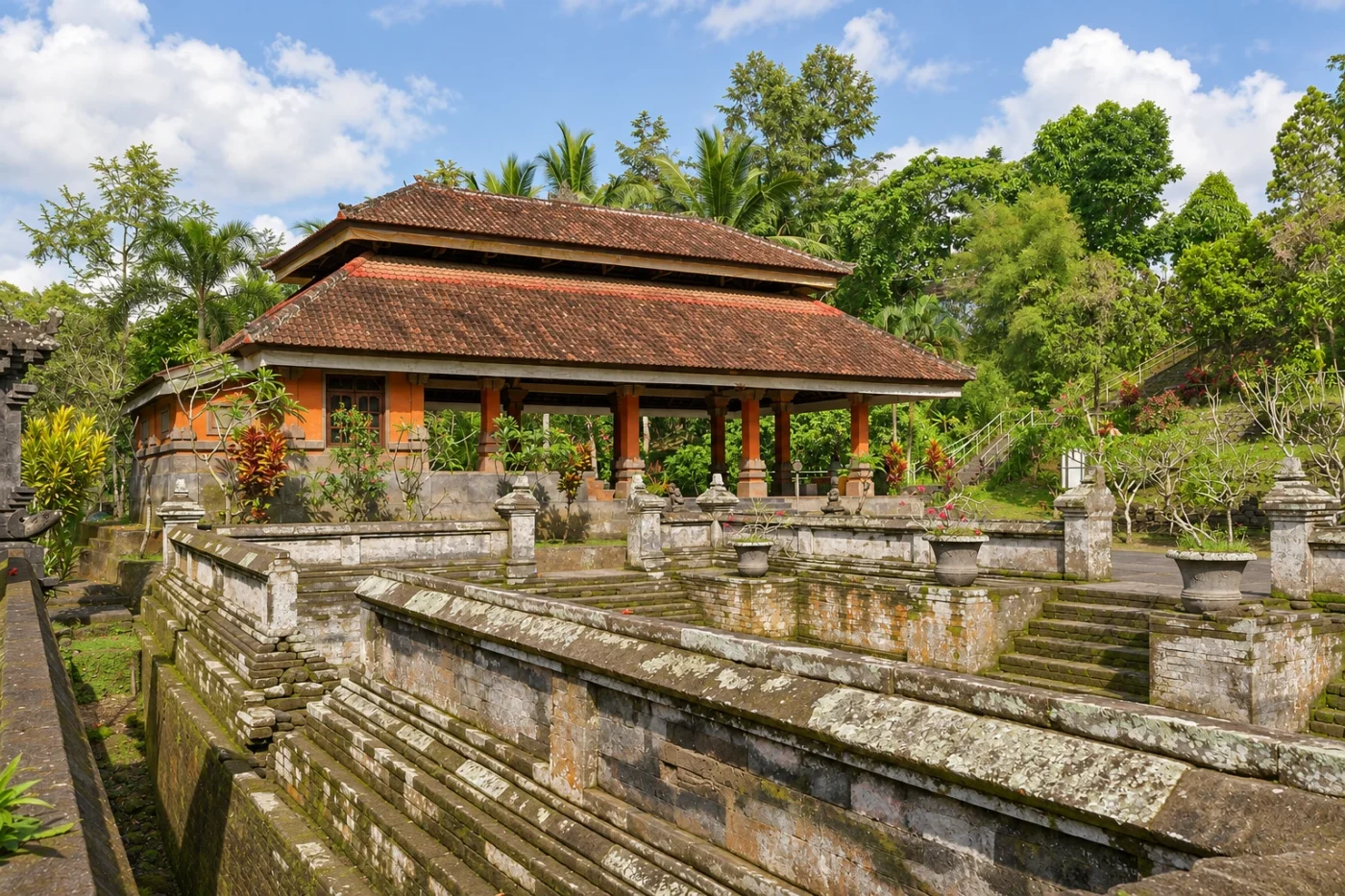
Goa Gajah combines a carved cave entrance with bathing structures and a landscaped archaeological setting near Ubud. The site involves steps and changing surfaces, so ask about the practical route before visiting with mobility limitations. The cave is only one part of the experience; allow time to read the interpretation and understand the wider setting. Sacred-space rules still apply. Wear the required clothing and avoid entering water features or restricted areas because another visitor has done so. Read the interpretation before moving between the visitor areas.
7. Gunung Kawi shrines at Tampaksiring
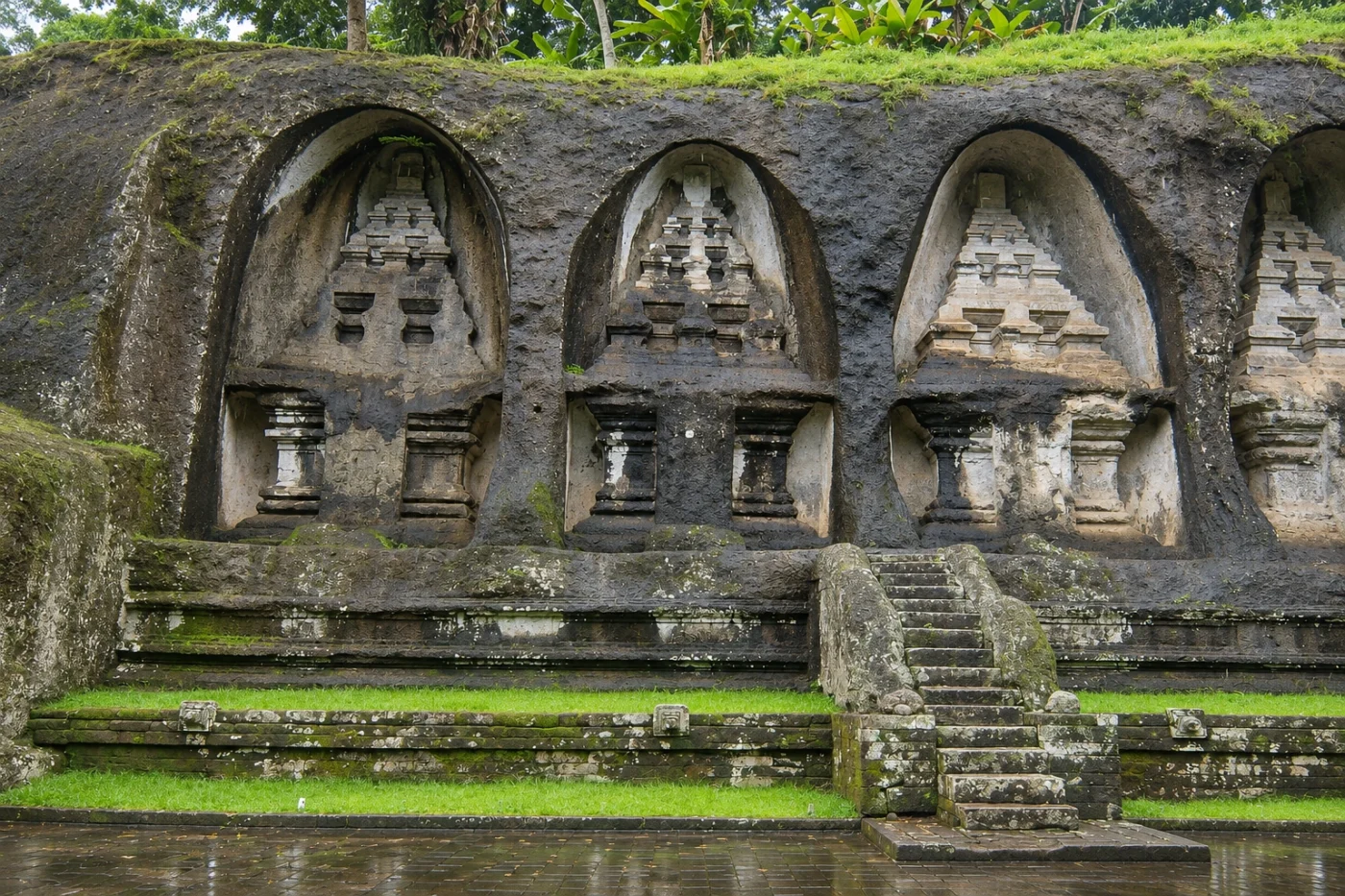
Gunung Kawi at Tampaksiring is known for monumental shrines cut into rock in a river-valley setting. Reaching and leaving the site involves a substantial stair walk, making it a different commitment from a roadside temple stop. Allow time and energy for the climb back up, particularly in humid conditions. Follow the visitor paths around the shrines and sacred areas. Choose it as a main cultural stop rather than an extra squeezed into an already crowded day of waterfalls and terraces.
8. Besakih temple visitor route
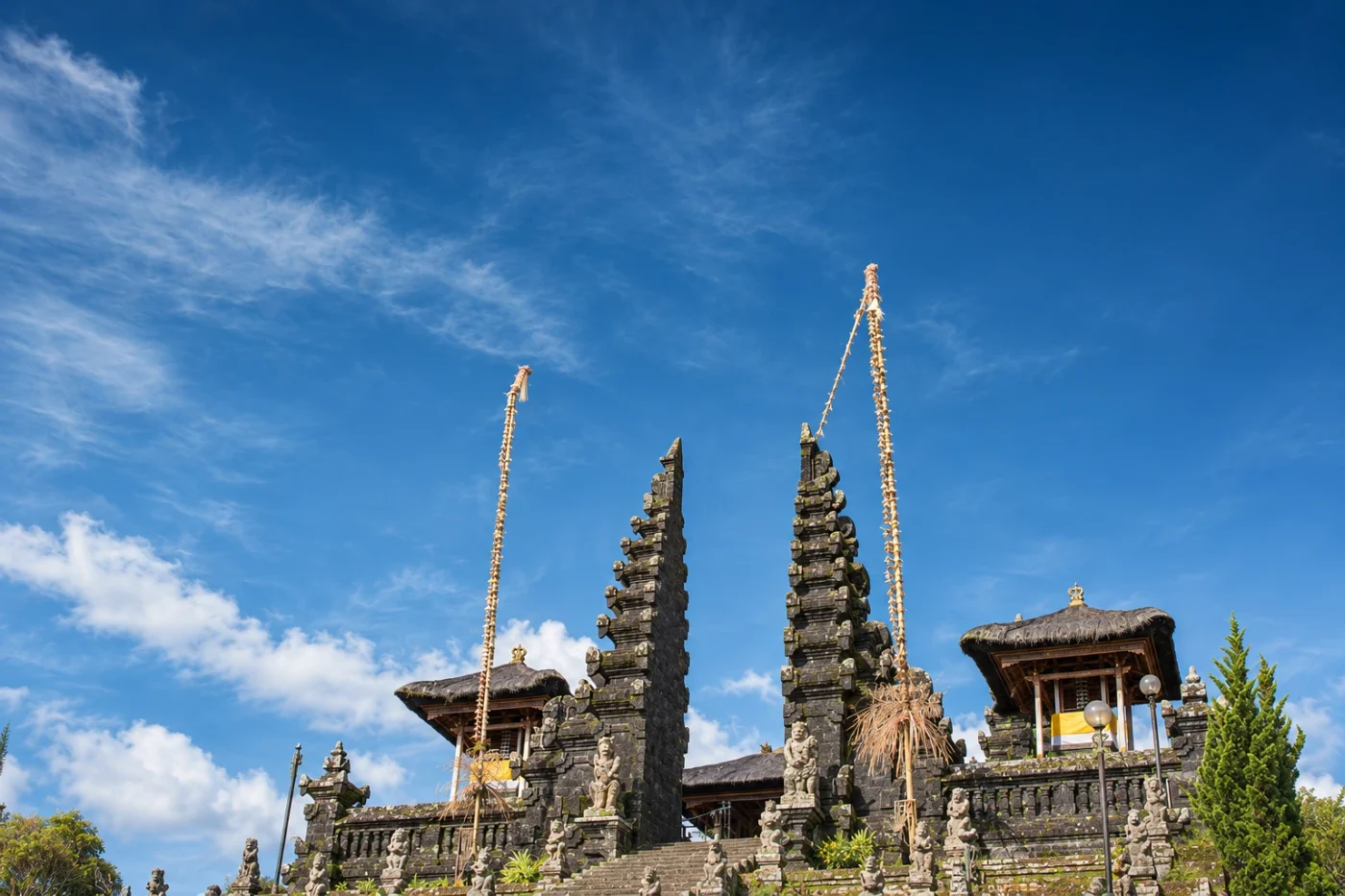
Besakih’s temple complexes occupy the slopes of Mount Agung and remain important places of worship. The cultural significance is a reason to visit respectfully rather than to expect unrestricted access. Use the authorised visitor arrangements, follow the current clothing and guide requirements and stay outside areas reserved for prayer. A visit here is not a volcano-climbing permit. Allow time for the road approach and the gradients within the visitor route; cloud may hide the mountain entirely. Allow time to listen to a competent guide’s explanation.
9. Pura Kehen
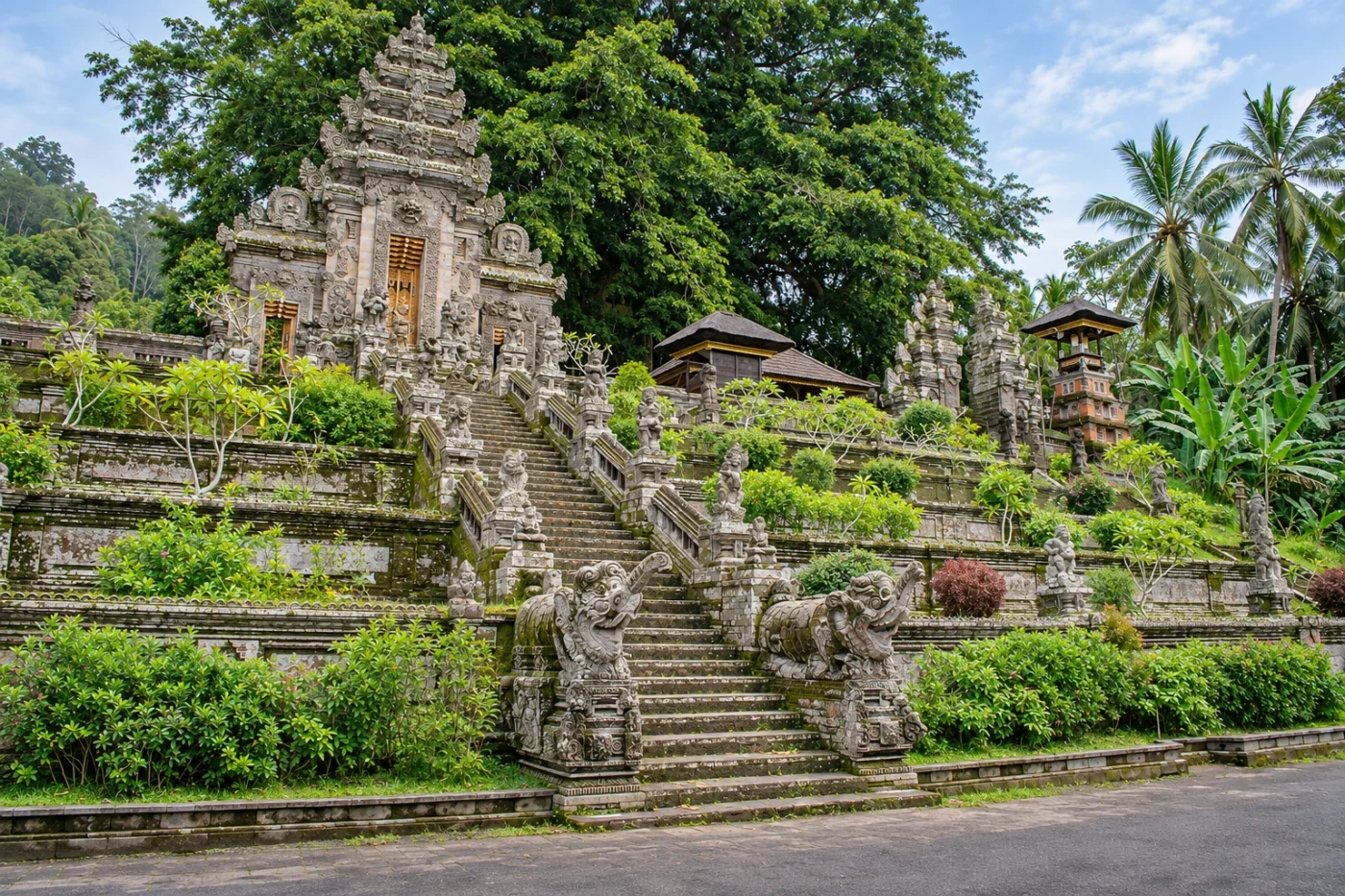
Pura Kehen rises above a substantial stair approach in Bangli and offers a different atmosphere from Bali’s coastal temple viewpoints. Its gateways, courtyards and large trees reward an unhurried visit, subject to which areas are open. The stairs make this a poor choice for anyone expecting a step-free stop. Wear the required temple clothing and follow ceremonial closures. It can be paired geographically with Penglipuran, but confirm the road route and leave time for a proper meal between visits. Leave space for local religious activity during the visit.
10. Tenganan Pegringsingan village
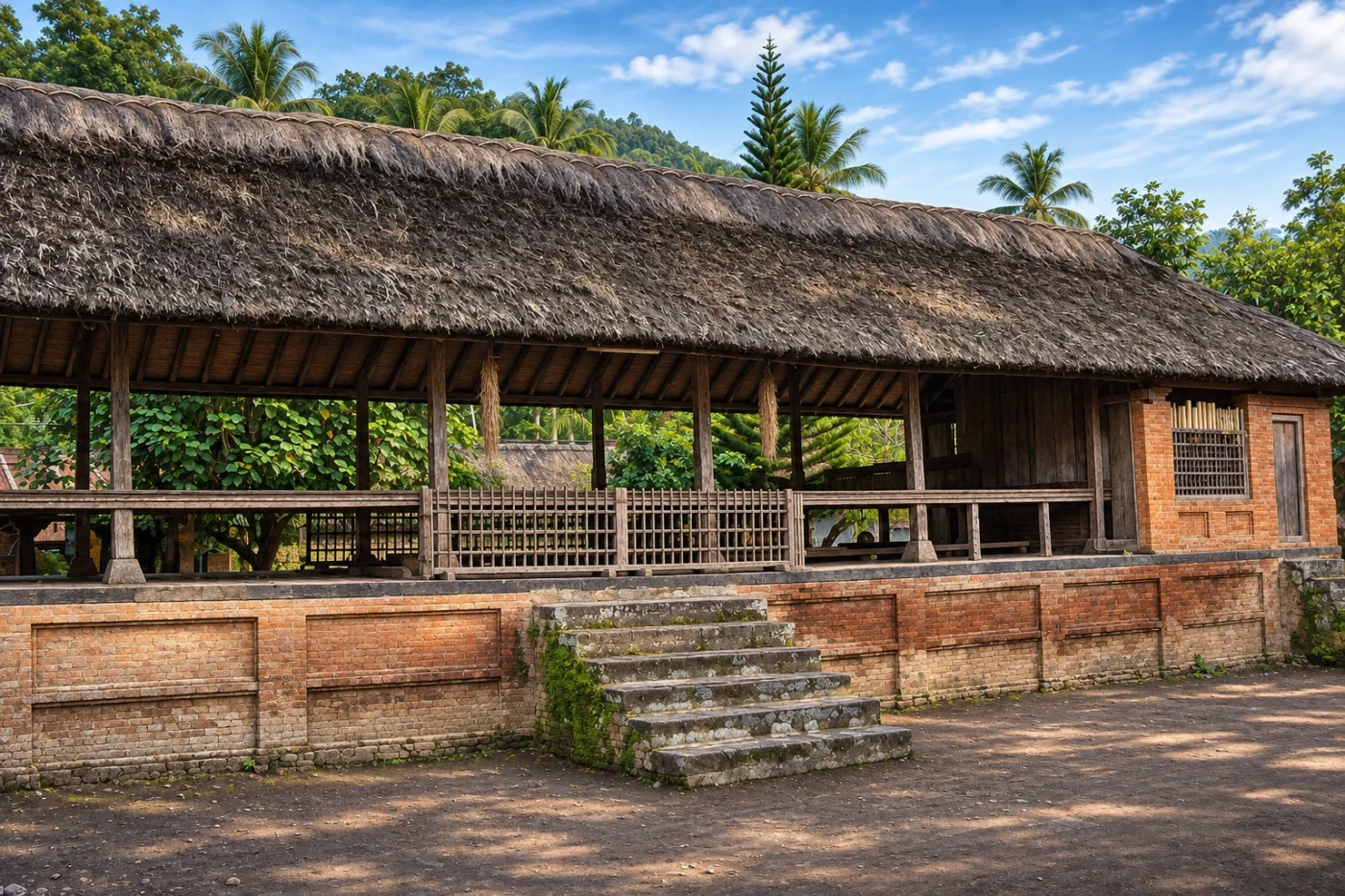
Tenganan Pegringsingan is associated with a distinctive village layout, community traditions and geringsing double-ikat textiles. Visit through the local visitor arrangements and avoid presenting the community as a museum frozen in the past. Ask permission before entering compounds or photographing residents at work. A conversation with a knowledgeable local guide can explain more than an unsupported shopping visit. Textile purchases benefit from asking who made the cloth, how it was produced and what its price represents. Ask who can provide a welcomed introduction to village traditions.
Season and planning
Bali’s weather varies by region, elevation and the day’s conditions. Wetter periods can affect roads, paths and the sea, while a nominal dry-season date does not guarantee clear skies or a calm crossing. Check the destination’s current access and the weather close to departure. Highland stops can be cooler and mistier than southern beaches, so carry an appropriate layer and avoid building the whole visit around one photograph.
Dress according to site instructions, respect restricted areas and ask before photographing worshippers or residents. Check current visitor access and any ceremony-related changes. Steep stairs at archaeological sites need separate consideration from a garden viewpoint. For a rewarding day, connect nearby sites with a local meal and enough time to read or listen rather than making a cross-island ten-stop itinerary.
Related Bali guides
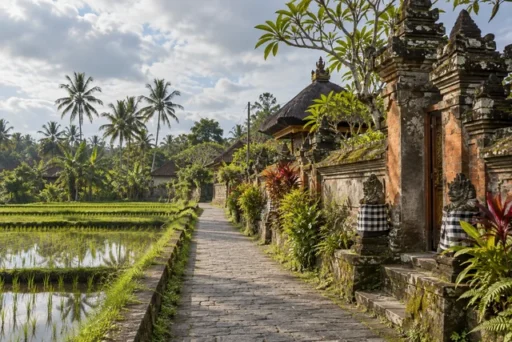
Ubud
Explore Ubud with ten local experiences, realistic itineraries, transport advice and seasonal planning for a Bali stay.
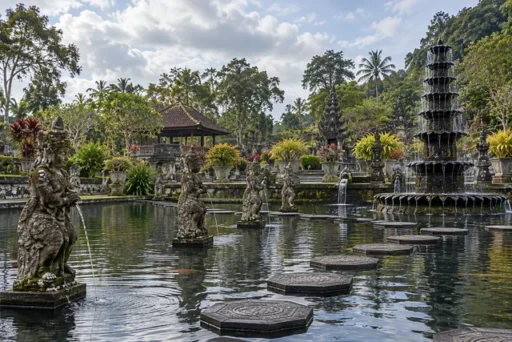
Tirta Gangga and Ababi
Explore Tirta Gangga and Ababi with ten practical experiences, seasonal advice, transport planning and realistic one-to-three-day itineraries.
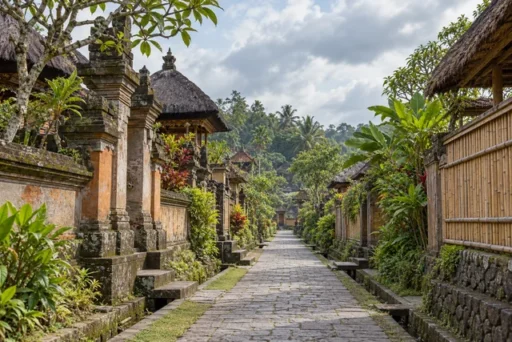
Bangli and Penglipuran
Explore Bangli and Penglipuran with ten practical experiences, seasonal advice, transport planning and realistic one-to-three-day itineraries.
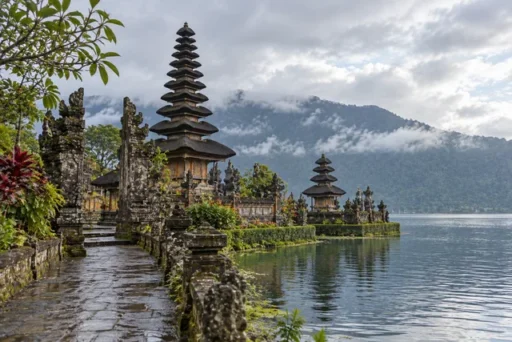
Temples
Bali’s temples are places of worship and community life before they are sightseeing stops.
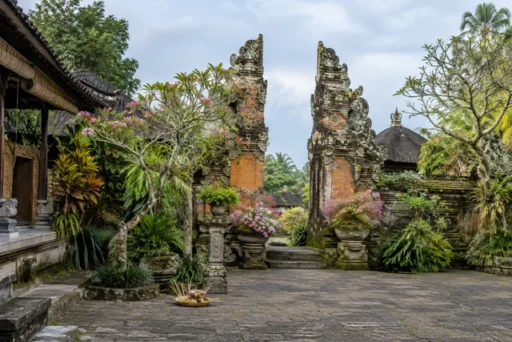
Balinese Cultural Experiences
Balinese culture is lived in homes, temples, fields, workshops and performance spaces.
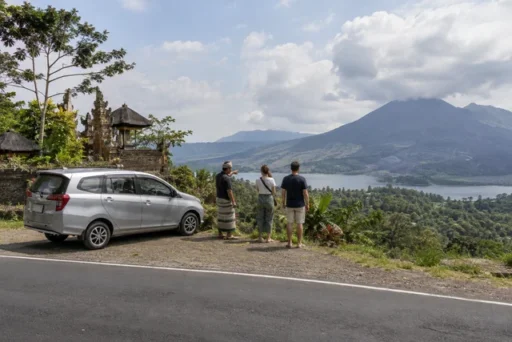
Private-Driver Day Trips
A private driver can make a Bali day more flexible, but it does not remove traffic or turn every distant attraction into a sensible combination.
Questions and answers
Are these ten choices meant for one day?
No. The list compares options. Choose a small number in a coherent area and leave time to experience them properly.
Are opening hours and prices guaranteed?
No. Use the linked official or provider information to check current access, bookings and charges for your travel dates.
Do I need to ride a scooter?
No. Many visitors use arranged drivers, transfers and short local walks. The practical option depends on the specific route and accommodation.
Are all areas open to visitors?
No. Royal, sacred and village settings can include private or restricted spaces. Follow the actual visitor route and current clothing and photography instructions, especially during ceremonies.
Sources and further reading
Use the responsible authority or provider for current access, availability and booking details.