10 Balinese Cultural Experiences Beyond a Photo Stop
Written 26 October 2026 · BaliTop10
Balinese culture is lived in homes, temples, fields, workshops and performance spaces. A rewarding visit makes room for explanation and consent rather than treating everyday activity as a display arranged for tourists. These ten experiences compare cultural settings across Bali, from subak landscapes to a hosted cooking session. Choose a small number around your base and arrange a suitable local host where interpretation matters. Temple access follows local religious practice, while museums and ticketed performances have separate visitor arrangements. Neither an admission ticket nor a guide provides permission to enter private rooms or interrupt ceremonies. Ask questions, dress appropriately and let the host set the boundaries.
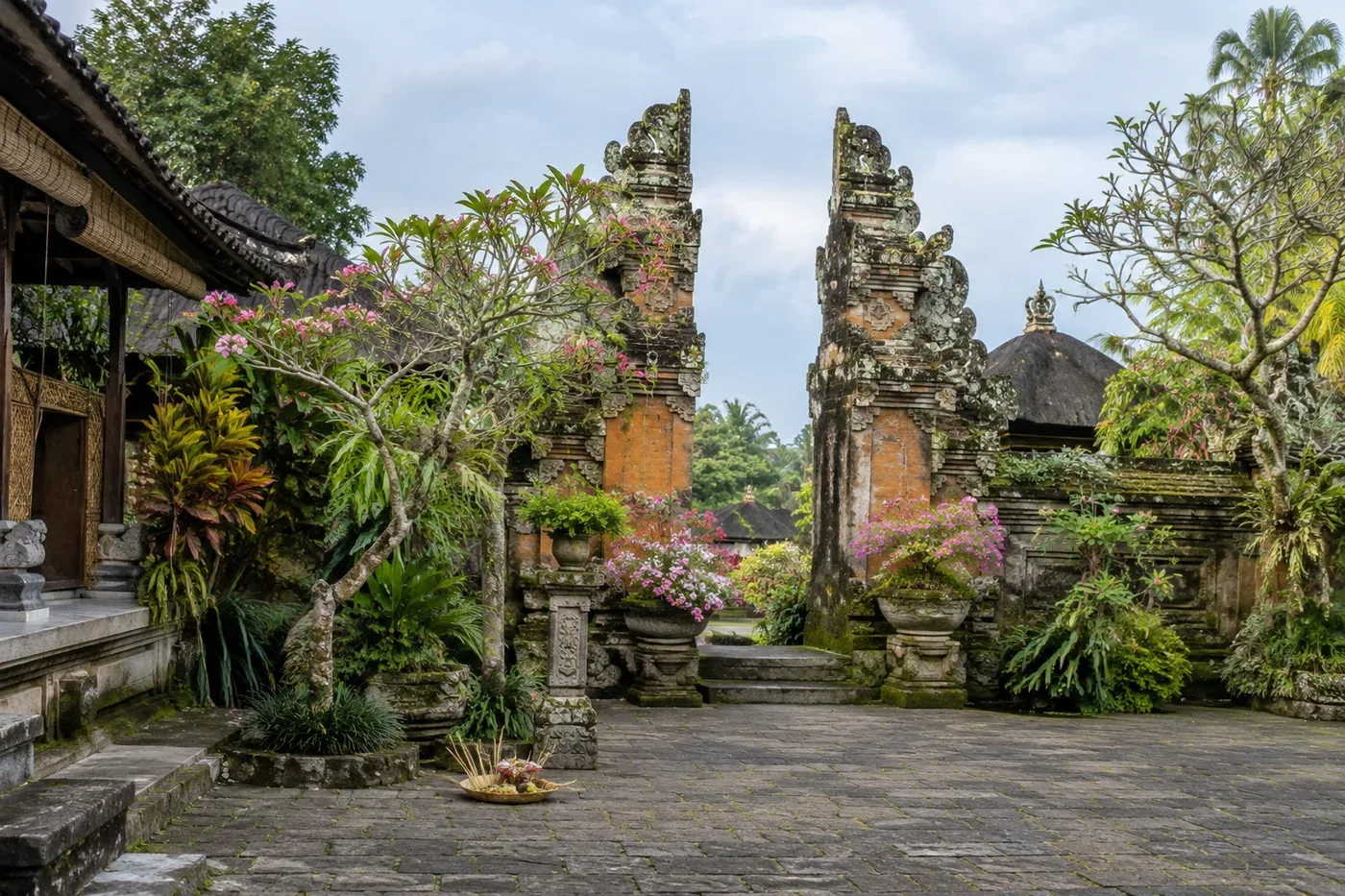
1. Jatiluwih subak landscape walk
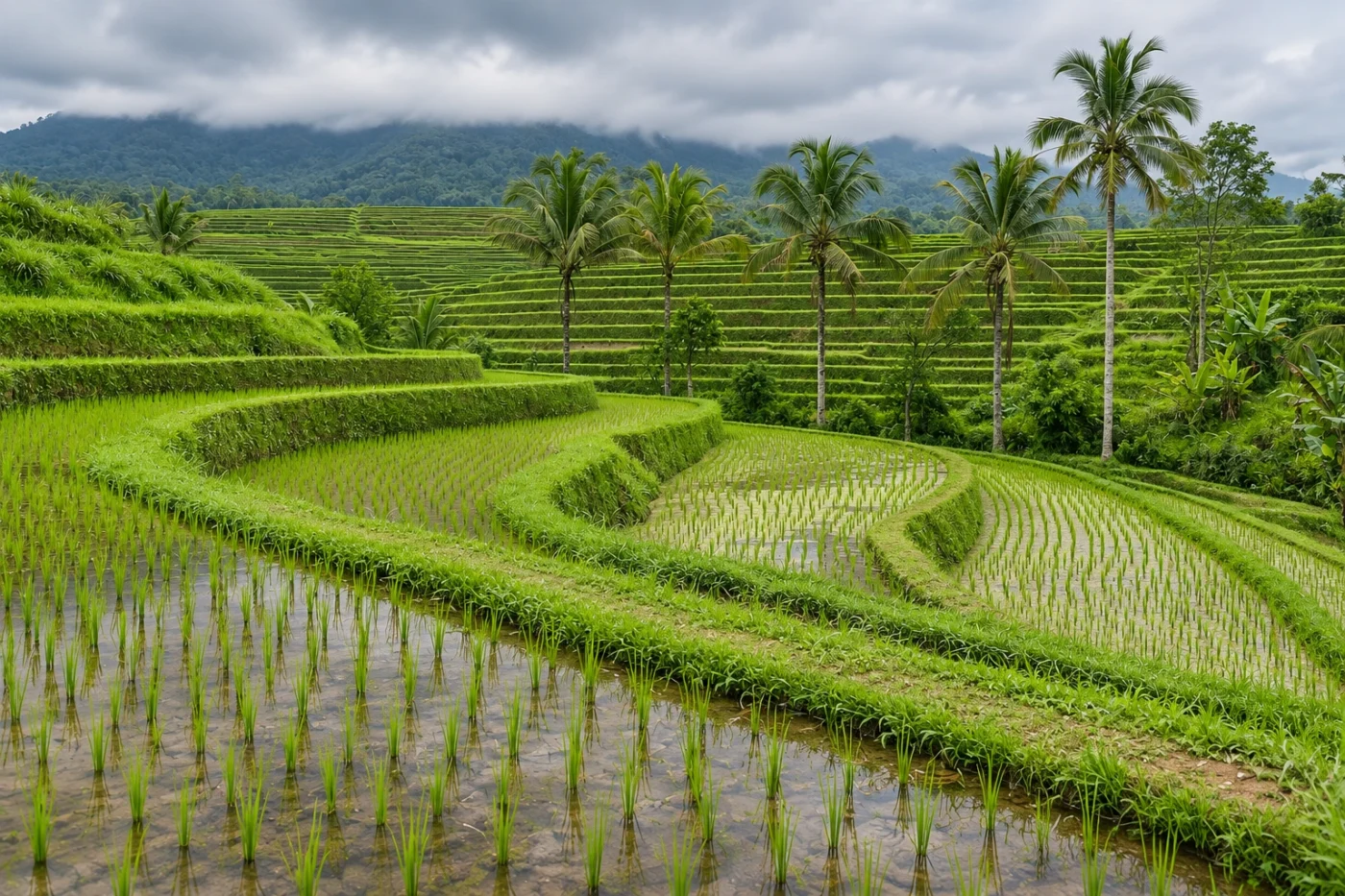
Jatiluwih provides an opportunity to understand Bali’s rice landscape as working agriculture rather than a static scenic backdrop. Walk a marked route and ask a local guide about water sharing, cropping and the social organisation associated with subak. A distant view of terraces does not explain those relationships on its own. Choose a manageable circuit and keep farmers’ access clear. Crop colour and activity change with the agricultural cycle, so visit for the place and its interpretation rather than expecting one familiar green photograph on every date.
2. Paon Bali cooking and village session
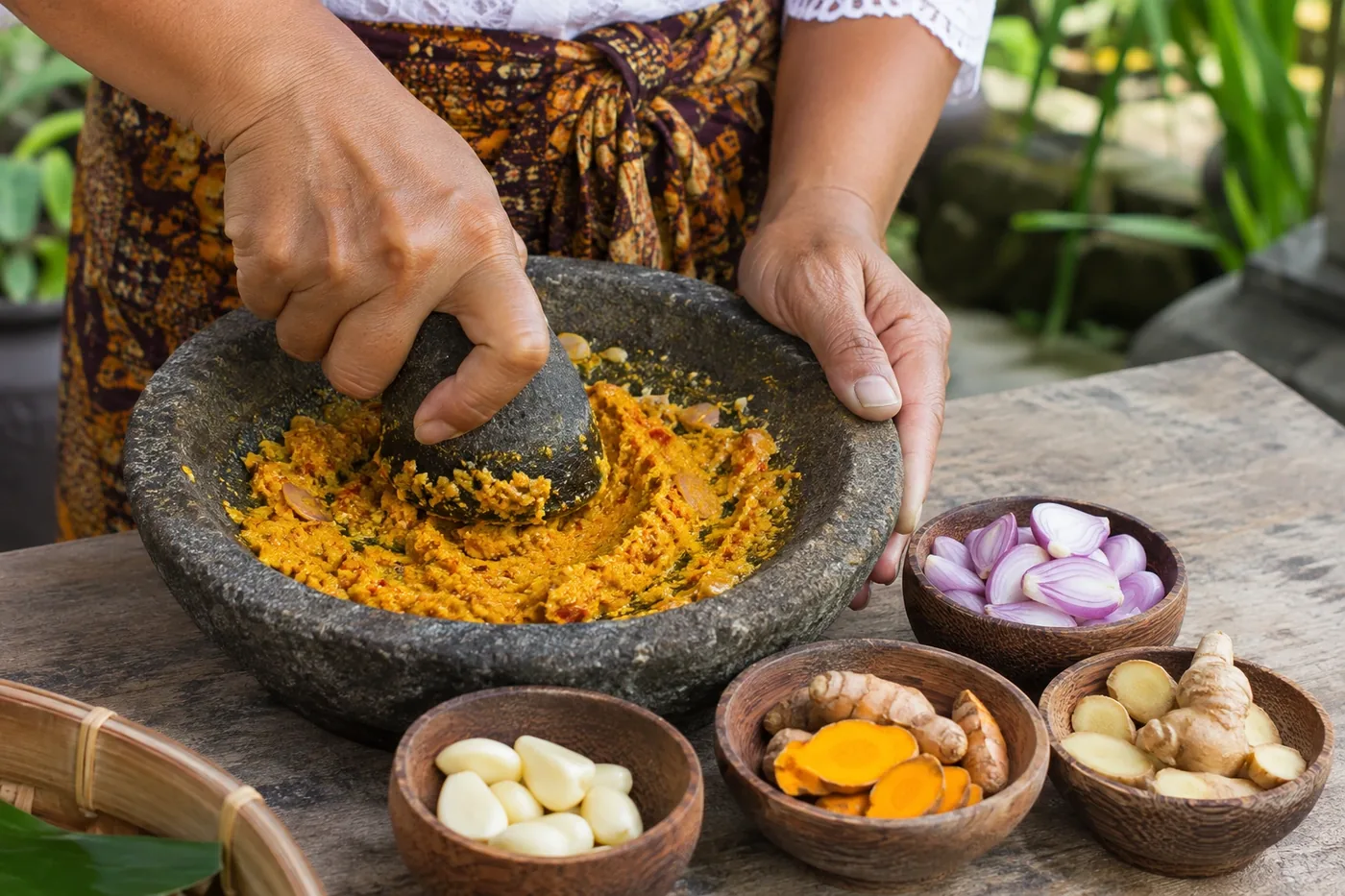
Paon Bali’s hosted cooking programme near Ubud connects dishes with ingredients and a family-home setting. Choose the actual session by its market, garden and cooking components rather than assuming every time slot includes the same visits. Ask how much hands-on work is involved and explain dietary requirements before booking. The cultural value lies in listening to the host’s explanation as well as preparing a meal. Remain within the areas opened to guests and ask before photographing household members or spaces that are not part of the class.
3. Ubud Water Palace performance
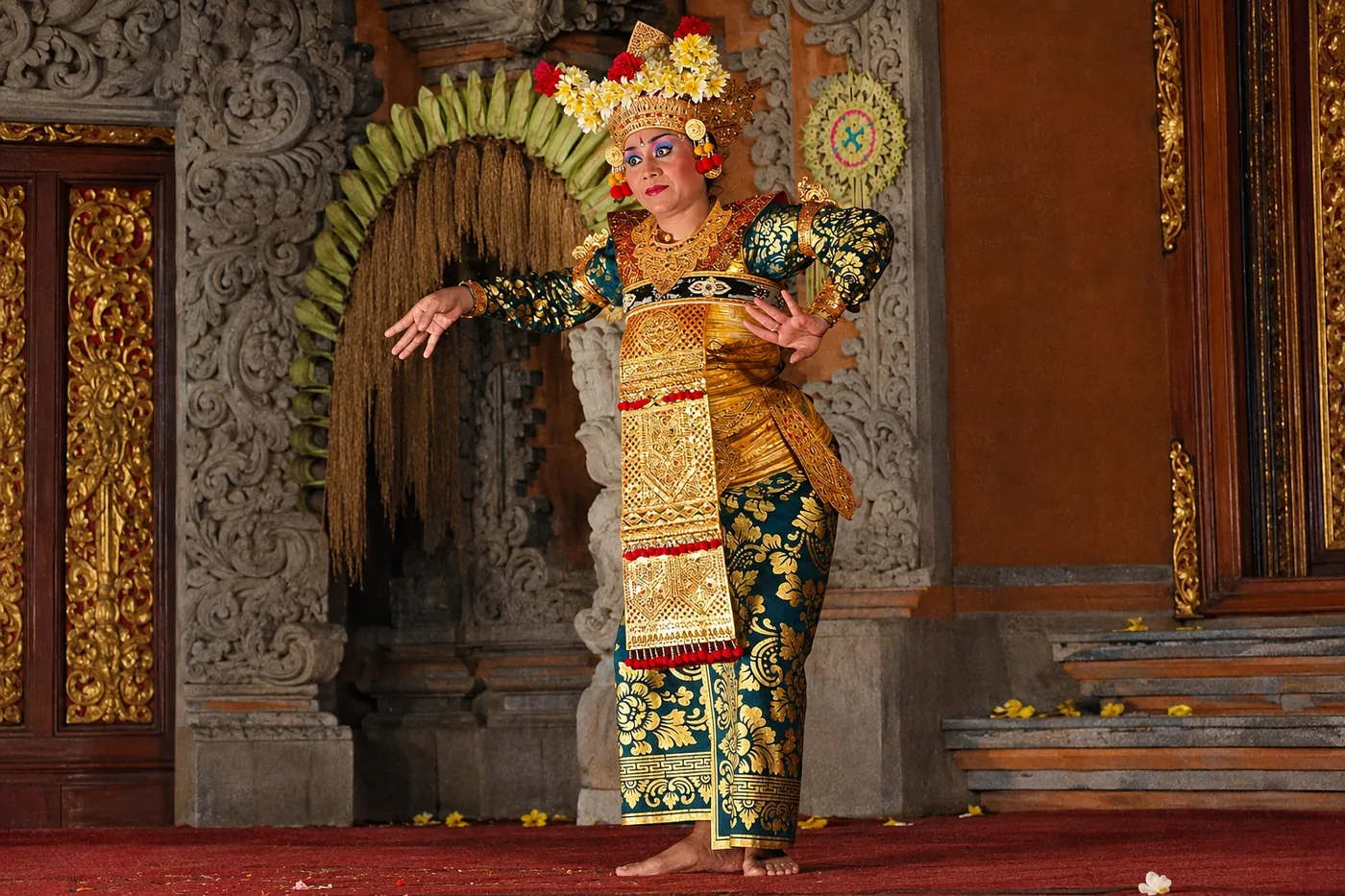
A ticketed performance at Ubud Water Palace introduces dance within a formal visitor setting beside an important temple landscape. Check the current programme and understand which dance is being presented rather than treating every evening as the same show. Read the story outline or ask the organiser for an introduction so gestures and characters become easier to follow. Arrive with time to settle into the seating and respect photography instructions. The performance ticket is separate from permission to enter sacred areas or explore the whole temple complex.
4. Ubud Palace public courtyards
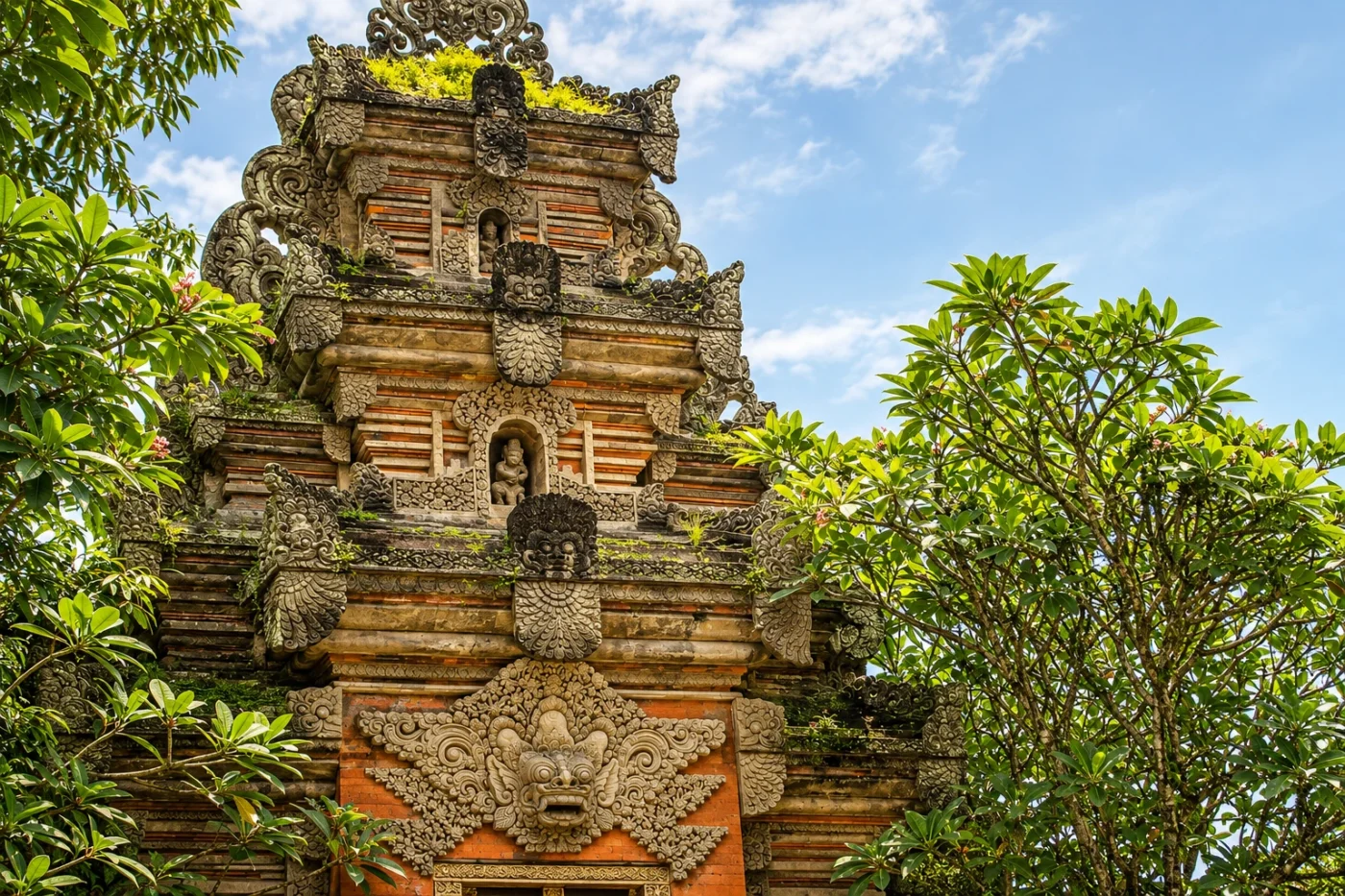
The public areas of Ubud Palace offer an introduction to royal architecture and the relationship between the town and its ruling family. Keep the visit to courtyards clearly opened to visitors and distinguish a daytime look around from a separately ticketed evening performance. A local guide can help interpret gateways, spatial organisation and historical context without presenting every visible building as a museum room. The palace also has private and ceremonial functions. Ask before entering an uncertain doorway and avoid blocking local use while taking photographs.
5. Museum Pasifika art visit
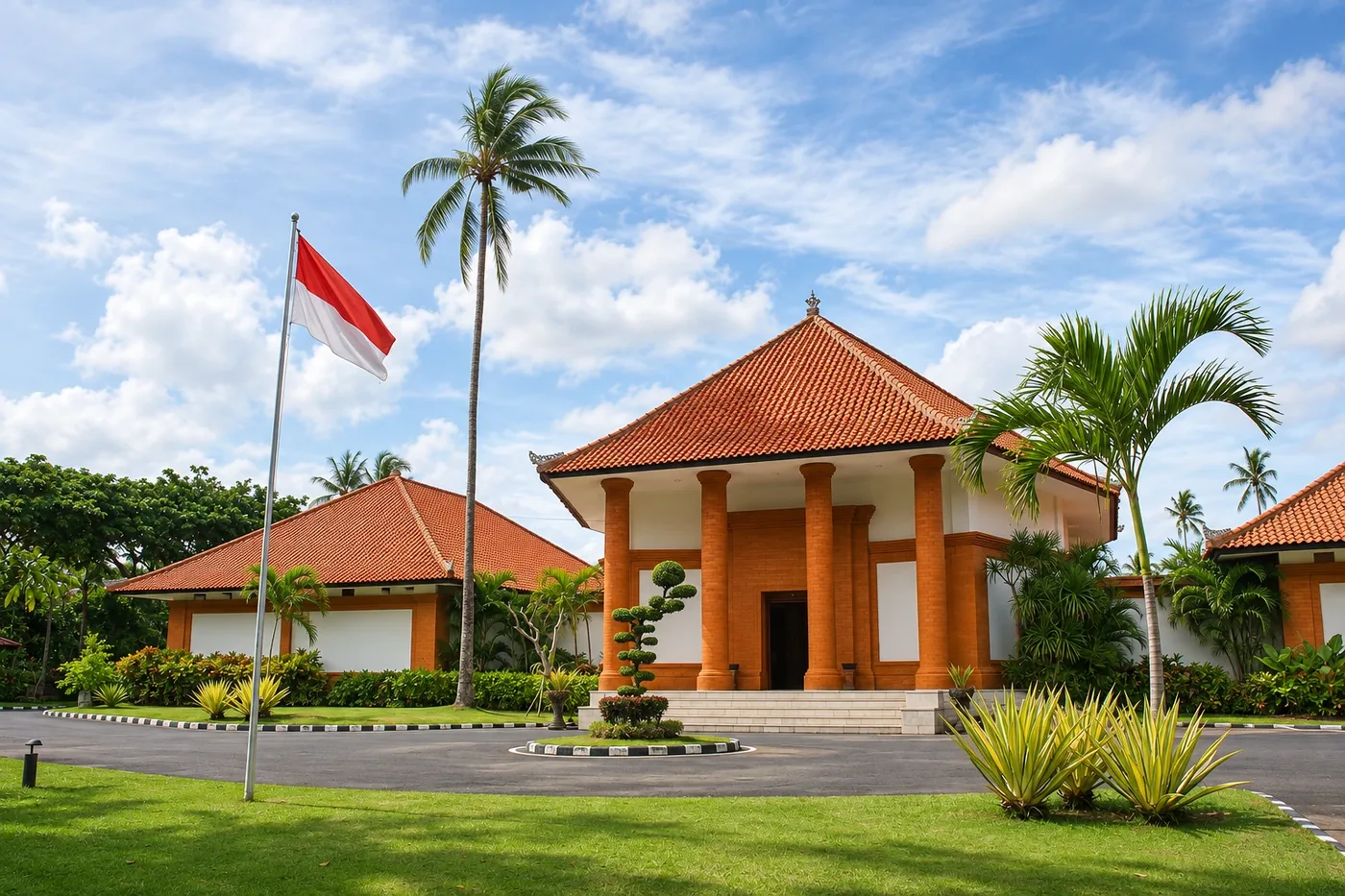
Museum Pasifika in Nusa Dua places Bali within a wider Asia-Pacific artistic conversation. A considered visit can compare works made by local artists and those responding to the region from other cultural perspectives. Read the labels and allow time for a few rooms rather than rushing through the collection as an indoor break. Check current exhibitions and any hosted activities directly. The museum is a useful cultural option for a southern base, with a different purpose from a souvenir gallery or a temple visit.
6. Tirta Empul visitor and interpretation visit
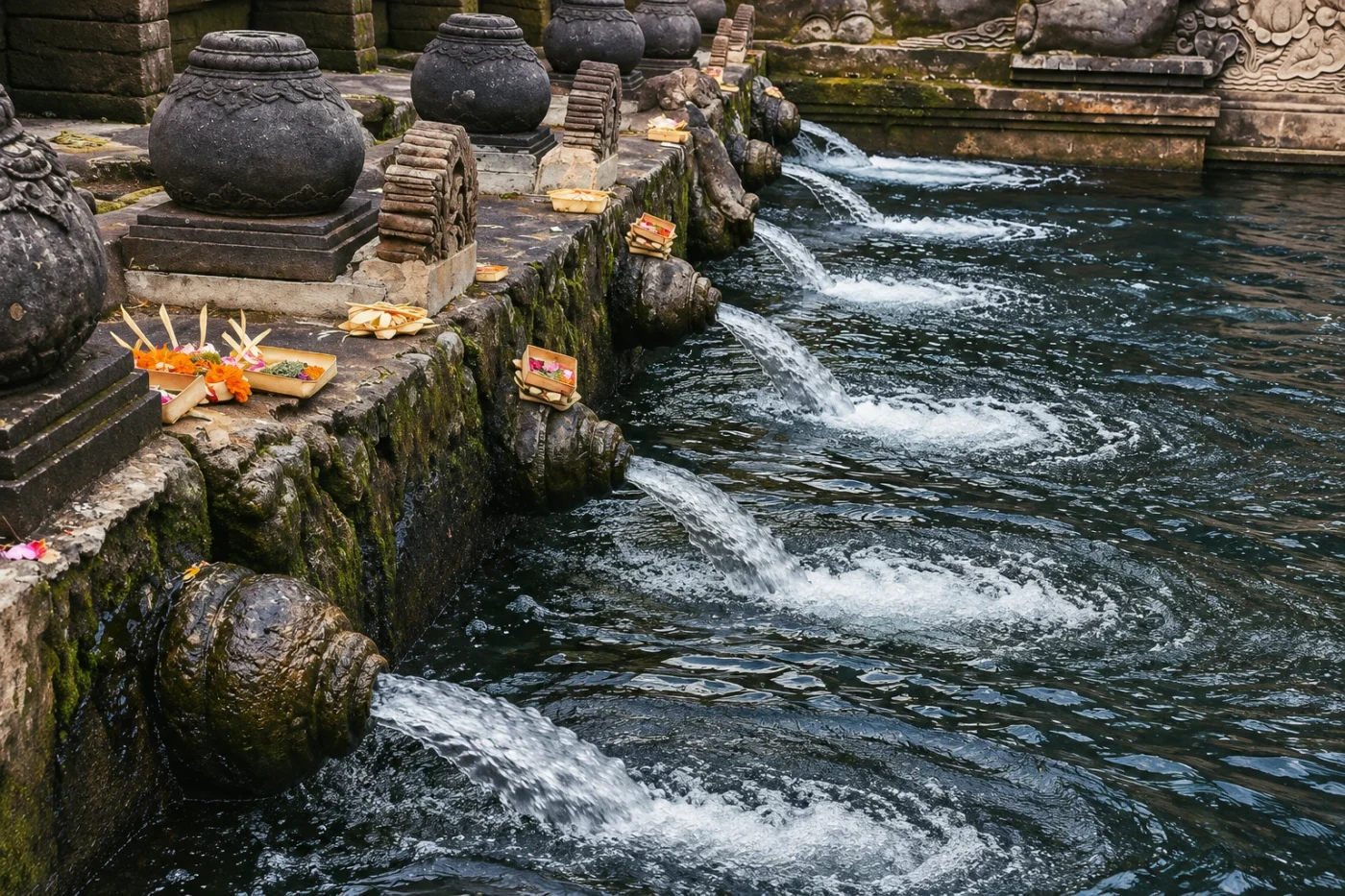
Tirta Empul offers a chance to learn about a living water-temple tradition, provided the visit follows current local rules. Begin with the public visitor areas and a respectful explanation of the site’s religious role. Participating in purification is a separate decision, not an obligatory tourist activity or a guaranteed spiritual outcome. Ask locally about eligibility, clothing, guidance and areas reserved for worship. Keep cameras away from intimate moments and avoid treating the pools as an ordinary swimming attraction. A temple visit remains worthwhile without entering the water.
7. Penglipuran village visit
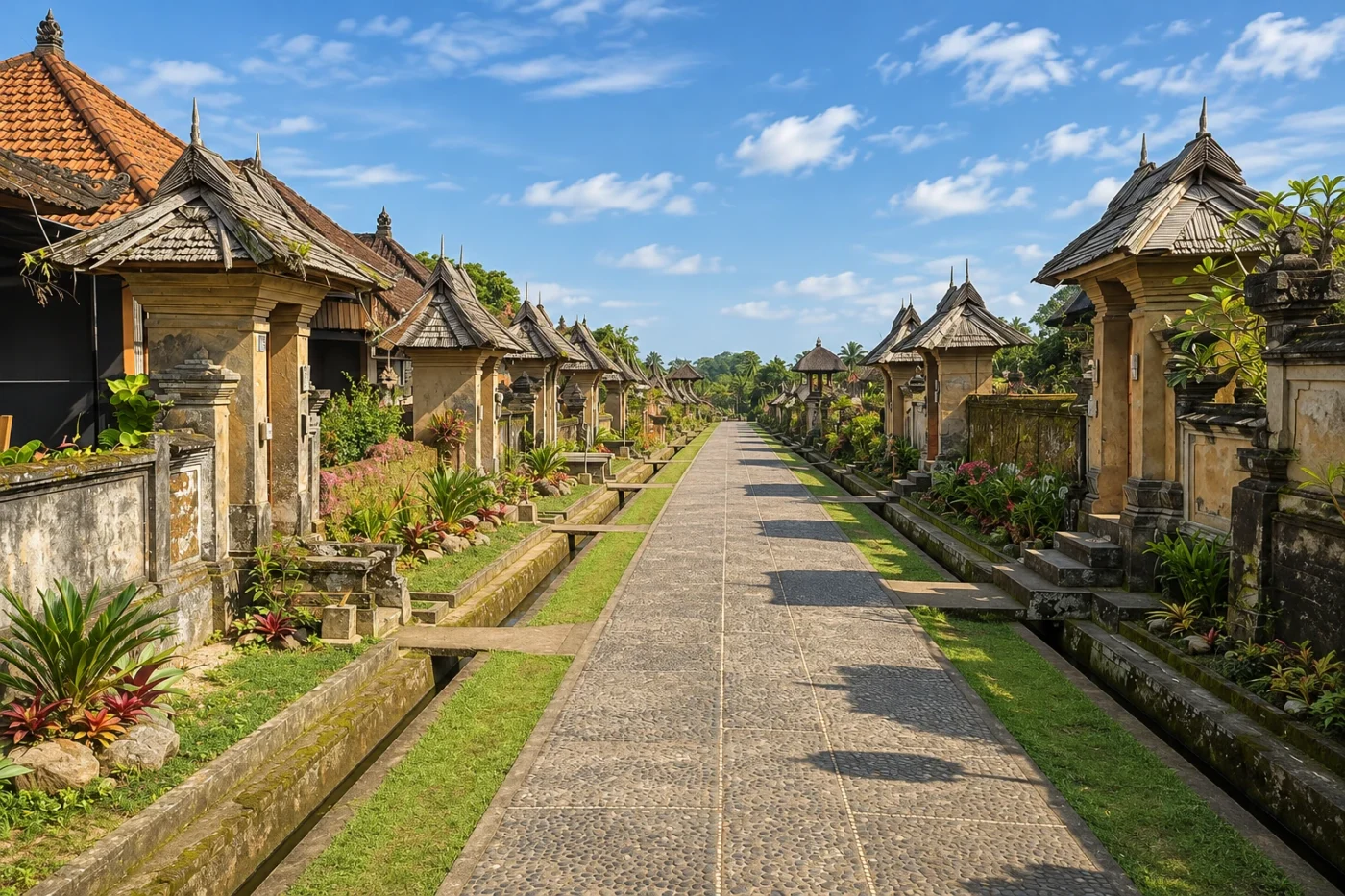
Penglipuran allows visitors to observe a distinctive village layout and learn about community arrangements through an established visitor programme. Remember that homes remain lived-in spaces, even where households welcome guests. A short hosted explanation offers more context than walking between identical photographs of gateways. Enter compounds only by invitation and ask about local rules before exploring beyond the main visitor route. Combine the village with a nearby Bangli stop rather than a rushed circuit across Bali, leaving time to support a locally run stall or activity appropriately.
8. Tenganan guided village introduction
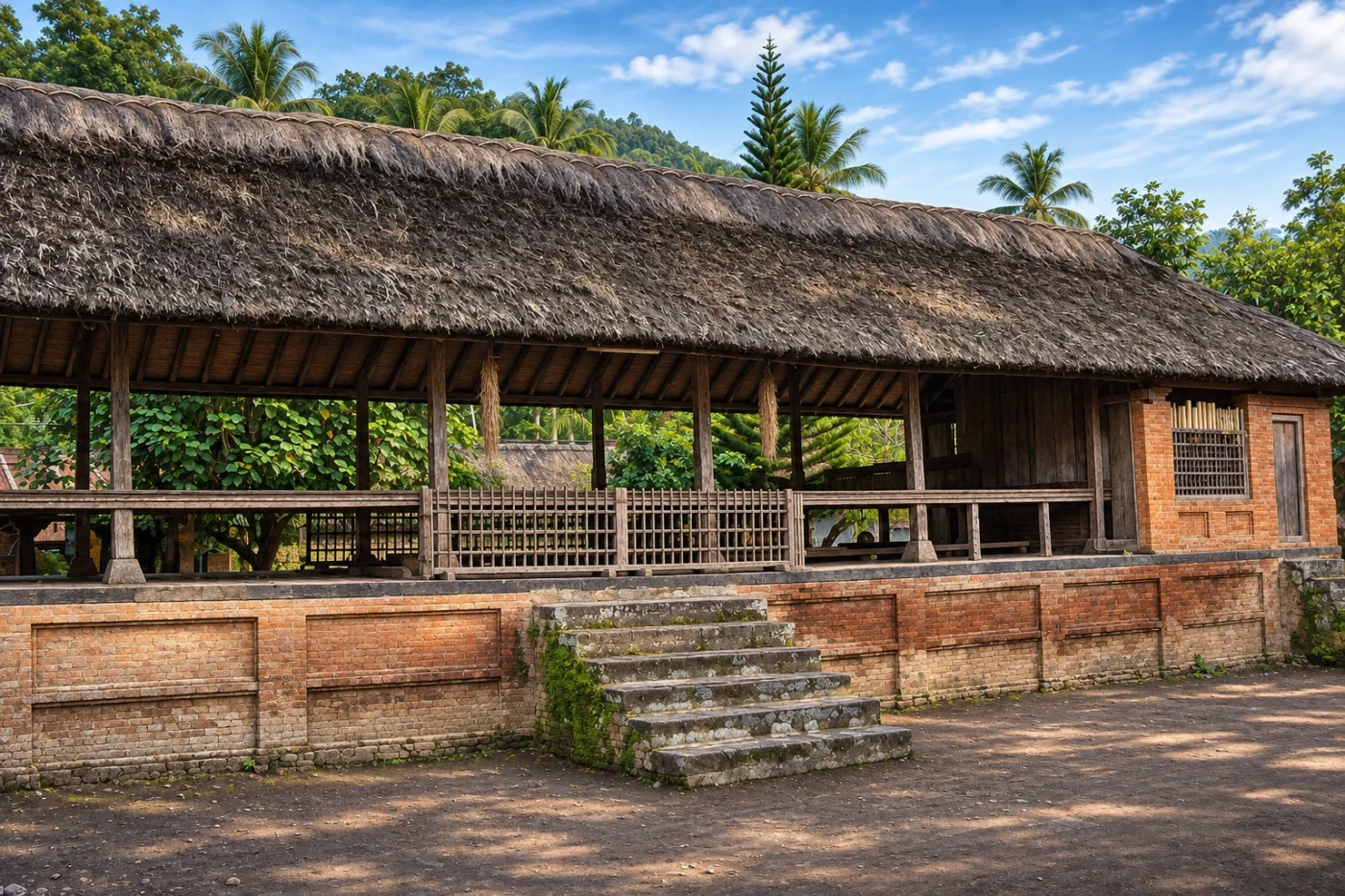
A guided introduction in Tenganan can explore the village’s traditions and textile heritage without reducing them to a quick shopping encounter. Ask for an explanation of what is being shown, how it is made and which spaces may be visited. Not every cloth on sale has the same technique or provenance, so enquire carefully if the craft interests you. Respect private compounds and any event-related limits. A visit fits naturally with an east-Bali stay around Candidasa, giving enough time for conversation instead of a distant day trip with too many stops.
9. Mas woodcarving workshop visit
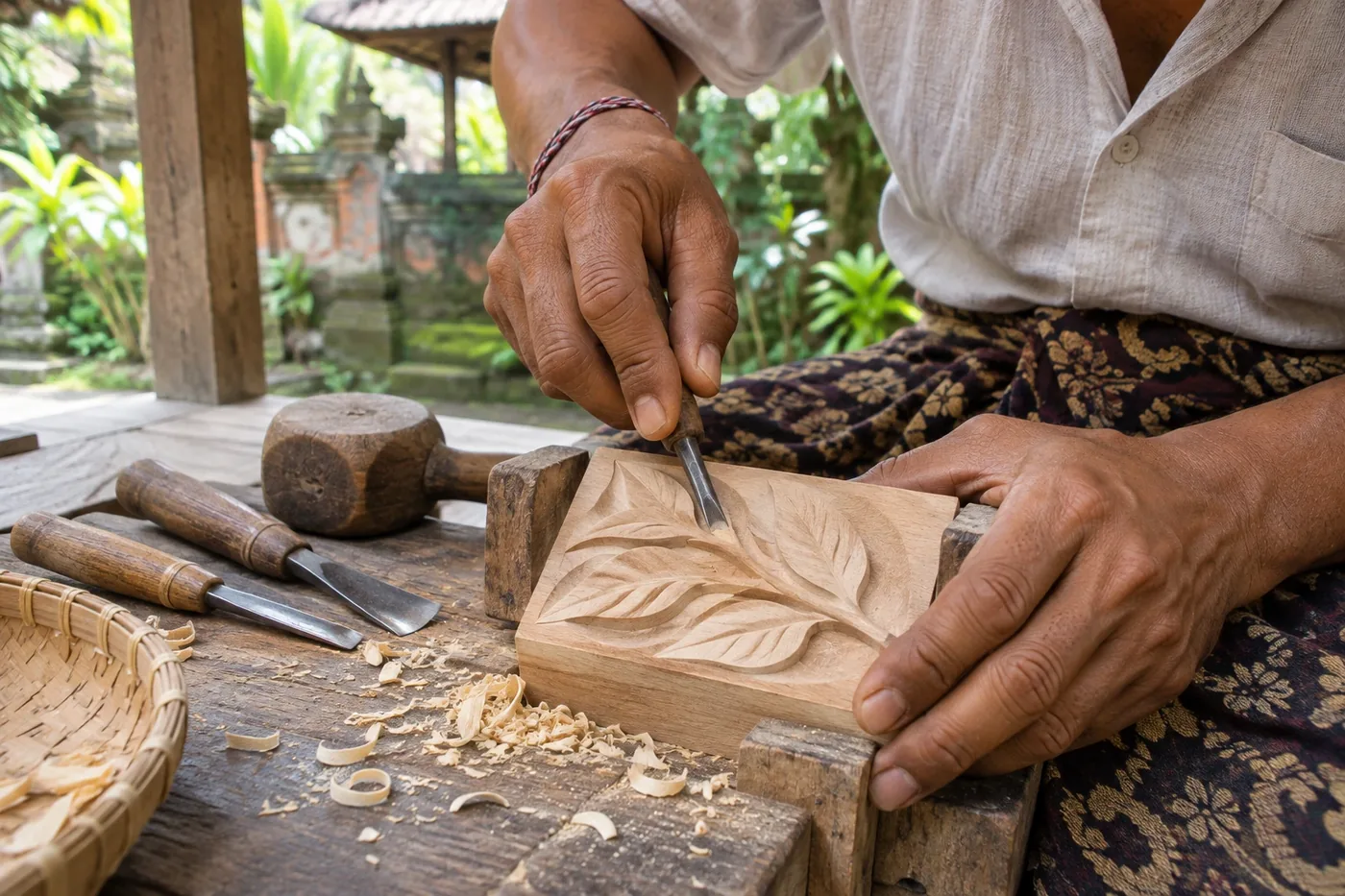
Mas, near Ubud, is associated with woodcarving and offers a useful setting for learning how carving develops from material selection to finishing. Arrange a workshop visit or demonstration with a named studio rather than assuming every retail showroom includes a craft explanation. Ask about the wood, maker and whether a piece is locally produced. A hands-on session requires its own booking and may have age or tool-use requirements. If buying, check packing and import restrictions for the destination country instead of relying solely on a shopkeeper’s assurance.
10. A hosted offering-making introduction
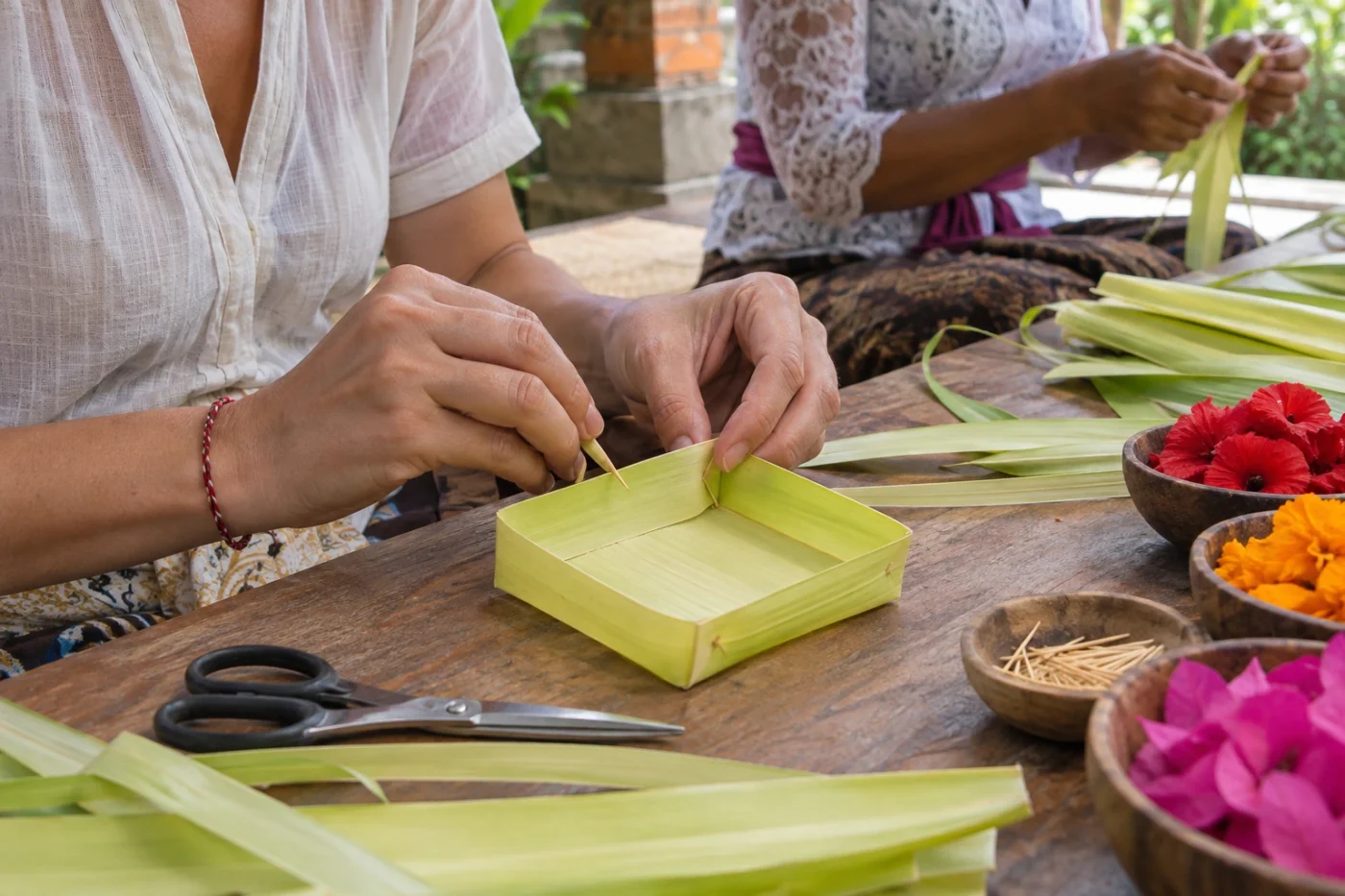
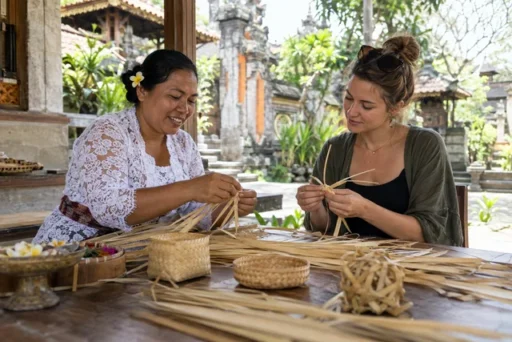
An offering-making session arranged through a local cultural host can explain materials, symbolism and daily religious practice. Choose a programme that presents the activity respectfully and makes clear what guests may do, rather than assuming tourists can reproduce every ritual independently. Ask where the finished offering belongs and whether photography is welcome. The lesson is about listening and context as much as assembling flowers and leaves. A small session near your accommodation can add depth to the trip without requiring a long drive to a staged attraction.
Season and planning
Conditions vary across Bali, and a calendar season does not guarantee a particular experience. Allow flexible time during wetter periods, particularly for outdoor approaches and road transfers. Check current local weather and the host’s arrangements close to your visit. Religious holidays and ceremonies can change access independently of the forecast.
Choose a local host who explains the setting and current boundaries. Ask before photographing people and never enter private or sacred spaces because a social-media image shows someone there. Carry appropriate temple clothing, allow ceremonies to take priority and buy crafts with questions about provenance. Book workshops directly and distinguish a demonstration from a hands-on lesson. Keep cultural visits geographically coherent.
Related Bali guides
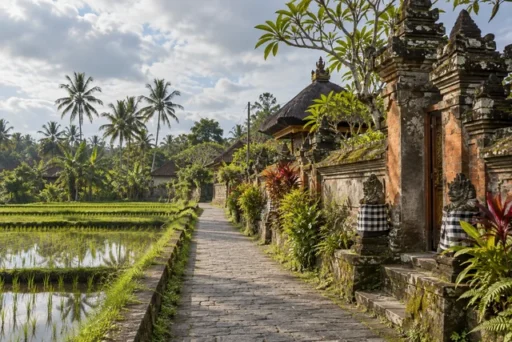
Ubud
Explore Ubud with ten local experiences, realistic itineraries, transport advice and seasonal planning for a Bali stay.
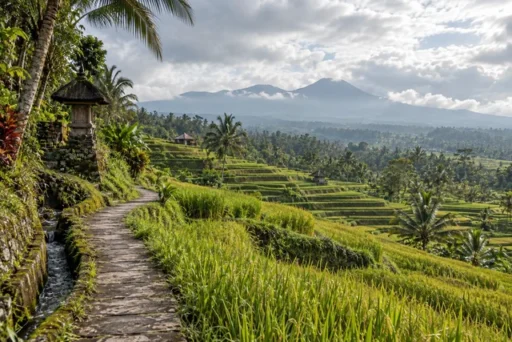
Jatiluwih
Explore Jatiluwih with ten practical experiences, seasonal advice, transport planning and realistic one-to-three-day itineraries.
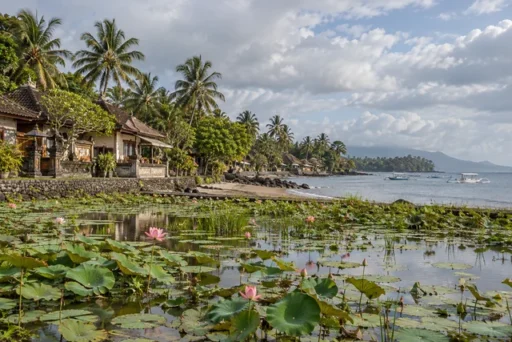
Candidasa
Explore Candidasa with ten practical choices, regional excursions, seasonal advice, transport notes and realistic one-to-three-day planning.
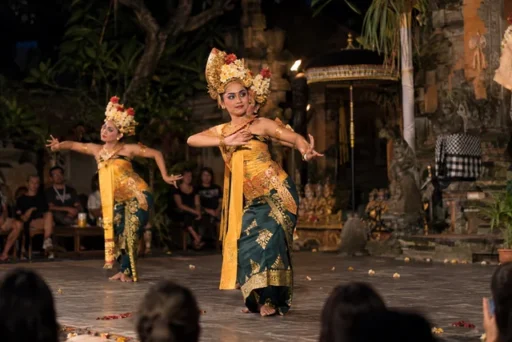
Traditional Dance Performances
Balinese dance rewards a little preparation.
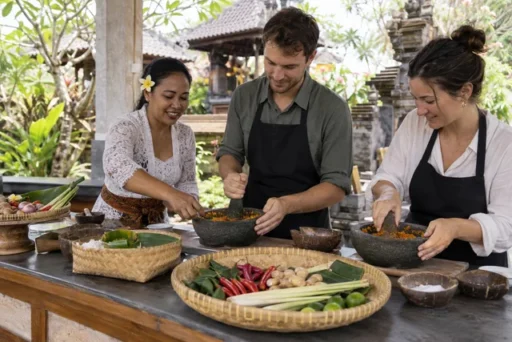
Cooking Classes
A cooking class is most useful when it matches how you want to learn.
Craft Workshops
A well-chosen craft class gives Bali visitors time to learn from a maker instead of only shopping for a finished object.
Questions and answers
Can visitors enter every part of a temple?
No. Access follows current local rules and some areas remain reserved for worship. Ask before entering an uncertain space and let ceremonies take priority.
Is purification at a water temple compulsory?
No. A respectful visitor-area visit with interpretation is worthwhile on its own. Participation requires separate consideration of local rules, clothing, guidance and personal suitability.
May I photograph people and ceremonies?
Ask first and follow the host’s instructions. Avoid close photographs of private or intimate moments, and do not cross a boundary because another visitor has done so.
Is a guide useful for cultural visits?
A knowledgeable local host can explain context, access and meaning. Agree the programme and price, and distinguish guiding from a shopping stop or a simple transport service.
Sources and further reading
Use the responsible authority or provider for current access, availability and booking details.