10 Best Things to Do in Amed
Written 26 October 2026 · BaliTop10
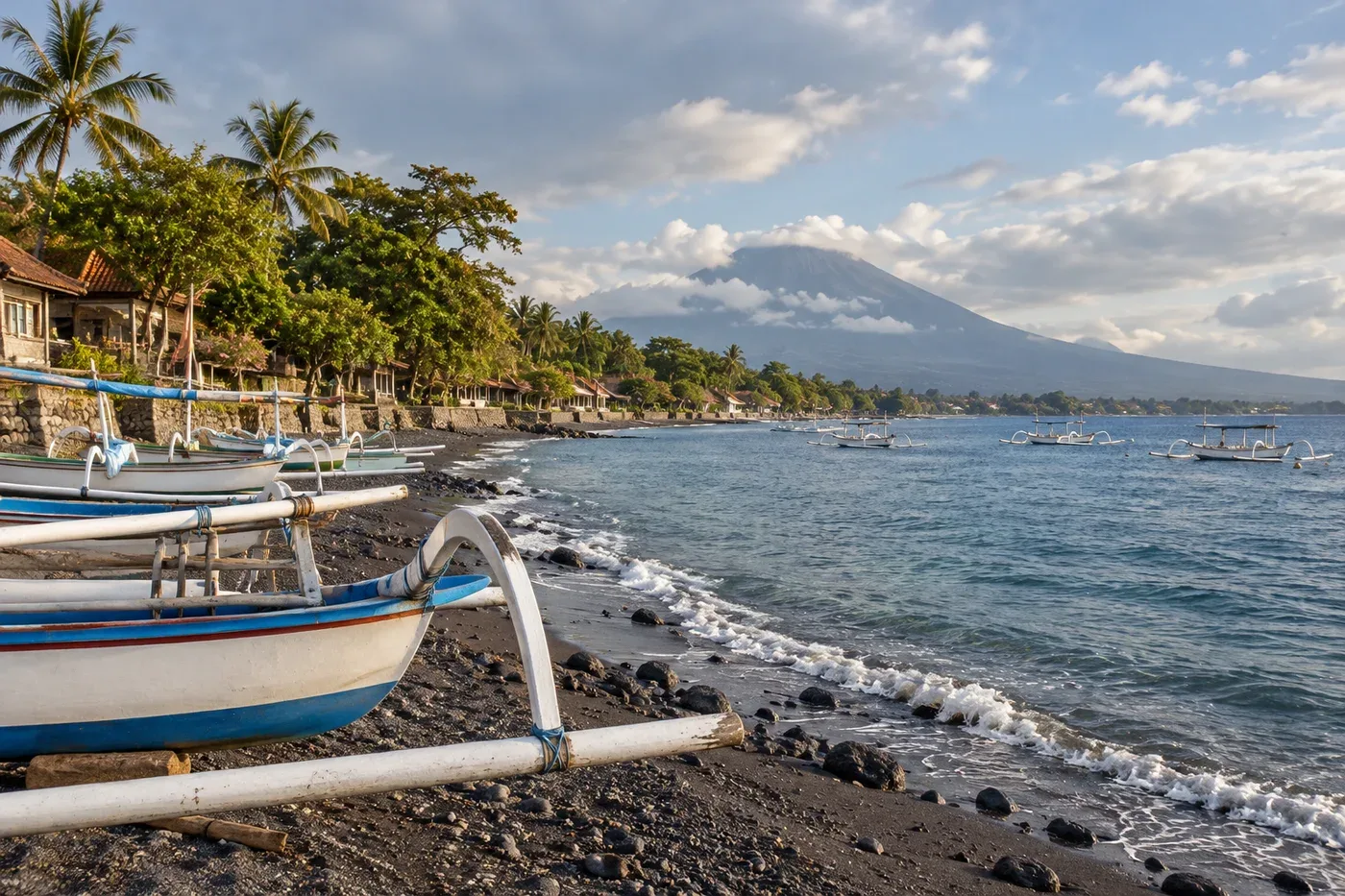
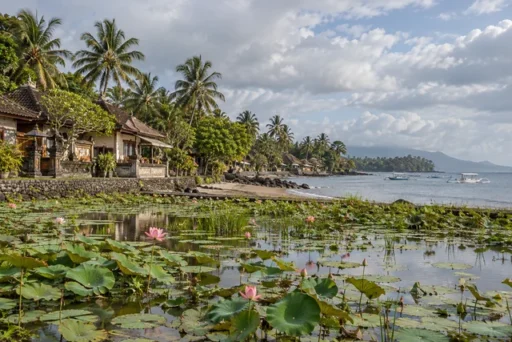
Amed is a coastal area of villages and bays rather than a compact resort centre. It suits a stay built around marine activities, fishing-community landscapes and quiet time between trips. Choose accommodation by the bay and access you actually want: a map pin marked Amed does not make every snorkelling entry or dive centre walkable. Black-sand and stony shores, hills and views towards Mount Agung give the coast its character. Snorkelling, scuba training and viewpoint visits require different plans, and currents can make a familiar-looking bay unsuitable on a particular day. Leave space for conditions and avoid treating the long drive from southern Bali as a minor transfer.
Amed: quick answers
- Overview
- Amed is a coastal area of villages and bays rather than a compact resort centre.
- Season
- Drier weather can make walking and shore access more comfortable, but rainfall, swell and local conditions still matter throughout the year.
- Getting around
- Choose your stay in Amed by its actual location and the activities you intend to use.
1. Jemeluk Bay guided snorkelling
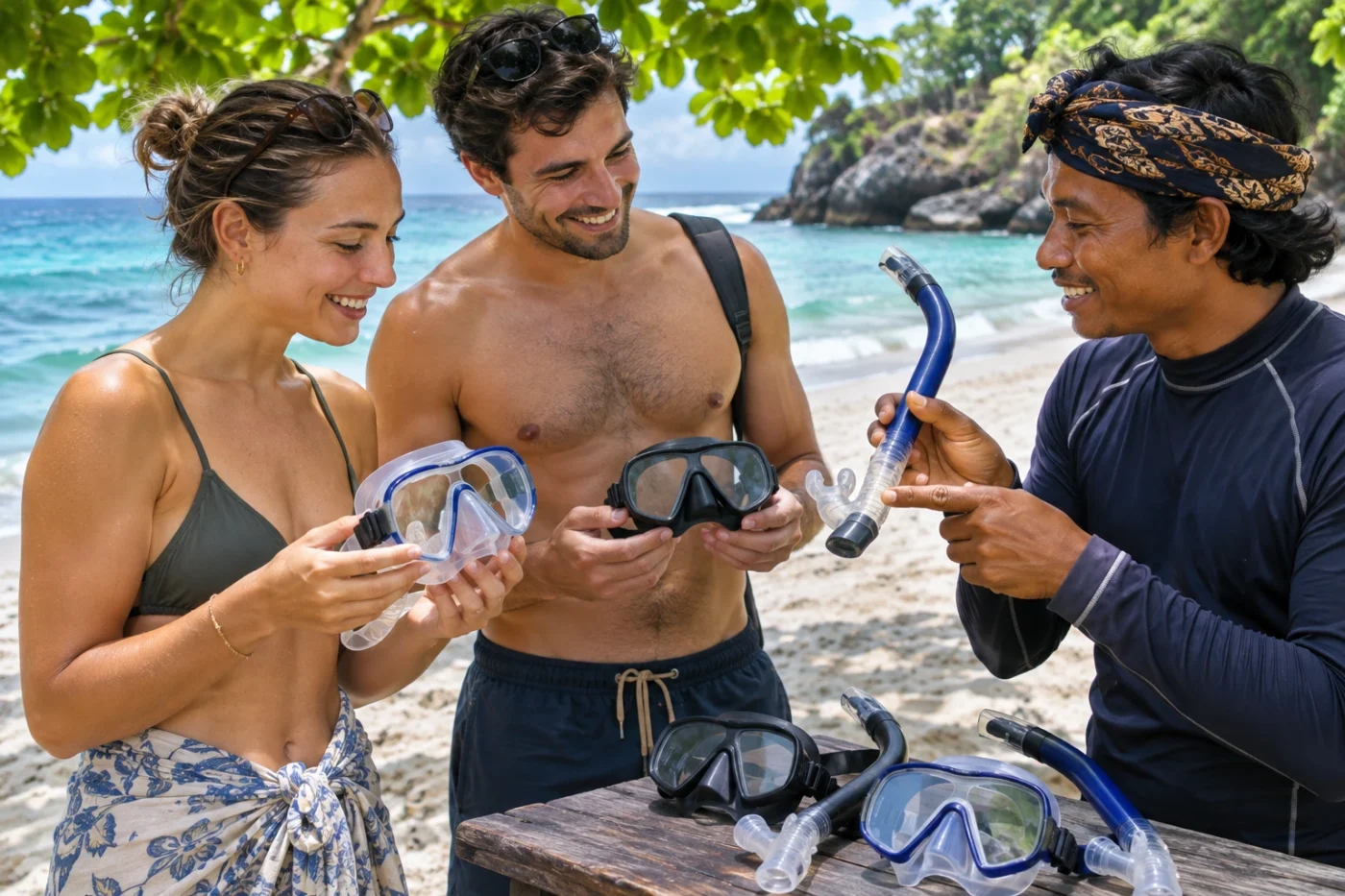
Jemeluk is a recognised marine-activity base on the Amed coast. Book a guided introduction if you are unfamiliar with local entry points or water conditions, and confirm the route and supervision. Look at the reef without touching it or standing on coral. A sheltered appearance from shore does not establish that the whole bay is suitable for your group. Ask where the group enters and leaves the water, what happens if someone tires and whether flotation is available; these practical answers help distinguish an organised introduction from equipment rental.
2. Jemeluk viewpoint
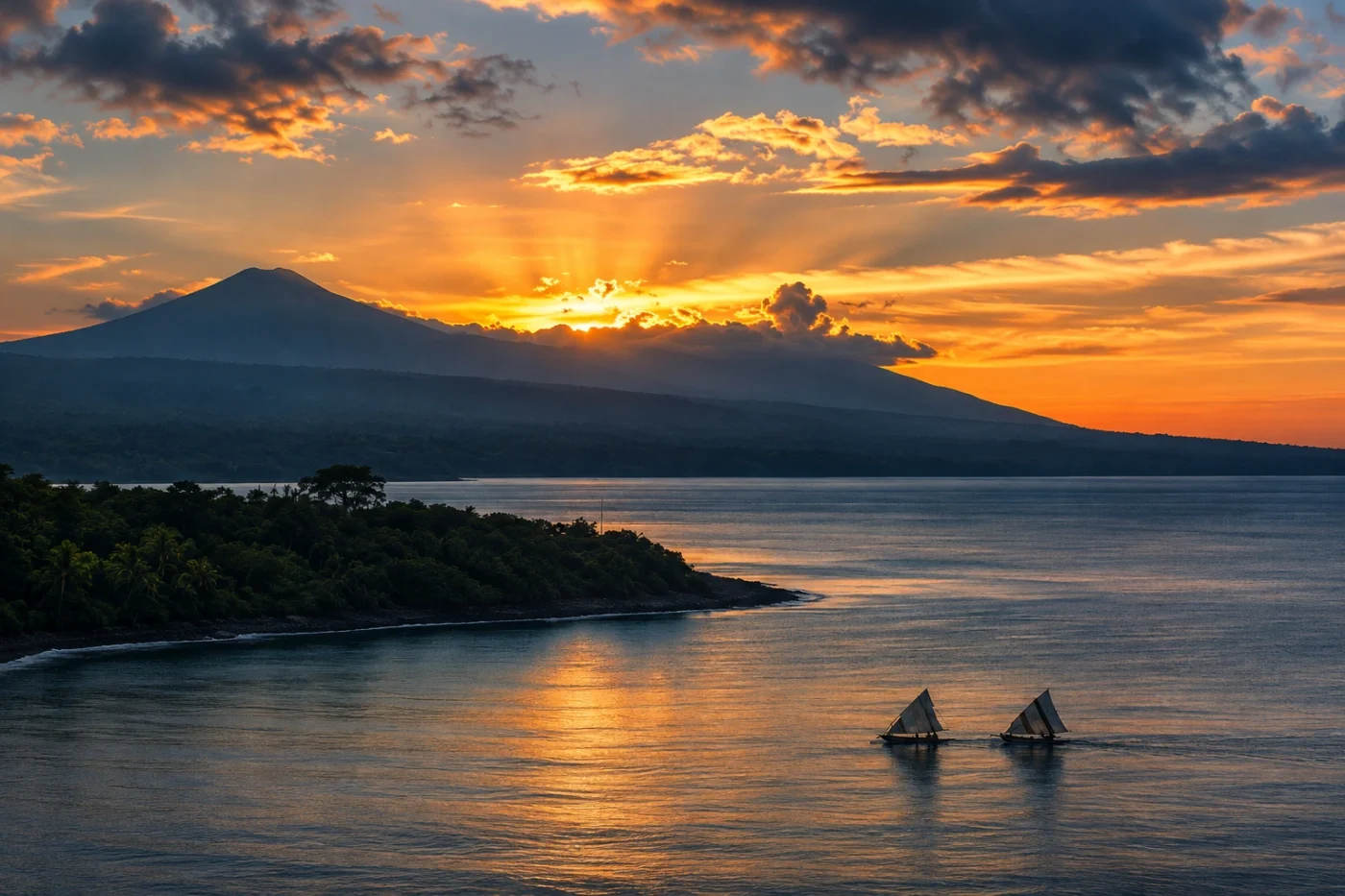
The higher ground above Jemeluk offers a clear way to understand the curve of the bay and the coastal settlement. Visit from a permitted viewing area or a venue that welcomes guests, and check the return walk or pickup. Sunset light can be attractive, but cloud can hide Mount Agung and a roadside stopping place is not automatically safe parking. Carry a light for the return if your access involves an unlit lane, and arrange transport before settling in rather than discovering after dark that your accommodation is farther away.
3. Lipah Bay marine outing
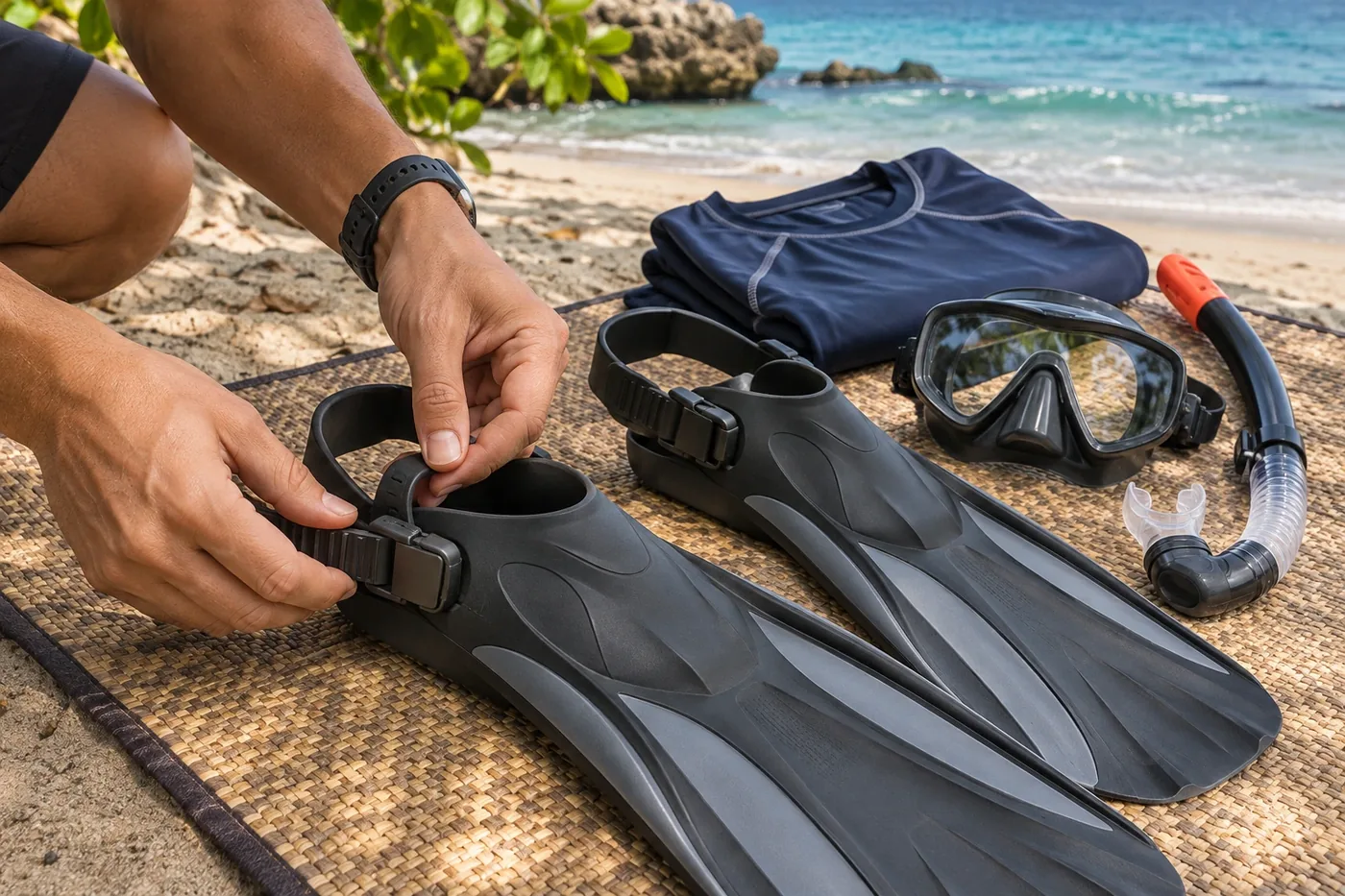
Lipah offers another bay to compare with your local dive or snorkelling provider. Different entry points and conditions can make it a better or worse choice on the day than Jemeluk. Ask about the shore surface, equipment and rescue support before entering. Keep the visit focused on underwater life rather than trying to add several distant bays in one session. Give yourself time to change and rinse after the activity, and choose accommodation by the actual bay you prefer instead of expecting every Amed property to share identical shore access.
4. Amed salt-making visit
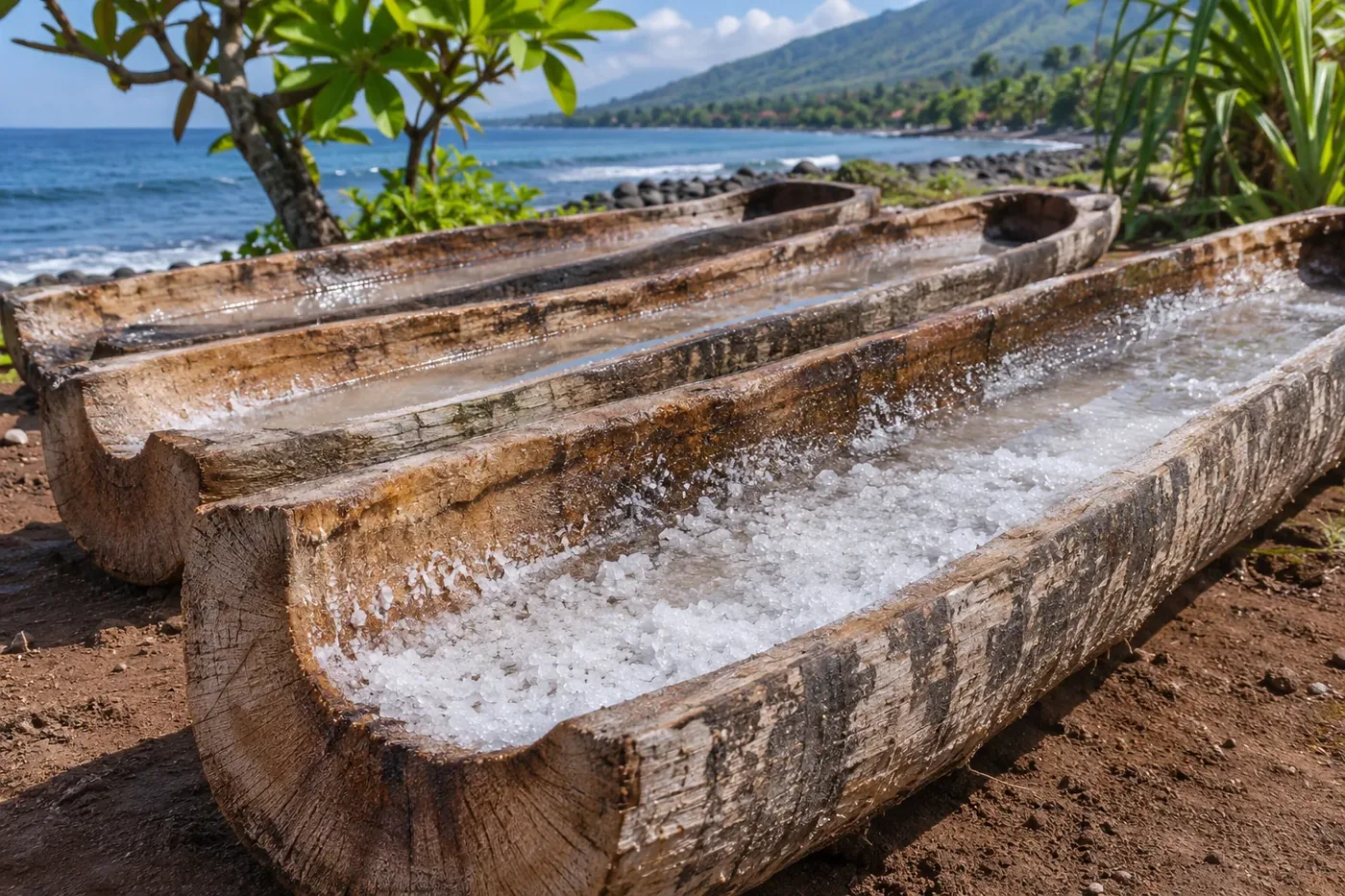
Amed’s salt-production heritage provides a useful land-based experience between water sessions. Arrange access through a producer or a host who knows when work is taking place; a beach walk alone does not guarantee a demonstration. Ask about the process and buy locally produced salt with clear origin information if you would like to support the activity. Keep the visit at a time agreed by the producer so it supports normal work, and do not step across a preparation area simply to improve the angle of a photograph.
5. Fishing-boat shoreline walk
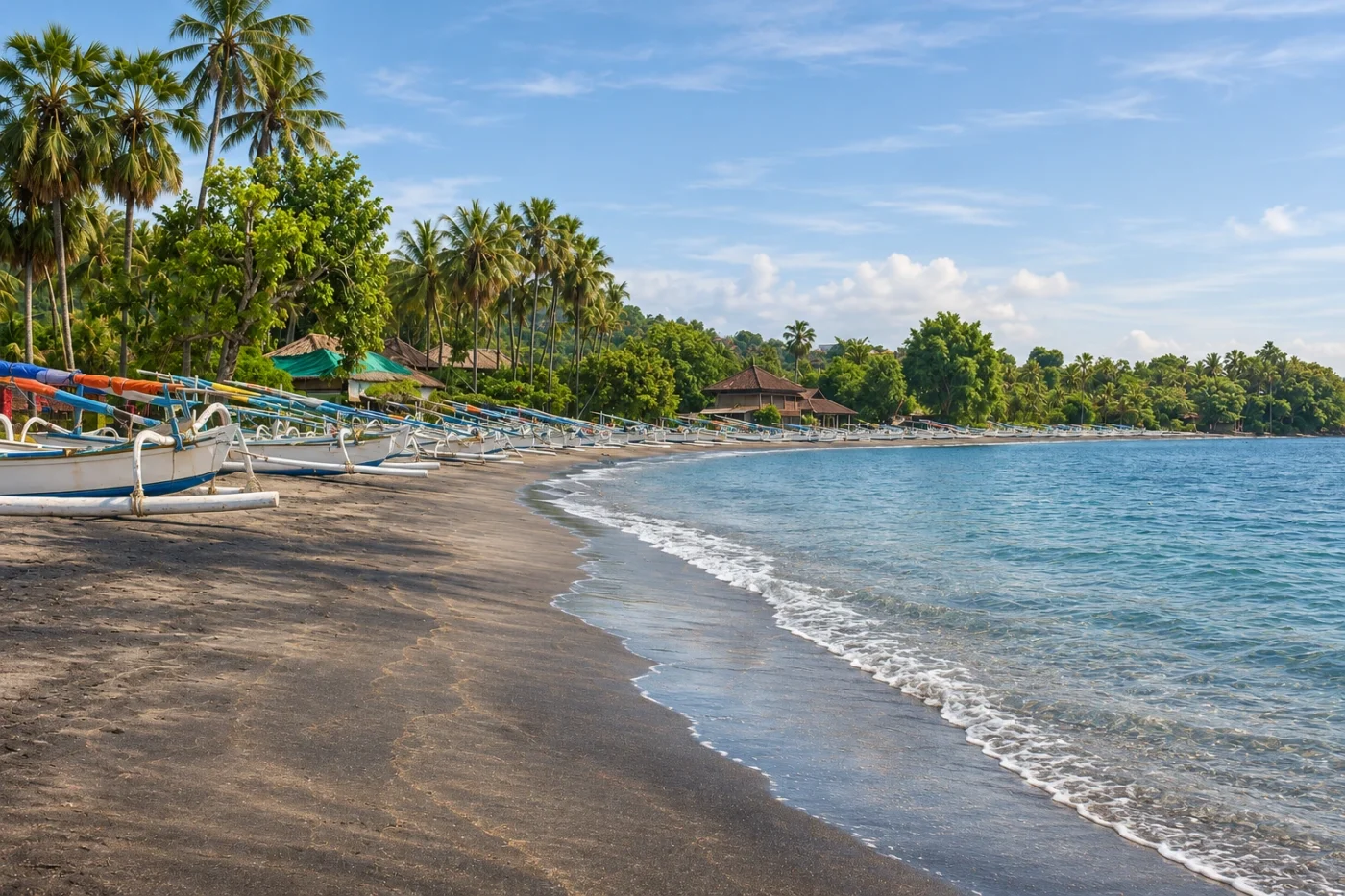
Traditional jukung boats and coastal work are part of Amed’s identity. Walk a suitable public shore section without climbing into boats or moving fishing equipment for a photograph. Early or late in the day can offer a different atmosphere from the main heat, but ask permission before photographing people working and keep access to the water clear. A short repeat walk at a different time can be more rewarding than travelling to another bay, especially when it lets you notice changing light and ordinary coastal routines.
6. Amed scuba refresher or course
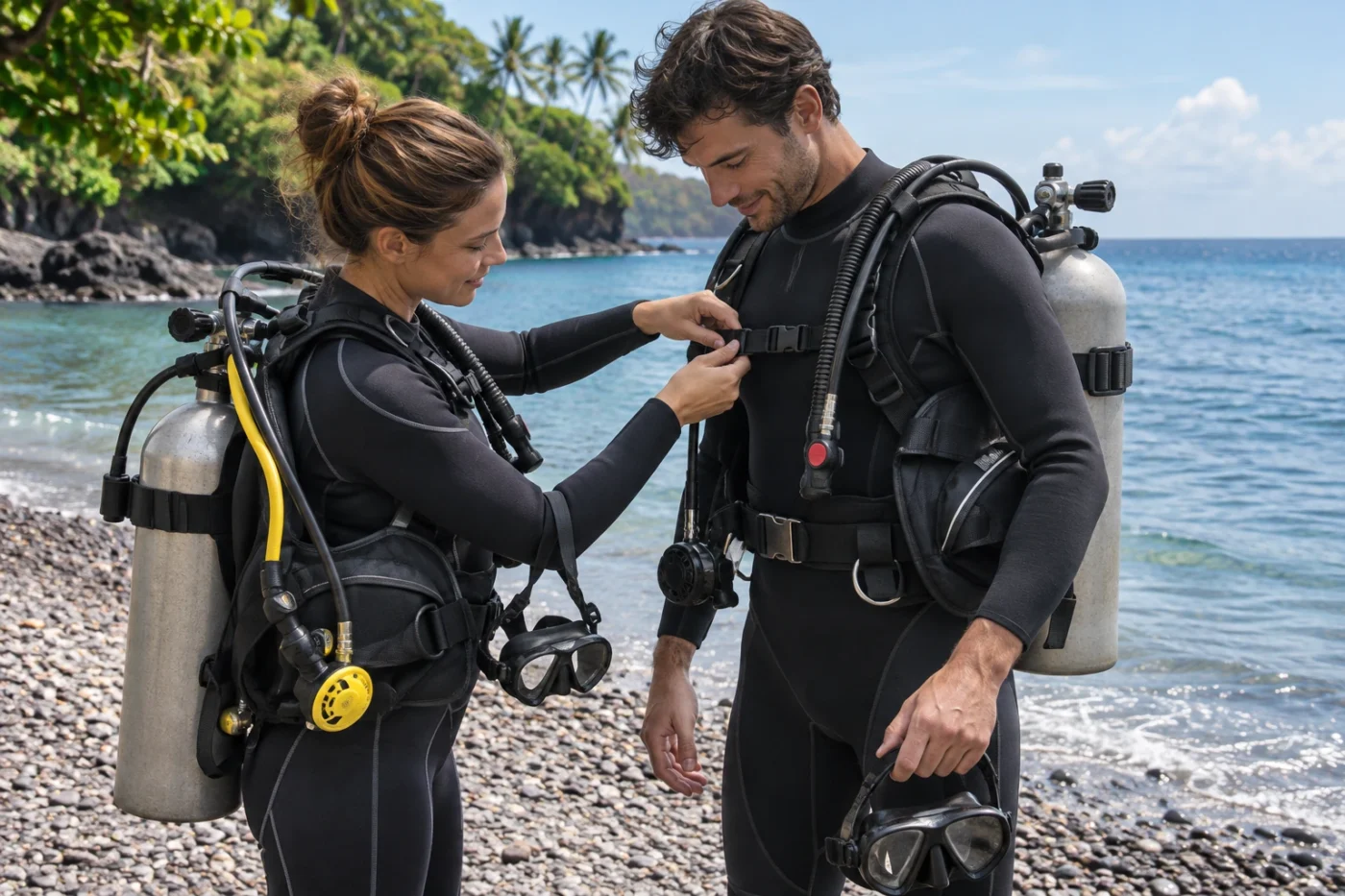
Amed is a practical base for comparing training centres and guided diving programmes. Choose by teaching, equipment, group size and the sites suited to your qualification rather than by the number of promised dives. A refresher belongs before a challenging itinerary if your experience is old. Confirm how the centre handles days with unsuitable conditions. Check whether pool or sheltered-water practice precedes the proposed sites, how equipment is fitted and whether the package includes transport between bays, which can affect the full daily schedule.
7. Bunutan coastal viewpoints
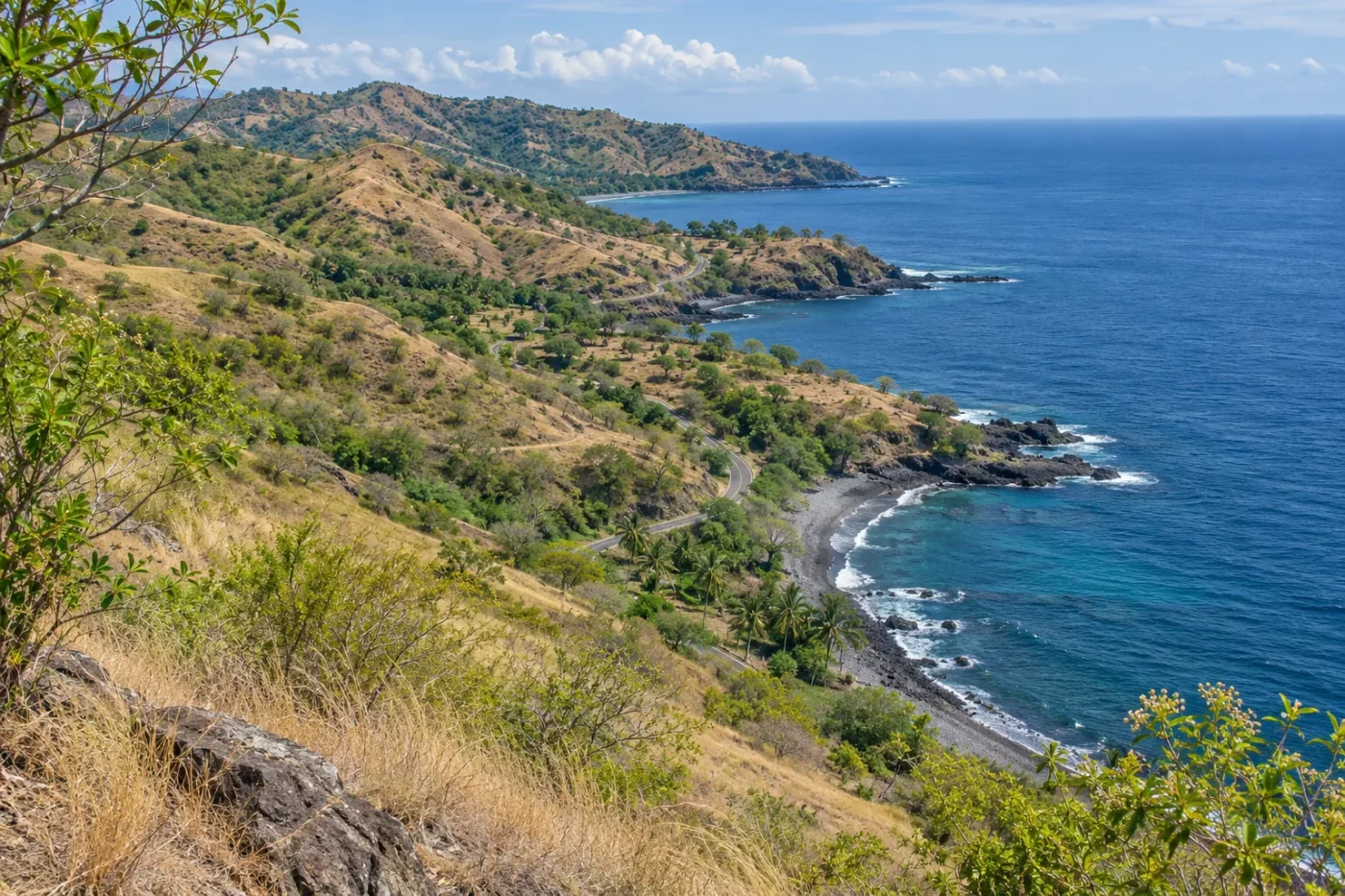
The hills and bays around Bunutan can form a slower coastal drive with selected stops. Agree a small set of legal viewpoints and avoid stopping in narrow bends for a volcano photograph. Roads can be steep and winding, and a scenic section deserves daylight. A driver can reduce the need to navigate unfamiliar roads while watching the landscape. Plan an early enough return that you are not tired on the winding road after dark, and combine viewpoints with one local meal rather than several separate restaurant stops.
8. Banyuning wreck-site assessment
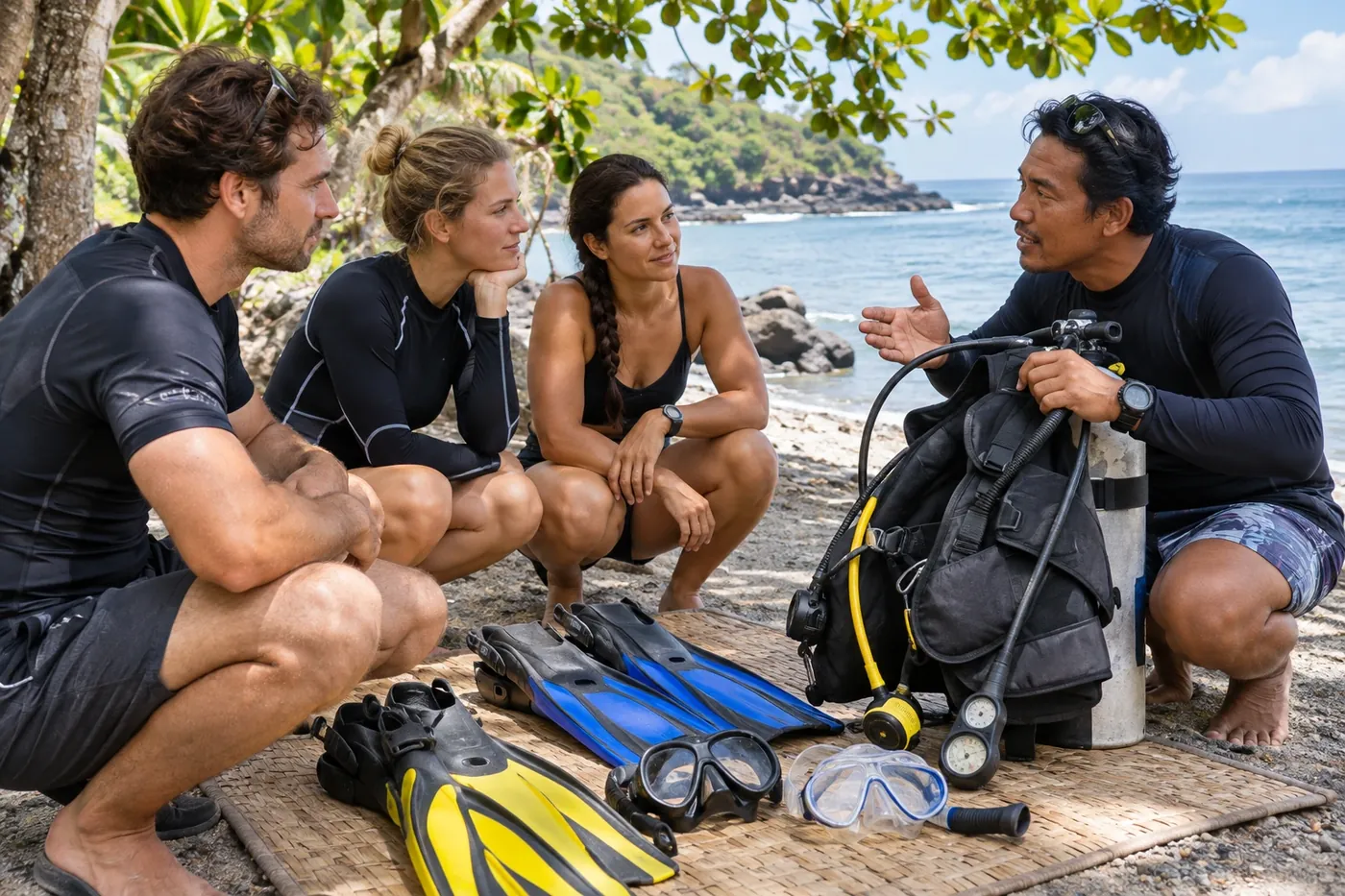
Banyuning’s commonly named Japanese wreck is a marine site to discuss with a local professional, not an automatic beginner stop. Entry, surge and current can differ from other Amed bays. Ask whether the proposed activity is snorkelling or scuba, what experience is needed and whether the day’s conditions justify going. Historic wreck names do not establish dive suitability. Protect the site by leaving objects in place, keeping fins clear of the structure and accepting that a reef or shore alternative may be the better experience on your date.
9. Tulamben diving day
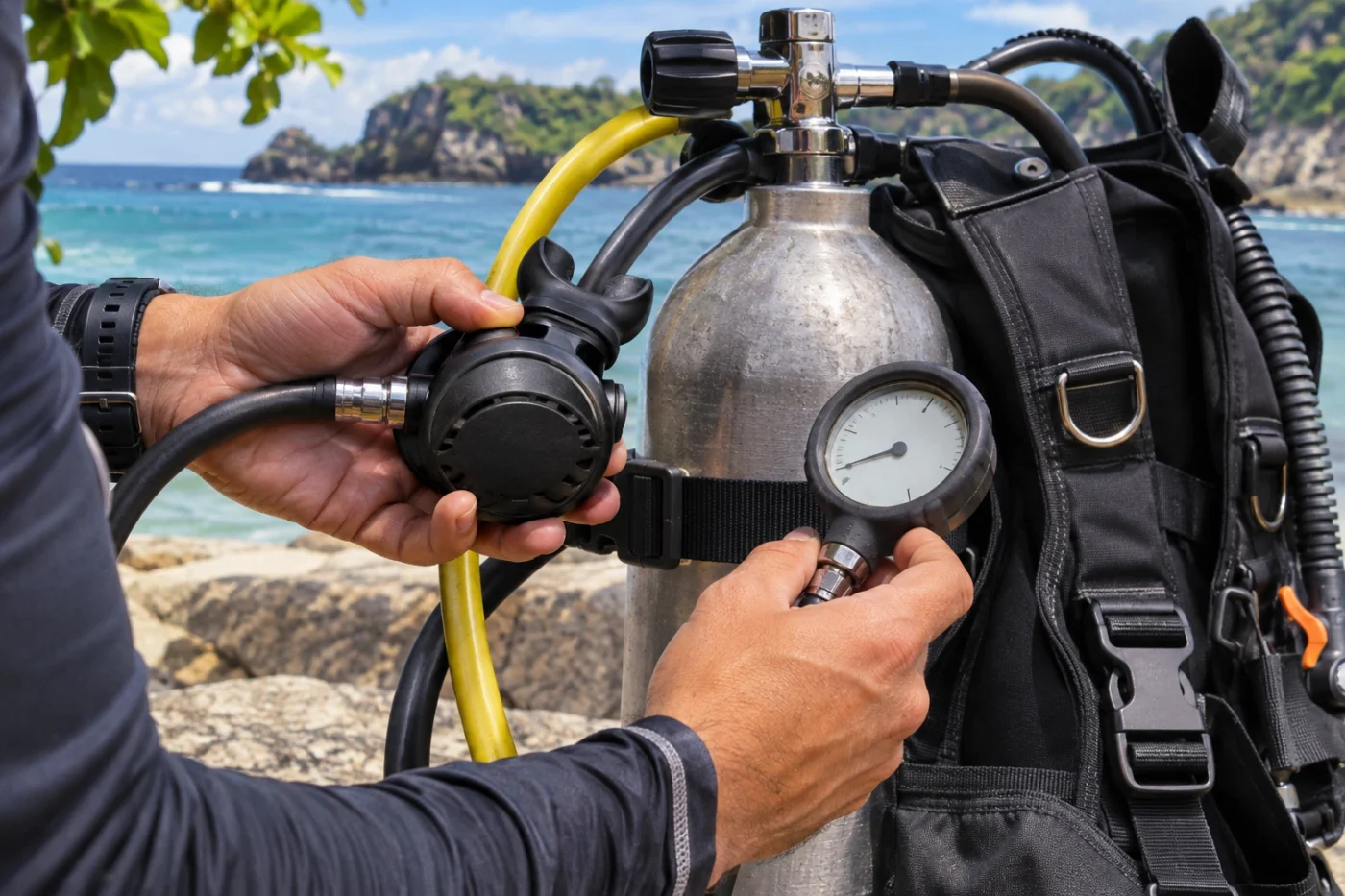
Tulamben and the Liberty wreck make a possible dedicated dive outing from Amed. The drive, preparation and actual water sessions occupy more than the time advertised for each dive. Use a professional who chooses the plan around your training and conditions. Non-divers should choose a separate land activity rather than assume every wreck visit has an equivalent shore experience. Ask which shore entry is planned and how equipment is moved across the stones; surface walking and carrying heavy gear can be significant parts of the outing for some participants.
10. Tirta Gangga garden excursion
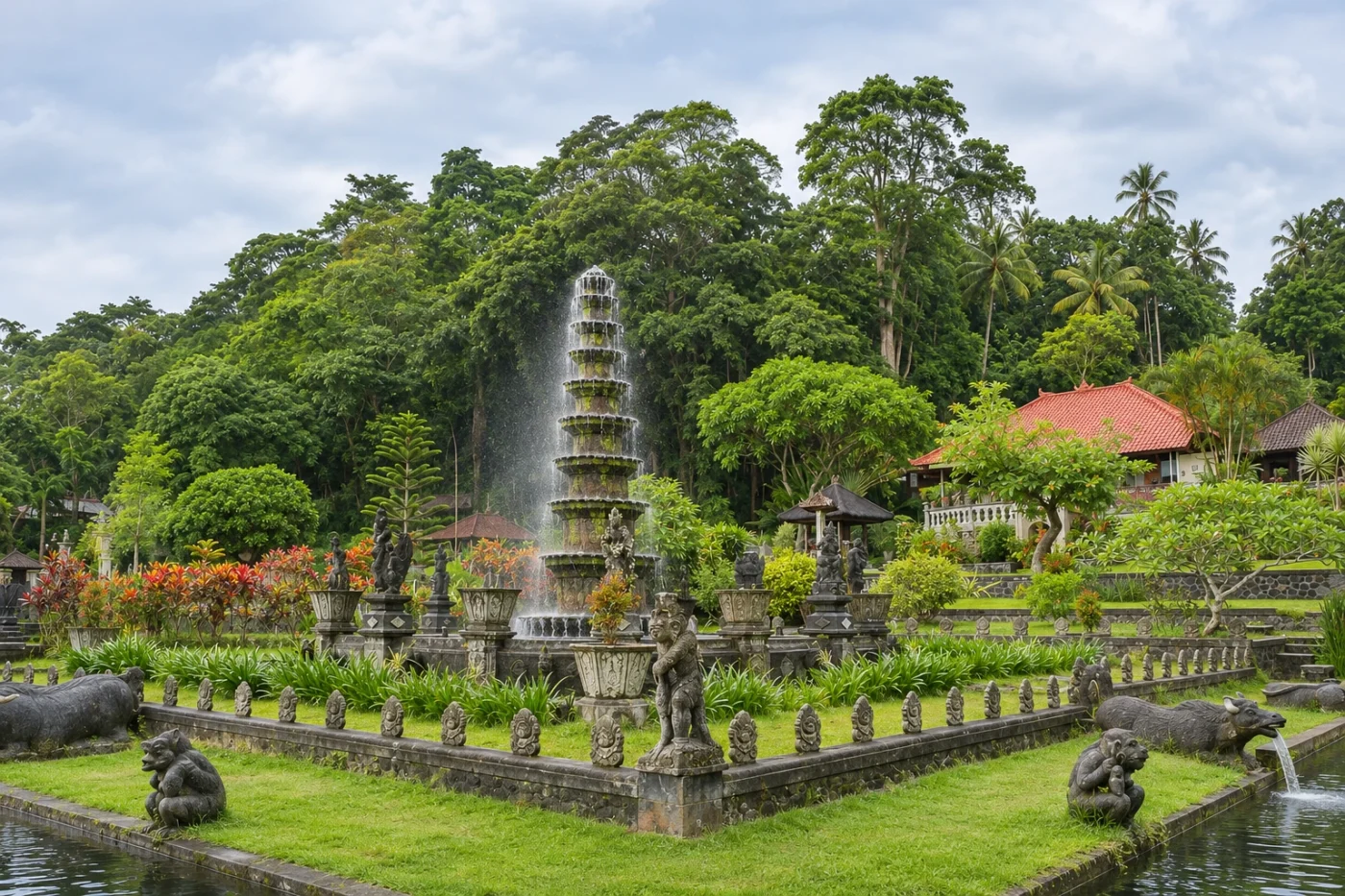
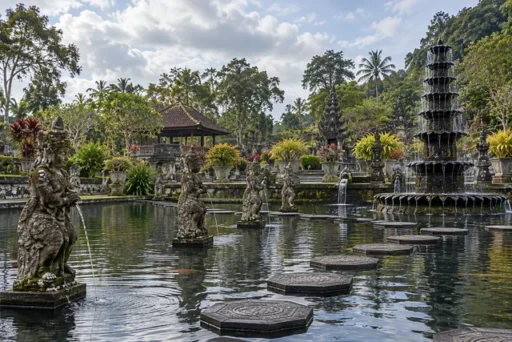
Tirta Gangga offers a land-based alternative in the wider Karangasem region. Its landscaped pools and paths provide a different focus from Amed’s bays and can fit a separate half-day with a driver. Check access and crowd levels locally; ornamental water and stepping stones should not be confused with a general permission to swim wherever you wish. Pair the garden with one nearby cultural stop if you have time, rather than adding another long coastal drive that leaves little room to enjoy either the water gardens or Amed.
Season and planning
Drier weather can make walking and shore access more comfortable, but rainfall, swell and local conditions still matter throughout the year. Mount Agung views are weather-dependent. Keep a land alternative for marine days and check local advice before entering water, climbing steps beside a waterfall or setting out on a longer rural walk.
Choose your stay in Amed by its actual location and the activities you intend to use. A destination name can cover scattered accommodation and meeting points. Arrange longer road outings with a suitable driver or an included transfer, confirming pickup, waiting and the return. Traffic, roadworks, weather and ceremonies can affect timing. Do not assume ride-hailing availability, a comfortable pedestrian route or a quick connection merely because two places look close on a map.
Suggested pace
One day: choose a coherent introduction
Use the first part of the day for Jemeluk Bay guided snorkelling, allowing the time and preparation that experience needs. Choose one suitable nearby stop from the list rather than treating all ten as a daily route. Leave a meal break and a comfortable return to your accommodation, with a quieter alternative if weather or access changes.
Two days: add a contrasting experience
Keep the first day focused on the local introduction. On the second, consider Jemeluk viewpoint and one complementary cultural or landscape stop, using the actual route and current access to decide the order. If your chosen activity occupies much of the day, leave the evening relaxed instead of trying to recover missed checklist items.
Three days: leave room for conditions
Add a third day for Lipah Bay marine outing, a longer activity discussed with a qualified provider, or one of the clearly identified regional excursions. Do not combine all three options. Keep a reserve block for weather and confirm your onward transport with a generous margin; traffic and winding roads can make a transfer less predictable than its map distance suggests.
Where to stay in Amed
Related Bali guides
Tulamben
Explore Tulamben with ten practical choices, regional excursions, seasonal advice, transport notes and realistic one-to-three-day planning.
Candidasa
Explore Candidasa with ten practical choices, regional excursions, seasonal advice, transport notes and realistic one-to-three-day planning.
Tirta Gangga and Ababi
Explore Tirta Gangga and Ababi with ten practical experiences, seasonal advice, transport planning and realistic one-to-three-day itineraries.
Questions and answers
How long should I stay in Amed?
Two or three nights give room for a local introduction, one more substantial outing and some flexibility. A short day visit can work, but should use a small selection rather than attempt all ten suggestions.
Do I need to ride a scooter?
No. Choose accommodation around the places you want to reach and arrange suitable transfers or a driver for farther outings. Confirm the actual route and pickup rather than assuming every attraction is walkable.
Are the ten ideas a one-day itinerary?
No. They are choices for different interests, abilities and conditions. Some are clearly identified regional excursions, while a marine activity or longer walk may occupy most of a day by itself.
Should I rely on a fixed price or opening time?
Check current visitor arrangements directly with the manager or provider before travelling. Access, religious activity, weather and operating programmes can change, so this guide does not promise an unverified price or schedule.
Sources and further reading
Use the responsible authority or provider for current access, availability and booking details.