10 Best Things to Do in Tegallalang
Written 26 October 2026 · BaliTop10
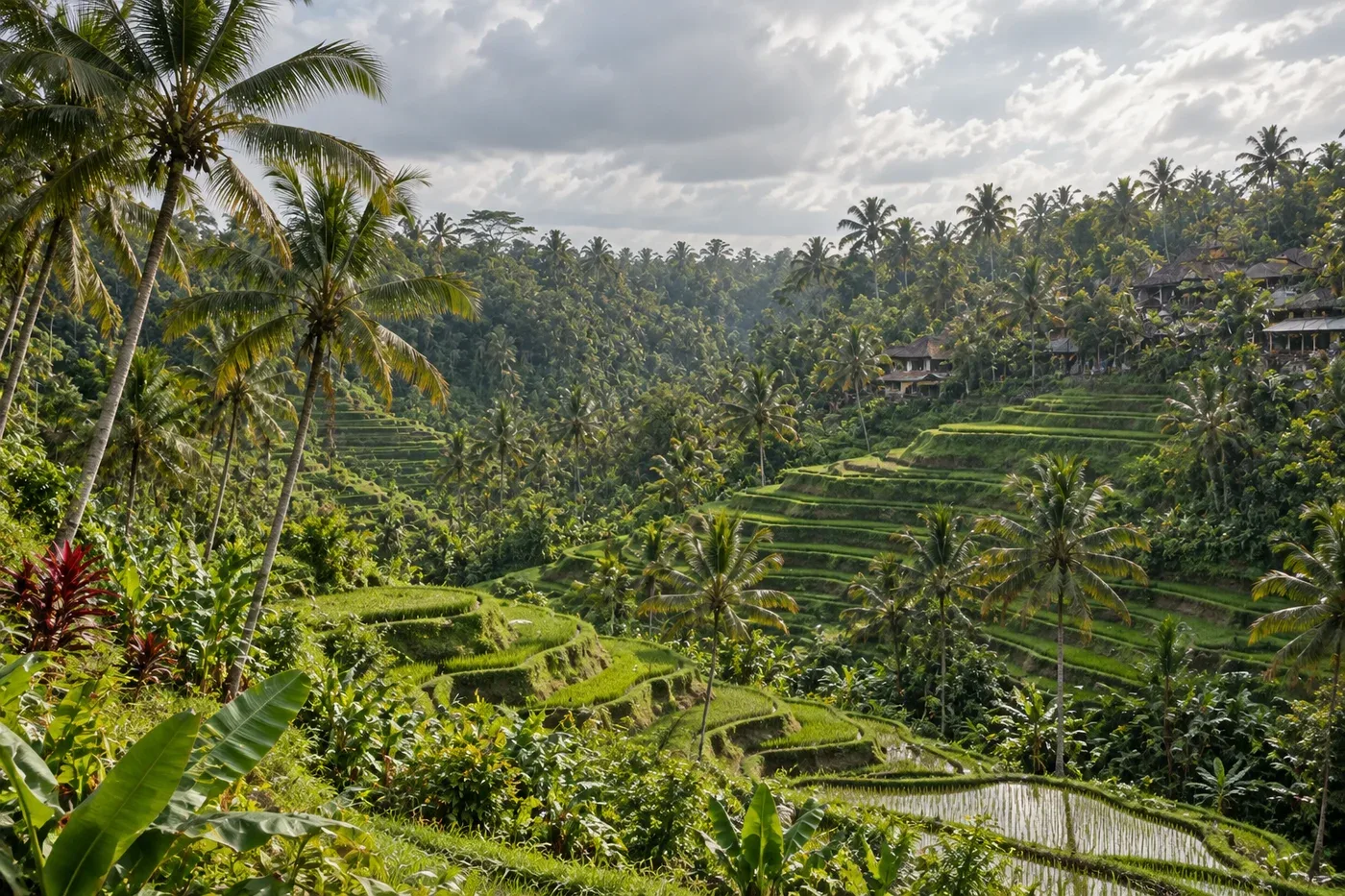
Tegallalang is a useful base for rice-valley views, village crafts and temple excursions north of Ubud. Its famous Ceking terraces are only one part of the area, and the busiest roadside viewpoints should not define the whole visit. A more balanced stay combines a permitted field walk with a hosted creative activity and one carefully chosen cultural excursion. Travel between villages still needs planning: a quiet-looking lane may be narrow, steep or without a comfortable footpath. The ten choices below distinguish local experiences from trips into neighbouring Tampaksiring. They are suggestions for building a coherent itinerary, not an objective ranking or a promise that every activity is available on demand. Allow time for the people and working landscapes behind the photographs.
Tegallalang: quick answers
- Overview
- Tegallalang is a useful base for rice-valley views, village crafts and temple excursions north of Ubud.
- Season
- Rain and the farming cycle affect the appearance and footing of the terraces.
- Getting around
- A driver or prearranged local transfer is useful for linking Ceking, Keliki, Sebatu and Tampaksiring.
1. Ceking rice-terrace viewpoints
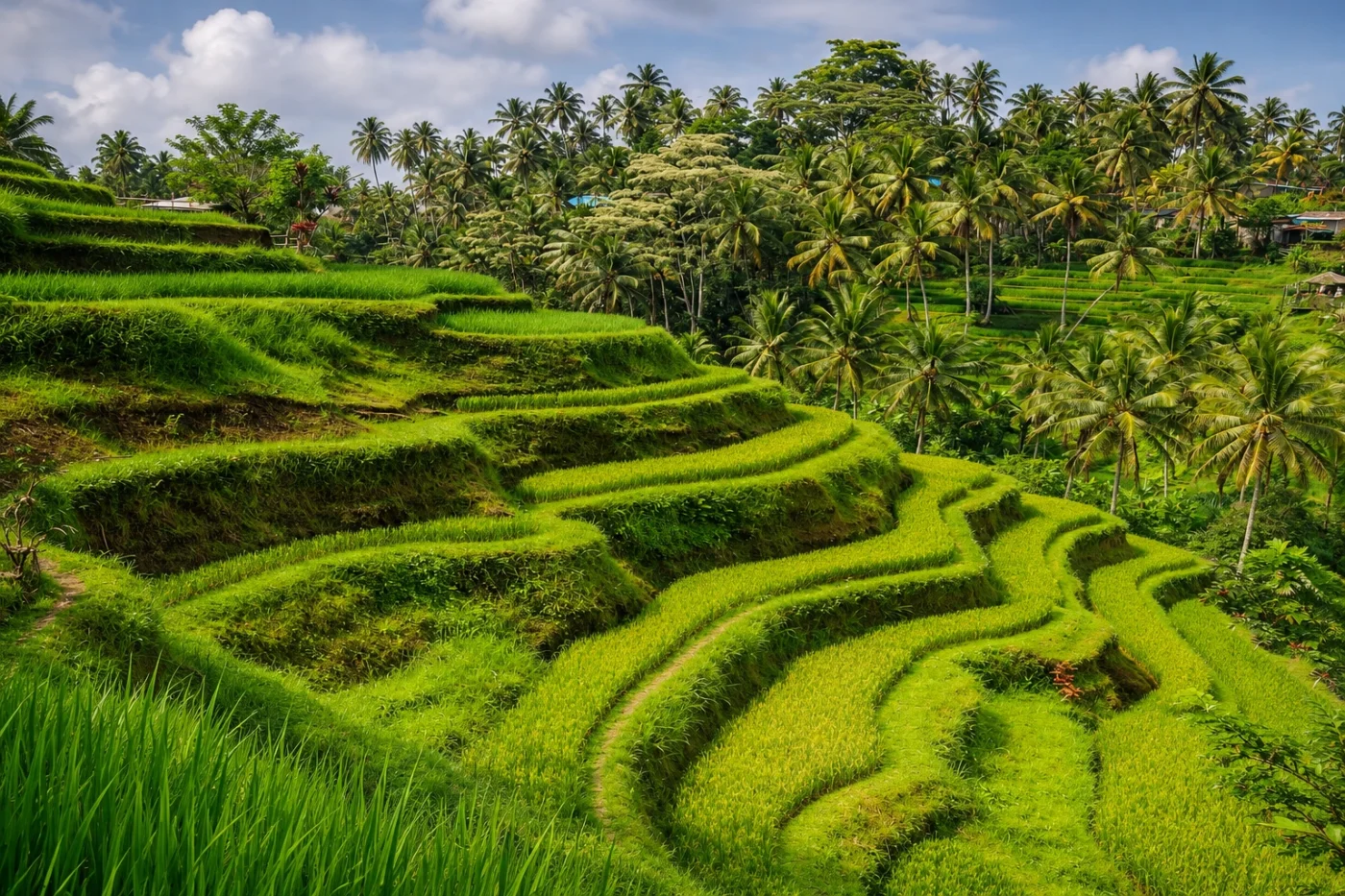
Ceking is the familiar Tegallalang valley landscape, with terraces dropping below the roadside viewing area. Choose a legitimate entrance and ask what the ticket actually covers before descending. The strongest visit is not necessarily the highest swing or most elaborate photo platform: watching the contours from a quieter terrace can be equally rewarding. Paths can be narrow and slippery, and climbing back out takes effort in tropical heat. Keep to designated access, leave planted areas untouched and avoid blocking workers while composing a photograph of the fields.
2. A locally guided rice-field walk
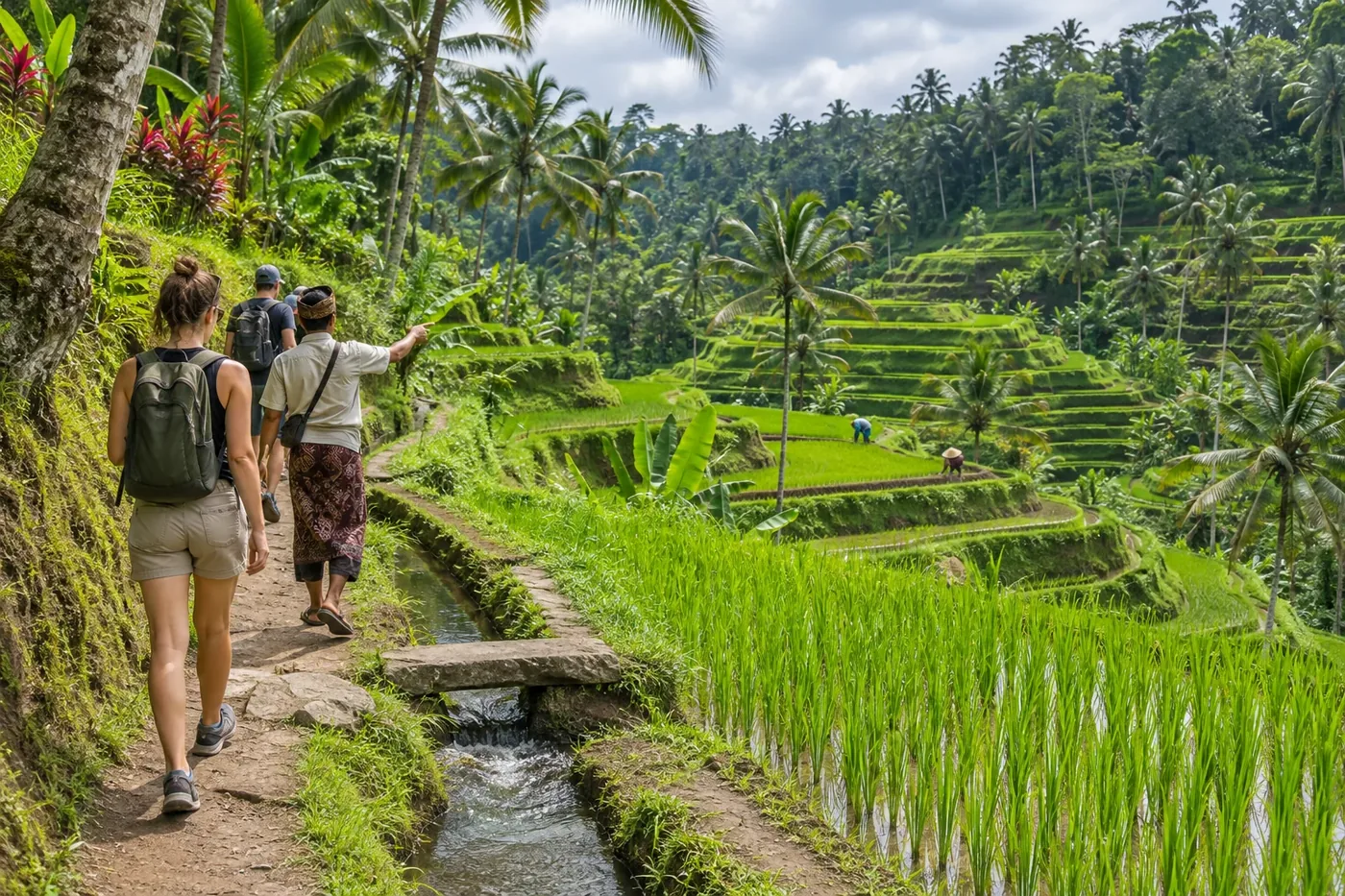
A guide can choose a permitted route through the wider Tegallalang landscape and explain what is being grown or harvested. This offers a different experience from looking down into Ceking for a few minutes. Ask about distance, shade and the condition of bridges or steps, particularly after rain. Routes through farmland are not automatically public rights of way, so do not continue beyond the agreed path because a map shows a line. Give the outing enough time for questions and pauses rather than treating it as a race between roadside attractions.
3. Keliki painting with a local teacher
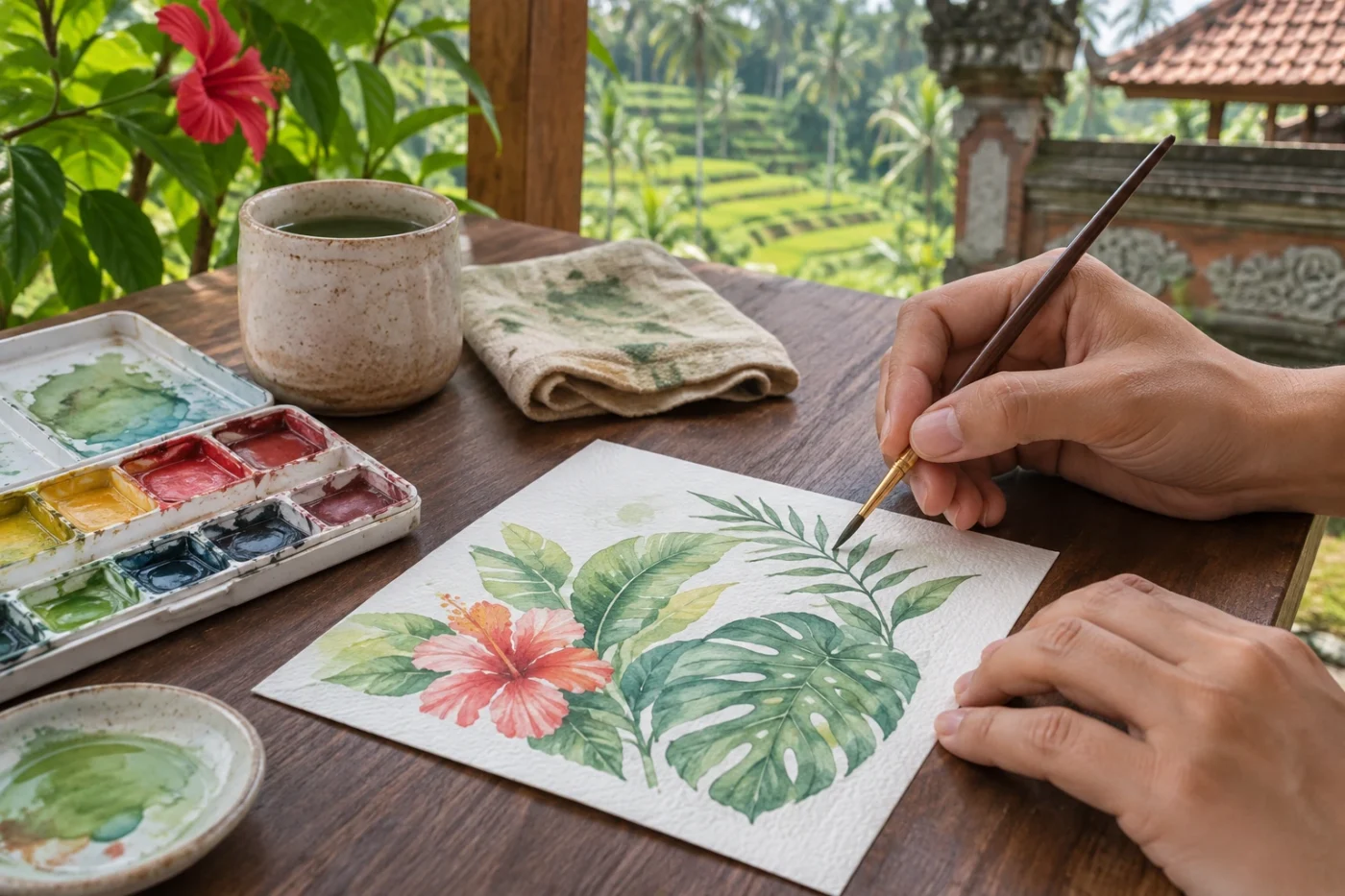
Keliki is associated with a detailed painting tradition and has a government-listed tourism-village programme that includes creative activities. Arrange a genuine class with a local teacher and clarify the materials, language and length of the session. A demonstration and a participatory workshop are different products. Working slowly on a small image can make the style easier to appreciate than browsing finished souvenirs alone. Ask before photographing an artist’s workspace, and buy any artwork with clear information about its maker rather than assuming every item sold nearby was produced in the village.
4. A Keliki craft workshop
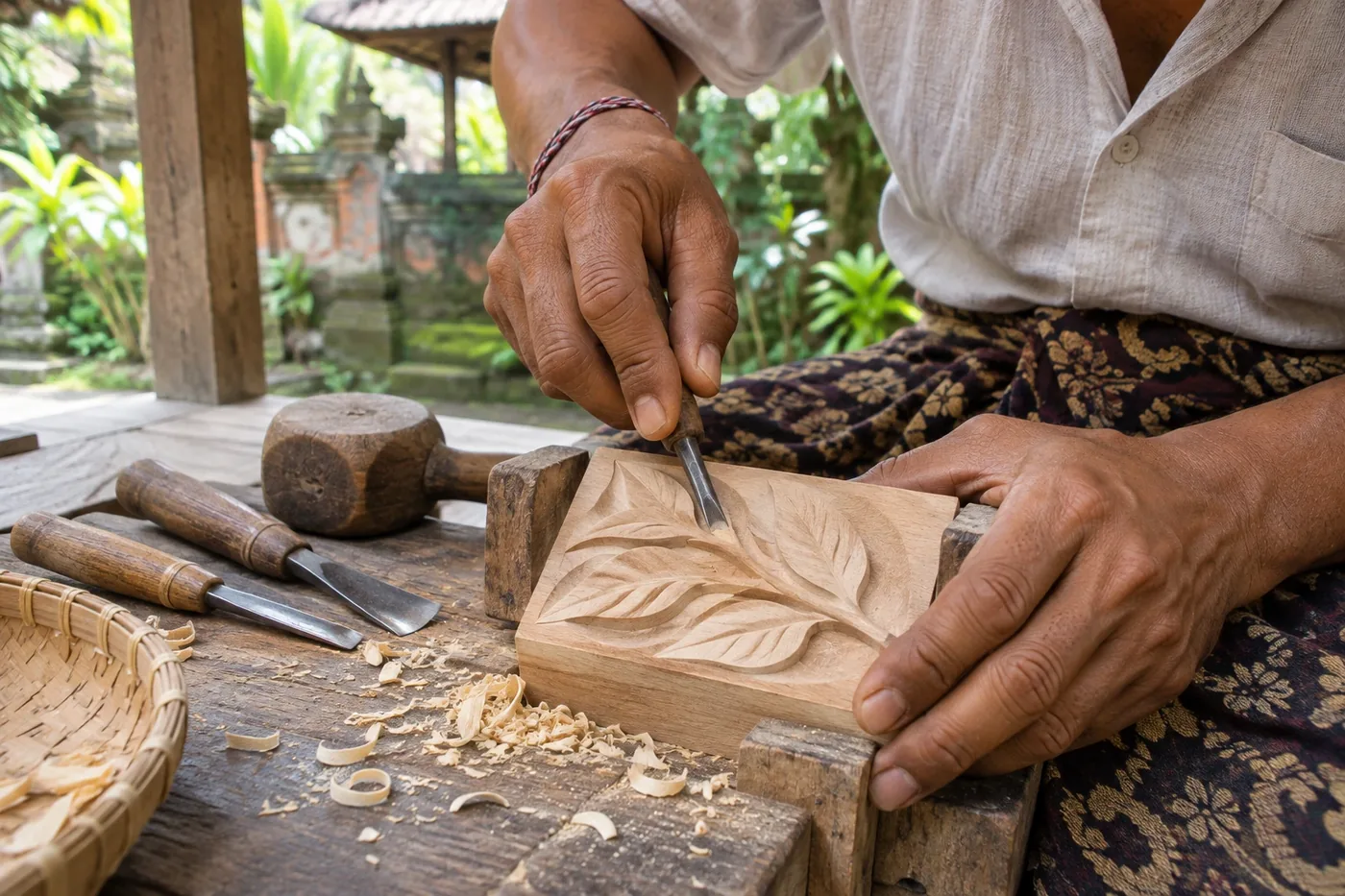
The tourism-village programme also offers craft-related experiences to investigate, including wood carving and eco-print activities. Choose one skill you are interested in and allow the host to explain the materials and process. A booked workshop can be a useful indoor or sheltered alternative when wet weather changes a walking plan. Ask which parts participants do themselves and whether a finished object can realistically be taken away that day. These are hosted activities in a community setting, not a reason to enter private compounds looking for an unannounced demonstration.
5. Gunung Kawi Sebatu temple
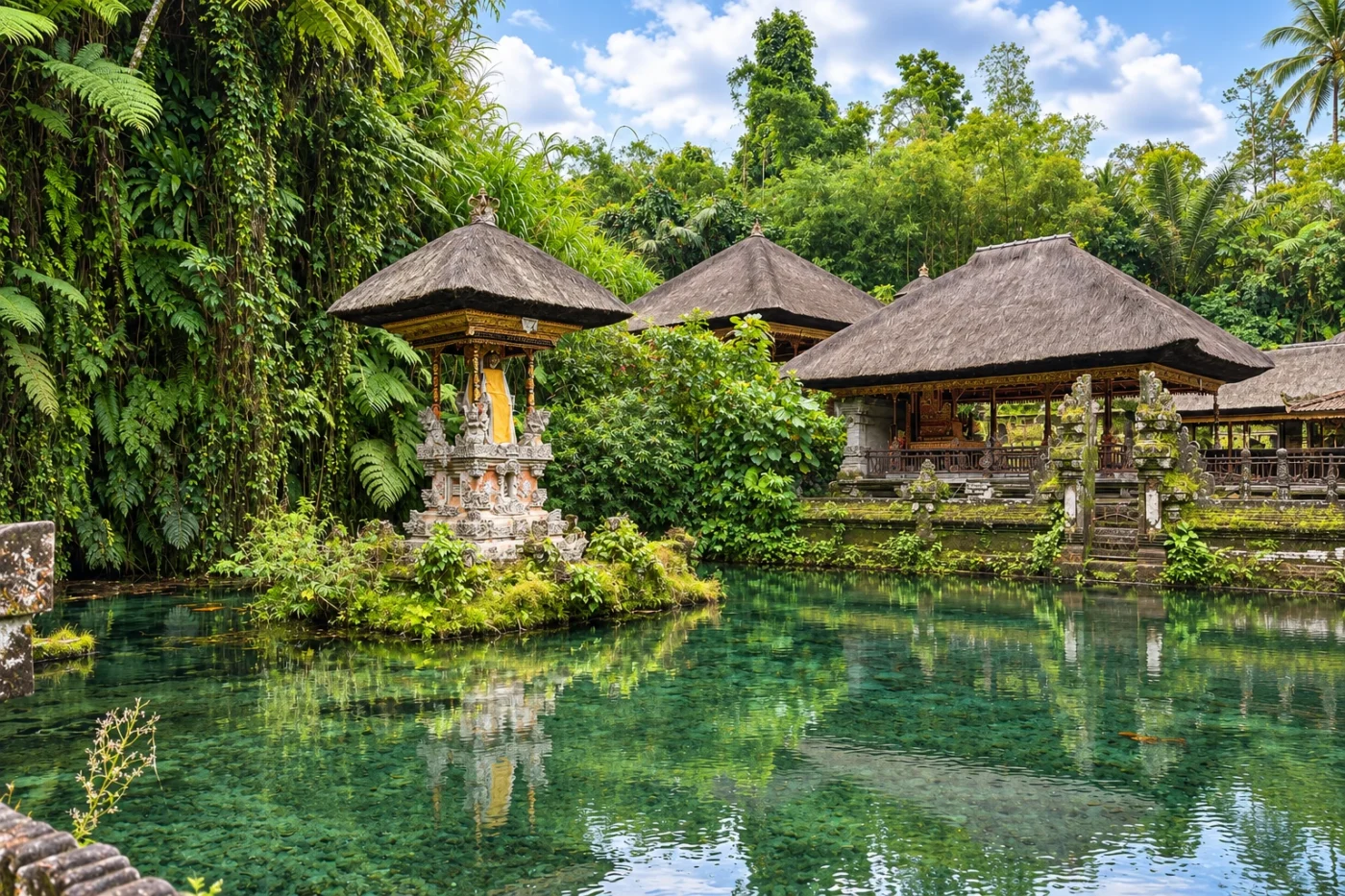
Gunung Kawi Sebatu is a spring-temple complex in Sebatu and should not be confused with the cliff-carved shrines of Gunung Kawi at Tampaksiring. Check the name when arranging transport. A visit can focus on the pools, garden setting and permitted visitor areas without joining a ritual. Follow the temple’s clothing and entry requirements, and give worshippers space. If a guide discusses the sacred significance of water, understand it as religious belief and cultural interpretation rather than a promise of medical benefit from entering a pool.
6. A village walk around Kedisan
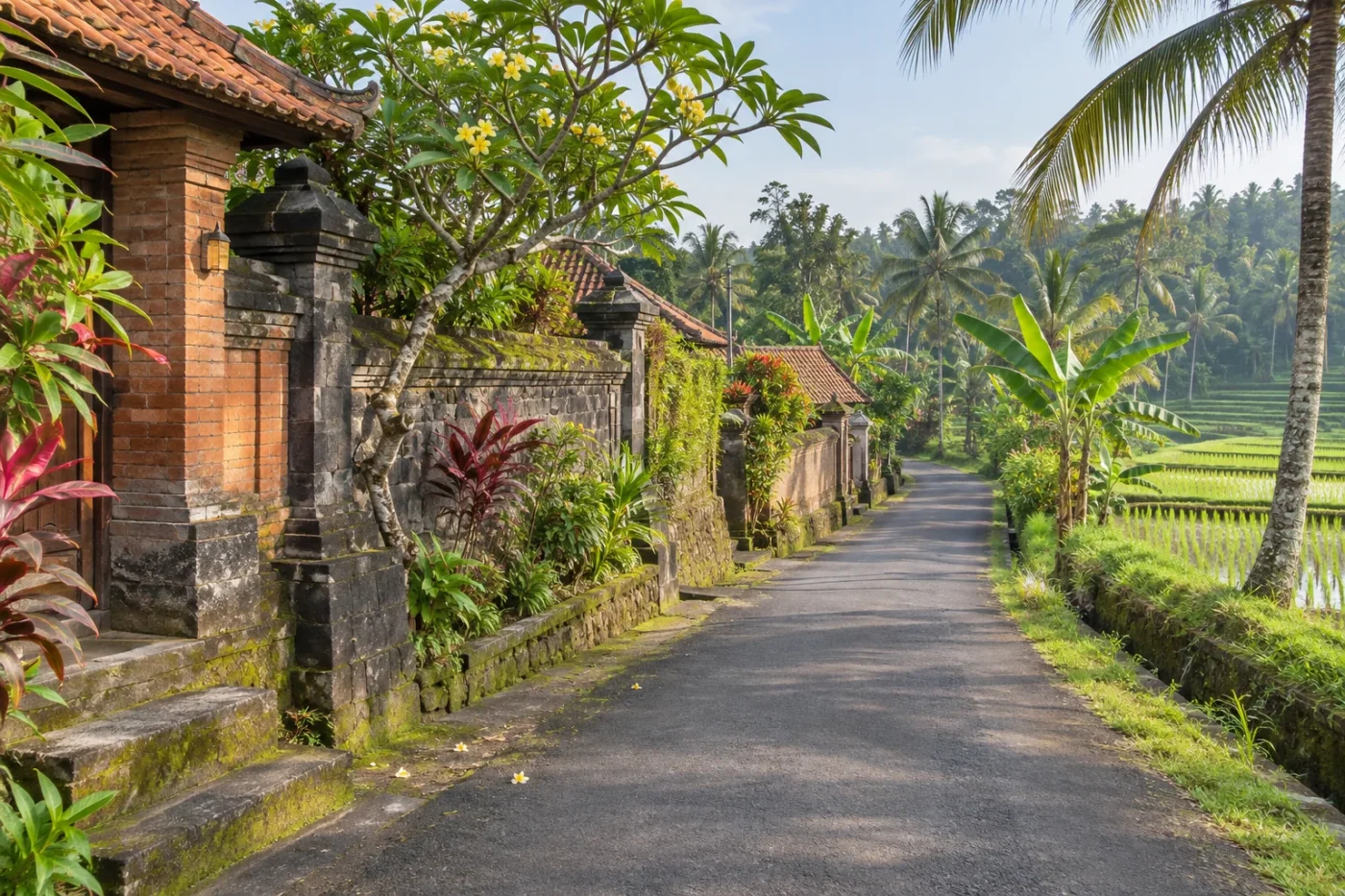
Kedisan in the Tegallalang area offers another route into village scenery and everyday surroundings. Make sure your driver or host understands which Kedisan you mean, since Bali place names can repeat. Ask locally for a suitable public walking route rather than entering farm lanes or courtyards without permission. The value is in moving slowly through a working place, noticing buildings and cultivated land while respecting privacy. Pair a modest walk with a meal or another nearby activity instead of driving here solely to collect an additional village name.
7. Tirta Empul as a separate Tampaksiring outing
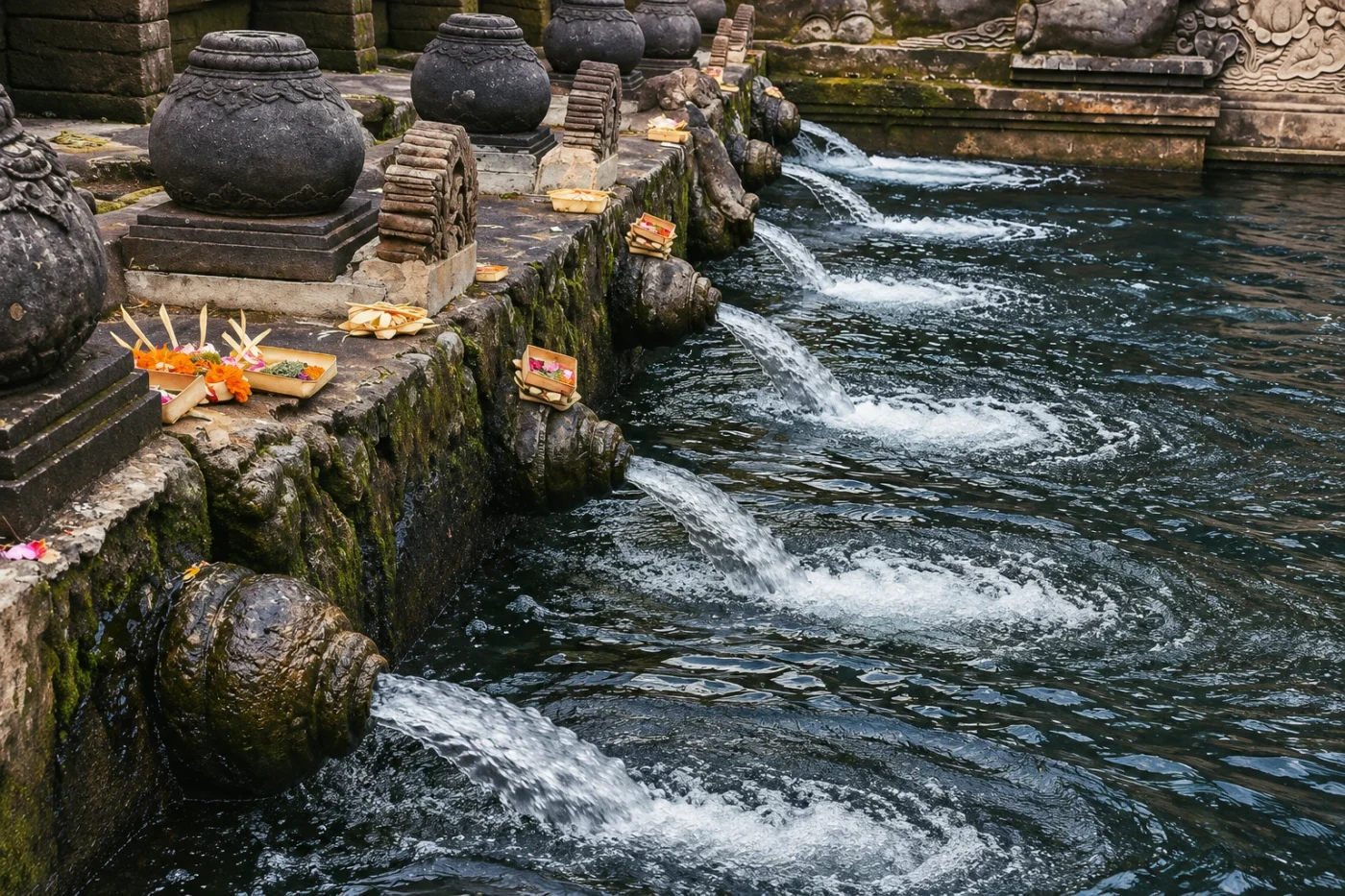
Tirta Empul is an active sacred-water temple in neighbouring Tampaksiring, requiring an intentional transfer from your Tegallalang base. Visitors can learn about the site without participating in the purification ritual. Anyone considering participation should follow current temple instructions and an appropriate local explanation; it is not a swimming-pool activity or a guaranteed spiritual transformation. Dress correctly, respect restricted areas and avoid photographing people at vulnerable moments. Keep the visit unhurried and allow extra time when ceremonies or worship make visitor movement more limited than expected.
8. Gunung Kawi’s cliff-carved shrines
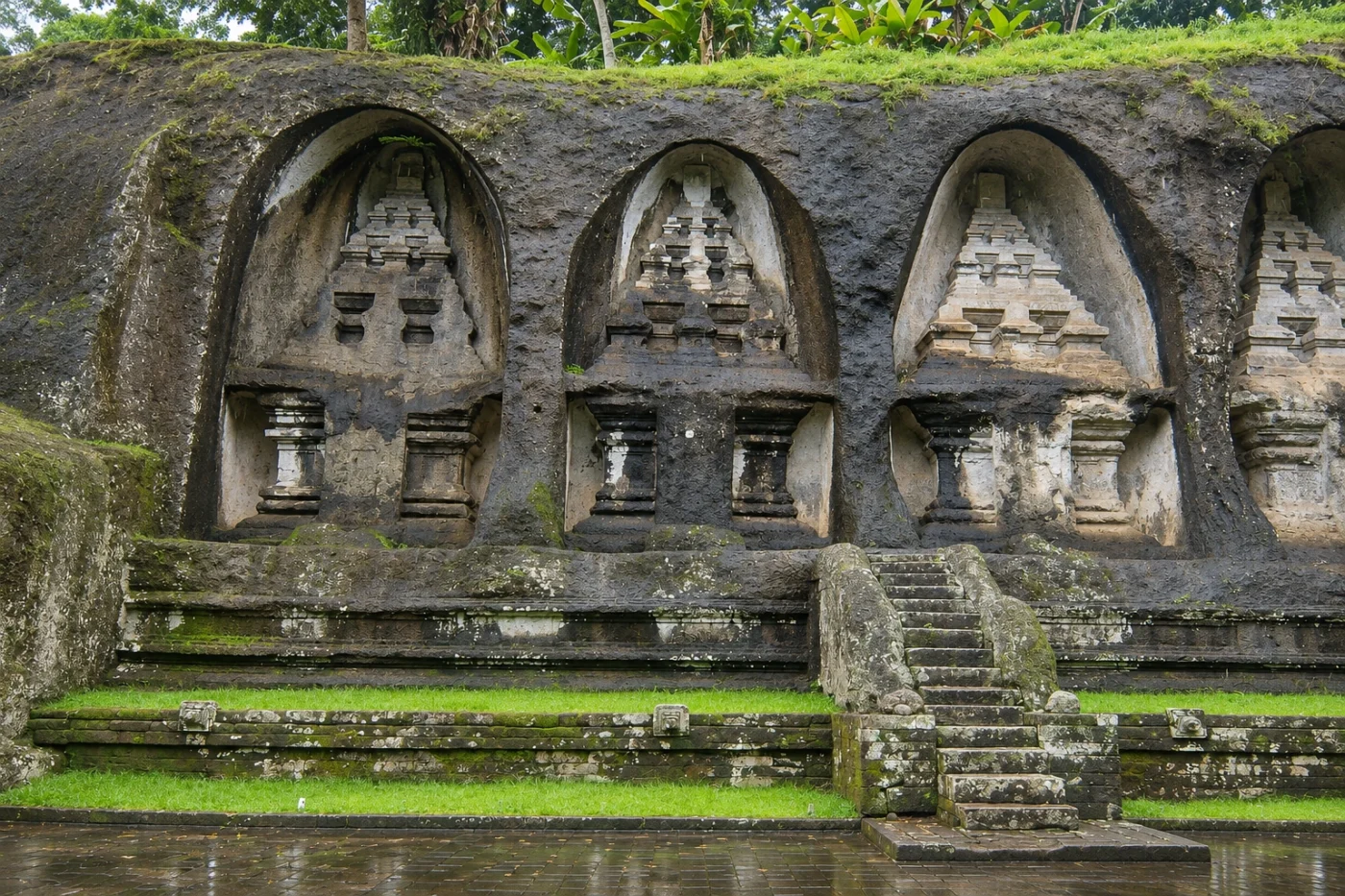
The Gunung Kawi complex at Tampaksiring provides a contrasting excursion into a river-valley setting with carved memorial shrines. Expect a walk involving substantial steps and the return climb, rather than a level roadside attraction. Check the current visitor route and your group’s ability before combining it with a long rice-field descent. Carry water and leave time to pause instead of rushing from one staircase to another. A guide can help distinguish the archaeological features from the active sacred setting, and visitors should follow local access and clothing requirements throughout.
9. A food stop overlooking the wider valley
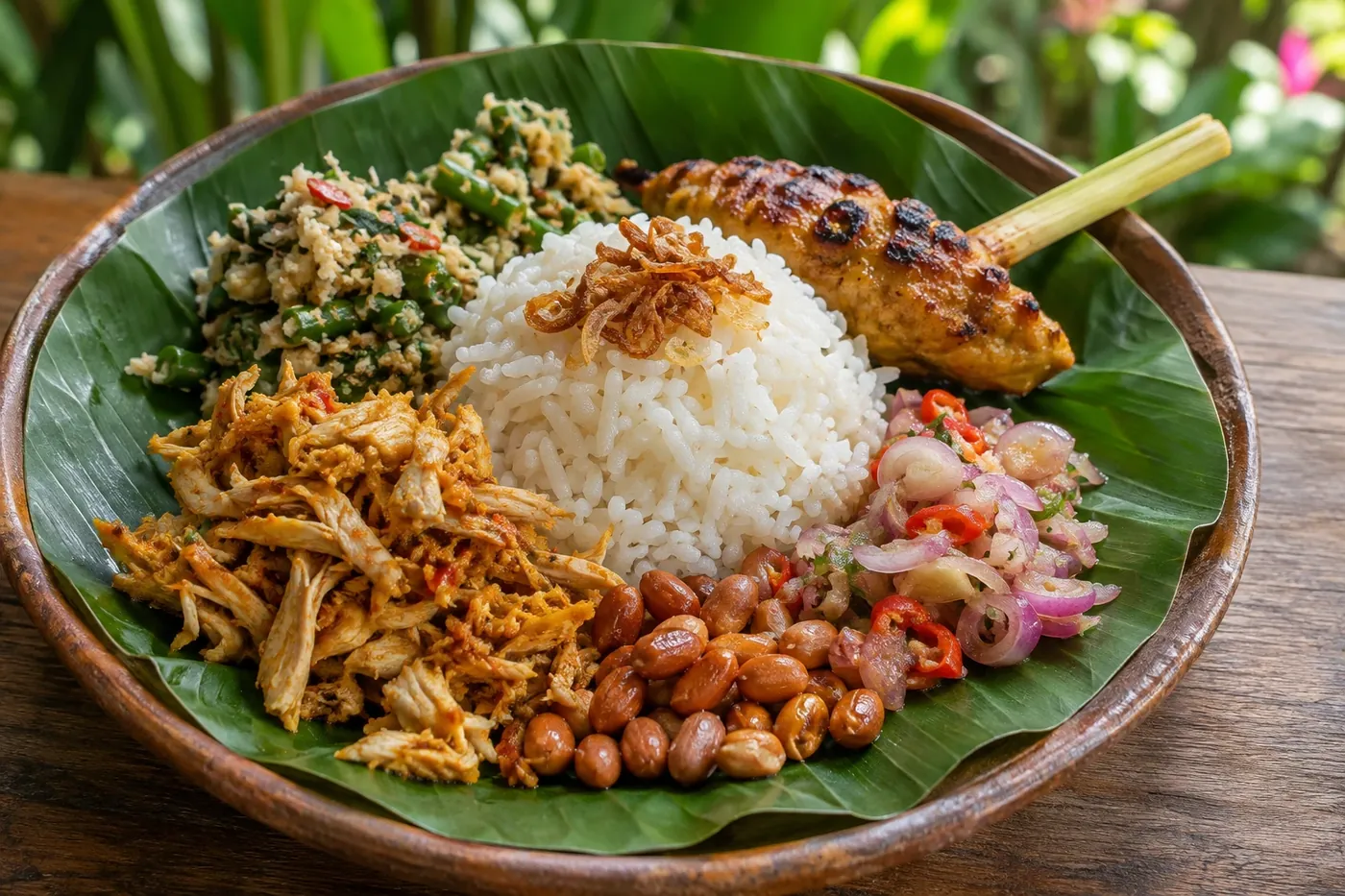
A carefully chosen meal can turn a string of short photo stops into a more enjoyable day. Compare a place’s menu, shade and actual position rather than relying only on a dramatic deck photograph. Ask about local dishes and ingredients, and discuss allergies clearly before ordering. Valley views are weather-dependent and may show different farming stages from promotional images. A lunch stop near your existing route is usually more practical than crossing the district for a single café, particularly when afternoon traffic or rain is building.
10. A slower stay north of Ubud

Staying in the Tegallalang area can suit travellers who want a quieter setting while keeping access to Ubud and nearby temples. Choose accommodation by road access, meal arrangements and the actual distance to the experiences you intend to book. A rice-field view does not make every destination walkable, and some properties are reached by narrow lanes. Use an overnight stay to spread a workshop and an outdoor visit across separate days. Confirm transport after dinner rather than assuming a rural location has the same on-demand options as central Ubud.
Season and planning
Rain and the farming cycle affect the appearance and footing of the terraces. The drier season can be more comfortable for walking, while wet periods make sheltered workshops useful alternatives. Check the actual ground conditions and forecast, and do not assume a lush photograph represents every field on every date.
A driver or prearranged local transfer is useful for linking Ceking, Keliki, Sebatu and Tampaksiring. Distances that look small can still involve winding roads and slow traffic. Choose a geographically coherent route and agree the pickup after a class or meal. Scooter hire should never substitute for the appropriate licence, experience and insurance.
Suggested pace
One day: a focused introduction
Visit Ceking through an authorised entrance, have a relaxed lunch and choose either a short guided walk or a single workshop. Avoid adding both major Tampaksiring temples to an already active day.
Two days: add a contrasting experience
Separate a rice-landscape morning and Keliki activity from a temple excursion. Choose Gunung Kawi Sebatu for a more compact visit or plan the steps and time needed at the Tampaksiring complex.
Three days: explore at an easier pace
Add an unhurried Ubud day or a second hosted village experience, allowing for traffic and weather. Keep a half-day flexible rather than filling it with several similar viewpoints.
Related Bali guides
Ubud
Explore Ubud with ten local experiences, realistic itineraries, transport advice and seasonal planning for a Bali stay.
Jatiluwih
Explore Jatiluwih with ten practical experiences, seasonal advice, transport planning and realistic one-to-three-day itineraries.
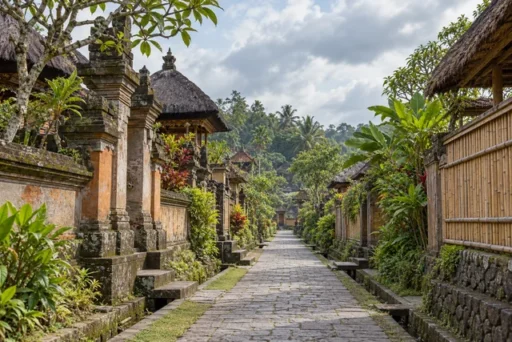
Bangli and Penglipuran
Explore Bangli and Penglipuran with ten practical experiences, seasonal advice, transport planning and realistic one-to-three-day itineraries.
Questions and answers
Is Tegallalang the same as Ubud?
No. It is a neighbouring area north of Ubud, with its own villages and road connections. Check the actual location of accommodation and activity meeting points.
Are all the terraces UNESCO-listed?
Do not assume every rice terrace belongs to the listed property. The famous Ceking view should not be described as a standalone UNESCO inscription.
Are Gunung Kawi Sebatu and Gunung Kawi the same temple?
No. One is the Sebatu spring-temple complex; the other is the cliff-carved shrine complex at Tampaksiring. Confirm the correct destination.
Must I participate in a purification ritual?
No. A respectful cultural visit does not require ritual participation. Follow the active temple’s rules and worshippers’ priorities.
Sources and further reading
Use the responsible authority or provider for current access, availability and booking details.