10 Balinese Dance Experiences and Programmes to Compare
Written 26 October 2026 · BaliTop10
Balinese dance rewards a little preparation. Knowing whether a programme features Kecak, Legong, Barong or another form helps the movement, music and story become more than a colourful evening photograph. This list compares ten performance choices and programme formats, including different productions at the same venue. It does not imply that ten separate shows run every night. Check the current schedule and booking arrangements directly, and distinguish temple admission, a performance ticket and a dinner package. Some presentations are outdoors and some include fire or loud sound. Choose by the form and setting that interest you, with realistic transport home and time to read the story before the performance.
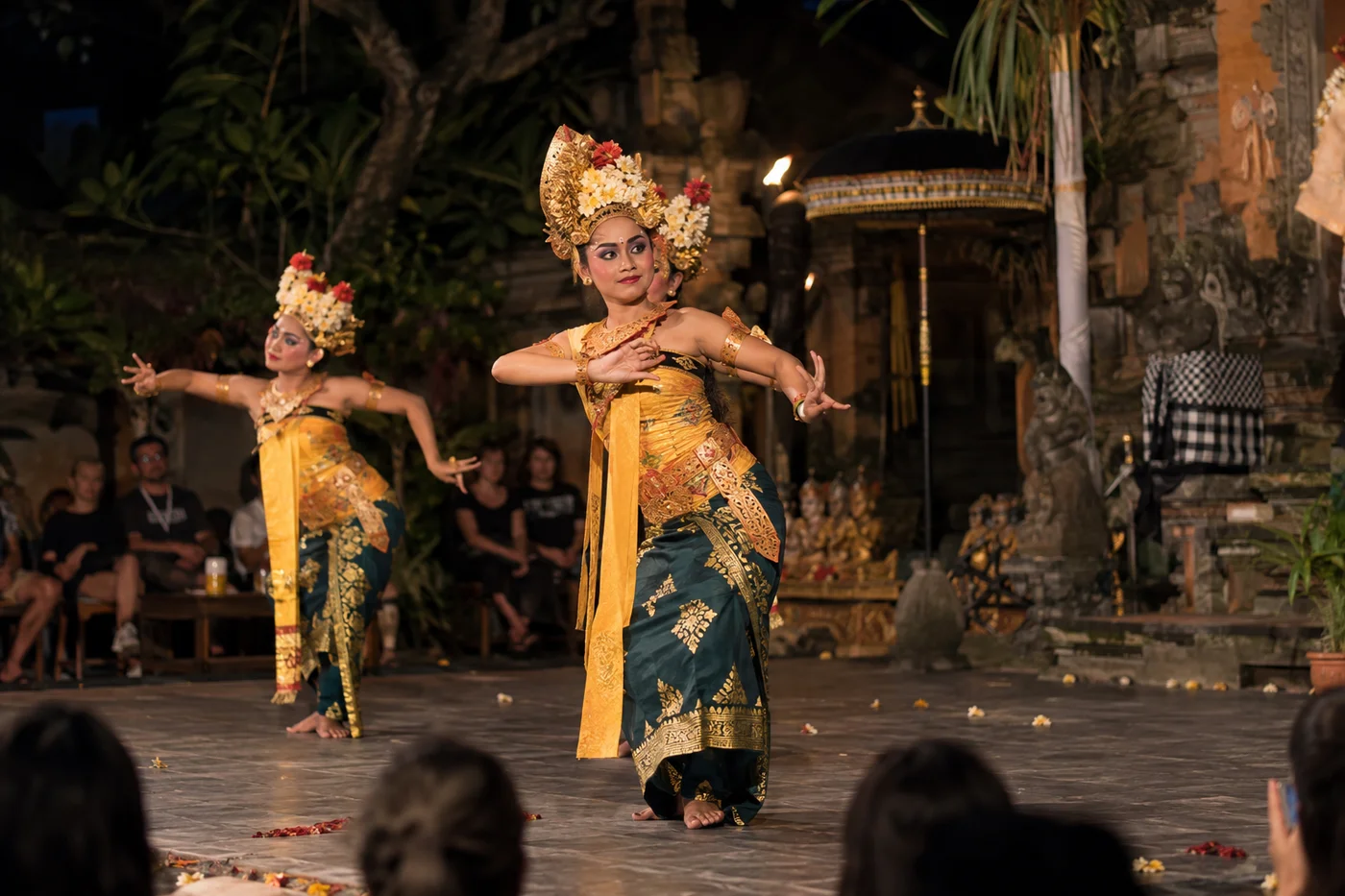
1. Uluwatu Kecak performance
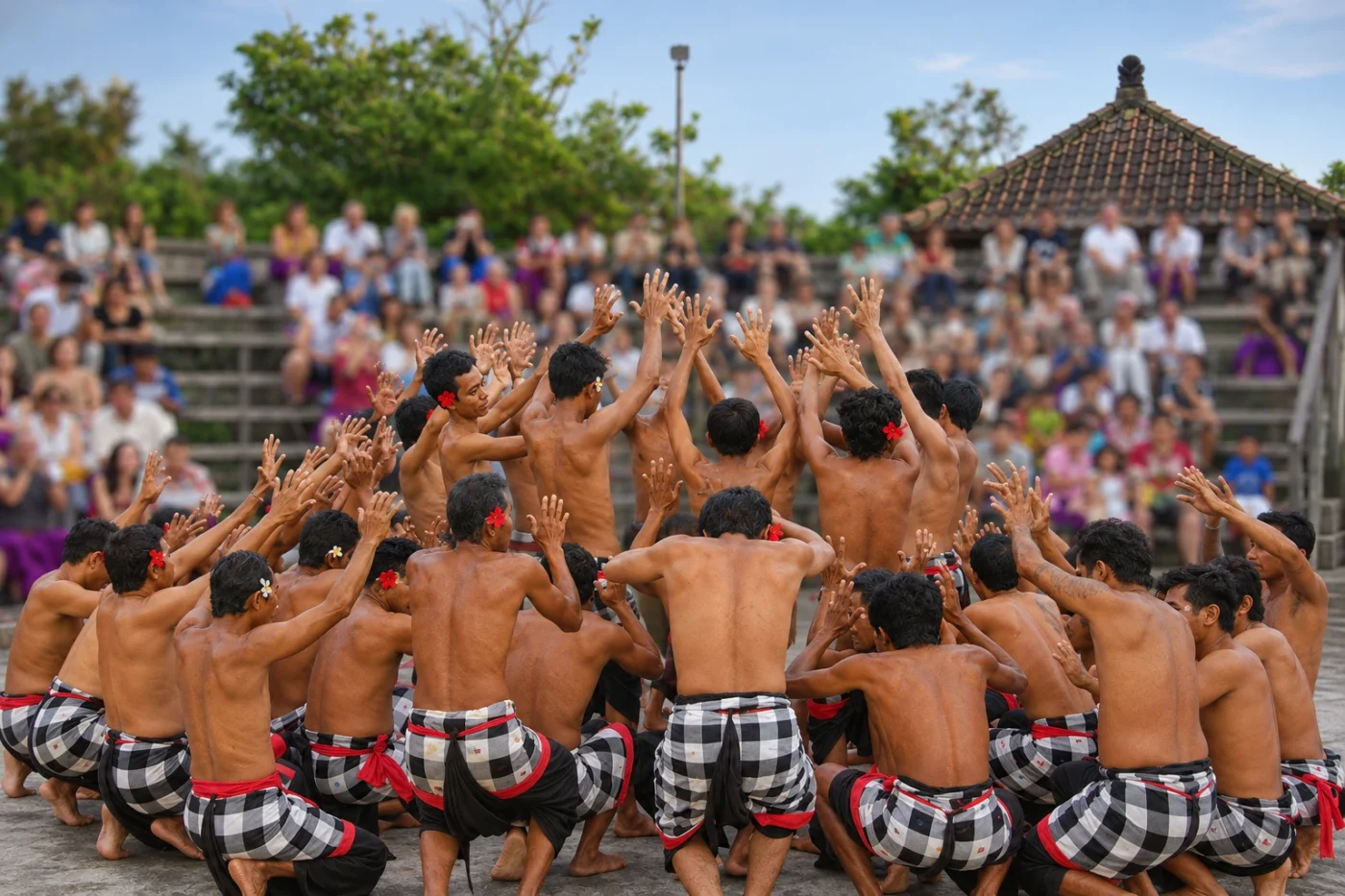
The Uluwatu Kecak programme combines a Ramayana-based performance with an exposed clifftop setting. The chant-led sound is central to the experience, rather than an orchestral background to ignore while photographing sunset. Read a story summary and confirm the current show and ticket arrangements before travelling. Temple admission and performance seating are separate considerations. Arrive with time for the approach and keep belongings secure around monkeys. Weather, crowds and the final road journey all affect the evening, so avoid adding several distant sunset stops to the same schedule.
2. Ubud Palace classical dance programme

Ubud Palace provides a formal courtyard setting for classical dance presentations. Ask which programme is scheduled on your evening rather than assuming every poster promises the same Legong or Ramayana selection. The costume, eye movement and hand positions become easier to appreciate when you know which character is on stage. Choose seating without blocking another visitor’s view and follow the organiser’s camera rules. A daytime palace visit does not include a reserved evening seat. Staying nearby can make the return simpler than arranging a late cross-island transfer after the show.
3. Ubud Water Palace Legong programme
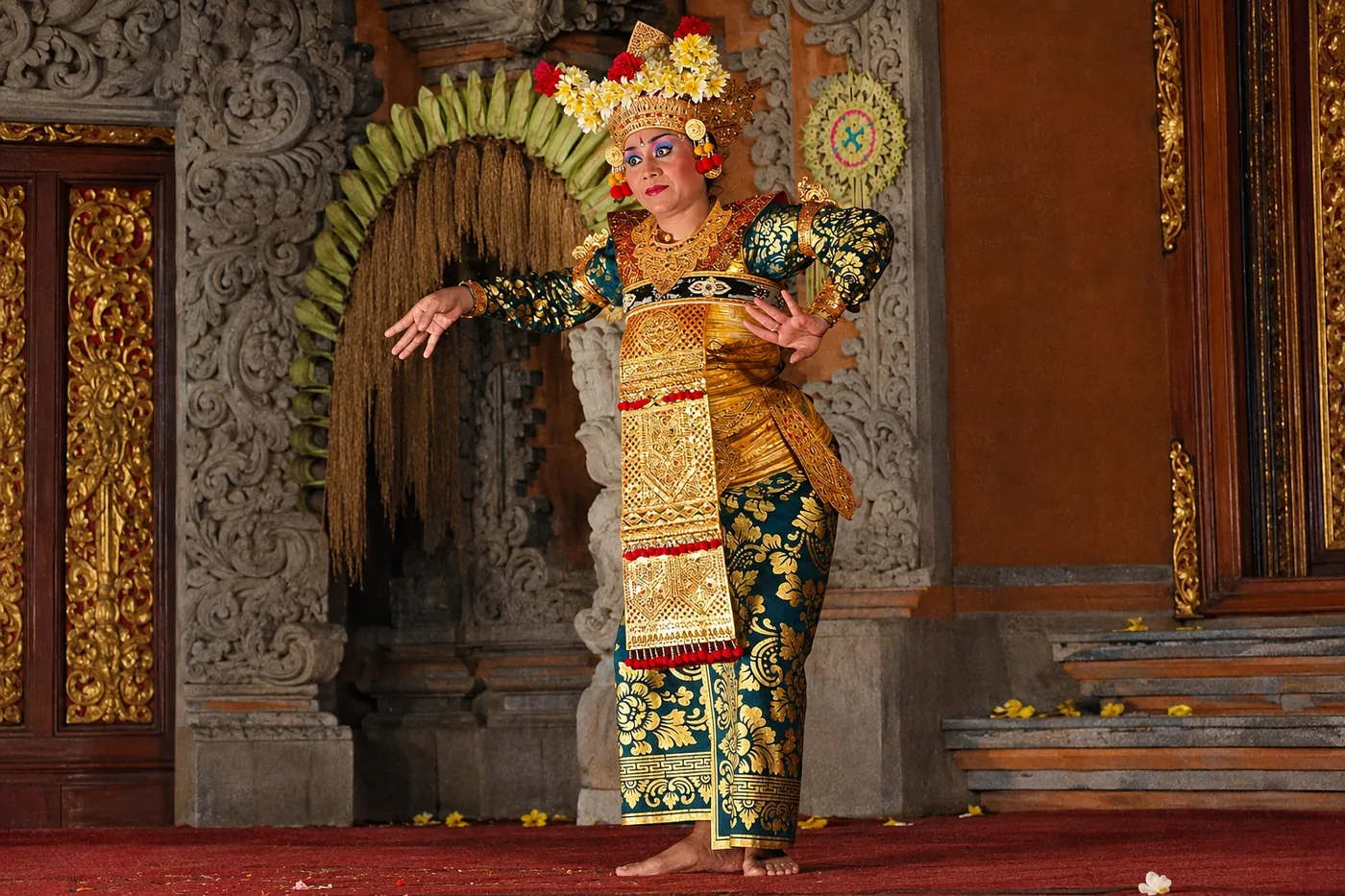
A Legong programme at Ubud Water Palace focuses attention on precise movement, expression and the relationship with gamelan accompaniment. Confirm the current performance date directly, because a general temple opening timetable is not the dance schedule. Arrive early enough to read the programme and settle into the seating. The lotus-pond and gateway setting adds atmosphere, but the dance deserves attention beyond the backdrop. Follow photography instructions and do not move around the audience for multiple angles. Check the final access route if steps or uneven surfaces are a concern.
4. Ubud Water Palace Barong programme
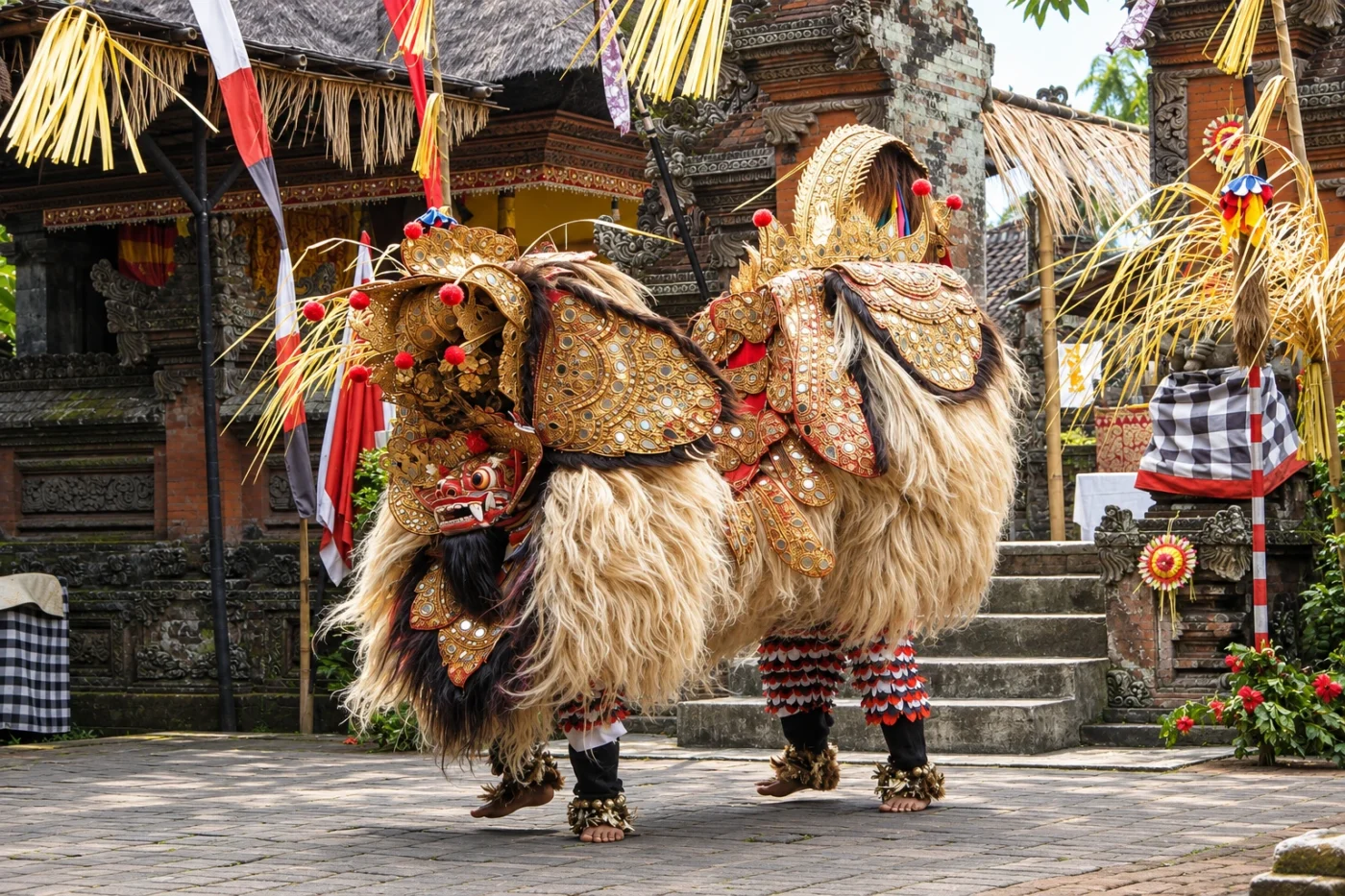
The Barong programme at Ubud Water Palace offers a different dramatic form from a Legong evening at the same venue. Understanding Barong and Rangda within the story helps avoid reading the performance as a simple costume display. Confirm what the current production includes and whether the programme provides an introduction. Choose this for the dance itself, not just because the venue is convenient. Children or sound-sensitive visitors may benefit from knowing the intensity and seating arrangement in advance. Keep the evening local with an unhurried dinner and a planned return route.
5. Ubud Water Palace Janger programme
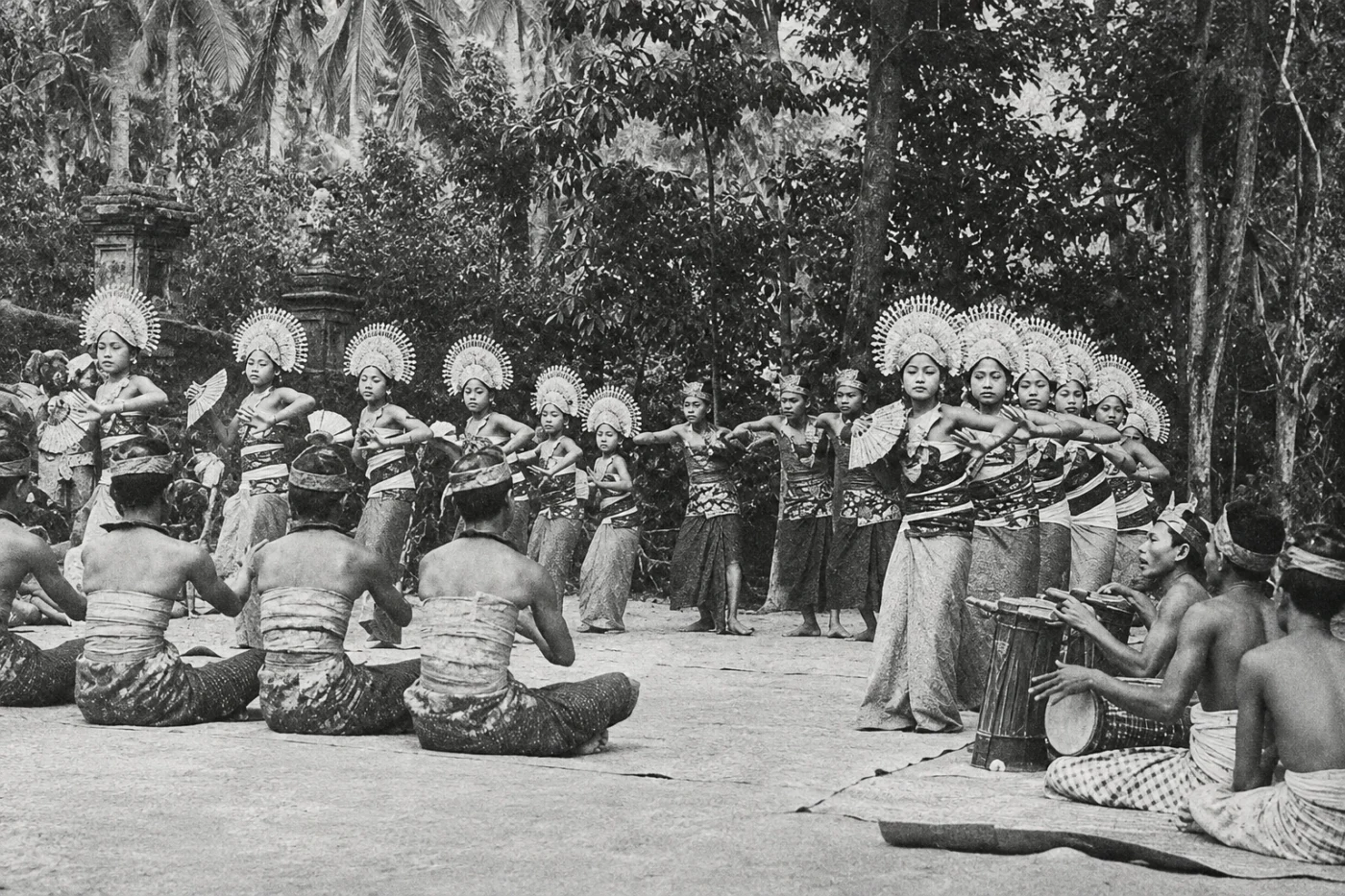
Janger offers a contrasting group-performance experience within the Ubud Water Palace programme. Rather than expecting the same narrative and movement as Kecak or Legong, ask the organiser for a brief explanation of the evening’s presentation. Check the current day and ticket availability directly. The venue’s programme can change around ceremonies or private events, so an old weekly schedule is not a guarantee. Allow time to arrive without rushing and remain seated considerately. Comparing two different forms over a longer stay can be more rewarding than trying to see several shows in one night.
6. Café Lotus Ramayana programme
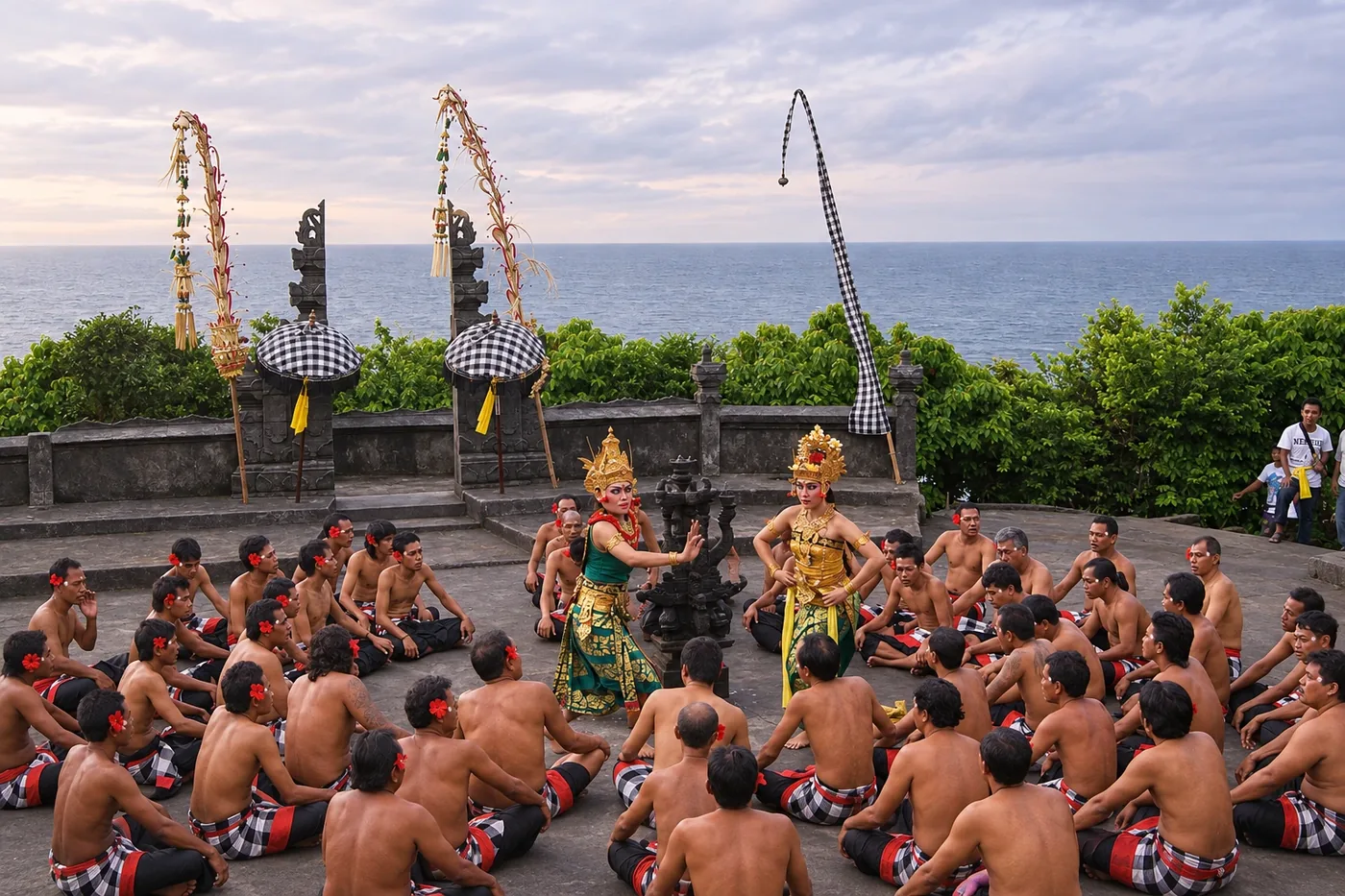
The Café Lotus programme includes a Ramayana presentation to compare with its other dance evenings. The story-based format benefits from reading who the principal characters are before it begins. Clarify the relationship between dining and performance admission when reserving; a restaurant table and a stage seat may have different terms. Check the current programme with the venue rather than relying on a generic Ubud timetable. Keep the meal schedule realistic and ask about rain arrangements. The setting is atmospheric, but it does not provide permission to enter restricted temple spaces nearby.
7. Café Lotus Joged programme
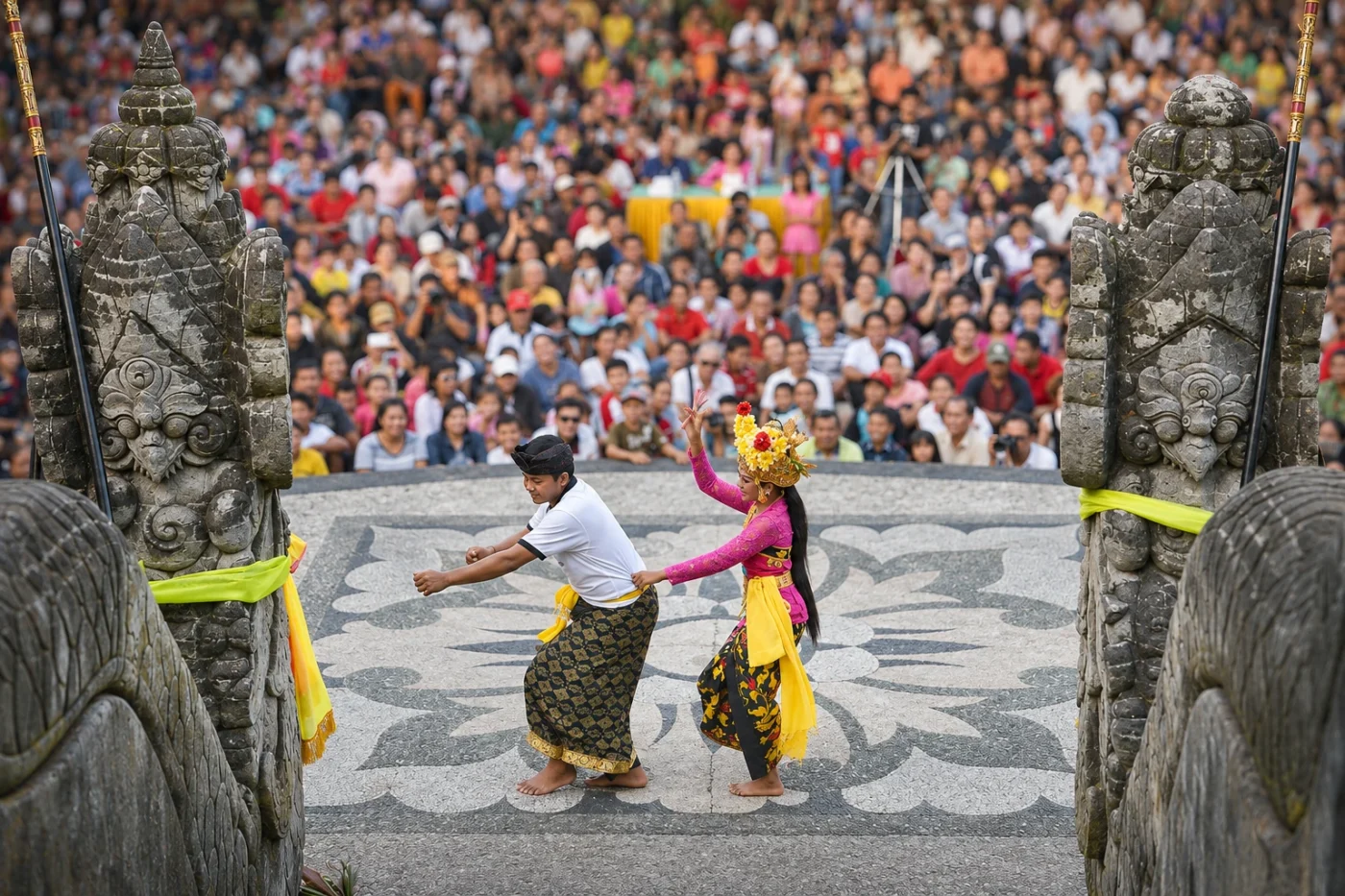
A Joged evening on the Café Lotus programme provides another way to encounter Balinese performance within an organised visitor setting. Ask how the specific presentation is staged and what audience participation, if any, the organiser expects; do not assume every dance invites guests onto the performance area. Confirm the current date and admission arrangements directly. The useful comparison is the style and atmosphere, rather than whether a show appears in the most photographs. Dress comfortably and respectfully, and allow enough time to enjoy the complete performance instead of leaving midway for a distant reservation.
8. Café Lotus women’s orchestra and dance programme
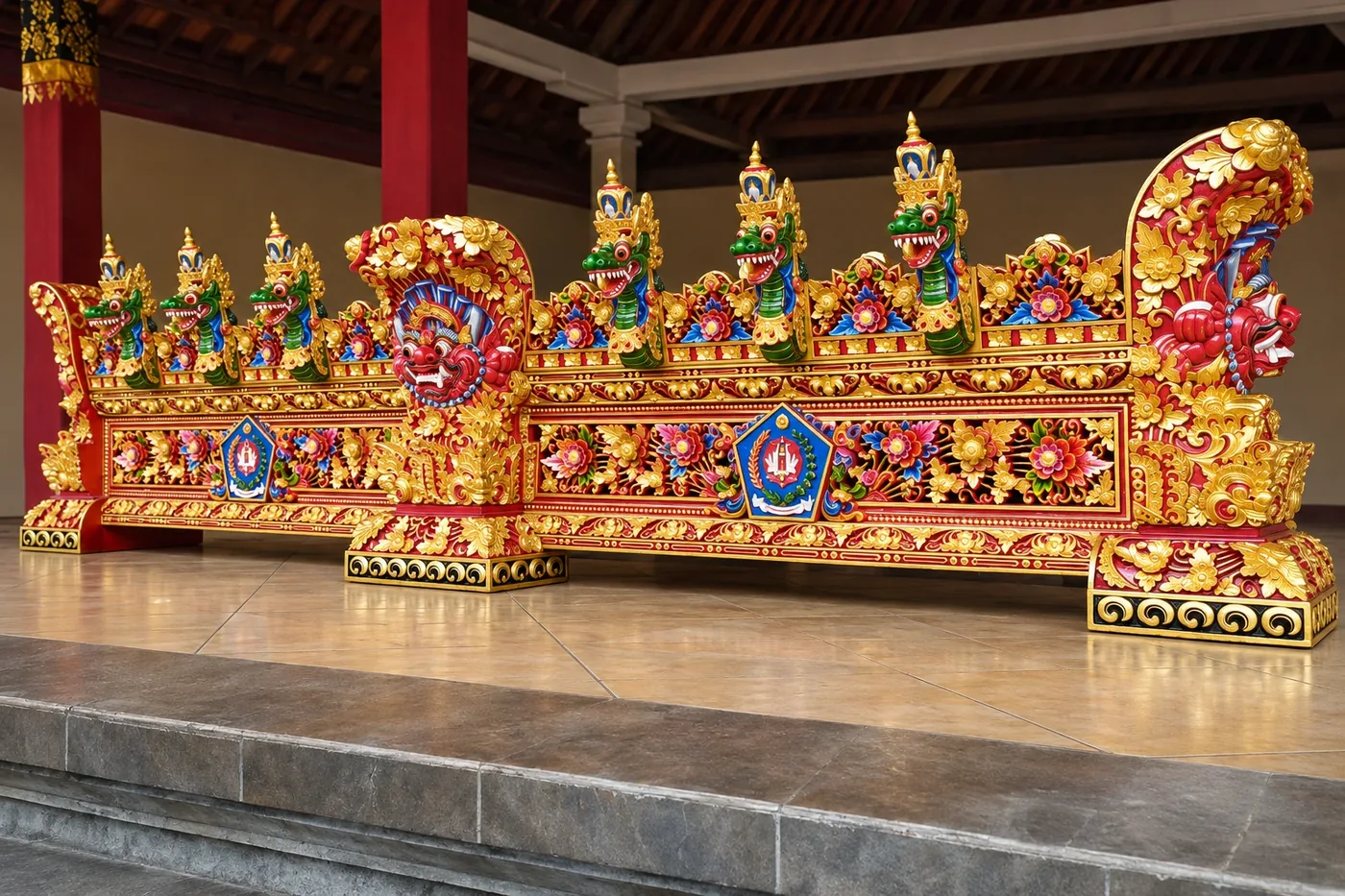
The women’s orchestra and dance programme at Café Lotus offers a chance to pay attention to musicianship as well as the dancers. Listen to the rhythmic changes and the connection between instrumental cues and movement, rather than treating the ensemble as background sound. Check the current advertised programme and how tickets relate to dining. A short introduction or printed outline can add useful context. Choose a seat with a considerate view of the stage and follow camera instructions. The programme is a specific scheduled event, not a guaranteed feature of every meal at the venue.
9. GWK cultural performance programme
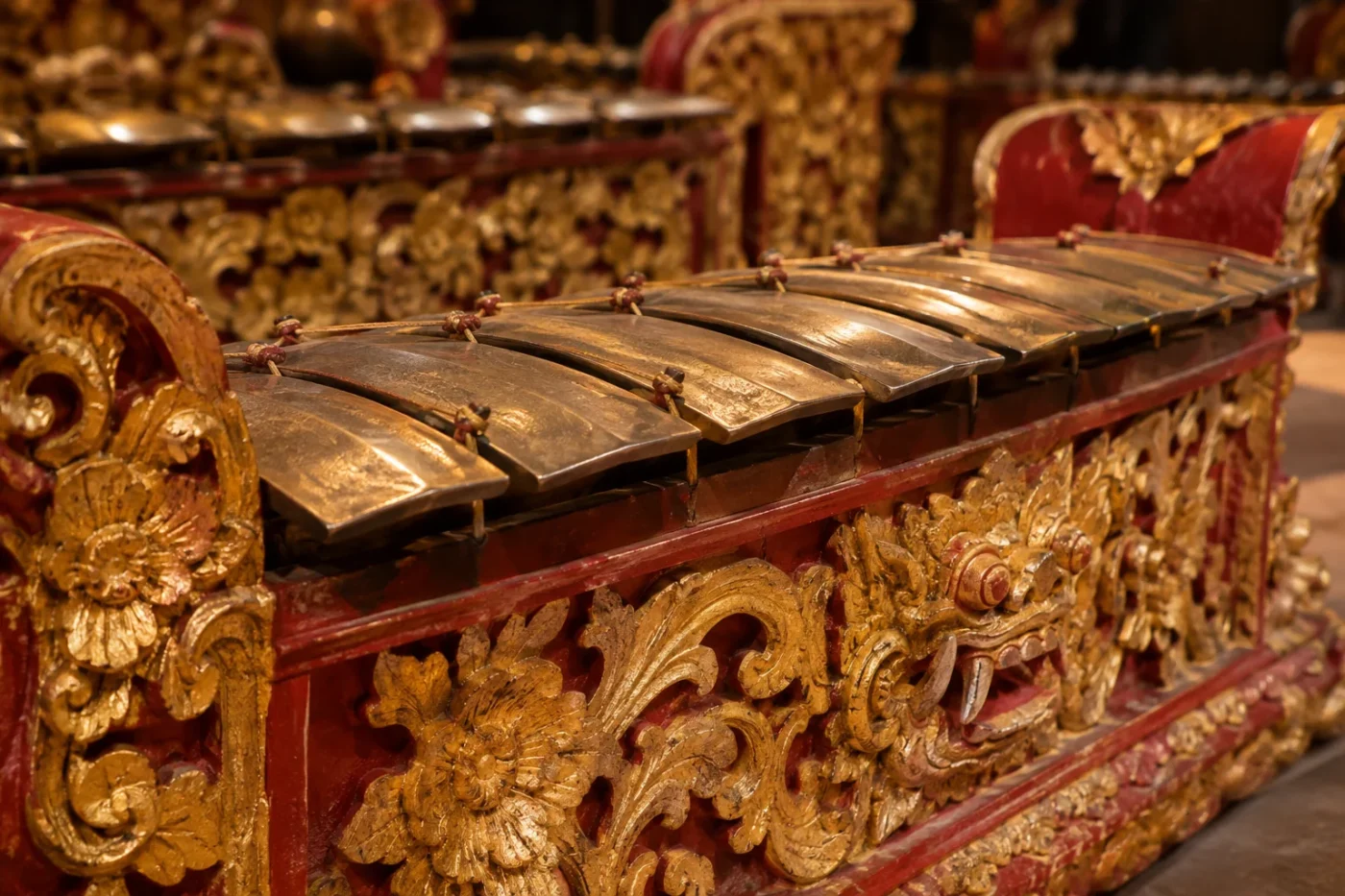
Garuda Wisnu Kencana Cultural Park presents cultural performances within a larger visitor attraction. It suits a southern-Bali day when you want to combine the park’s monumental setting with a scheduled show, provided the programme fits your actual visit. Verify which performance is running and whether a particular show is included with admission or needs another booking. A park ticket does not mean every event operates continuously. Leave time to reach the performance area and avoid treating the whole park as a quick stop immediately before a fixed transfer or flight.
10. Maya Ubud cultural dining evening
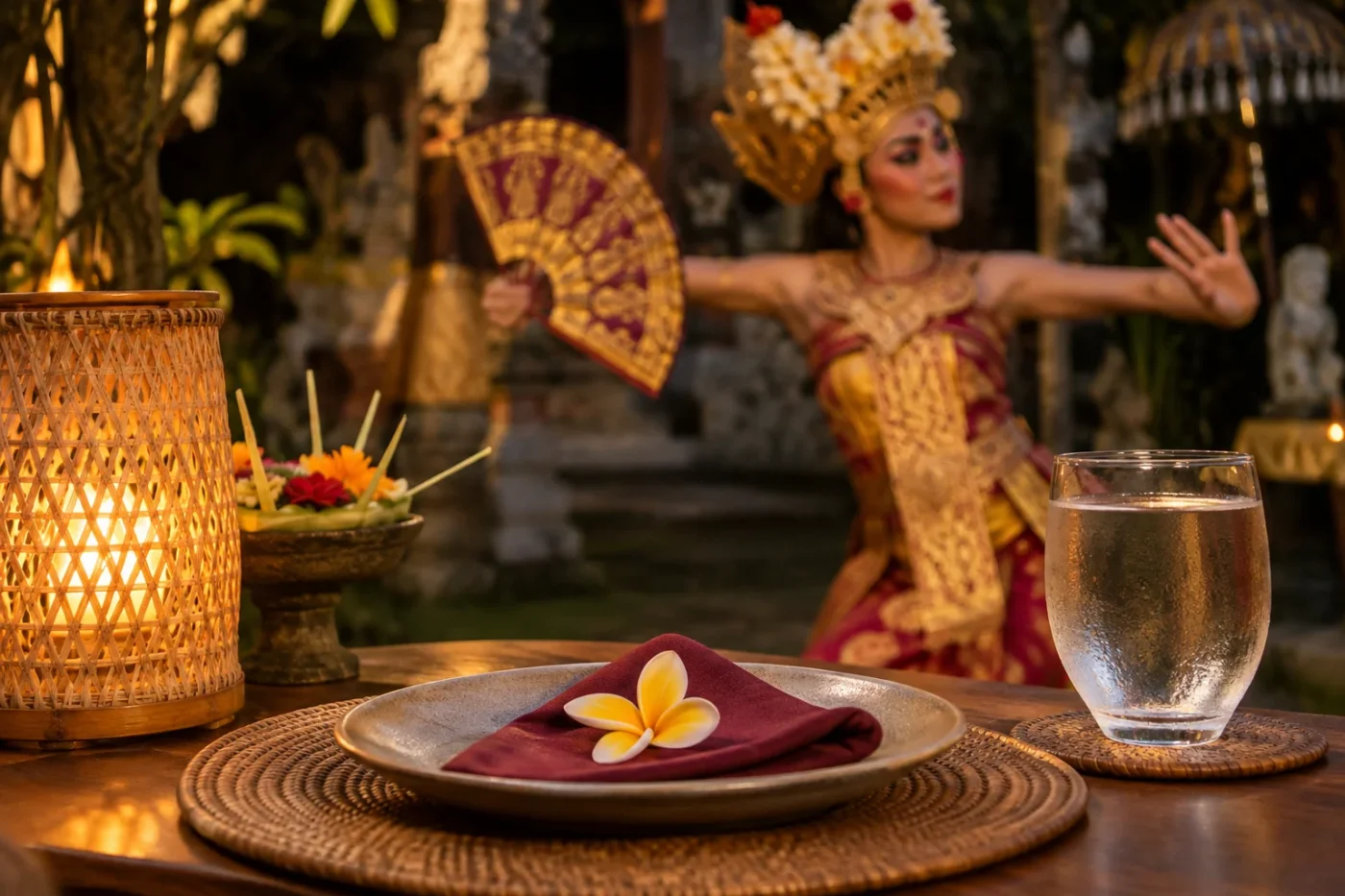
Maya Ubud’s cultural dining programme combines a restaurant evening with scheduled traditional performance. It differs from a dedicated theatre-style visit because food service, table position and the resort’s format shape the experience. Ask which dance is offered on your date and whether the dinner includes a clear view of the presentation. Confirm outside-guest reservations and transport through the property. Read the programme before the evening so the performance has context beyond atmosphere. A resort dining event can be a comfortable choice when you want a planned evening without moving between several venues.
Season and planning
Conditions vary across Bali, and a calendar season does not guarantee a particular experience. Allow flexible time during wetter periods, particularly for outdoor approaches and road transfers. Check current local weather and the host’s arrangements close to your visit. Religious holidays and ceremonies can change access independently of the forecast.
Check the programme for the exact evening, not simply a venue’s usual opening hours. Ask whether the ticket includes admission, seating, food or a transfer. Read a short story outline and allow time for arrival. Follow camera and flash rules and avoid standing in front of the audience. Consider weather, loud sound, fire effects and the journey home when choosing a show.
Related Bali guides

Ubud
Explore Ubud with ten local experiences, realistic itineraries, transport advice and seasonal planning for a Bali stay.

Uluwatu
Explore Uluwatu with ten local experiences, realistic itineraries, transport advice and seasonal planning for a Bali stay.

Jimbaran
Explore Jimbaran with ten local experiences, realistic itineraries, transport advice and seasonal planning for a Bali stay.
Balinese Cultural Experiences
Balinese culture is lived in homes, temples, fields, workshops and performance spaces.

Romantic Experiences
Romance in Bali need not mean an elaborate package or a photograph staged before breakfast.
Family Activities
A good Bali family day starts with the youngest traveller’s pace, the actual route and somewhere comfortable to pause.
Questions and answers
Is every Balinese dance show Kecak?
No. Legong, Barong, Janger, Joged and other forms offer different movement, music and stories. Check the actual programme rather than treating venue posters as interchangeable.
Does temple admission include a performance?
Not necessarily. Temple admission, performance seating and dinner arrangements may be separate products. Confirm the ticket and inclusions for the exact evening.
Should I understand the story before the show?
A short outline helps identify characters and follow the movement. Ask for a programme or introduction and give the live performance attention beyond photographing its setting.
What should families check before booking?
Ask about show length, seating, loud sound, fire effects and the current programme. Choose a practical return journey and consider whether the evening fits the children’s normal energy and bedtime.
Sources and further reading
Use the responsible authority or provider for current access, availability and booking details.