10 Photogenic Places in Bali to Visit Respectfully
Written 26 October 2026 · BaliTop10
Bali’s photographs can suggest that every viewpoint is empty, sunlit and easy to reach. A better photographic trip starts with the place itself: its access, light, local use and the effort involved. These ten selections offer contrasting landscapes and architecture rather than ten interchangeable portrait platforms. Some are sacred settings, some are working agricultural landscapes and some are exposed coastal viewpoints. Choose places that fit a coherent journey and accept that cloud, tide or a closure may change the scene. The aim is to make considerate images from permitted positions, without stepping into fields, interrupting worship or moving towards an unprotected edge for a familiar angle.
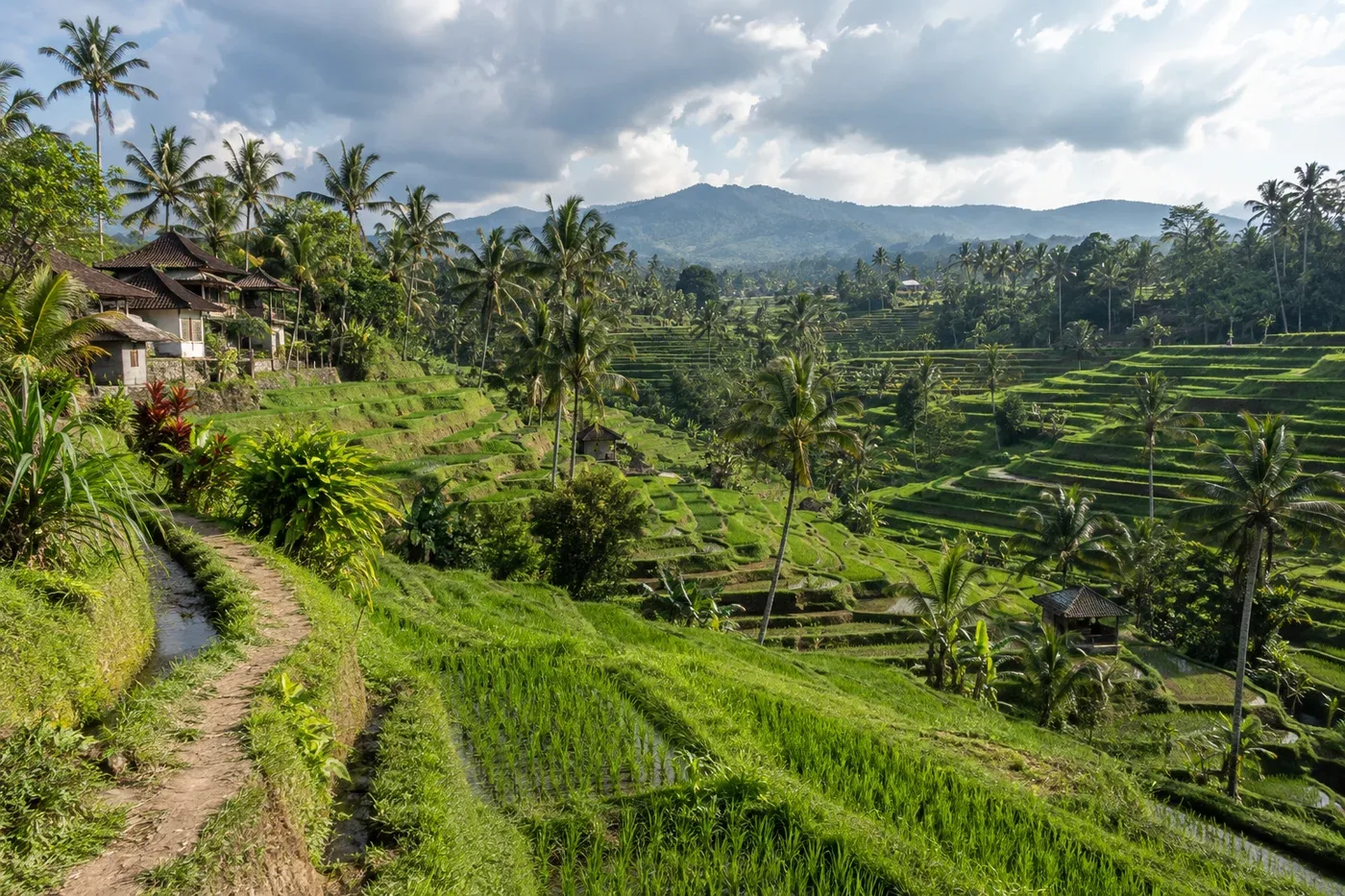
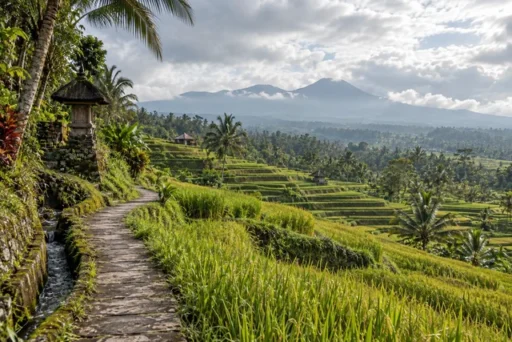
1. Jatiluwih rice-terrace paths
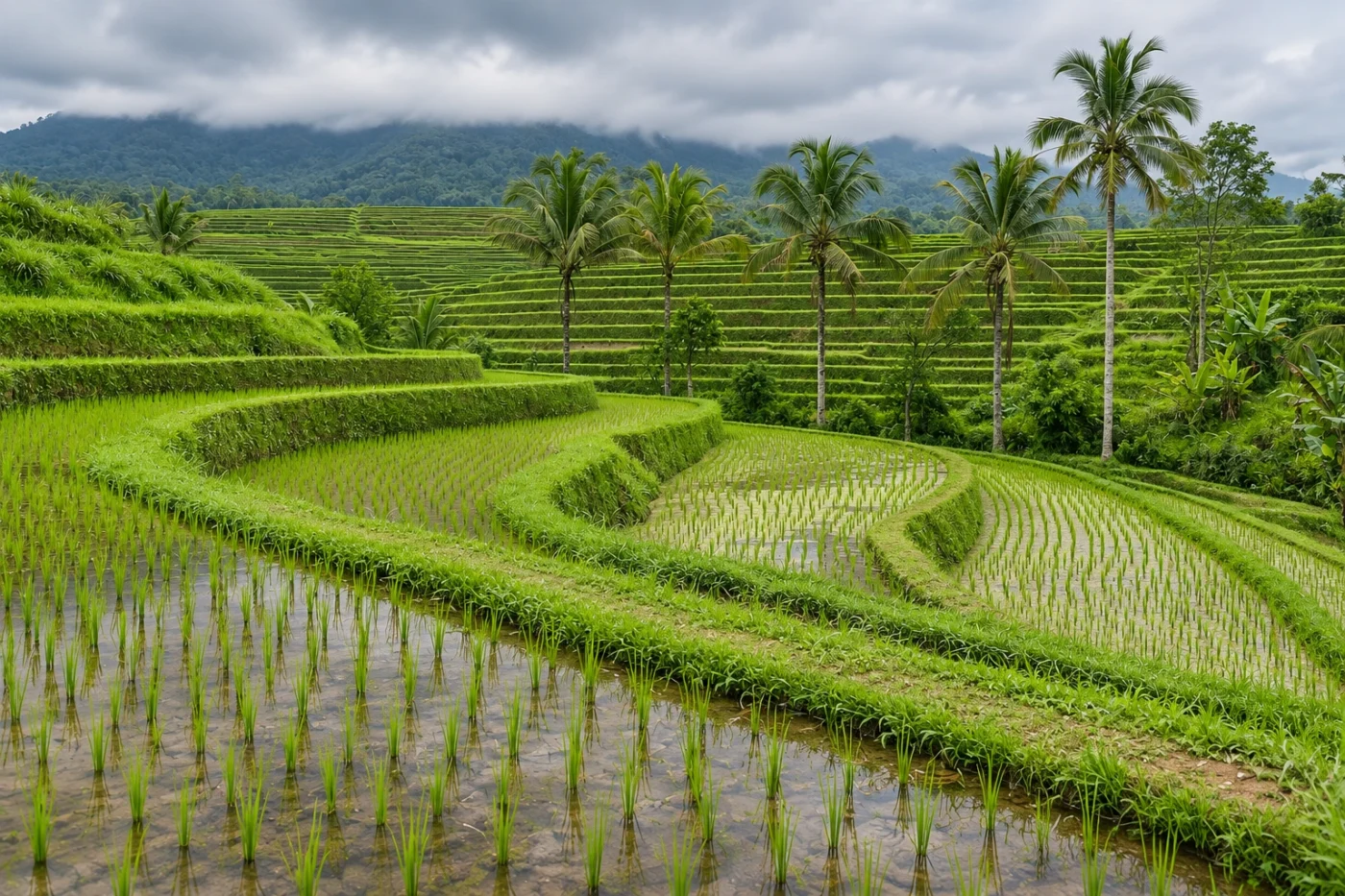
Jatiluwih offers a broad cultivated landscape where walking routes reveal terraces, water channels and the agricultural setting associated with Bali’s subak heritage. Choose a marked circuit according to the available time and conditions rather than assuming every path has the same distance or surface. Rice colour changes with the planting cycle, so photographs of bright green fields do not promise the same view. Ask local staff which sections are suitable that day, and give farmers and their equipment priority. A guide can explain irrigation beyond the visible terrace pattern.
2. Tirta Gangga water-palace gardens
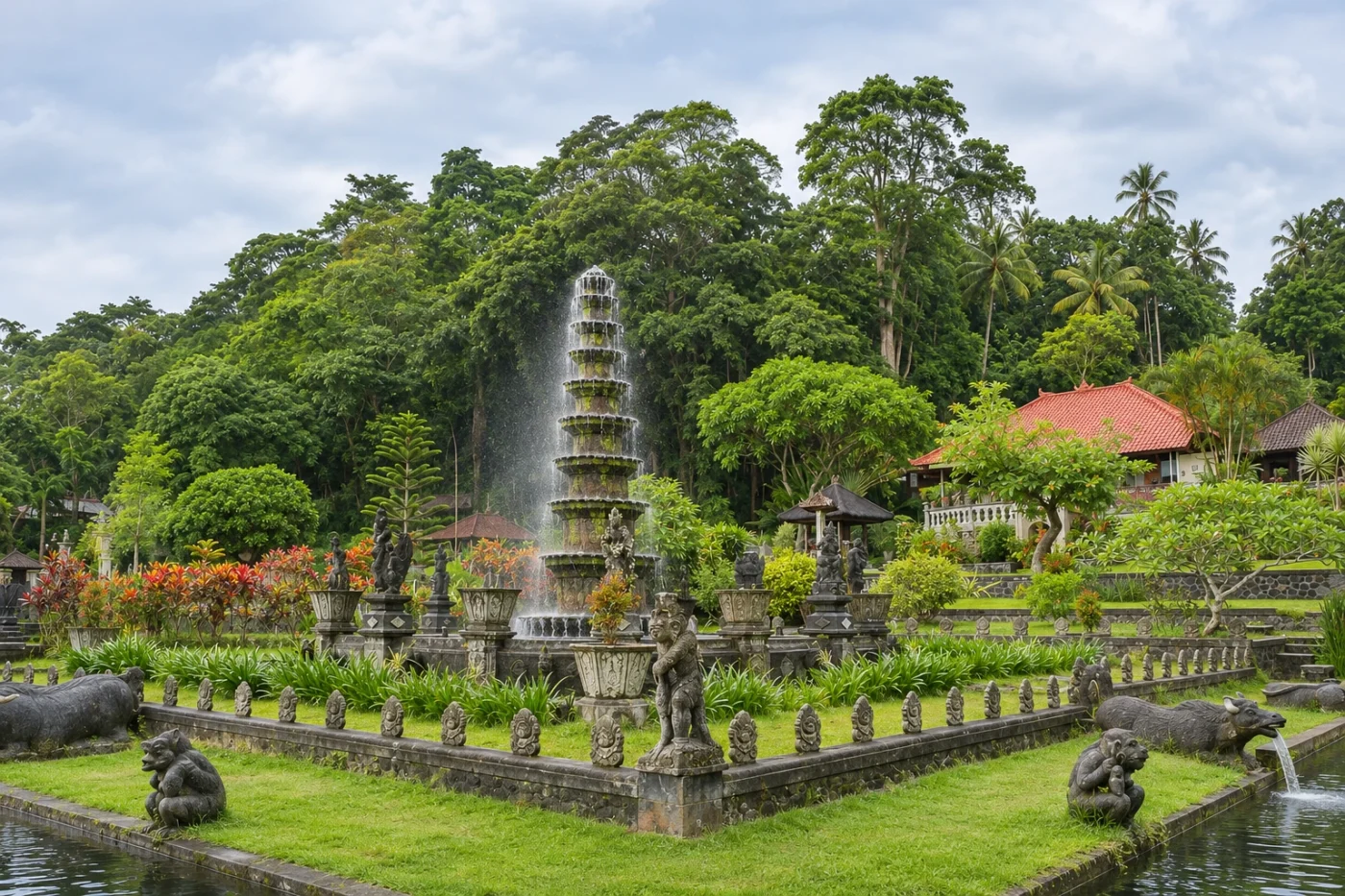
Tirta Gangga combines ornamental pools, water features and garden paths in eastern Bali. It is a rewarding place to slow down rather than simply queue for a stepping-stone photograph. Wet stones, changes in level and narrow pool edges deserve attention, especially with children. The garden visit is distinct from any bathing or pool product offered on site. Stay on permitted paths and let staff clarify current access. A nearby rural walk or meal can complete a focused Karangasem day. Look beyond the familiar pool photograph to the wider garden layout.
3. Taman Ujung water palace
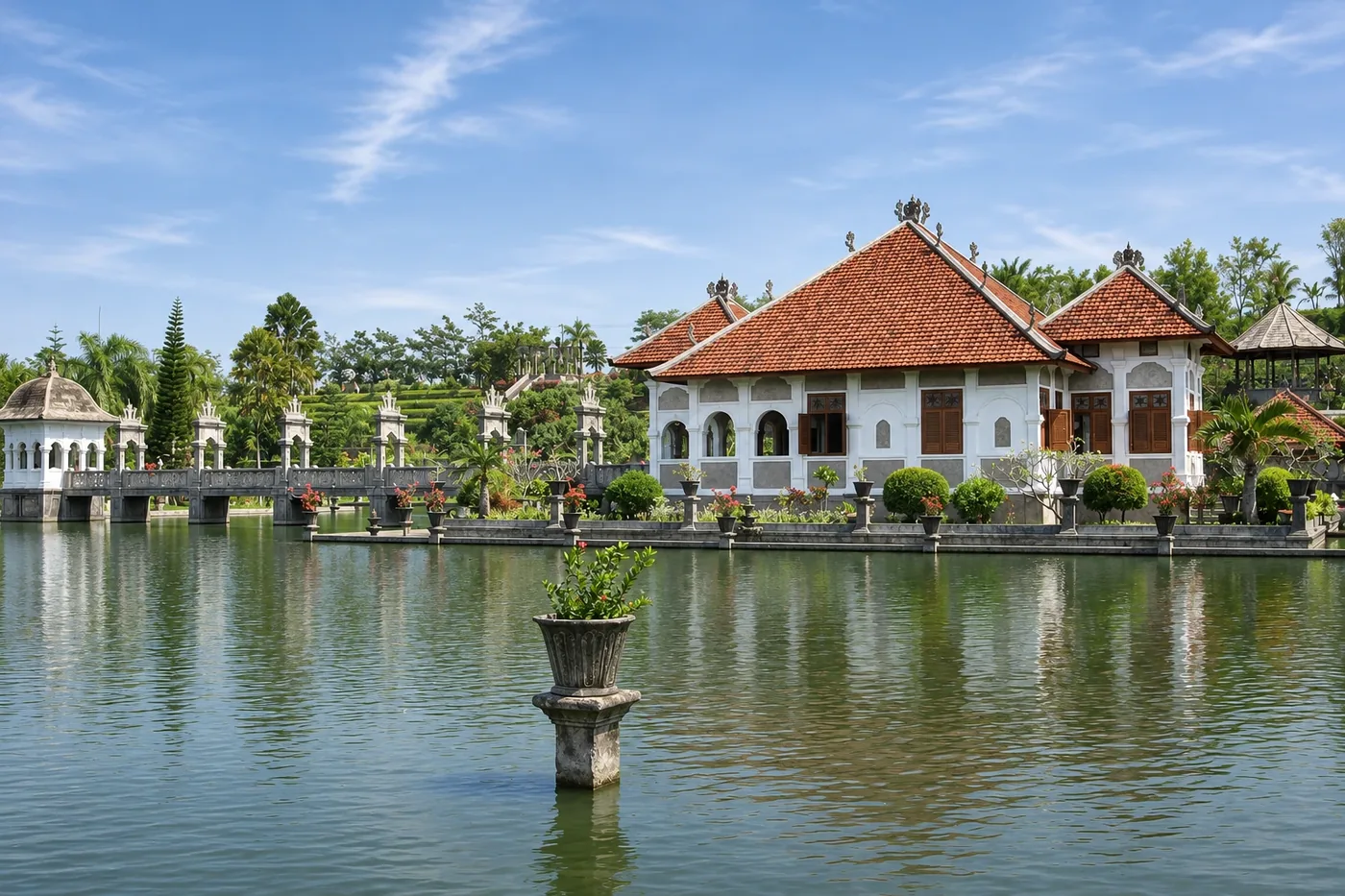
Taman Ujung’s pools, bridges, buildings and landscaped grounds offer an expansive introduction to Karangasem’s royal heritage. The space is best appreciated as a garden-and-architecture visit rather than a single photo platform. Some viewpoints involve stairs and the open grounds can be hot, so choose a manageable route and carry water. Ask which structures are accessible on the day. Combine the visit with nearby eastern-coast stops rather than adding a distant Ubud or south-coast attraction to the same afternoon. A shaded rest can make the garden circuit more enjoyable.
4. Uluwatu temple clifftop visitor paths
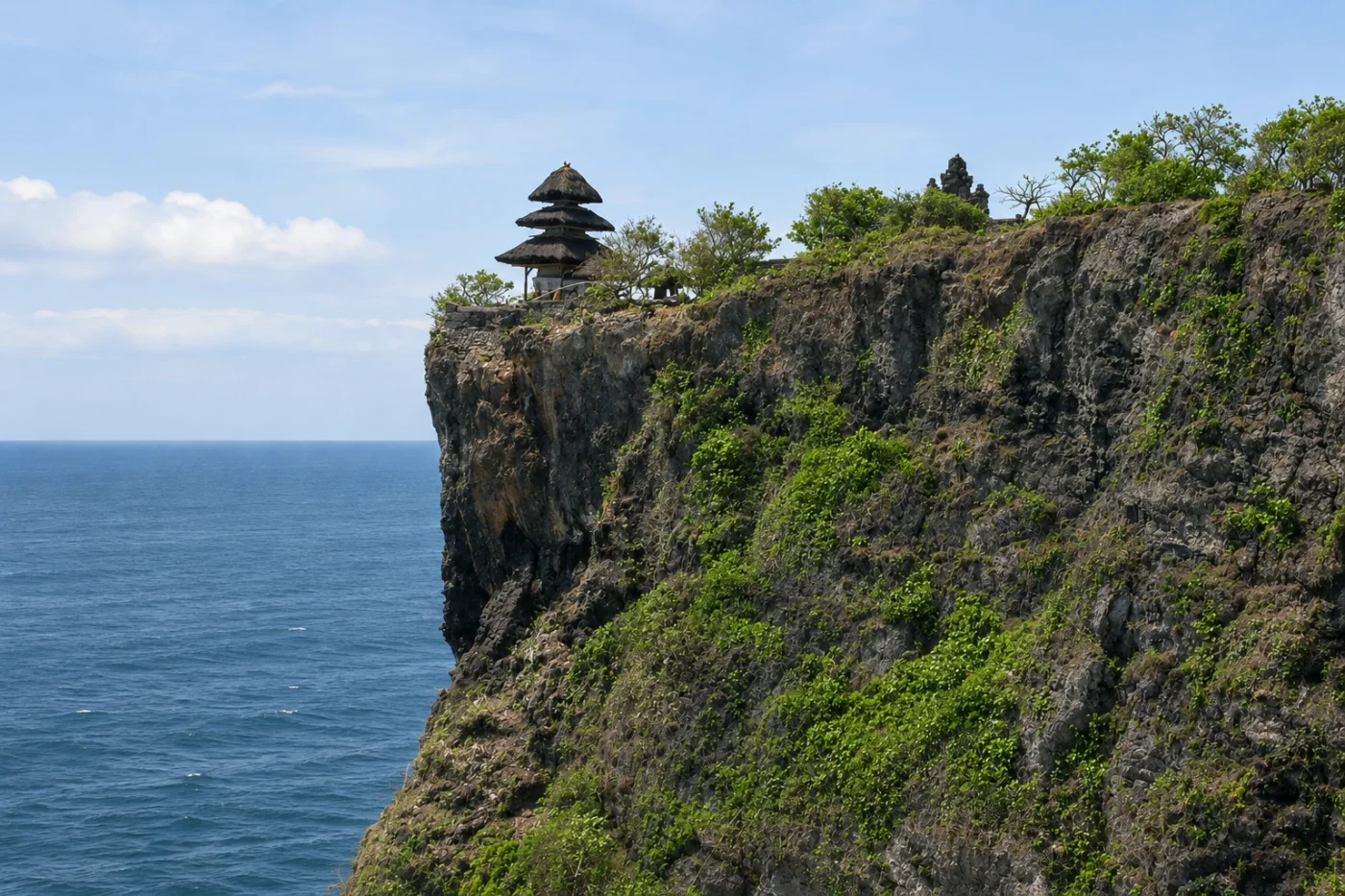
Uluwatu’s temple setting sits above the ocean on the Bukit Peninsula, with marked visitor paths and a dramatic coastal outlook. Stay back from cliff edges and use the managed route rather than looking for an unofficial ledge. Monkeys can take loose items, so secure glasses and food and follow staff advice. A scheduled kecak performance is a separate component with ticket and timing requirements. The view, sacred setting and performance should not be compressed into a rushed airport-transfer stop. Keep loose belongings secure and follow advice around monkeys.
5. Tanah Lot coastal temple viewpoints
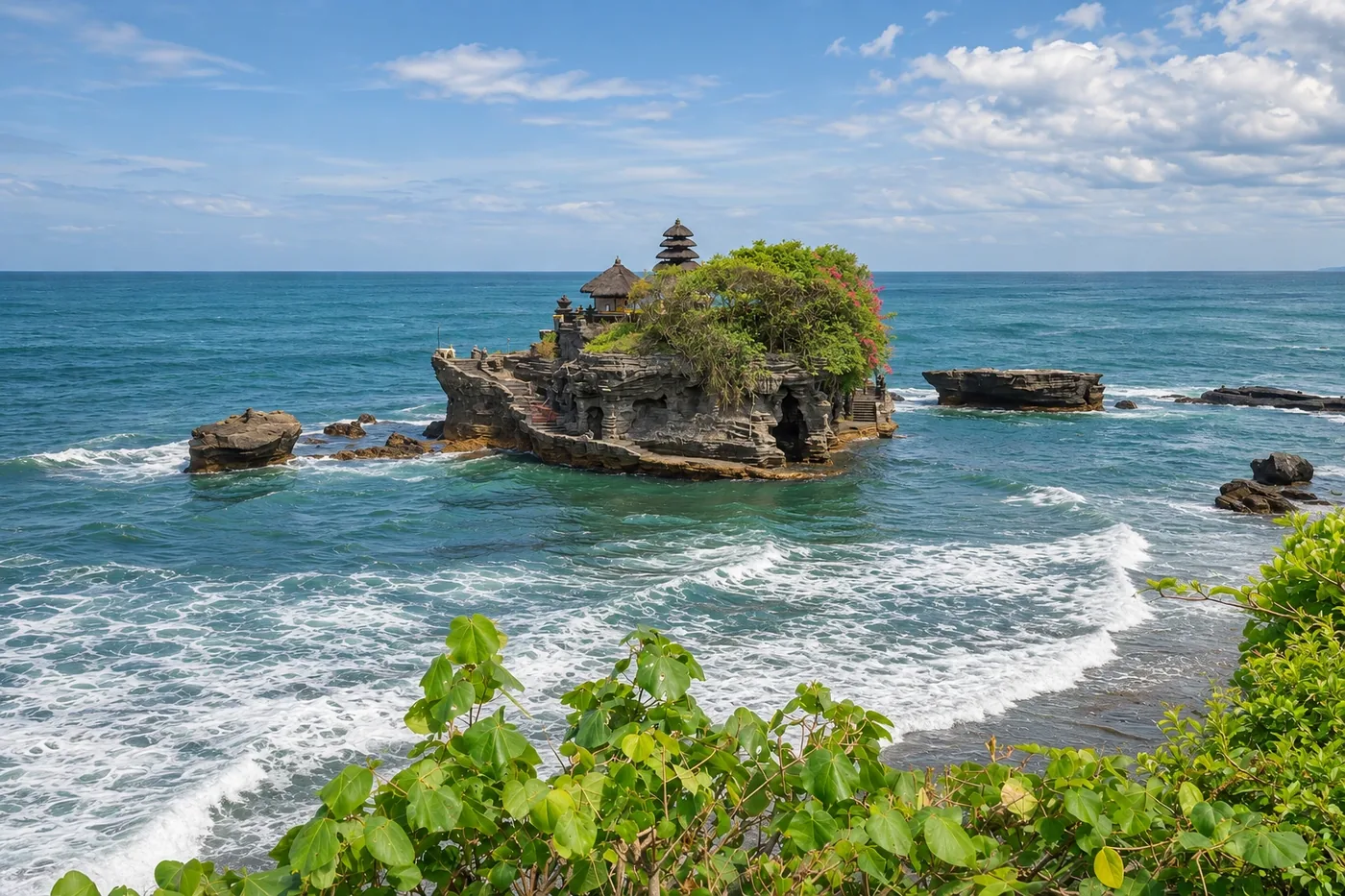
Tanah Lot’s offshore temple setting is best understood from the managed coastal viewpoints. Tides and waves change access and appearance, and visible rocks do not establish that it is safe to cross. Follow barriers and local instructions; the shrine itself is not simply a public viewing platform. Sunset can be busy, so arrive with enough time for the approach and a return through the visitor area. Combine the stop with a geographically coherent Tabanan or west-coast day. A coastal viewing visit does not require reaching the offshore shrine.
6. Ulun Danu Beratan lakeside visitor area
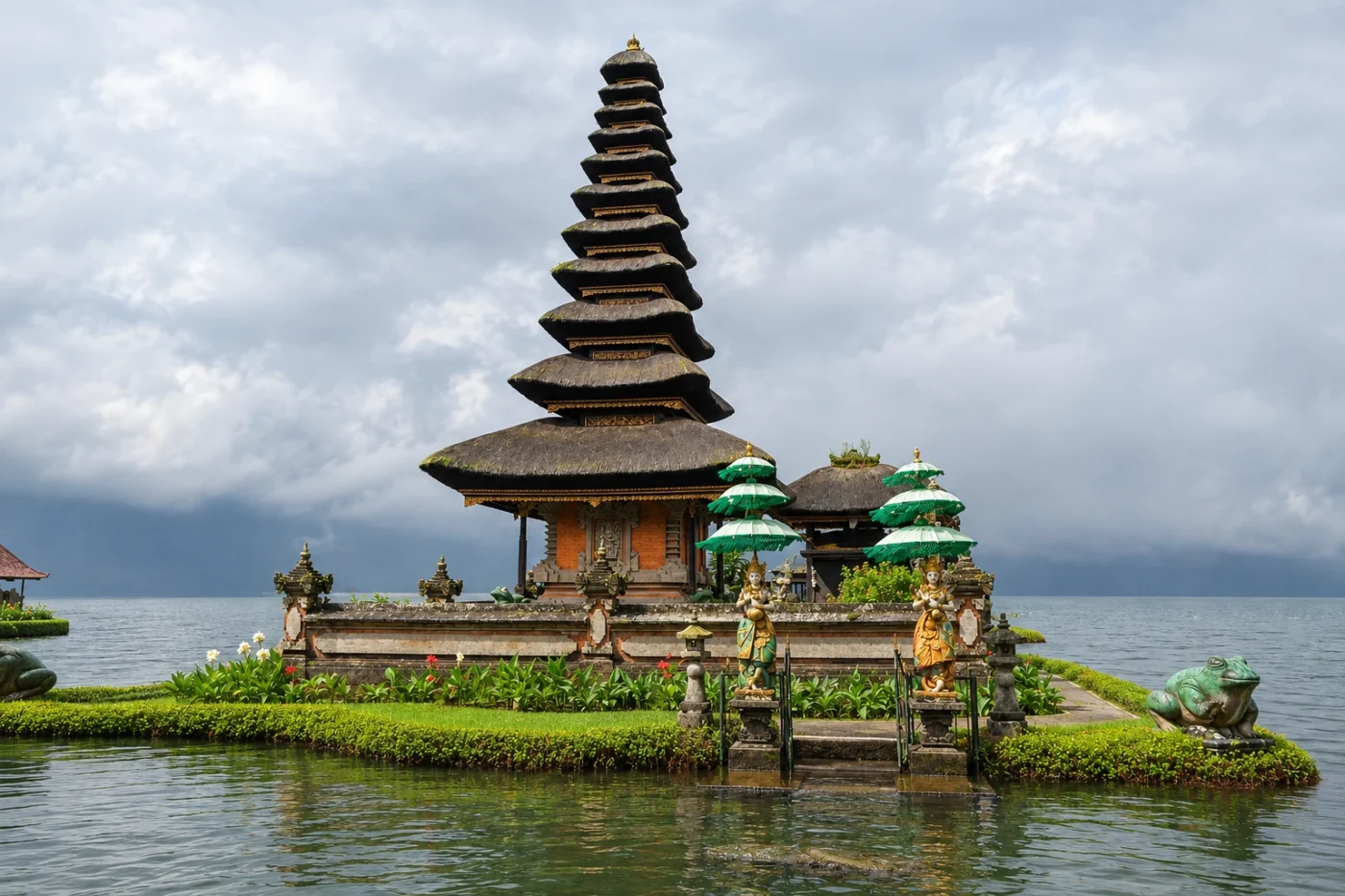
The temple-and-garden visitor area beside Lake Beratan is one of Bali’s recognised highland settings. Water level, cloud and the point from which you look change the familiar scene considerably. Remain in areas open to visitors and distinguish the temple visit from boat rides or other separately sold activities. Highland showers can make paths wet and visibility poor. A garden, market or warm meal nearby gives the day useful flexibility without forcing a long detour if the lake disappears into mist.
7. Penelokan caldera viewpoint
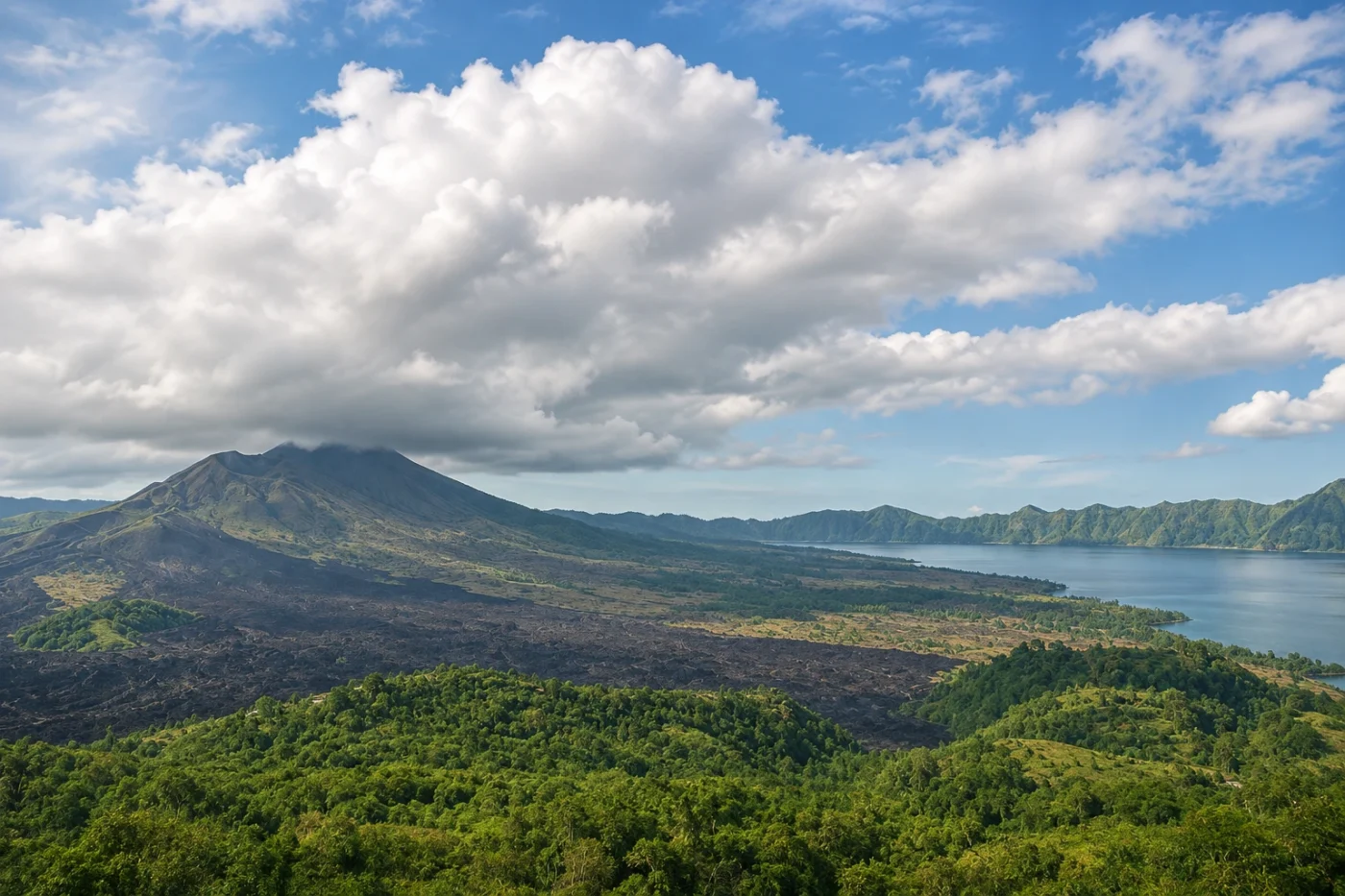
Penelokan overlooks the Batur caldera landscape, offering a ground-level alternative to an early mountain ascent. Choose a managed viewpoint or café with a suitable outlook and legal parking rather than stopping on a busy road. Visibility depends on cloud and haze, and a roadside visit does not grant permission to enter trails or lava terrain. The view works well with a museum or lakeside stop in the same area. Leave time for highland weather and a warm layer. A warm drink can complement patient watching when clouds shift.
8. Kelingking upper viewpoint
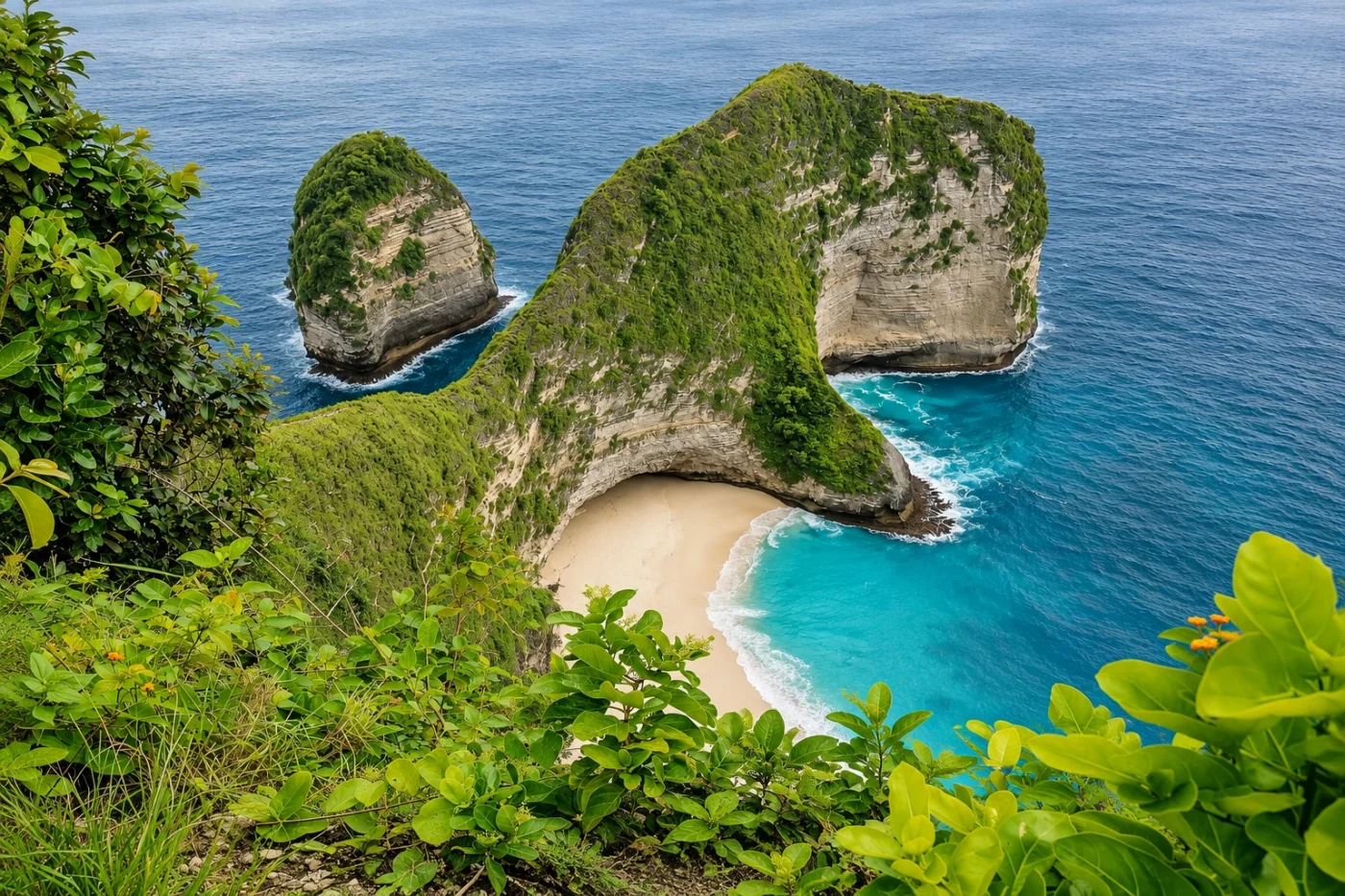
Kelingking’s upper viewpoint provides the familiar cliff-and-bay scene without requiring a descent to the beach. The descent is a separate, steep undertaking that is unsuitable as a casual addition to a tightly timed tour. Follow current access restrictions, stay behind barriers and allow space around other visitors. The beach below is not a promised swimming stop. Build the day around a small number of western Penida sites and leave road and ferry buffers, especially if returning to mainland Bali that evening.
9. Diamond Beach upper viewpoint
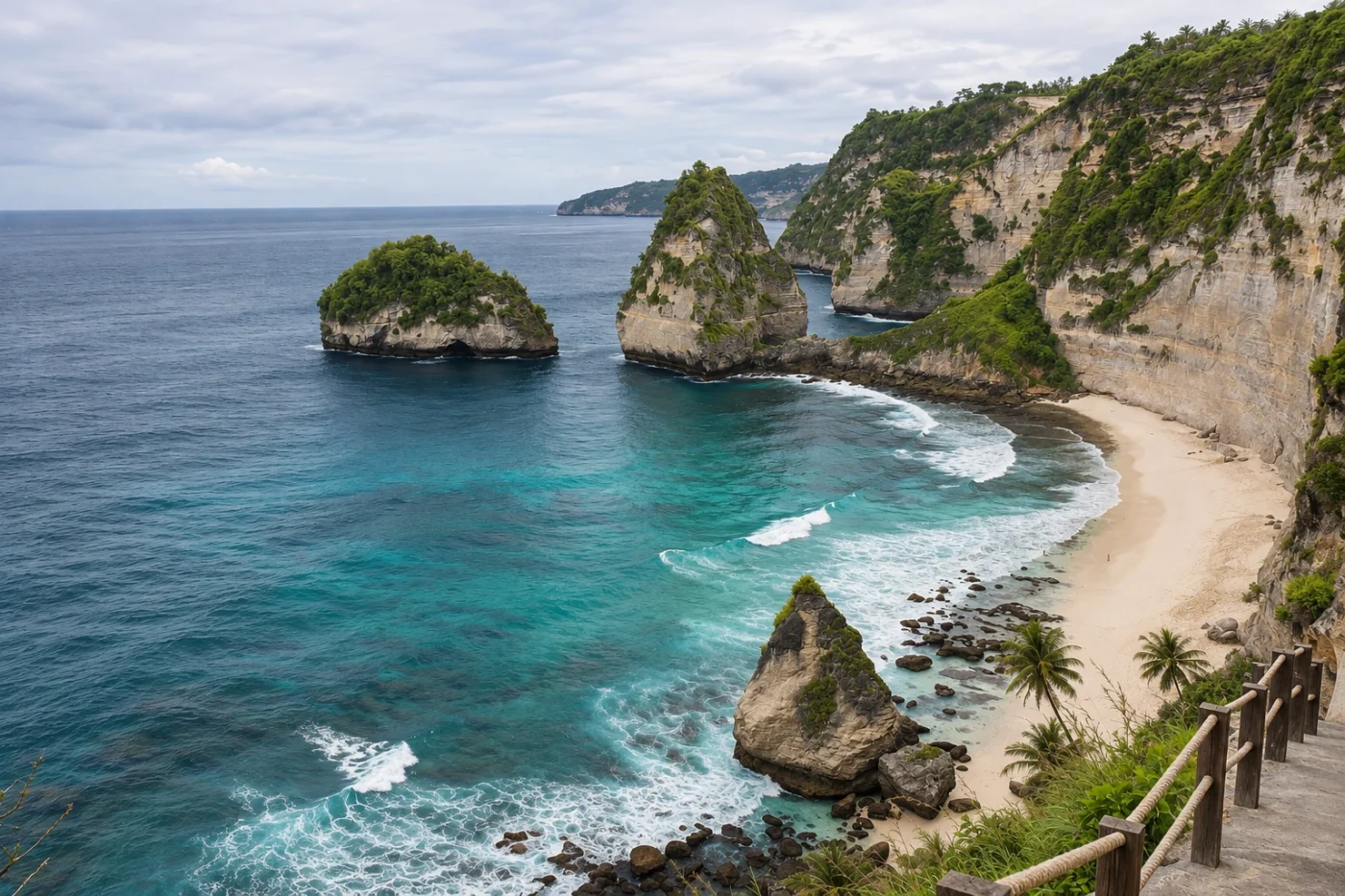
Diamond Beach offers a striking eastern Penida coastline, but the upper viewpoint should be distinguished from the stair descent and any time on the beach. Follow the current managed access and do not cross barriers for a lower camera angle. Heat and steep steps can make the return harder than expected. A photograph of pale sand does not establish safe swimming. Combine nearby eastern sights in a coherent route, and choose an overnight island stay if you want an unhurried visit.
10. Amed shoreline villages and viewpoints
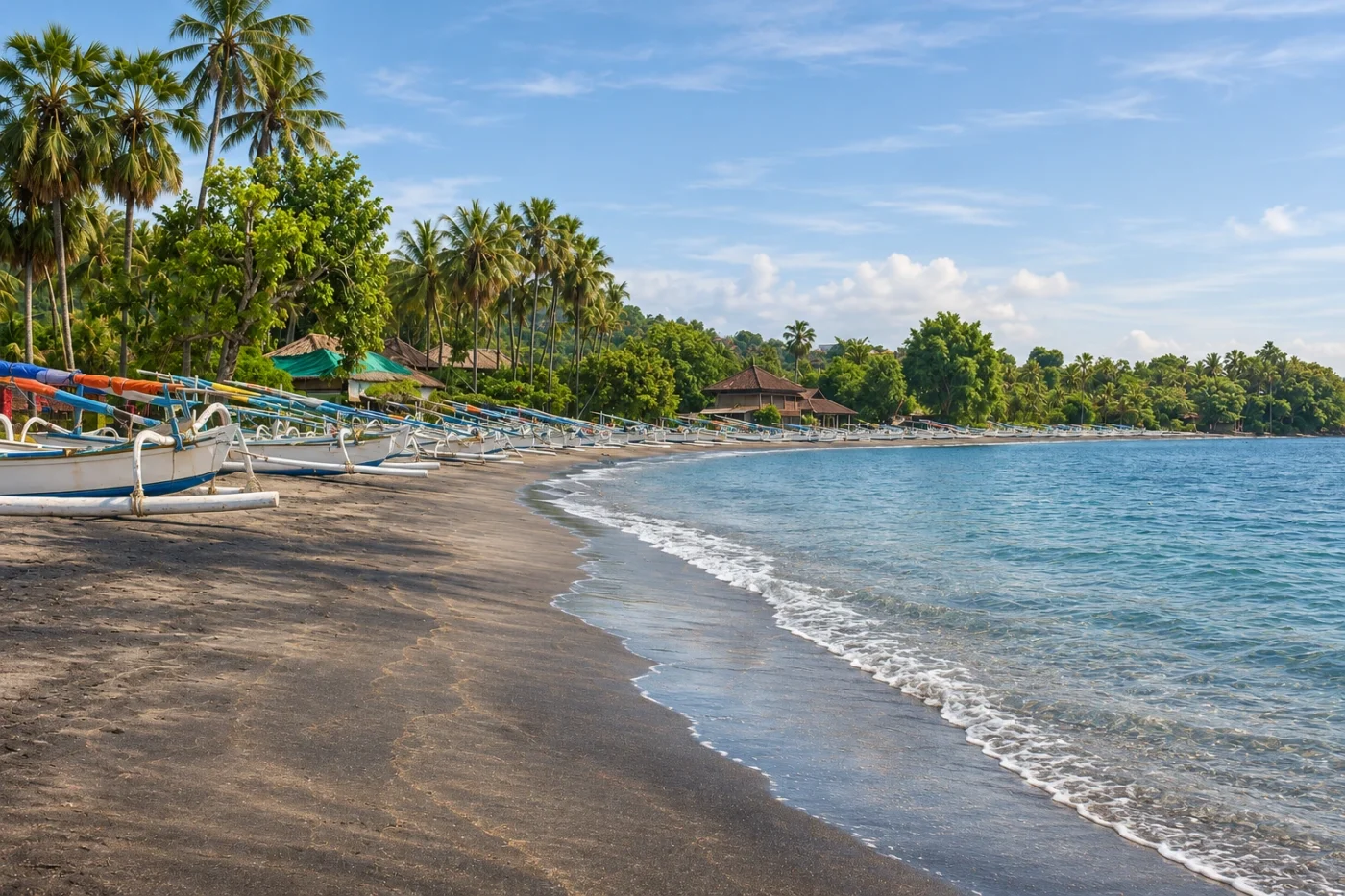
Amed is a coastal area of several villages rather than a single compact resort centre. Shoreline views reveal boats, pebble or dark-sand beaches and the slopes behind the coast, with Agung visible from some outlooks in clear weather. Select a short route close to your accommodation and arrange transport for longer distances. A beach photograph does not establish safe water entry or permission to cross a working boat area. An overnight stay makes it easier to enjoy the coast without a rushed return drive.
Season and planning
Bali’s weather varies by region, elevation and the day’s conditions. Wetter periods can affect roads, paths and the sea, while a nominal dry-season date does not guarantee clear skies or a calm crossing. Check the destination’s current access and the weather close to departure. Highland stops can be cooler and mistier than southern beaches, so carry an appropriate layer and avoid building the whole visit around one photograph.
Build photography around an actual regional stay instead of crossing the island repeatedly for sunrise and sunset. Ask permission for portraits, check local drone restrictions and avoid blocking paths or roads. A longer focal length or a patient wait is preferable to crossing a barrier. Keep a flexible alternative for cloud and remember that an attractive image is not proof of safe swimming or an appropriate hiking route.
Related Bali guides
Jatiluwih
Explore Jatiluwih with ten practical experiences, seasonal advice, transport planning and realistic one-to-three-day itineraries.
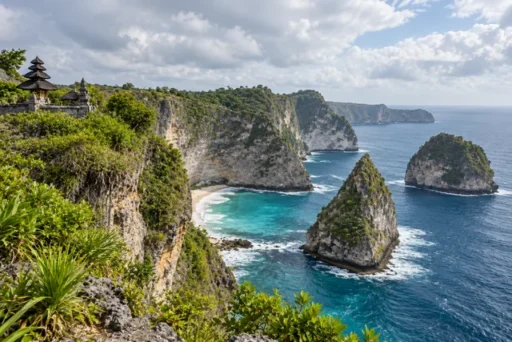
Nusa Penida
Explore Nusa Penida with ten practical experiences, seasonal advice, transport planning and realistic one-to-three-day itineraries.
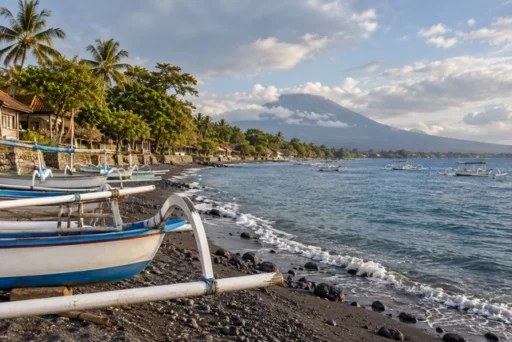
Amed
Explore Amed with ten practical choices, regional excursions, seasonal advice, transport notes and realistic one-to-three-day planning.
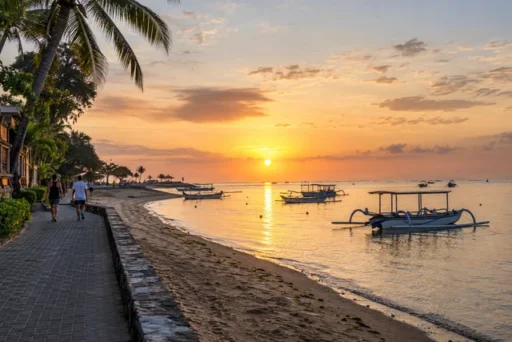
Sunrise Experiences
Sunrise in Bali can mean a gentle waterfront walk, a highland viewpoint or a guided mountain undertaking.
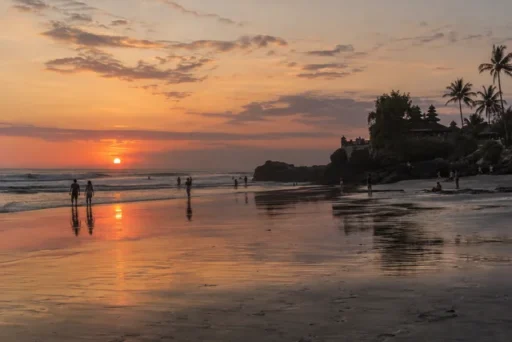
Sunset Viewpoints
A Bali sunset can be a simple shore walk, a temple visit, an early seafood dinner or a booked club evening.
Scenic Drives
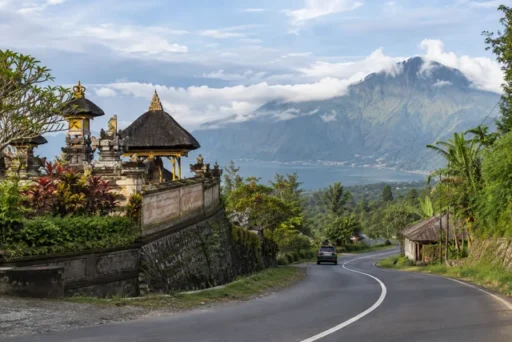
Bali’s scenic drives are journeys through lived-in regions rather than empty roads connecting photo stops.
Questions and answers
Are these ten choices meant for one day?
No. The list compares options. Choose a small number in a coherent area and leave time to experience them properly.
Are opening hours and prices guaranteed?
No. Use the linked official or provider information to check current access, bookings and charges for your travel dates.
Do I need to ride a scooter?
No. Many visitors use arranged drivers, transfers and short local walks. The practical option depends on the specific route and accommodation.
Can I recreate every photograph I see online?
No. Light, tide, rice planting, restricted access and crowd levels change. Choose a permitted position and accept the real conditions instead of crossing a barrier or interrupting worship for a familiar composition.
Sources and further reading
Use the responsible authority or provider for current access, availability and booking details.