10 Waterfalls in Bali for a Realistic Nature Trip
Written 26 October 2026 · BaliTop10
Bali’s waterfalls range from developed river-valley attractions near Ubud to substantial walks in the northern highlands. The names are not a ready-made single-day route. Choose a cluster near your base and judge the approach, return climb and current river conditions before committing to the visit. Rain upstream can change water flow even when the sky above the car park is clear. This selection focuses on places and the decisions each involves, rather than promising swimming at every pool. A viewpoint can be the right experience when the water is high, and avoiding cliff jumping or an unsafe river crossing does not make a nature day less worthwhile.
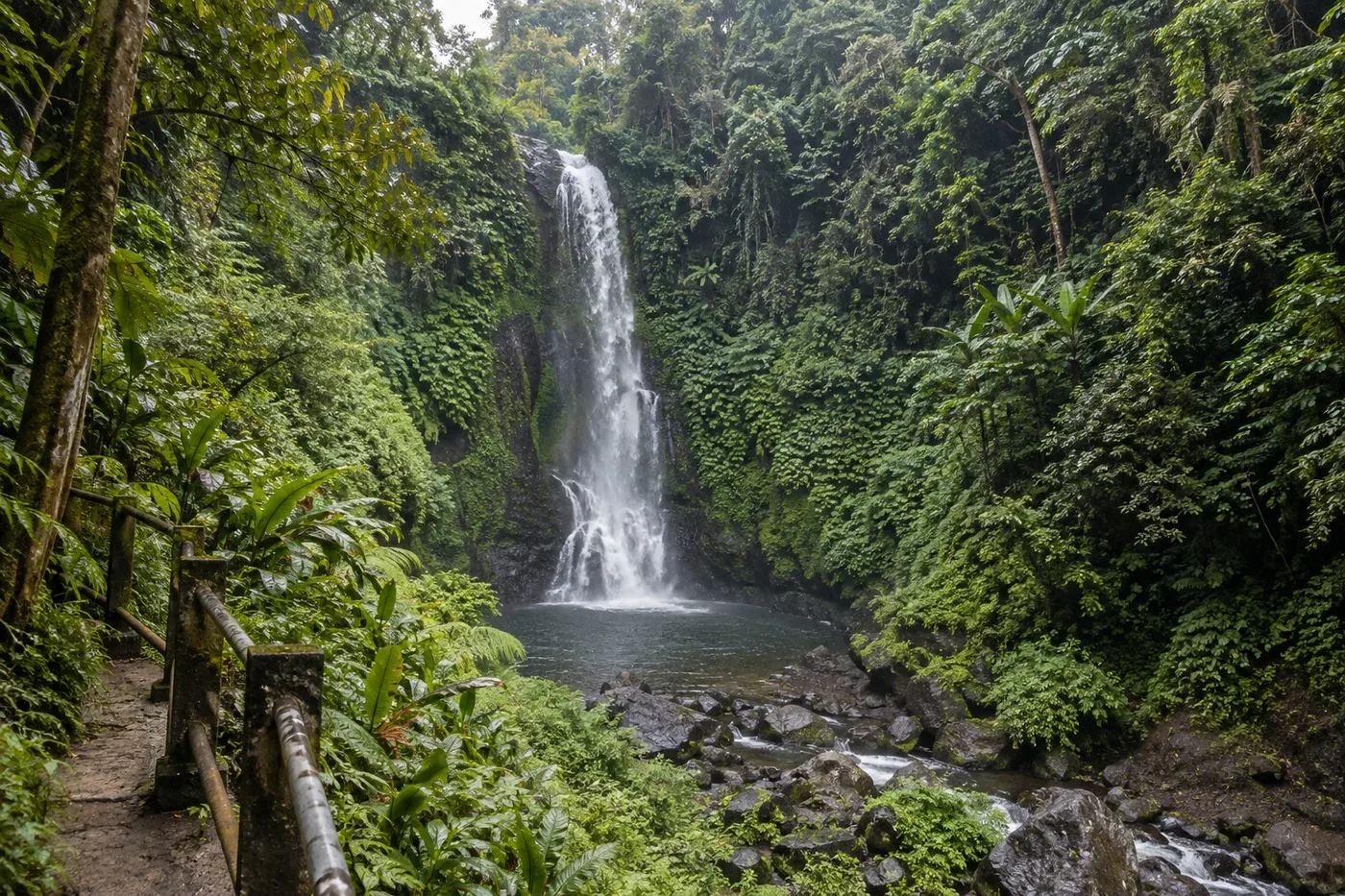
1. Tegenungan
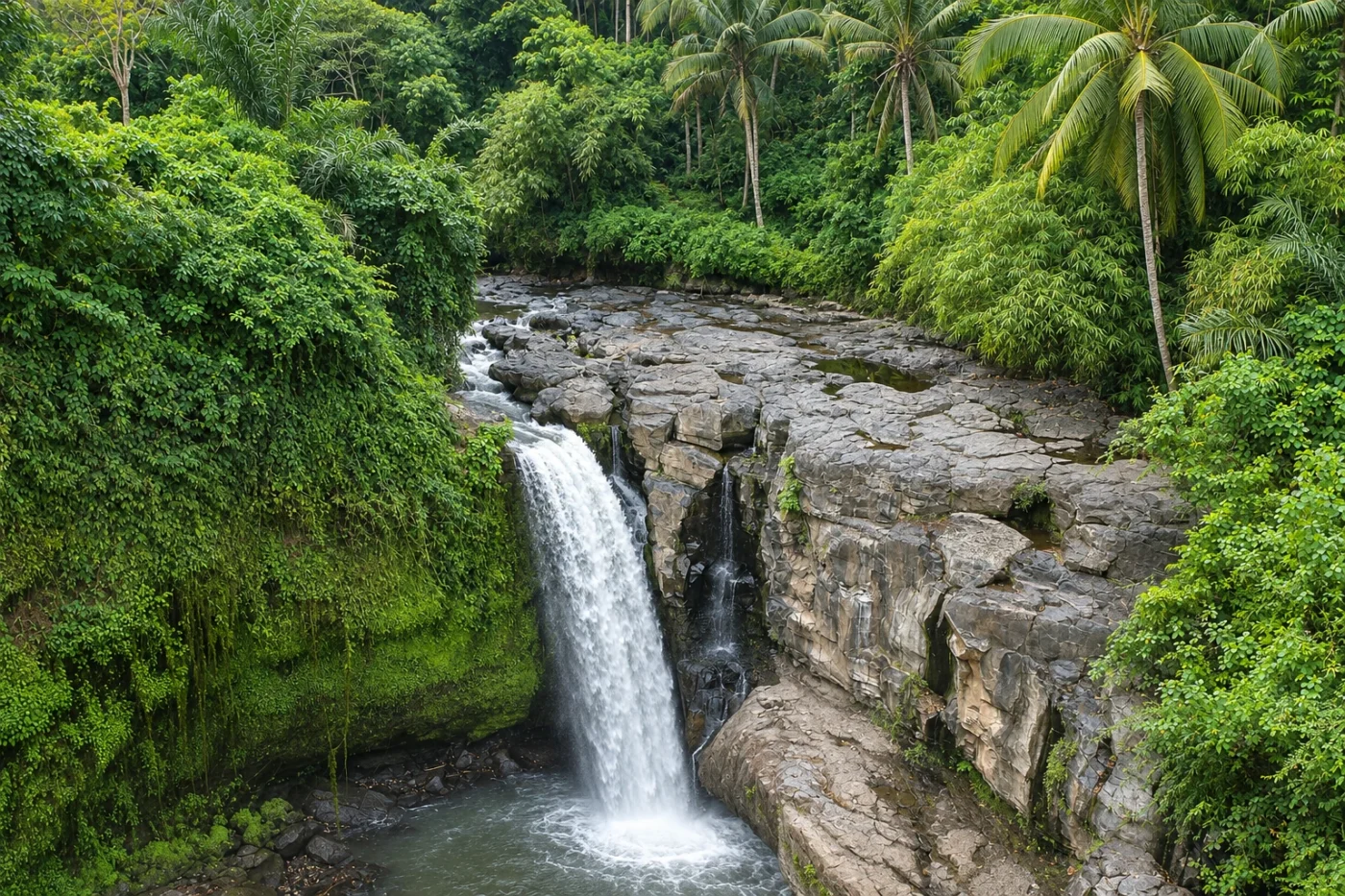
Tegenungan in Gianyar is convenient to consider from an Ubud-area stay, with a developed visitor setting around a substantial waterfall. It is not a remote jungle discovery, and music, businesses and other visitors can be part of the experience. The descent and return involve steps, while the river itself needs a separate safety assessment. Allow time to walk back uphill rather than treating the visit as a drive-by. Check which bank or entrance your transport uses, and keep clear of restricted sections or water made unsuitable by recent rain.
2. Tibumana
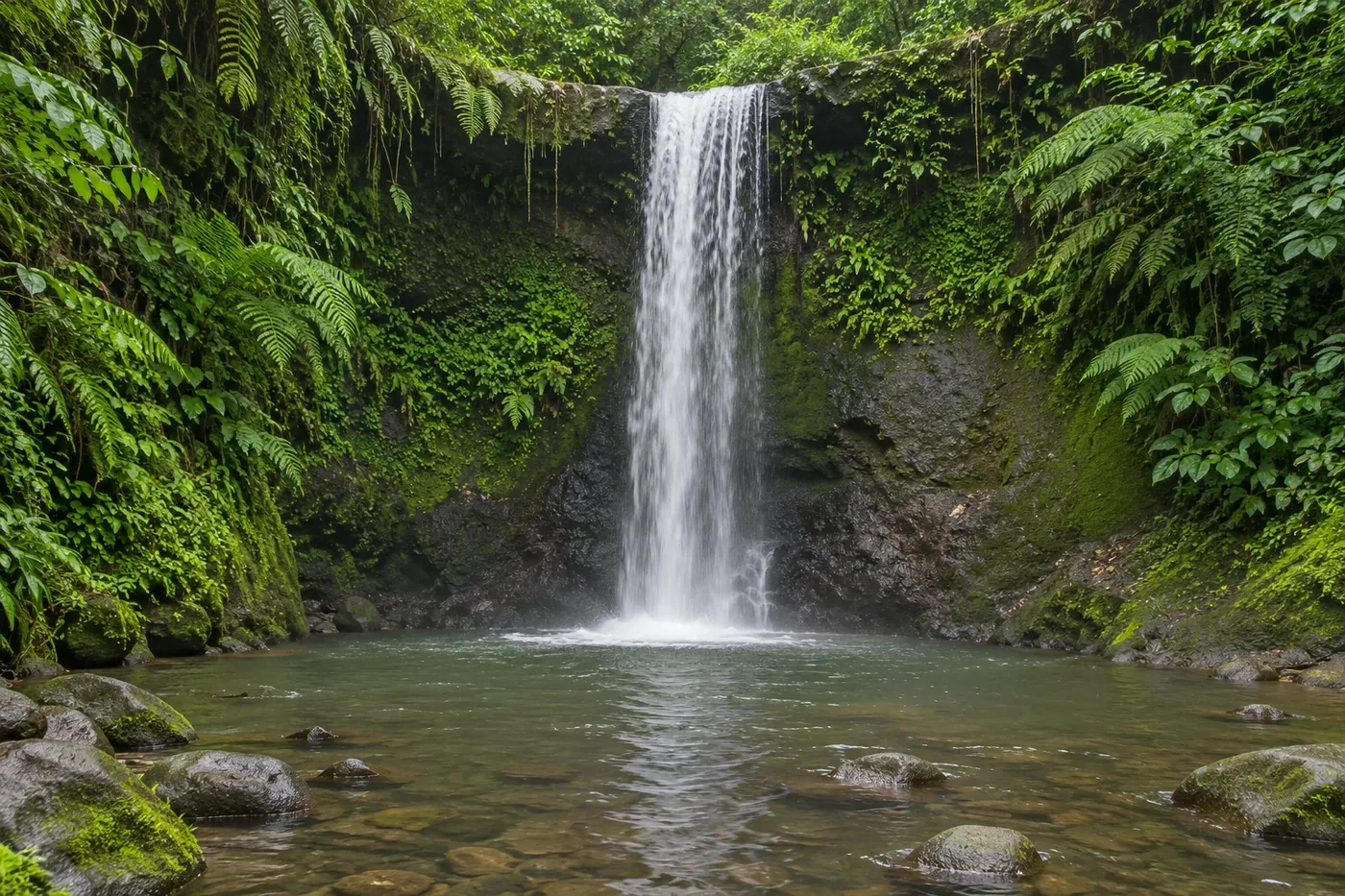
Tibumana in the Bangli area offers a different scale of waterfall visit, with greenery and a path through a river landscape. Its compact appearance in photographs can conceal slippery surfaces and changing water conditions. It works better as part of a focused east-of-Ubud outing than as a distant addition to a northern-highlands circuit. Check the permitted approach and current conditions at the entrance. Wear shoes with grip and assess the return path while descending; photographs of people bathing are not evidence that the pool is suitable on your date.
3. Kanto Lampo
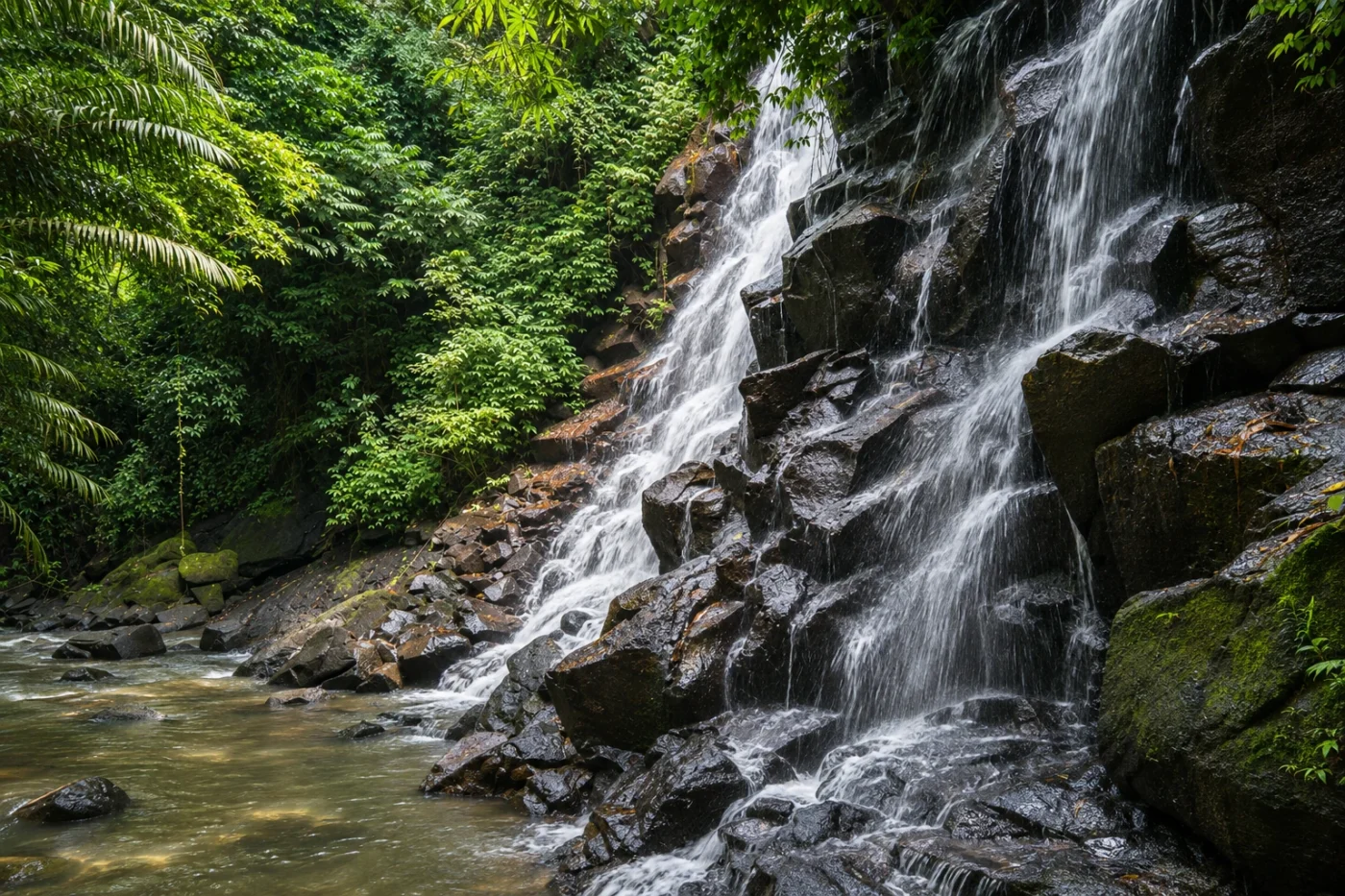
Kanto Lampo is associated with water running across a stepped rock face rather than a single tall free-falling curtain. That shape attracts visitors wanting photographs on or beside the rocks, which can also create queues. Water, algae and uneven rock make footing important, particularly when groups cluster around the same position. Choose observation from a stable permitted position if climbing wet rock is outside your comfort. Ask how any photo assistance is arranged before accepting it, and do not step into a river section merely because someone else has done so.
4. Tukad Cepung
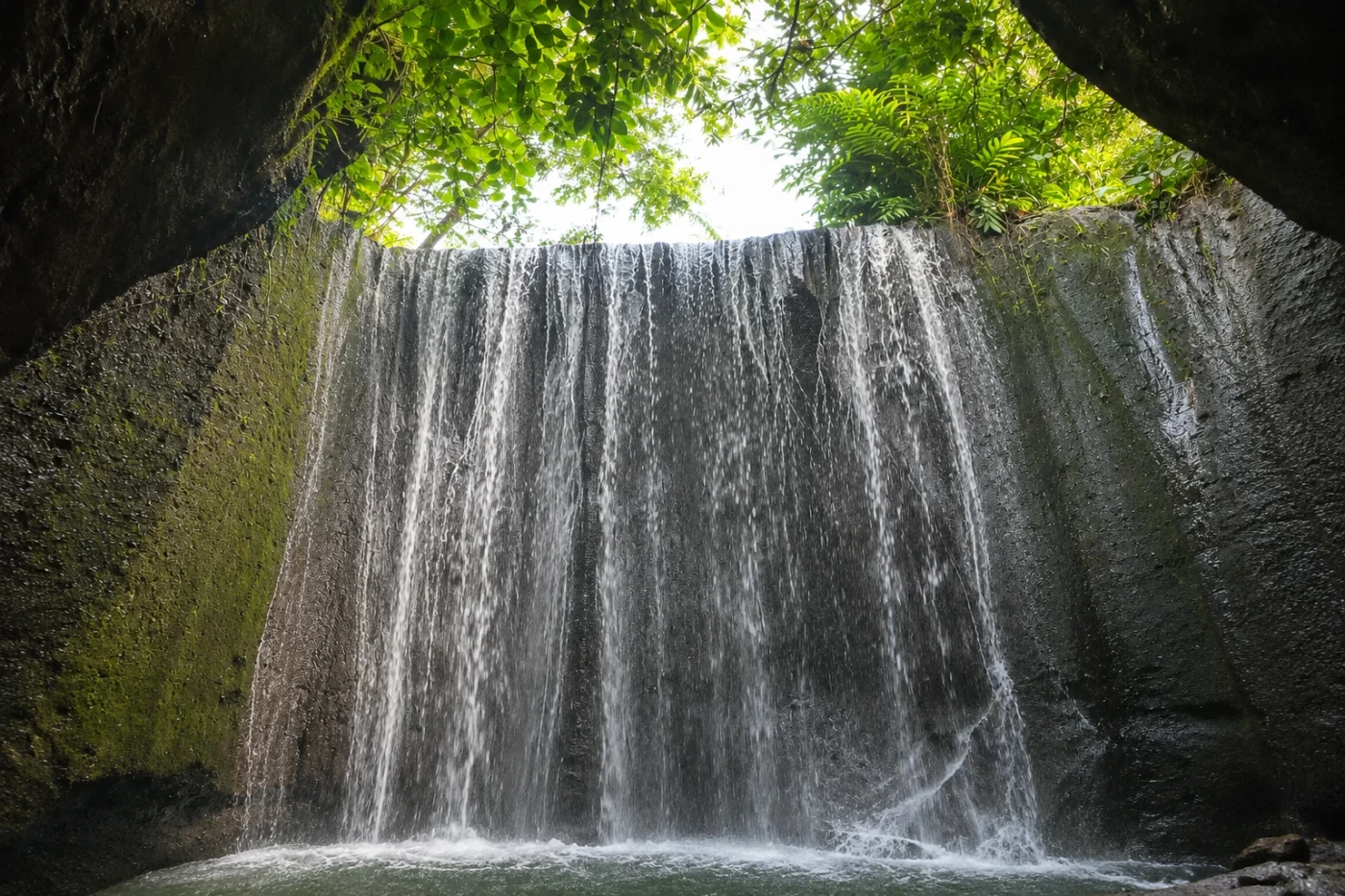
Tukad Cepung is known for a gorge-like setting where light and falling water create a very different atmosphere from an open waterfall viewpoint. The approach and confined setting matter as much as the photograph. Conditions depend on the stream and recent rain, and the popular shafts of sunlight are neither present at every hour nor guaranteed. Use current local advice before entering a narrow watercourse. Keep the visit flexible if rain makes it unsuitable, protect electronics from water, and leave enough time for the steps and return rather than booking an exact photography outcome.
5. Sekumpul
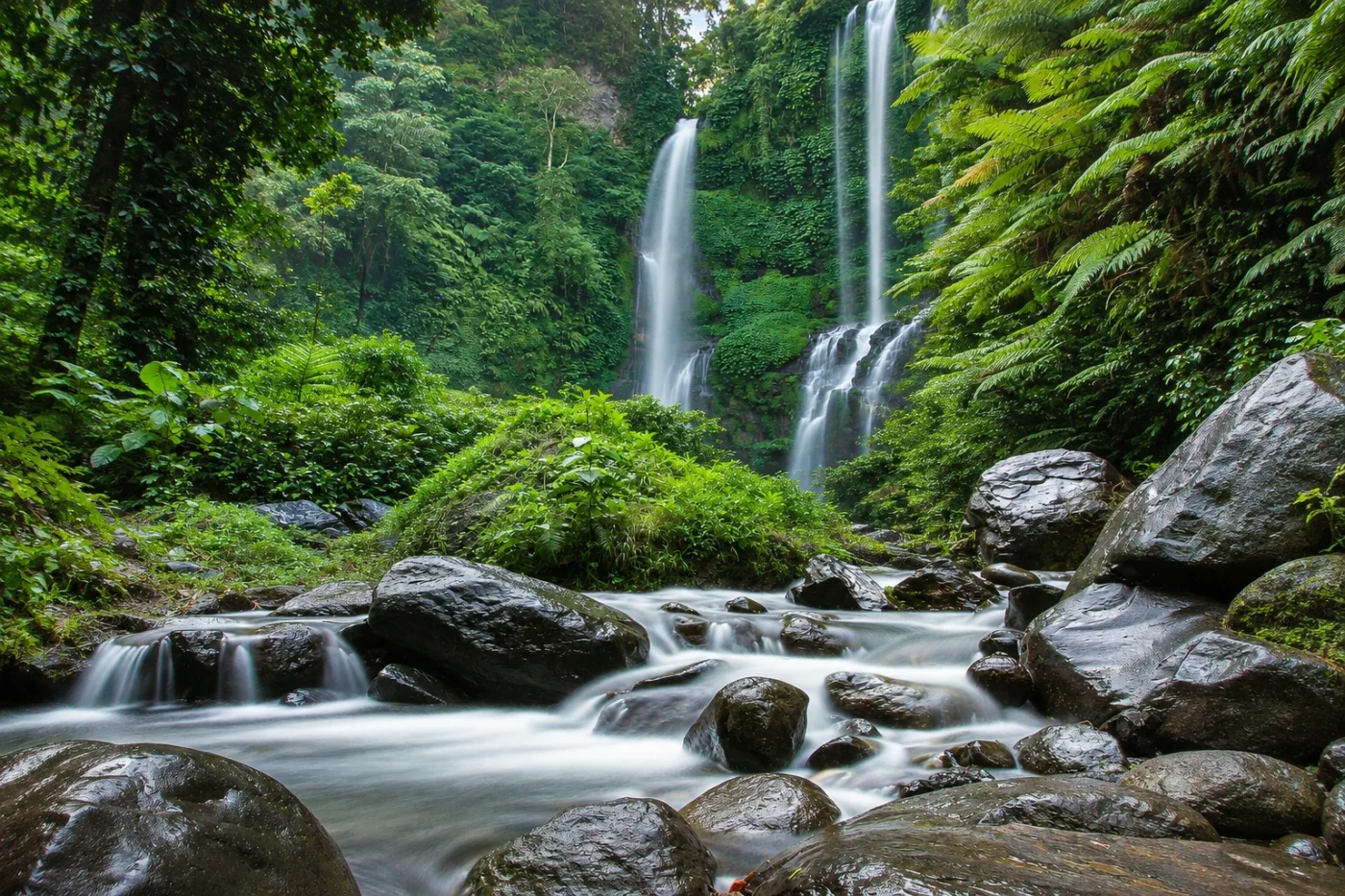
Sekumpul belongs to a northern-Bali landscape of steep green valleys and multiple cascades. Reaching viewpoints or descending towards the falls can involve substantial steps and effort, so choose the actual route with local advice. A headline waterfall name may cover different packages or lengths of walk rather than one identical admission experience. Clarify the official entrance, guide arrangements and what the selected route includes before paying. An overnight stay around the north or highlands can be more realistic than rushing between Sekumpul and several southern coastal attractions in one day.
6. Banyumala
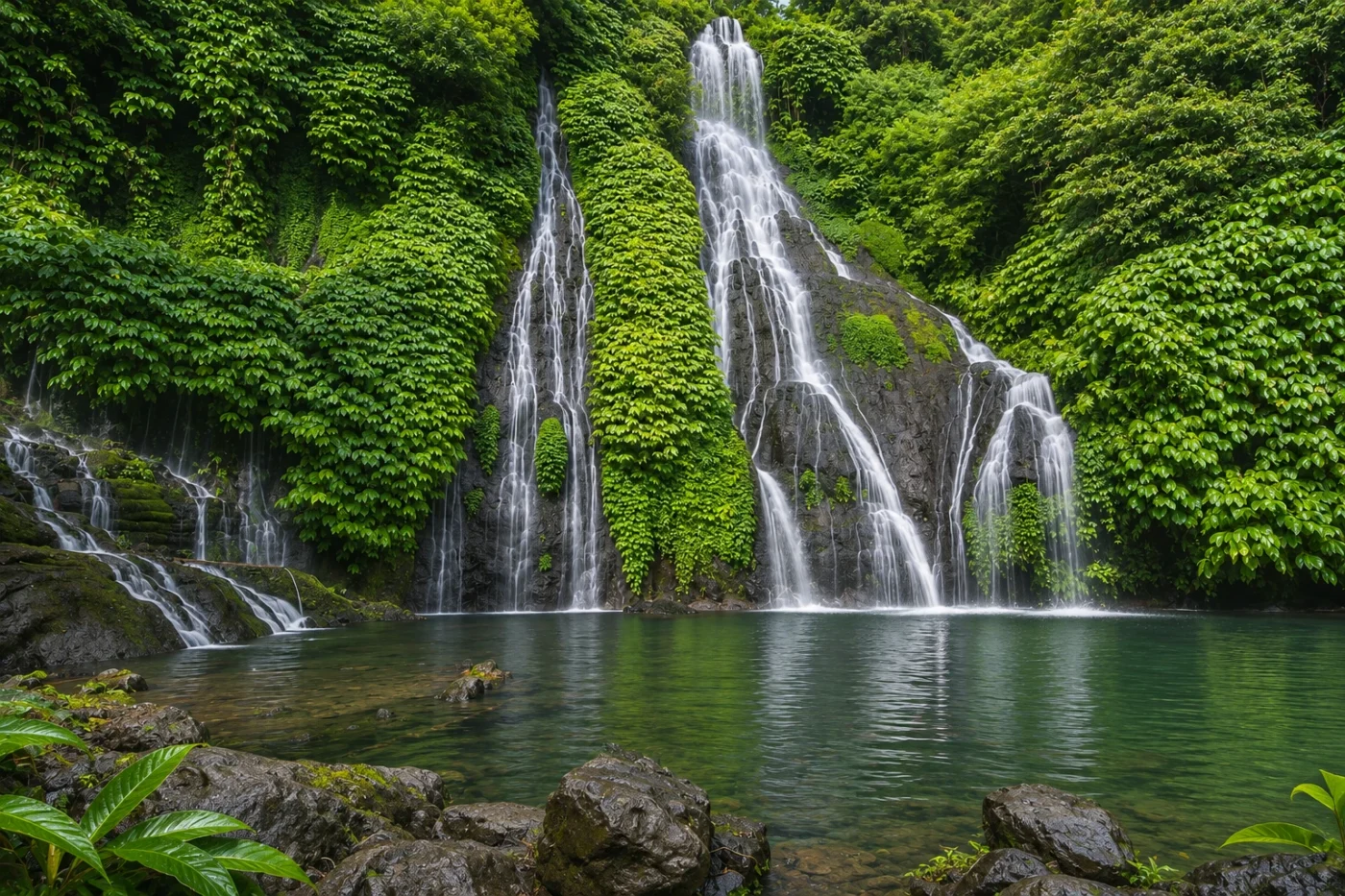
Banyumala lies in the Wanagiri highlands and is associated with several streams of water across a vegetated rock face. The drive and final walking approach distinguish it from a simple roadside stop. Mist, mud and rain can change both the view and the effort required, while the return uphill deserves time. Combine it with nearby highland scenery only when the road and trail are suitable. Ask about the current access track, use a competent driver if you are unfamiliar with the area, and do not assume the pool is always suitable for swimming.
7. Gitgit
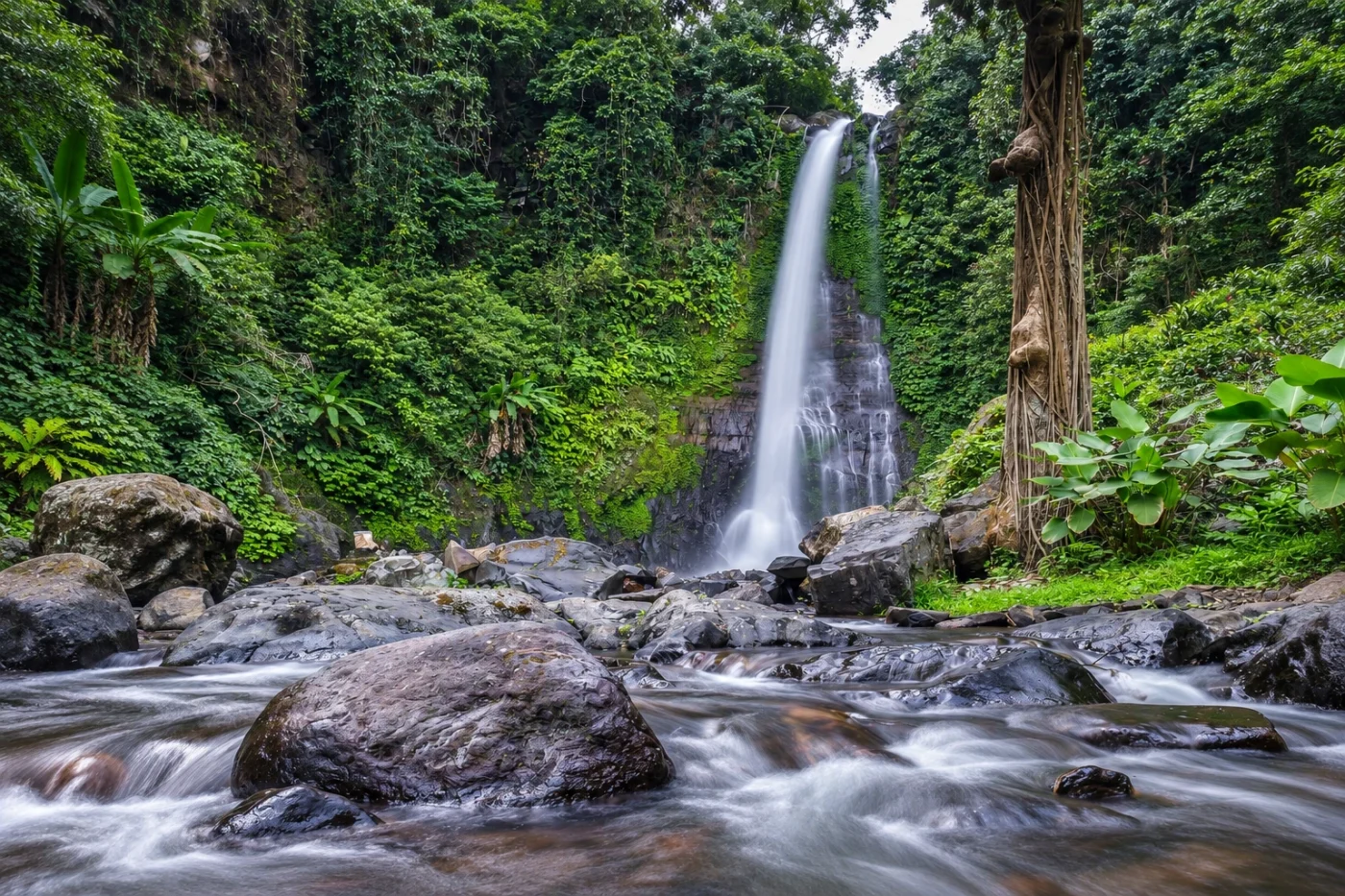
Gitgit is one of Bali’s established northern waterfall names, useful to consider when travelling between the central highlands and the Singaraja area. The name can be associated with several nearby waterfall experiences, so establish the exact entrance and walk. Roadside signs alone do not describe how many steps, river crossings or different fees a route may involve. Ask the attendant or guide for the actual walking arrangement and return point. Choose the visit as part of a manageable northern route and keep a rain alternative rather than driving a long distance on an assumption of easy access.
8. Munduk Waterfall
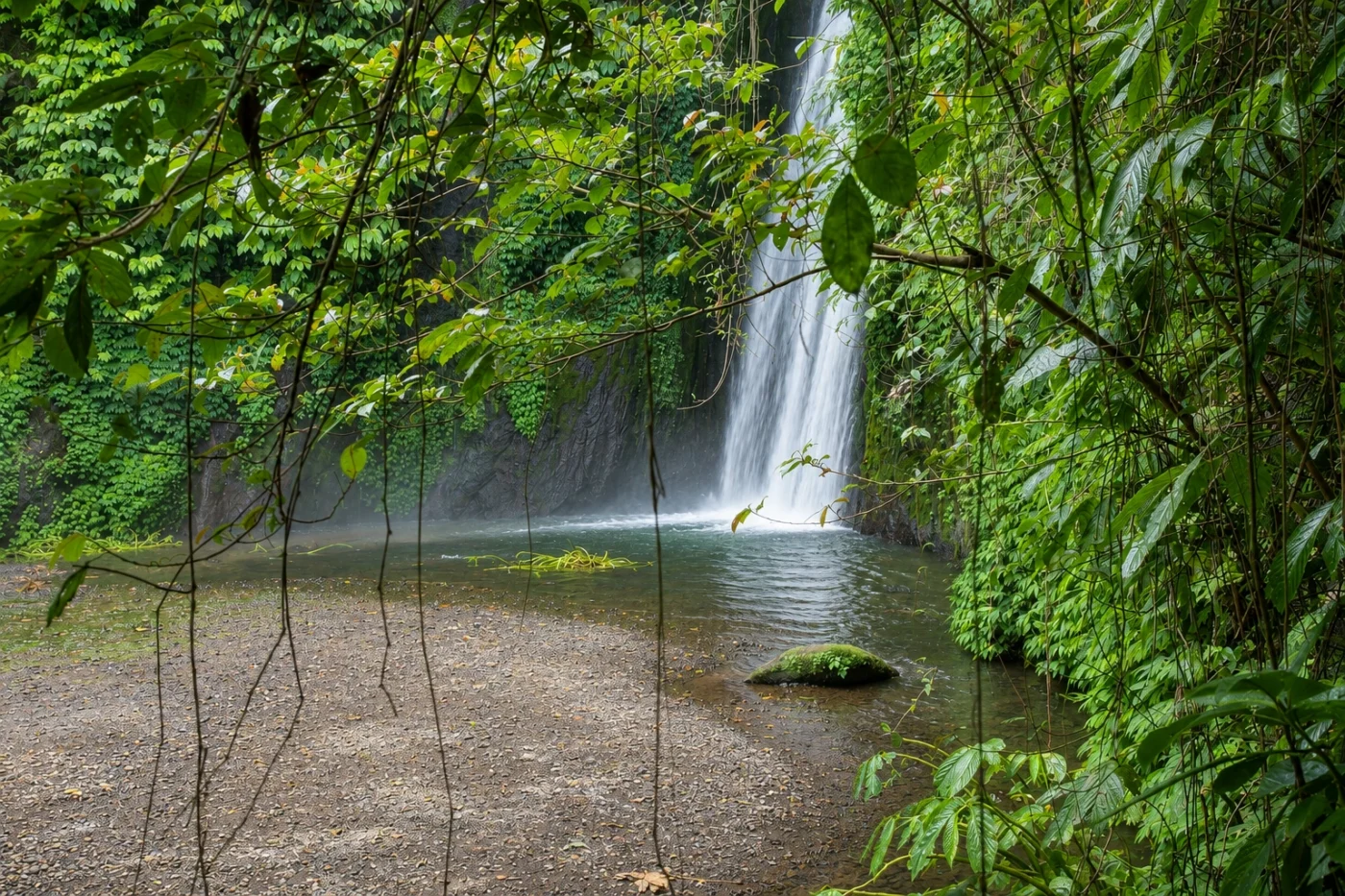
The Munduk area offers waterfall walking within a cooler landscape of plantations, villages and steep valleys. A visit can be rewarding without racing between every named fall. Paths may have gradients, roots and wet sections that differ substantially from a paved urban walk, and shortcuts shown online are not necessarily public or maintained. Ask your accommodation or a local guide to identify the exact route and agreed end point. Carry water and a light rain layer, and plan a village meal or rest afterwards instead of assuming the entire afternoon is still free for a long drive.
9. Banyu Wana Amertha
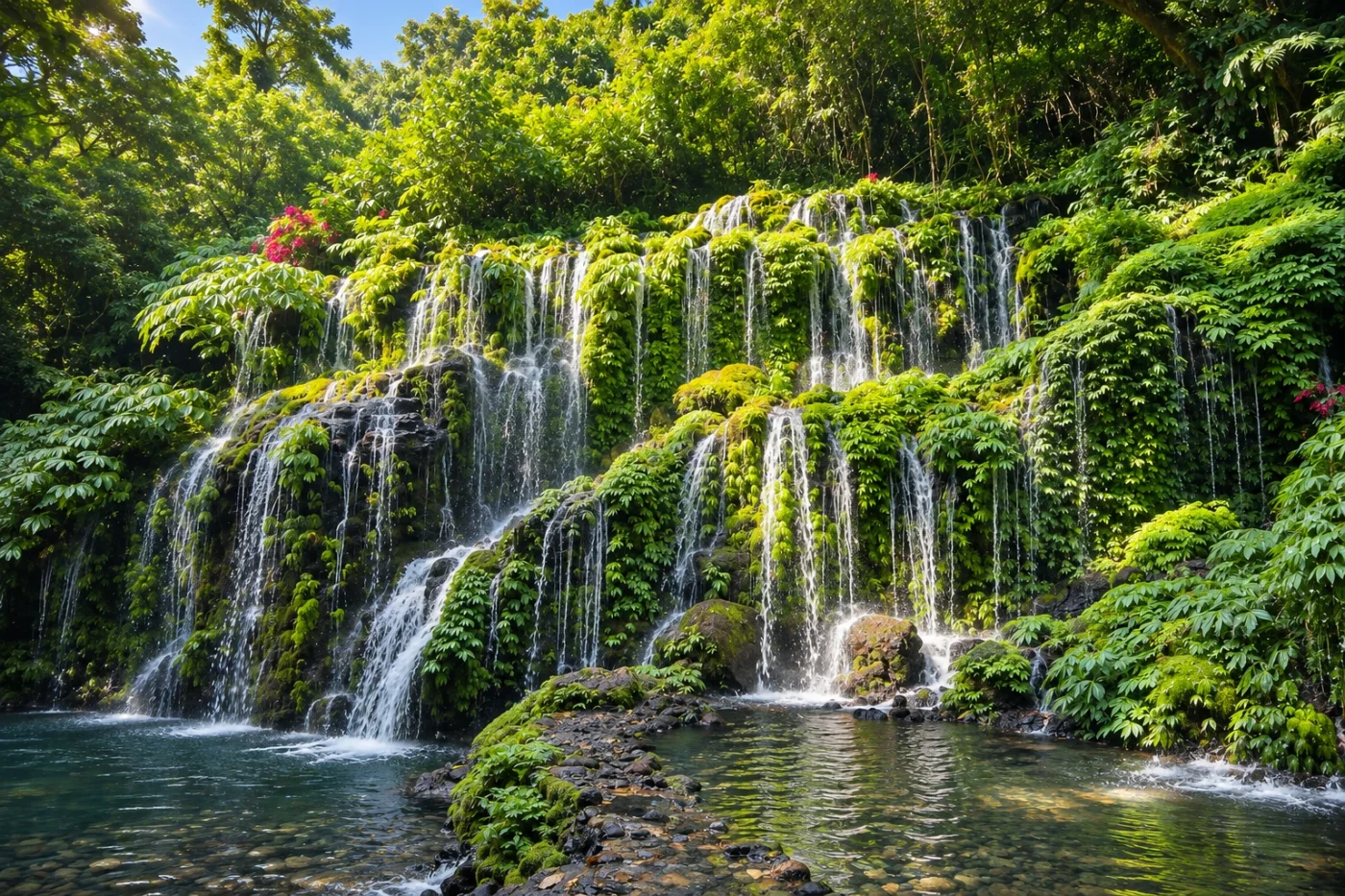
Banyu Wana Amertha in the northern highland region offers a collection of cascades rather than a single distant landmark. This makes it worth comparing with other Wanagiri-area options when you have limited time. The experience depends on the current path network, vegetation and water flow, with a return climb after the viewing sections. Ask which falls are currently accessible and choose an appropriate circuit rather than entering every side path. Keep the outing within a coherent highland day and leave enough daylight for the drive back through mist-prone roads.
10. Aling-Aling
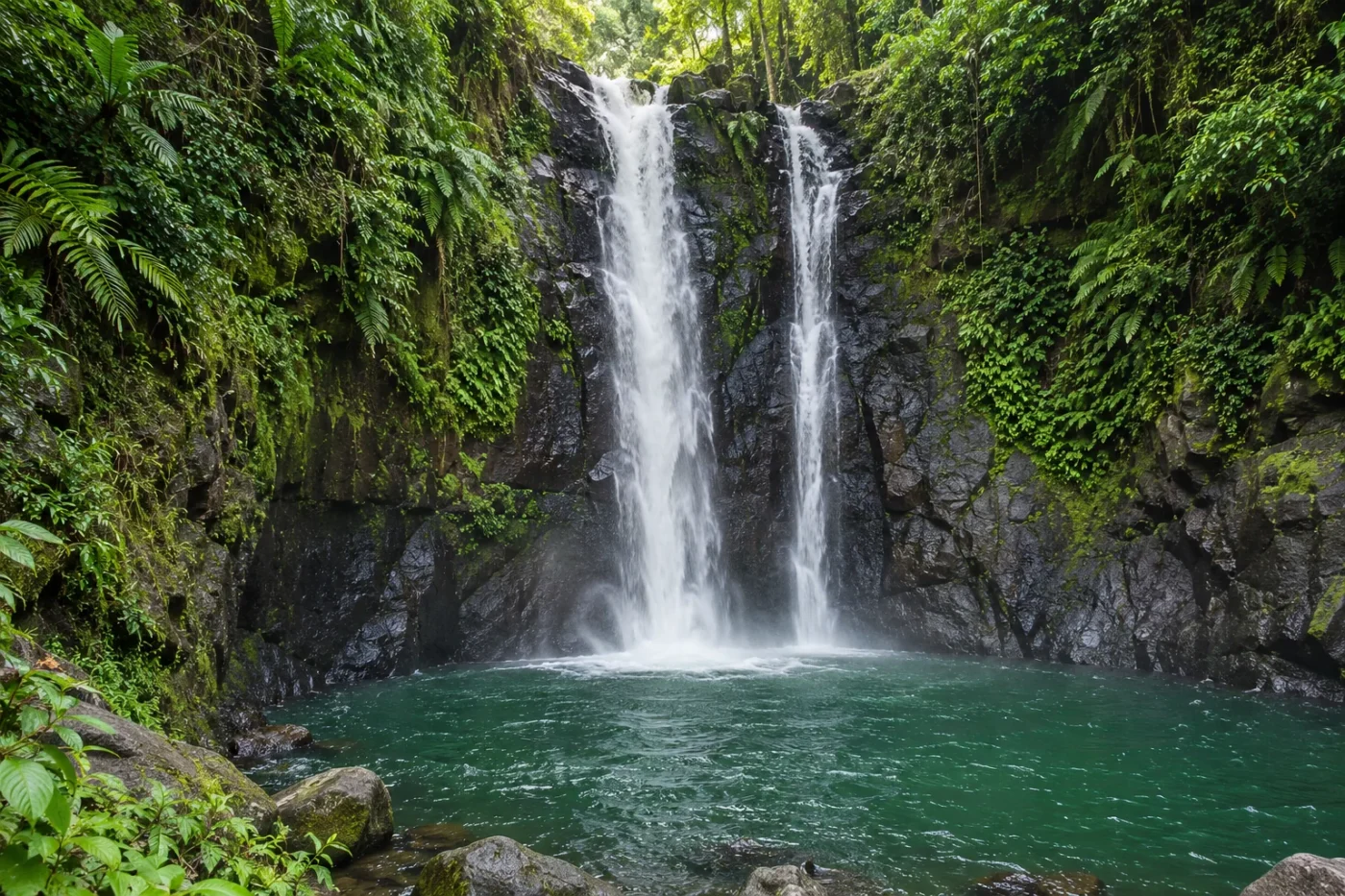
Aling-Aling is associated with the Sambangan waterfall landscape near northern Bali. Some local products emphasise adventure activities at neighbouring cascades, but observing a waterfall and participating in slides or jumps are separate choices. Promotional images do not establish water depth, a safe landing or suitability for your ability. Choose a straightforward guided walk if the scenery is your priority. Ask precisely which waterfall and activity are included, decline cliff jumping or sliding when uncertain, and follow closures rather than treating a paid guide as a guarantee that every risk has disappeared.
Season and planning
Water levels and path conditions depend on recent rain, including rain upstream. Larger flow can improve a distant view while making closer access unsafe. Check local conditions and weather before choosing a route.
Pick one or two waterfalls in the same area, verify entrances and guide arrangements, and build the day around the return climb as well as the descent. Carry shoes with grip and a dry layer. If local staff close a route or advise against entering the water, choose a viewpoint or another activity.
Related Bali guides
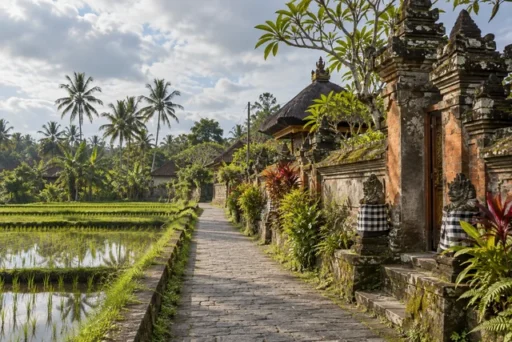
Ubud
Explore Ubud with ten local experiences, realistic itineraries, transport advice and seasonal planning for a Bali stay.
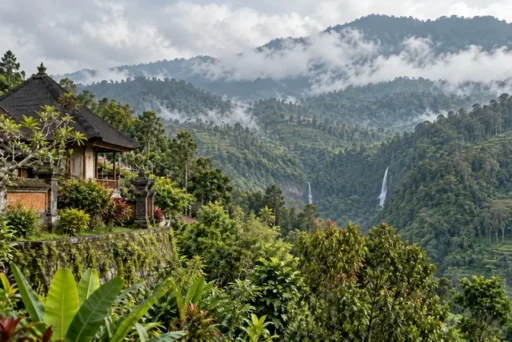
Munduk
Explore Munduk with ten practical choices, regional excursions, seasonal advice, transport notes and realistic one-to-three-day planning.
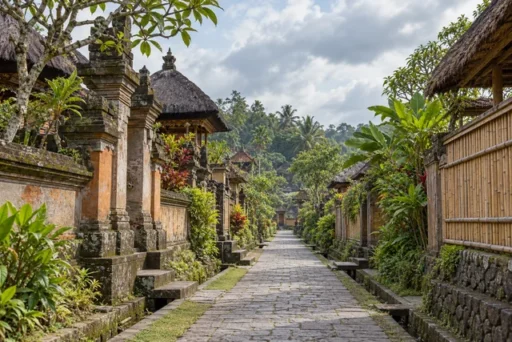
Bangli and Penglipuran
Explore Bangli and Penglipuran with ten practical experiences, seasonal advice, transport planning and realistic one-to-three-day itineraries.
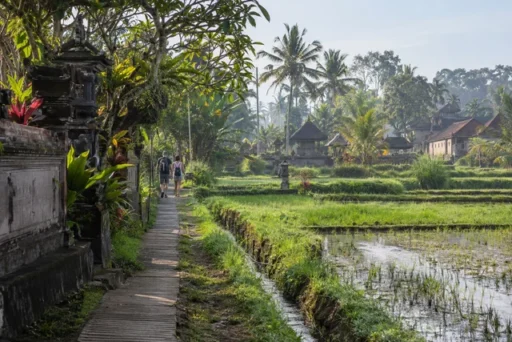
Walks and Gentle Hikes
Walking in Bali ranges from paved waterfront sections to steep, slippery paths, so the word gentle needs a precise route behind it.
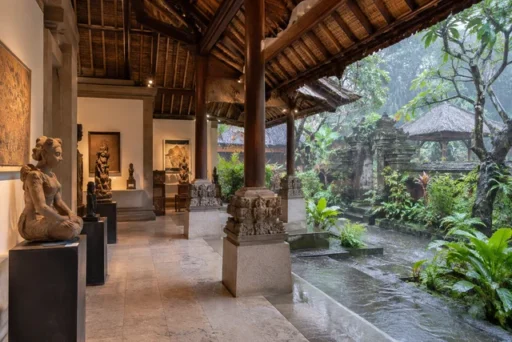
Rainy-Day Activities
Rain in Bali is a reason to adjust the day rather than automatically abandon it.
Lakes and Mountain Landscapes
Explore lakes and mountain landscapes in Bali: ten editorial choices with practical planning, regional context and official sources.
Questions and answers
Should I try all ten in one day?
No. These are alternatives for different routes and interests. Choose nearby options, allow time for travel and keep a flexible alternative for weather or changed access.
Are entry fees and opening times fixed?
No. Check the linked official venue or destination information for your travel date. Admission arrangements, ceremonies and operating programmes can change.
Do I need to book ahead?
Book when a specific hosted experience, lesson or timed programme is important to the trip. For independent sightseeing, confirm access and transport before setting out.
Does the order reflect visitor votes or search volume?
No. This is an editorial selection intended to compare useful options, not a measured popularity table or a claim that every option suits every visitor.
Sources and further reading
Use the responsible authority or provider for current access, availability and booking details.