10 Scuba-Diving Areas in Bali for Different Experience Levels
Written 26 October 2026 · BaliTop10
Bali scuba diving ranges from sheltered training sessions to current-exposed offshore reefs. A famous site does not identify an appropriate dive for every certification, and a boat trip sold under one island name can cover very different conditions. Discuss your qualification, recent diving, buoyancy control and comfort in currents with a reputable local centre before choosing an itinerary. The options below compare areas and kinds of diving, not ten dives everyone should complete. Expect the operator to change a site when necessary, and remember that marine-life sightings are possibilities rather than inclusions. Snorkeling, introductory scuba and certified diving are separate products, each with its own requirements.
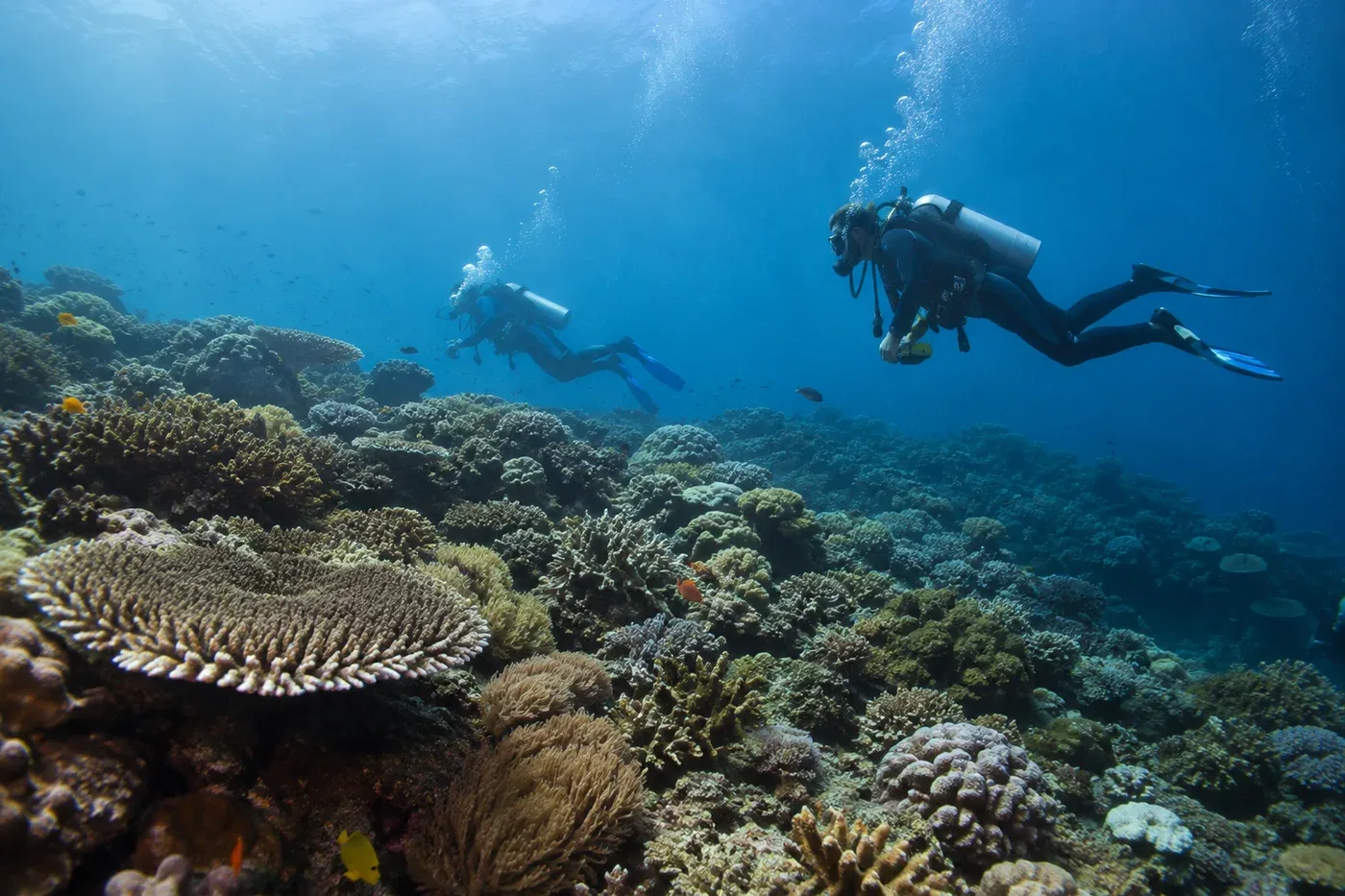
1. Tulamben Liberty wreck
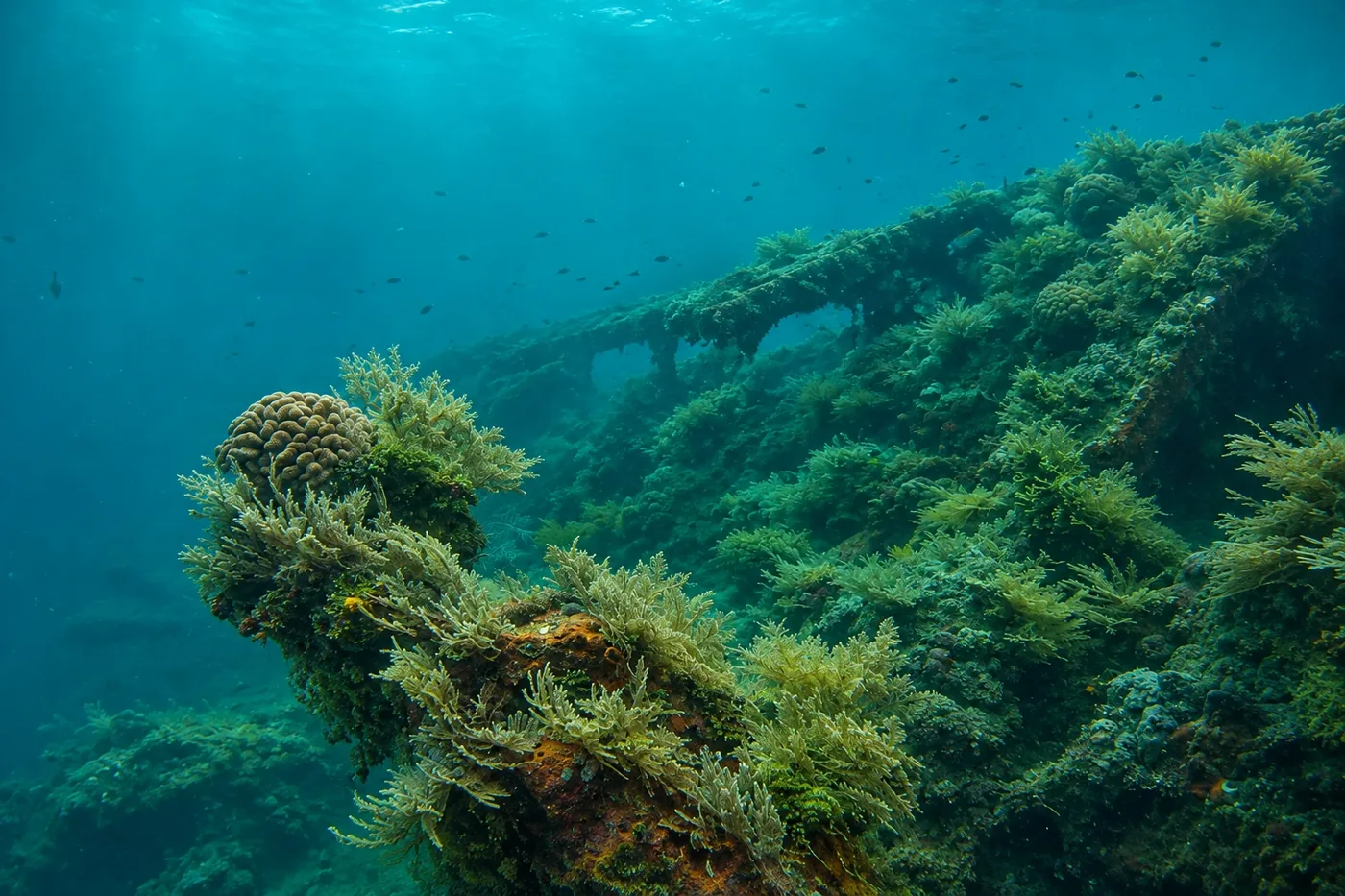
The USAT Liberty wreck is the best-known reason many divers choose Tulamben. The wider wreck area includes different depths and routes, so a local professional should match the dive to your training rather than treating the entire site as one uniform beginner experience. Shore entry across stones and possible surge are important parts of the plan. Ask about the chosen maximum depth, entry assistance and briefing. Stay outside overhead sections unless specifically qualified, equipped and permitted for them, and do not touch the wreck or collect material as a souvenir.
Planning several dives? Compare dive resorts and stays in Tulamben.
2. Tulamben Coral Garden
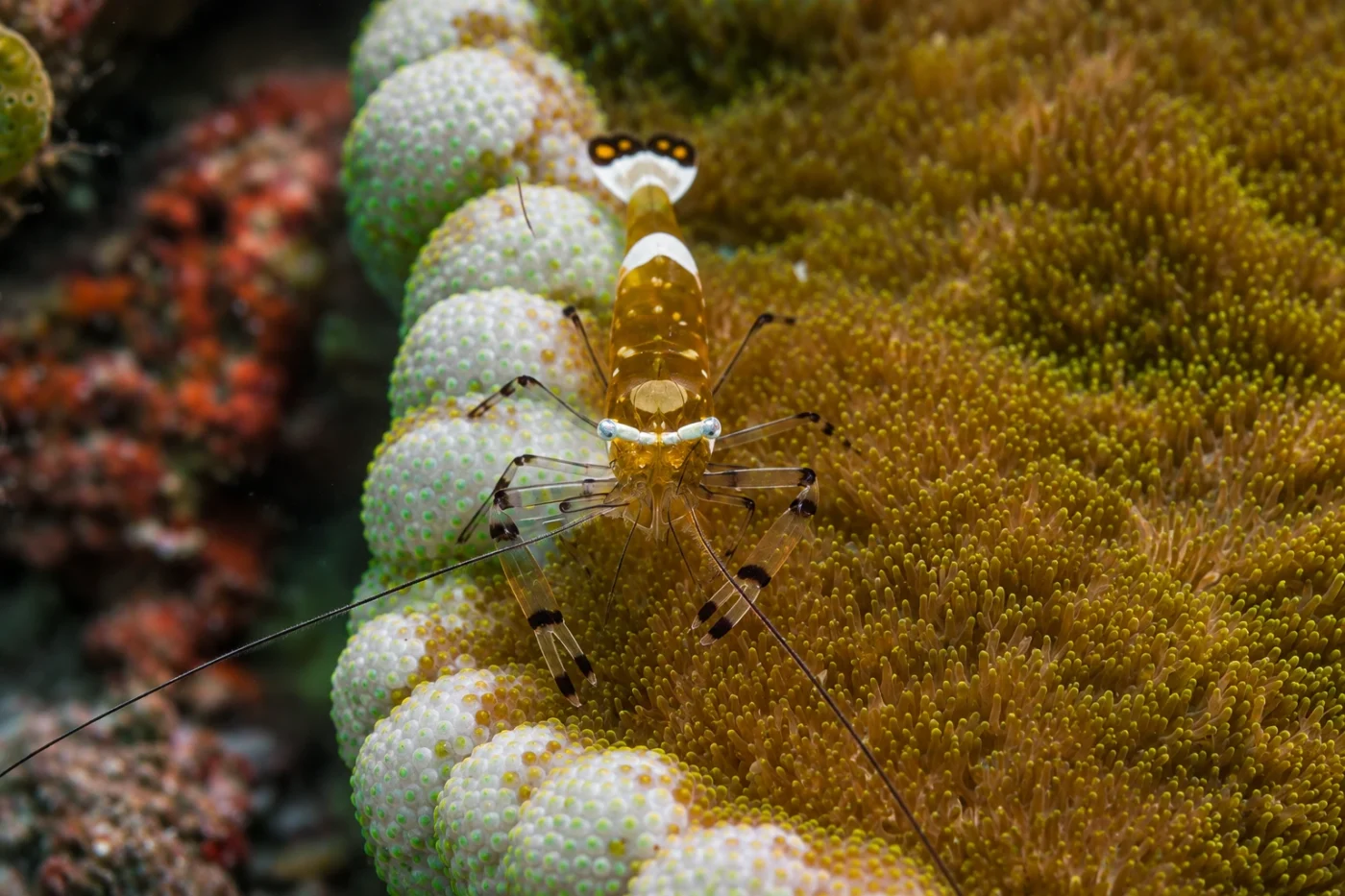
Tulamben’s Coral Garden offers a reason to spend more than a single wreck-focused visit in the area. Shallow reef and marine-life observation can be rewarding when the guide chooses appropriate conditions, while good buoyancy protects the organisms you came to see. It is a separate dive profile from the Liberty rather than a promise that one booking covers every local attraction. Explain whether you need a refresher or are seeking an ordinary certified dive. Confirm the entry, depth and expected water movement, and keep the camera secondary if you are still working on basic buoyancy skills.
3. Tulamben Drop-Off
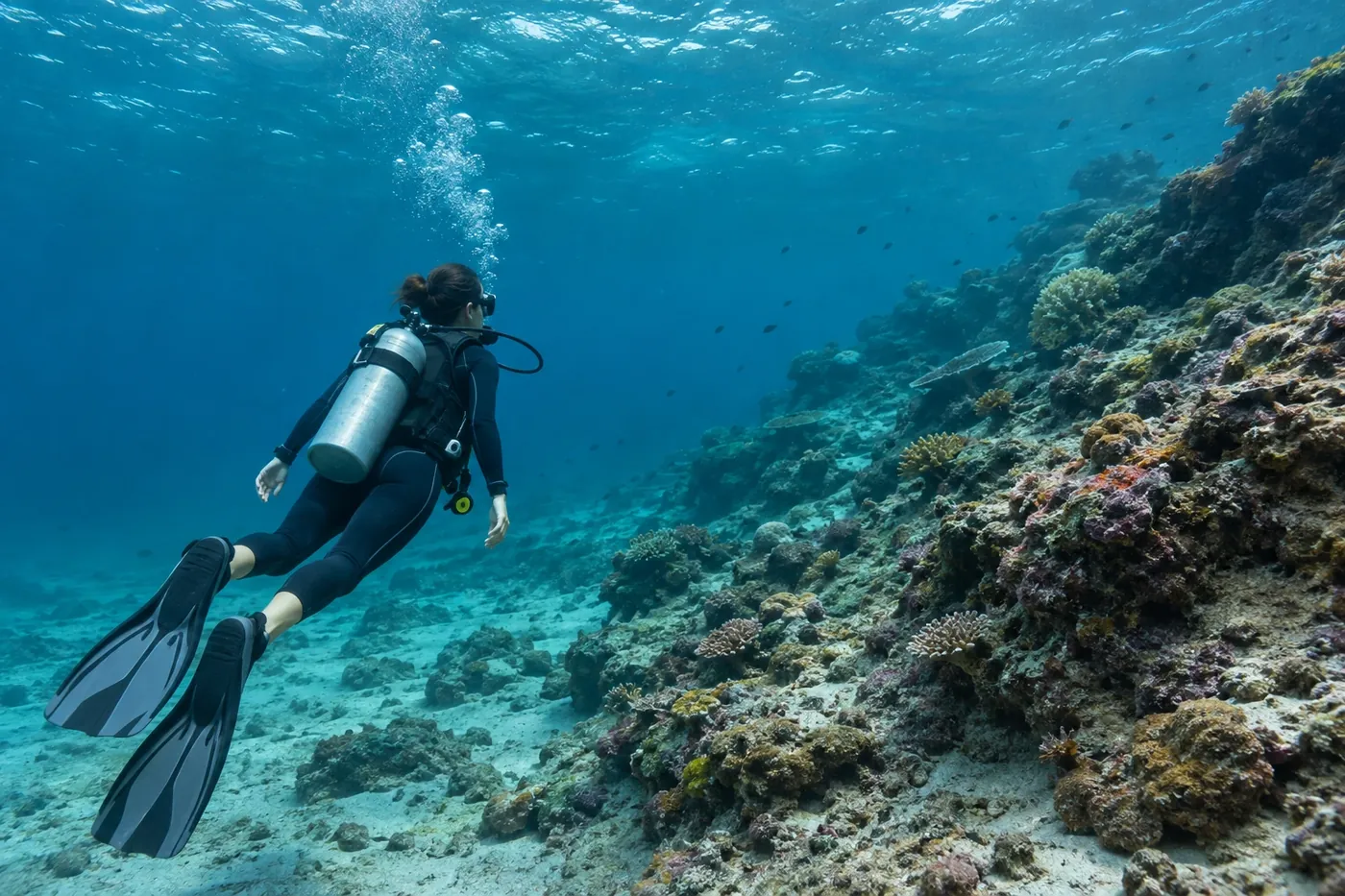
The drop-off provides a different underwater setting from Tulamben’s wreck and shallows. A wall extending into deeper water does not establish a suitable depth for your dive; that must remain within your certification, experience and agreed plan. Local guides can explain the terrain, expected visibility and the actual route before entering. Ask how the group will manage depth and turnaround, and do not follow another diver deeper simply because a wall continues below. Consider a local overnight stay to spread dives sensibly rather than combining them with a rushed road transfer.
4. Jemeluk Bay and wall

Jemeluk offers both reef and deeper terrain within the Amed area, making the specific dive plan more important than the bay’s general reputation. Shore or boat arrangements depend on the operator and chosen site. Marine-life interest does not remove the need to assess current, visibility and the ability of the group. Choose a centre near your accommodation and ask which section matches your level. A bay dive can be paired with a relaxed shore afternoon; avoid assuming it should be followed immediately by a distant cross-island excursion or a flight.
5. Amed’s Bunutan area
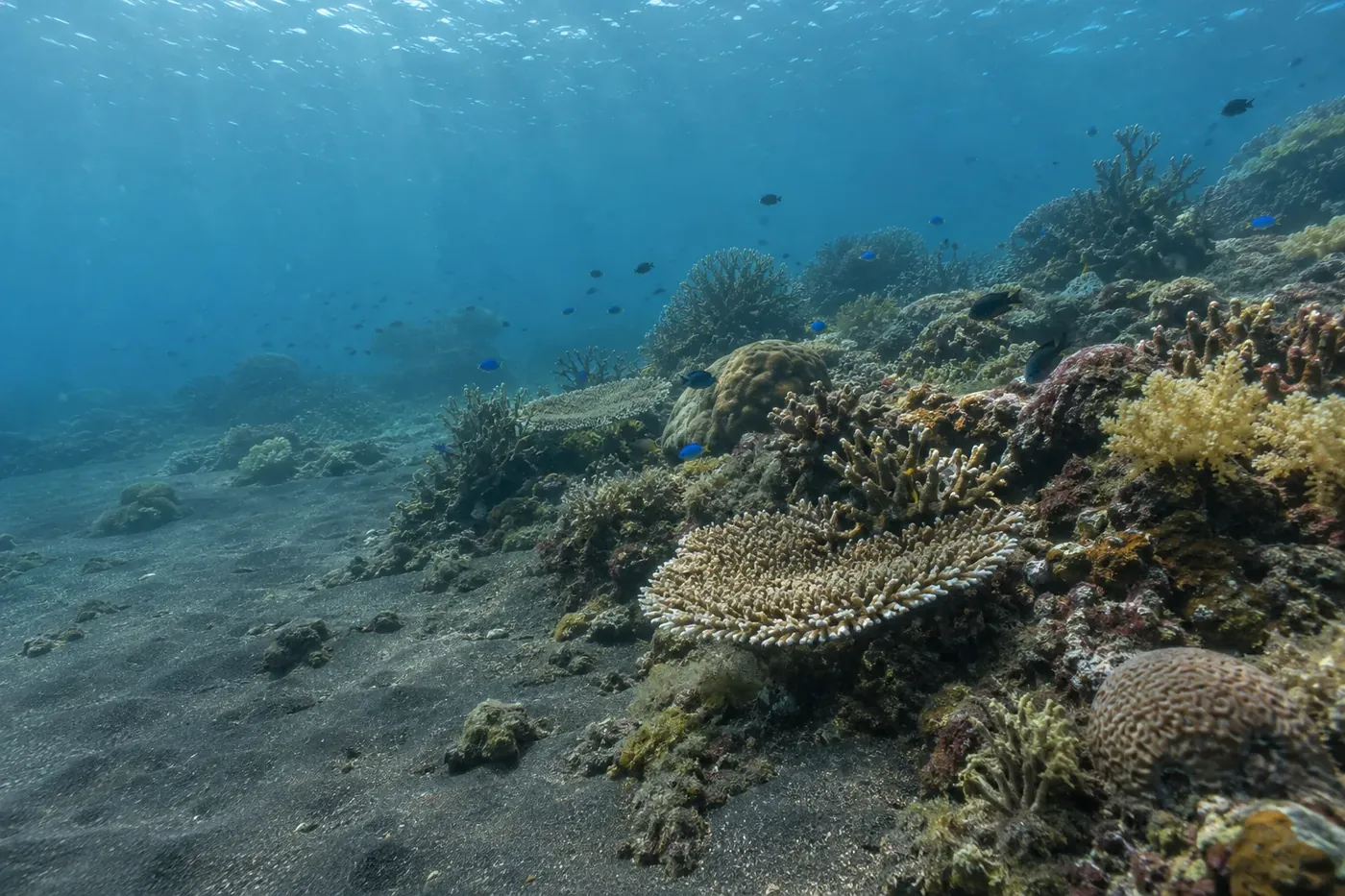
Bunutan is one of the names encountered in the wider Amed diving region, with a profile and conditions that differ from simply entering a sheltered bay. It is useful for qualified divers comparing a multi-day Amed stay with a single introductory session. The operator should describe the actual site and suitability rather than relying on a generic Amed label. Discuss recent current experience and the intended entry and exit. Be willing to choose a quieter alternative if necessary, and confirm whether the product includes boat transport, equipment, guide support and a suitable group size.
6. Padang Bai reefs
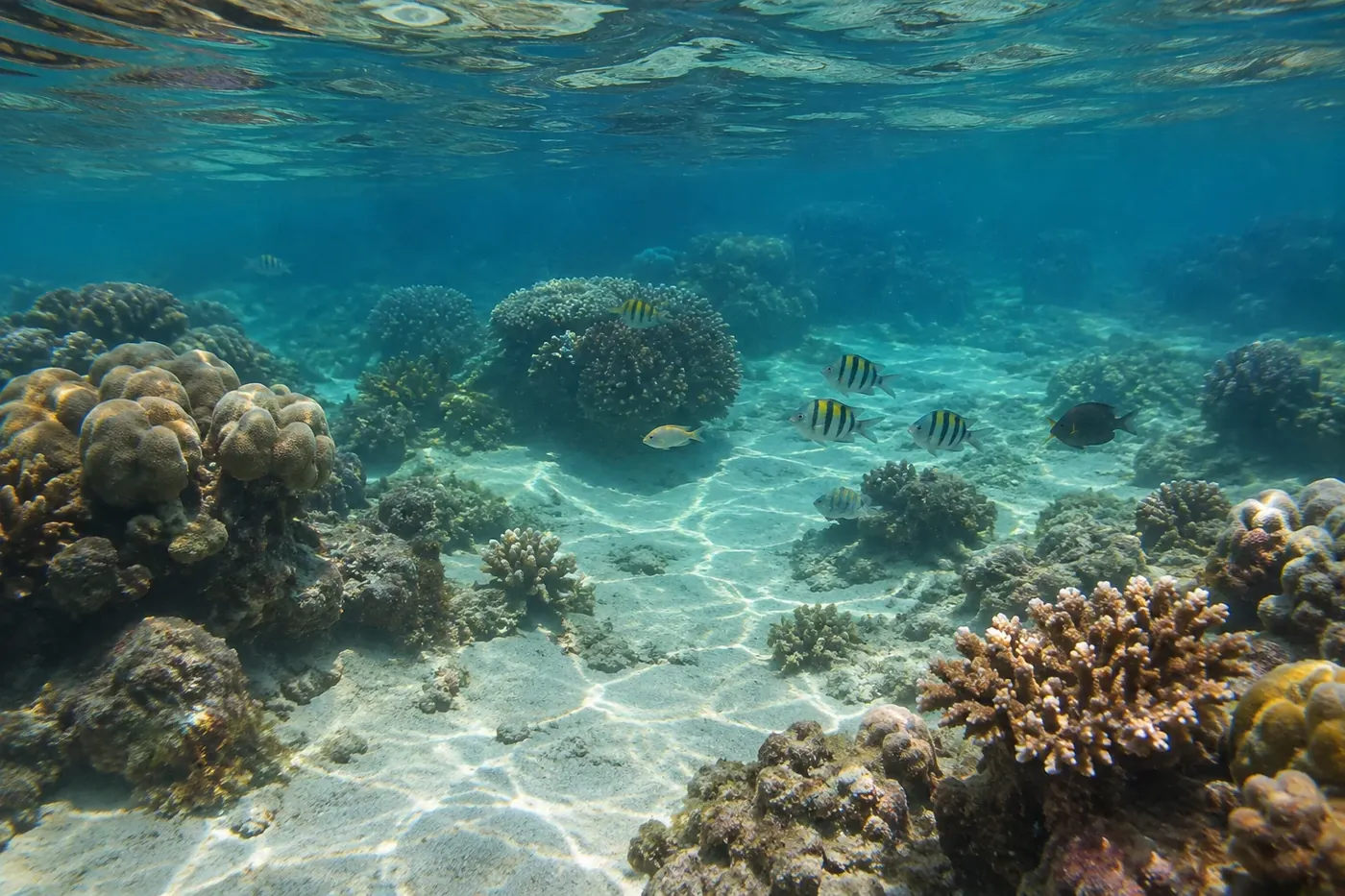
Padang Bai provides access to reefs and boat-based diving that can fit a stay in eastern or southern Bali. Different sites have different exposure, depths and conditions, so the port location is not a single certification category. A professional centre can choose a suitable training or certified-diving programme according to the day. Check whether you are booking an introduction, course or ordinary dive trip and provide your experience honestly. Build in time for briefing and equipment checks, and keep onward ferry or airport connections separate from an uncertain boat-return schedule.
7. Menjangan Island
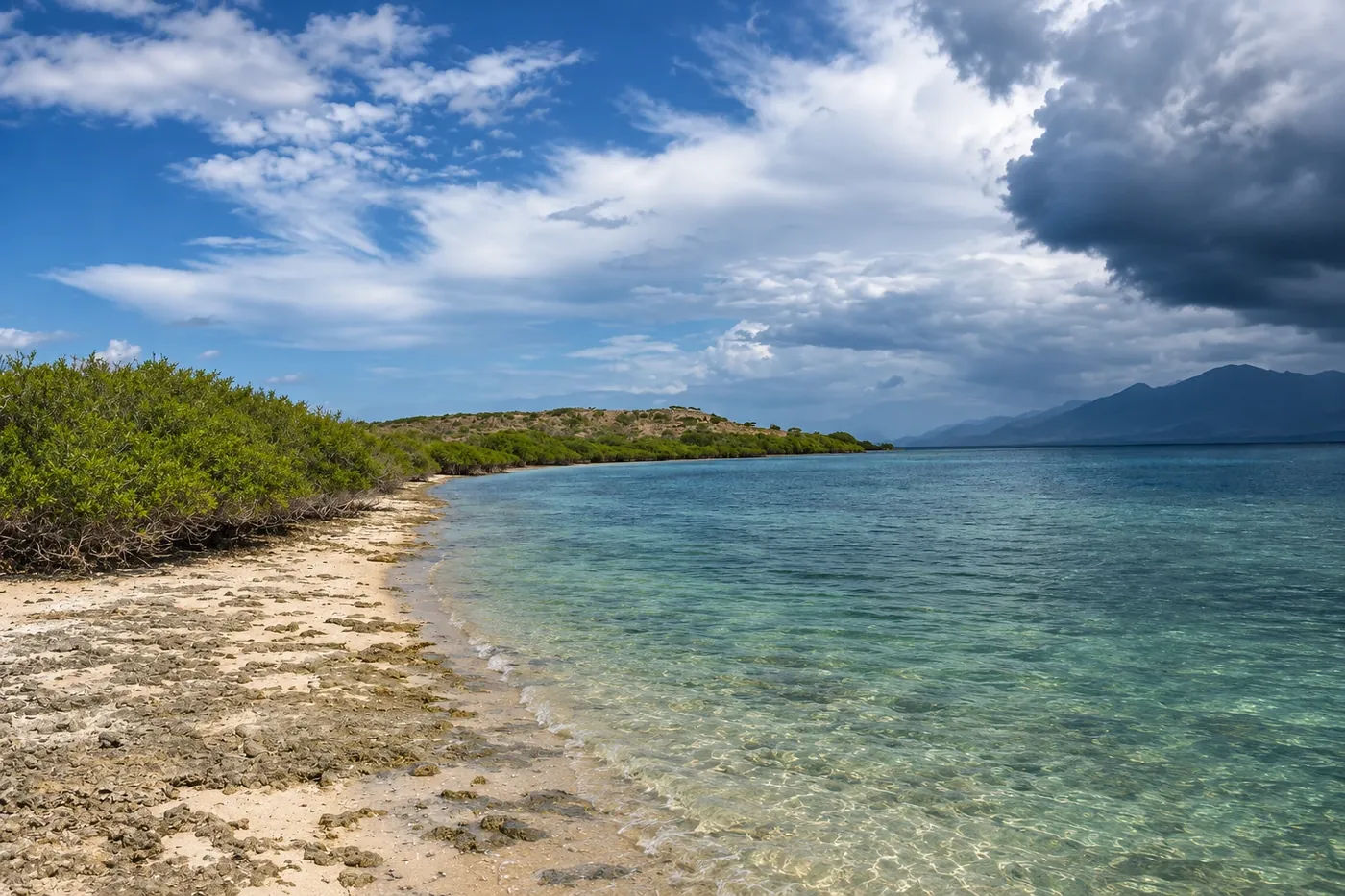
Menjangan offers diving in the marine setting associated with West Bali National Park, usually reached by an organised local boat trip. It is a practical focus for a northwest-coast stay, with Pemuteran often used as a base. Park arrangements, travel time and the chosen reef section should be clear before the excursion. Ask how the operator matches depth, current and entry to the group, and confirm the applicable park-related arrangements. Keep a weather margin, avoid touching reef organisms and choose a provider that explains the protected environment as well as the dive profile.
8. Pemuteran local reefs
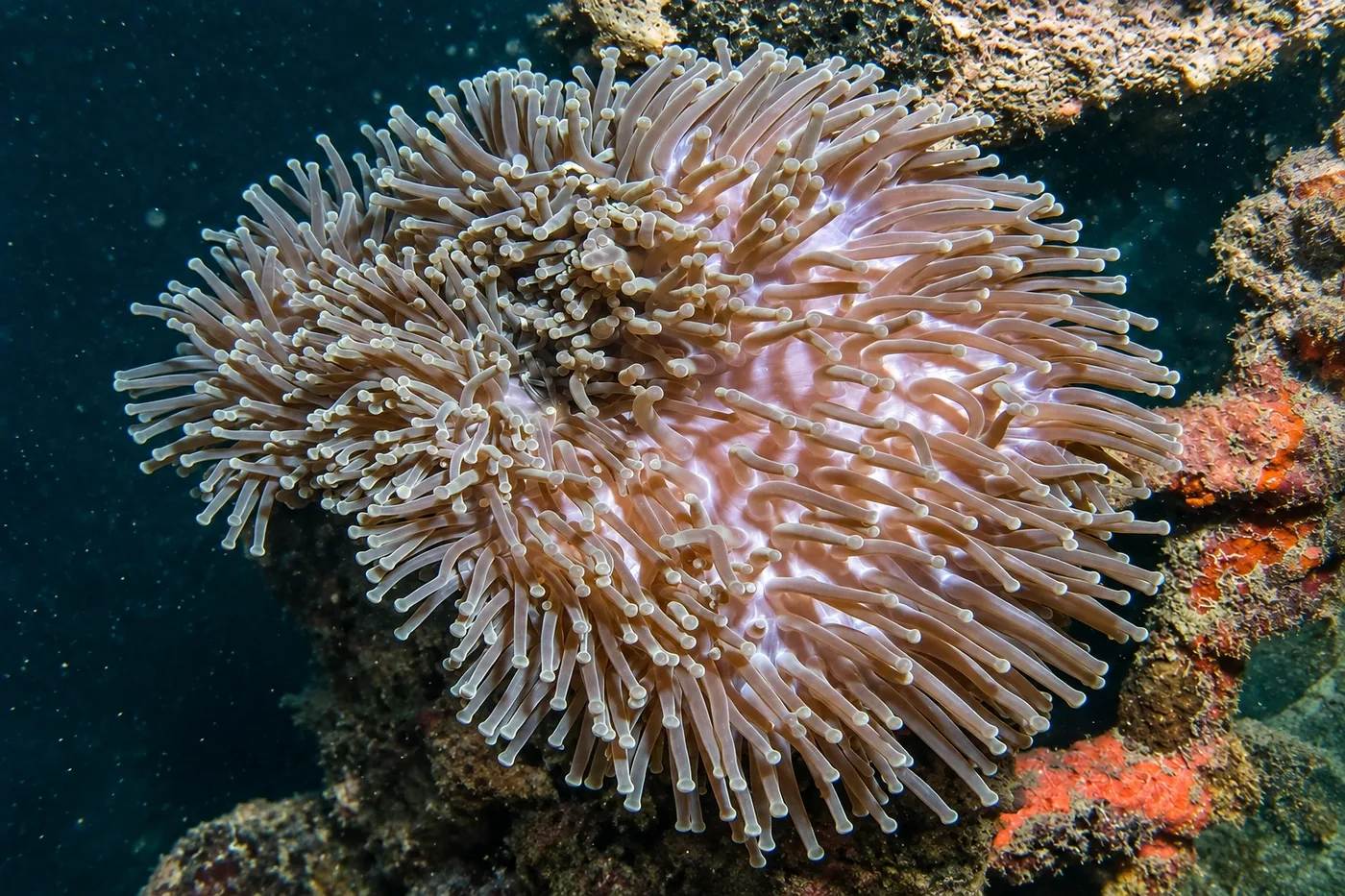
Pemuteran’s local reefs offer a different programme from a boat day at Menjangan. Reef restoration and marine interpretation can form part of the experience, while staying locally gives more flexibility around conditions and learning. It can suit travellers who want a quieter northwest base and time to practise rather than a list of distant trophy sites. Ask the dive centre which local sites match your certification and current experience. Maintain careful buoyancy around living growth and restoration structures, and keep the distinction between a supervised training session and a normal certified dive explicit.
9. Nusa Penida dive sites
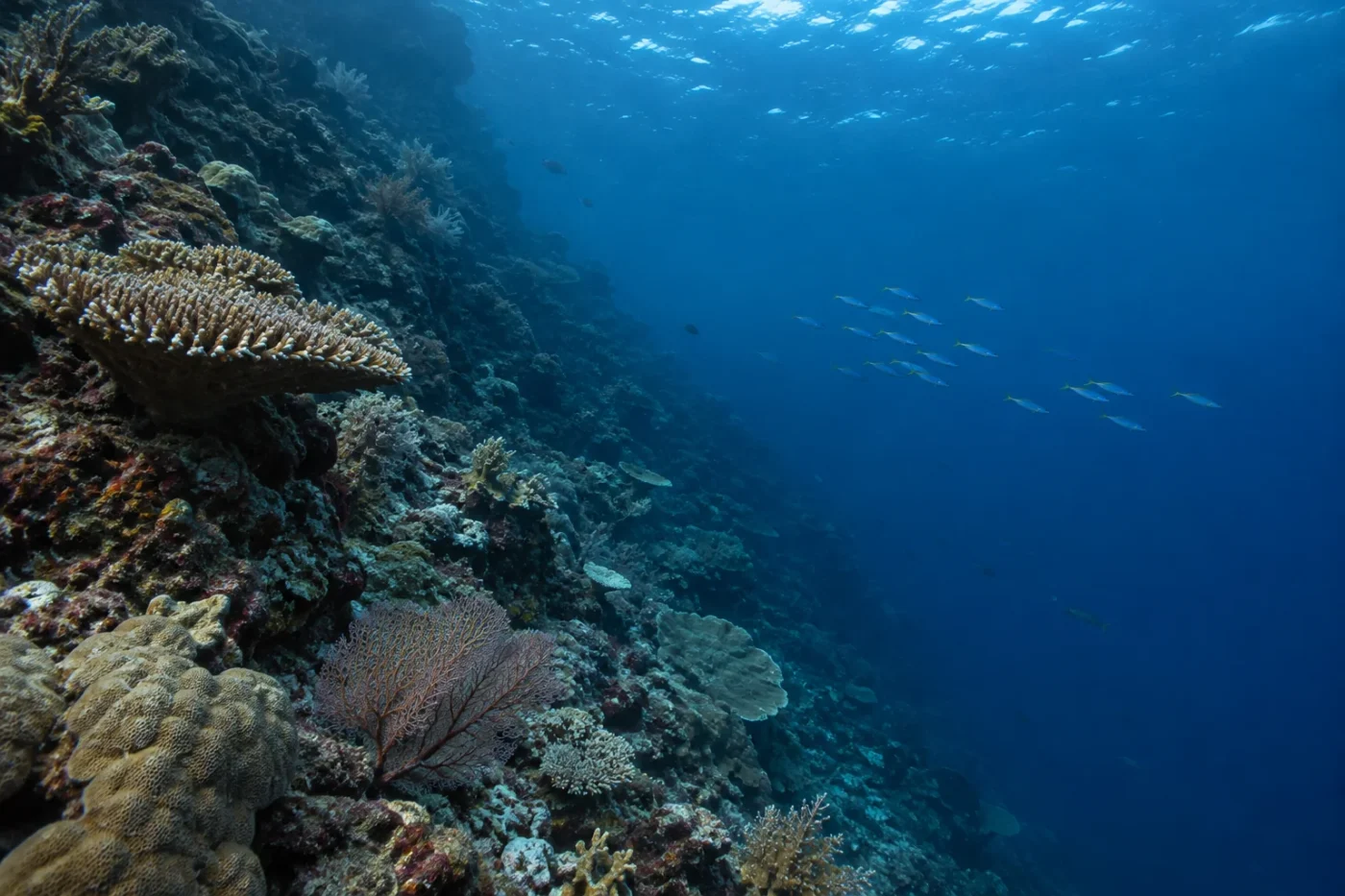
Nusa Penida’s dive sites can involve strong current, changing temperature and conditions that demand specific experience. Names such as Crystal Bay or Manta Point are not guarantees of easy diving or particular animals. Choose a centre that assesses the group and is willing to alter the itinerary rather than selling a fixed wildlife encounter. Discuss recent diving and drift experience, thermal protection and the day’s site selection. Never chase or touch mantas or other animals. Arrange any sea crossing and flight with generous margins and follow the operator’s guidance on post-dive travel.
10. Nusa Lembongan reef diving
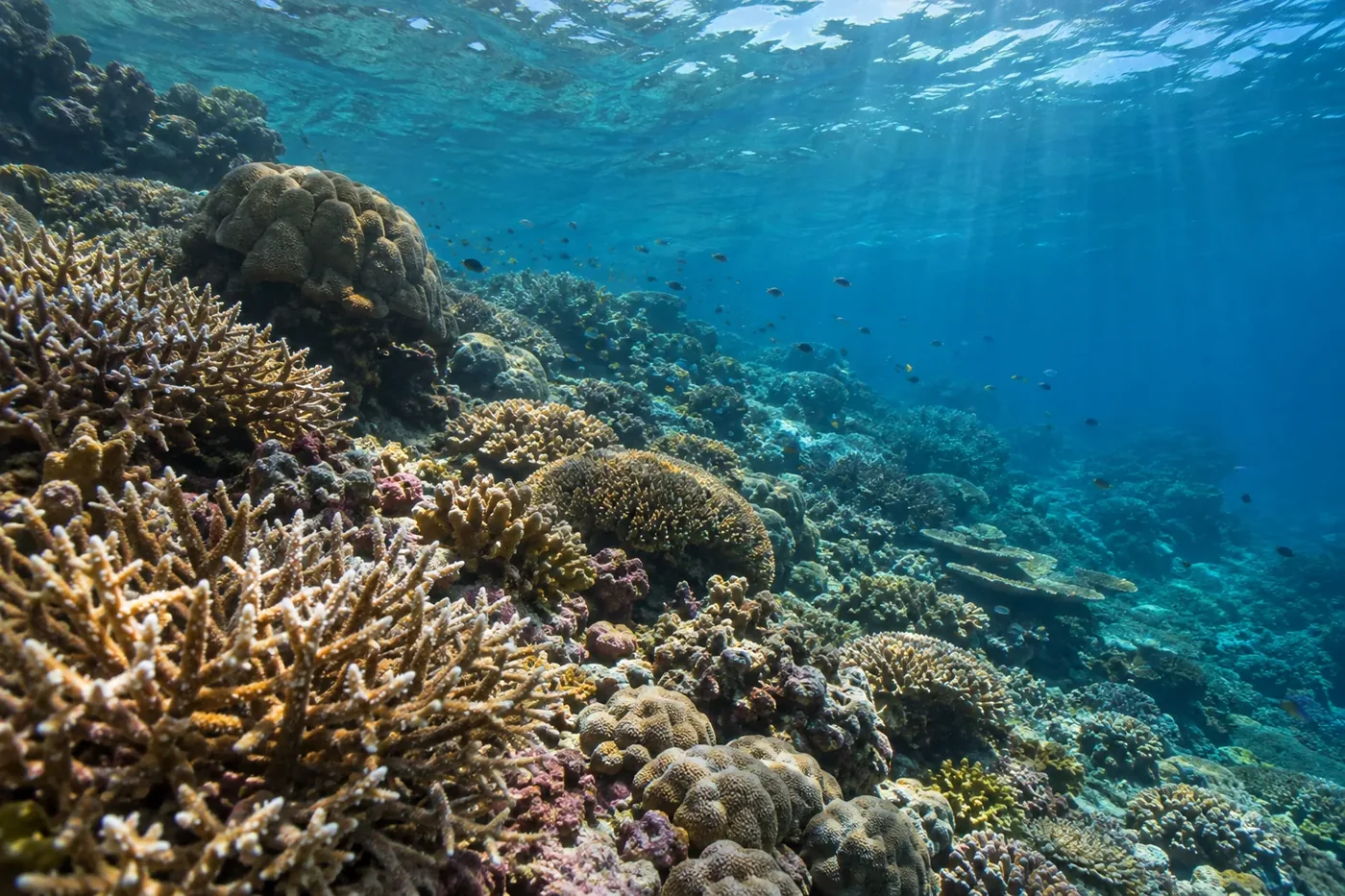
A Lembongan-based stay can provide access to local reefs and the wider Nusa diving region without repeating mainland transfers every morning. Boat routes still depend on conditions, and proximity does not make every site suitable for the same level. Consider the overall programme, accommodation and the centre’s assessment procedures when comparing operators. Ask whether the dives are local or involve a longer route, and how groups are organised by ability. Leave some flexibility in the stay, keep conservation and buoyancy central to underwater photography, and do not assume a non-diving companion can join every boat.
Season and planning
Swell, current, temperature and visibility vary by site and day. Seasonal marine-life patterns are not guarantees. The operator should choose a profile and thermal protection for current conditions, not a generic year-round promise.
Book with a qualified centre, provide certification and recent experience, and discuss any refresher or medical screening requirements. Confirm equipment, group size, emergency arrangements and cancellation terms. Keep specialist overhead, deep or strong-current diving separate from ordinary recreational expectations, and follow professional guidance on flying after diving.
Related Bali guides
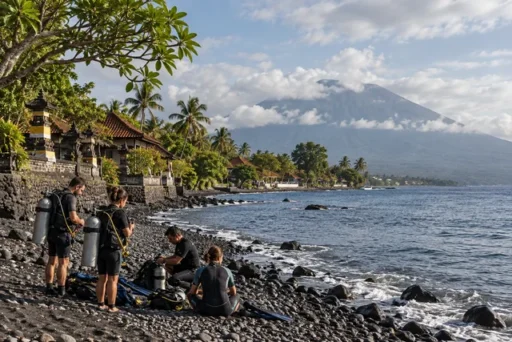
Tulamben
Explore Tulamben with ten practical choices, regional excursions, seasonal advice, transport notes and realistic one-to-three-day planning.
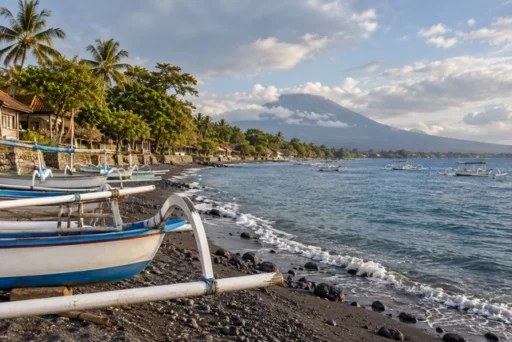
Amed
Explore Amed with ten practical choices, regional excursions, seasonal advice, transport notes and realistic one-to-three-day planning.
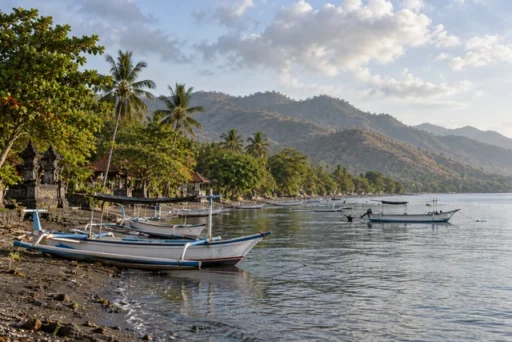
Pemuteran
Explore Pemuteran with ten practical choices, regional excursions, seasonal advice, transport notes and realistic one-to-three-day planning.
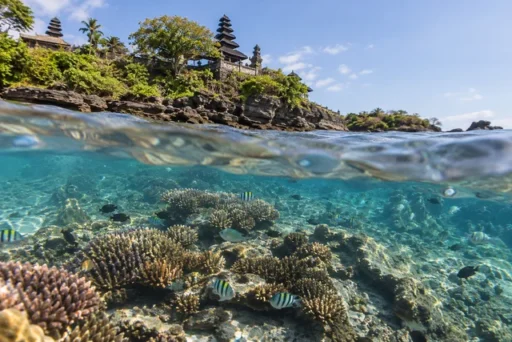
Snorkeling
Bali snorkeling is shaped by the exact site, tide, current and the ability of the group.
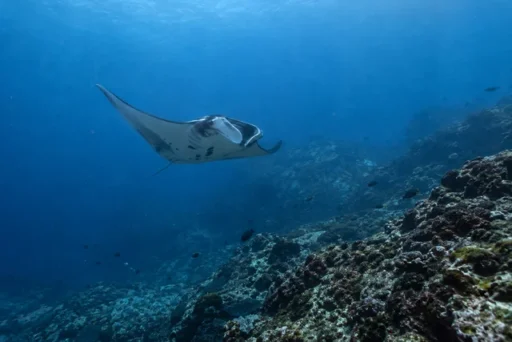
Marine-Life Watching
Bali marine-life watching includes reef interpretation, snorkeling, diving and habitat-focused boat outings.
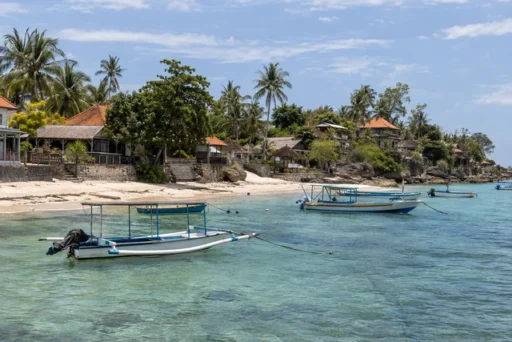
Nusa Lembongan Experiences
Nusa Lembongan offers a combination of village waterfronts, marine activities and exposed coast, with a narrow bridge connection to Nusa Ceningan.
Questions and answers
Should I try all ten in one day?
No. These are alternatives for different routes and interests. Choose nearby options, allow time for travel and keep a flexible alternative for weather or changed access.
Are entry fees and opening times fixed?
No. Check the linked official venue or destination information for your travel date. Admission arrangements, ceremonies and operating programmes can change.
Do I need to book ahead?
Book when a specific hosted experience, lesson or timed programme is important to the trip. For independent sightseeing, confirm access and transport before setting out.
Does the order reflect visitor votes or search volume?
No. This is an editorial selection intended to compare useful options, not a measured popularity table or a claim that every option suits every visitor.
Sources and further reading
Use the responsible authority or provider for current access, availability and booking details.