10 Bali Cooking Classes and Formats to Compare
Written 26 October 2026 · BaliTop10
A cooking class is most useful when it matches how you want to learn. Some programmes start at a market, others include a garden, and some focus on a shared kitchen session or a particular dietary approach. These ten choices compare named schools and distinct formats, including more than one programme at the same school where the differences matter. They are alternatives, not ten separate cooking schools or a universal ranking. Check the current menu, how much work guests actually do and the transfer arrangements. The advertised class duration may exclude a substantial drive, so choose a location that fits your base and leave the rest of the day unhurried.
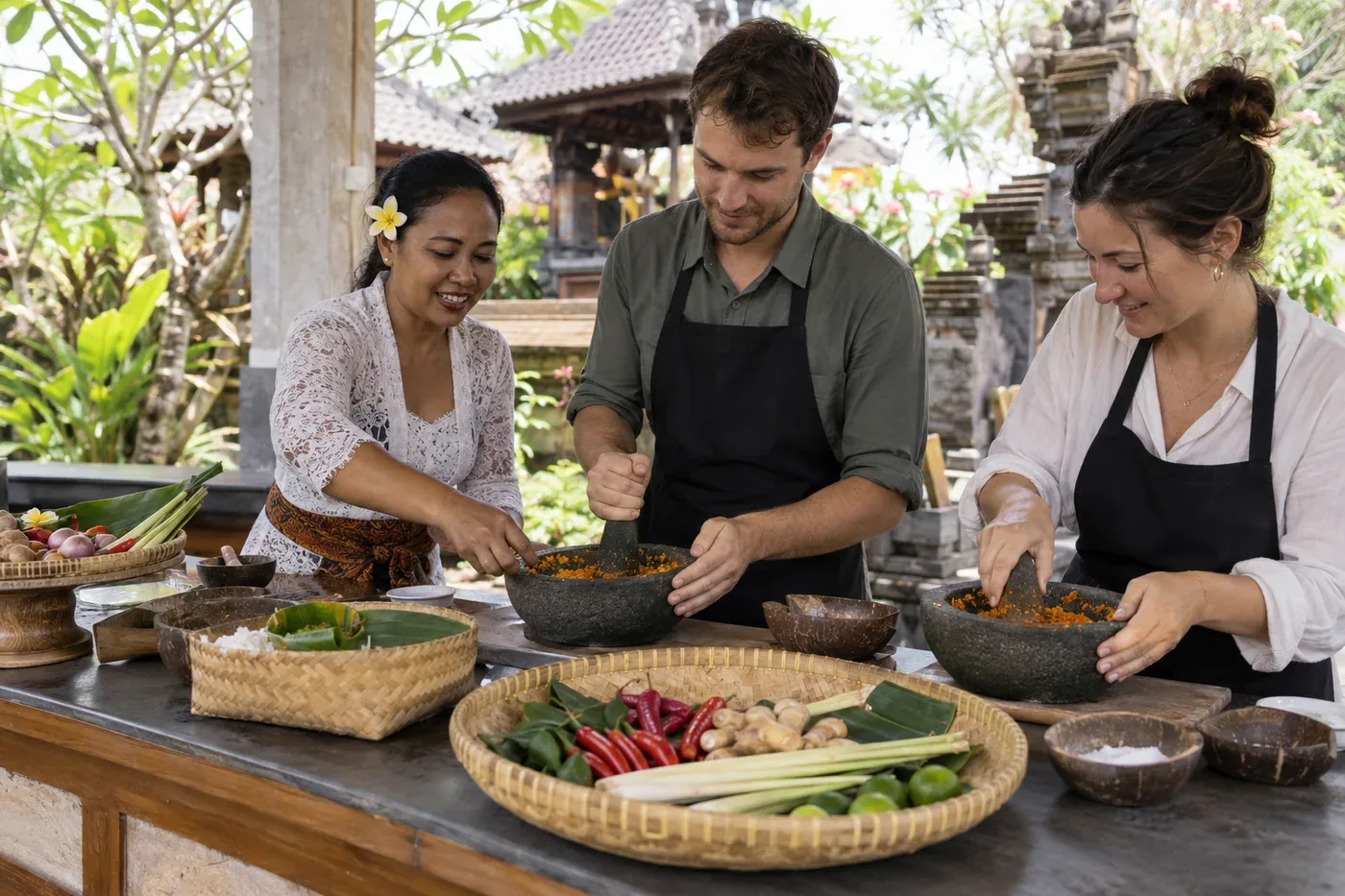
1. Paon Bali morning programme
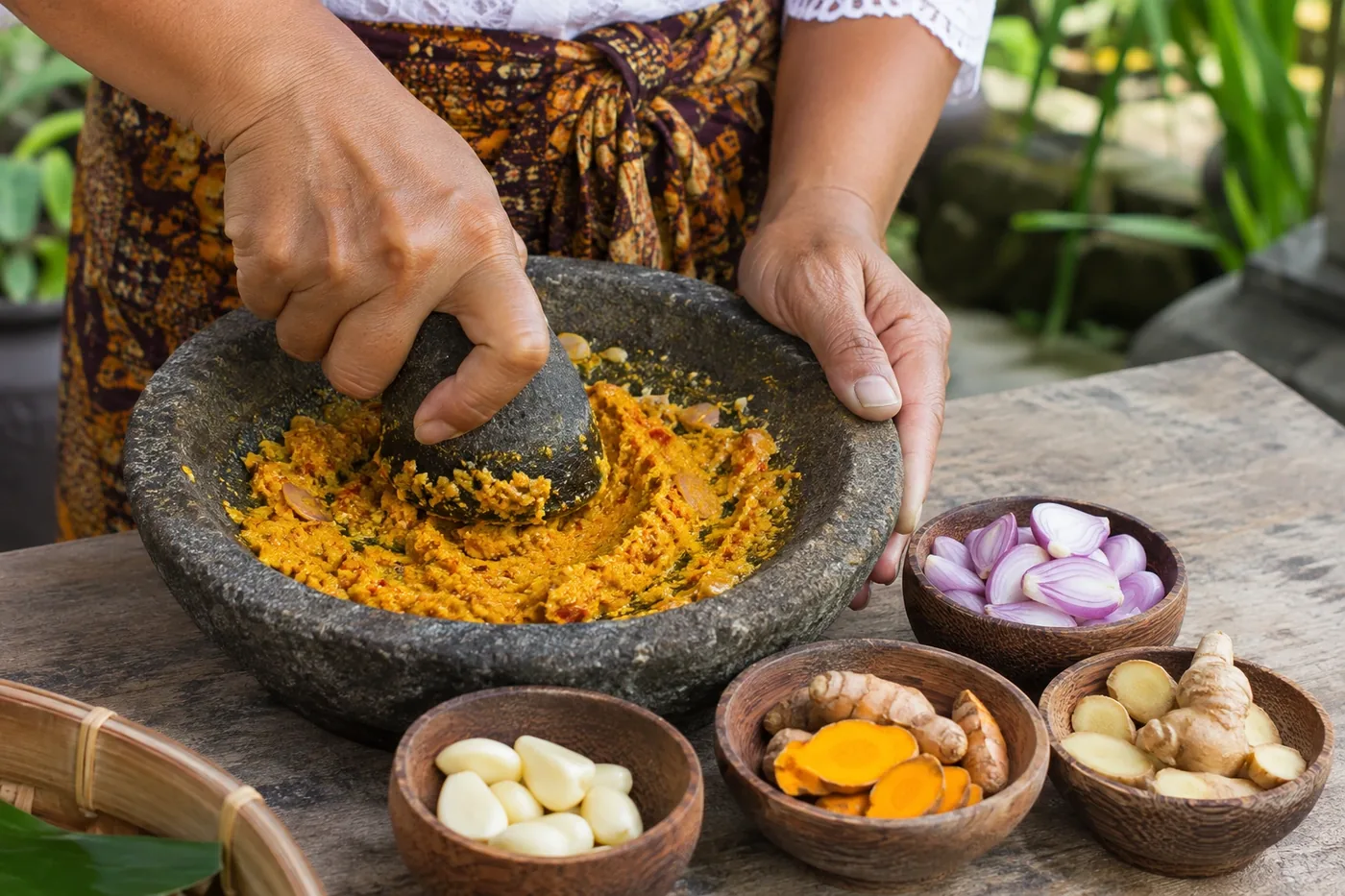
Paon Bali’s morning programme near Ubud combines cooking with market and village-oriented elements described by the school. It suits travellers who want an explanation of ingredients before using them in the kitchen. Ask which visits are included on the specific date and where pickup begins. A market visit is a working environment, so keep the group together and ask before photographing sellers. Explain dietary requirements when booking, not after ingredients are prepared. Allow time for the whole experience rather than scheduling a distant attraction immediately after the cooking component.
2. Paon Bali afternoon programme
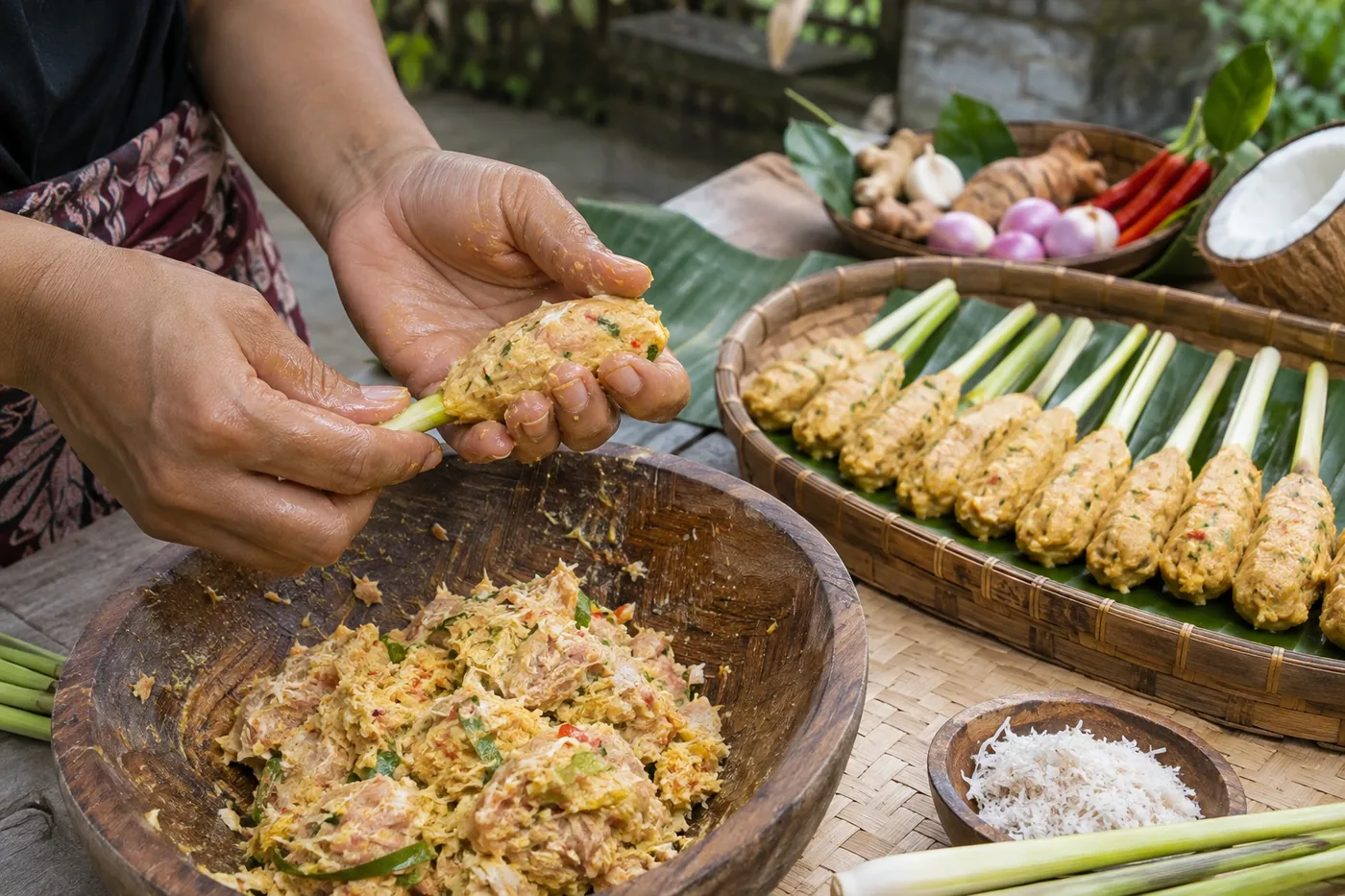
An afternoon Paon Bali session offers a different schedule for travellers who prefer a slower morning or already have a nearby activity planned. Confirm the current inclusions rather than assuming it repeats every market element of the morning class. Ask about the menu, transport and the balance of demonstration and hands-on preparation. A family-home setting requires respect for the host’s boundaries as well as attention in the kitchen. Arrange the return to accommodation before the session and avoid combining it with a tight evening booking in another region of Bali.
3. Casa Luna market and cooking class
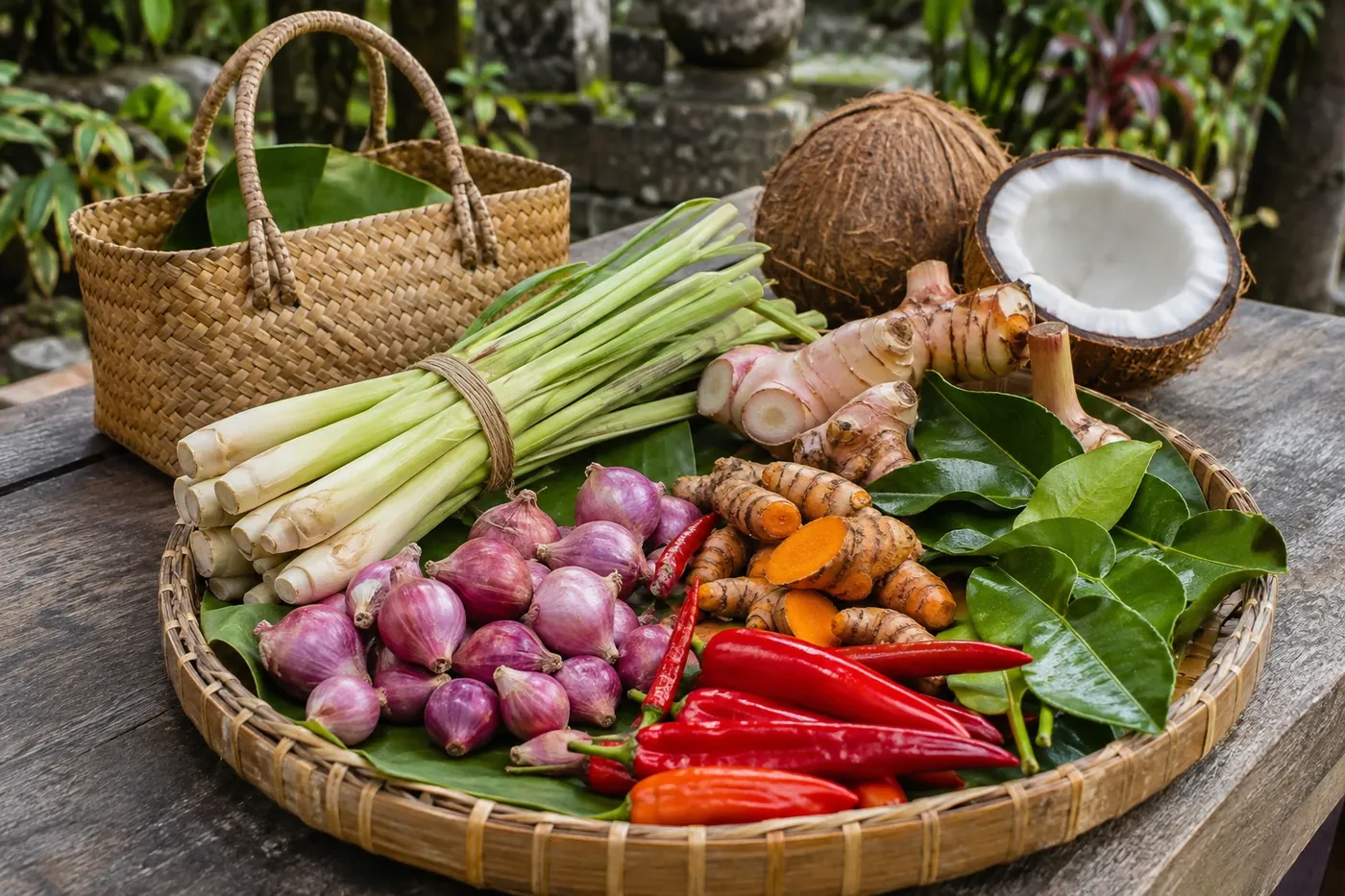
Casa Luna’s market-and-cooking format links an Ubud market visit with preparation and a shared meal. It can suit visitors interested in how spices and produce become a complete menu, rather than learning one isolated recipe. Check the current scheduled day and confirm which meeting point applies. Ask what the group will cook and how dietary needs are handled. Keep time to listen to the market explanation and the kitchen techniques. A recipe booklet is more useful when you understand substitutions you may need once back home.
4. Casa Luna plant-based programme
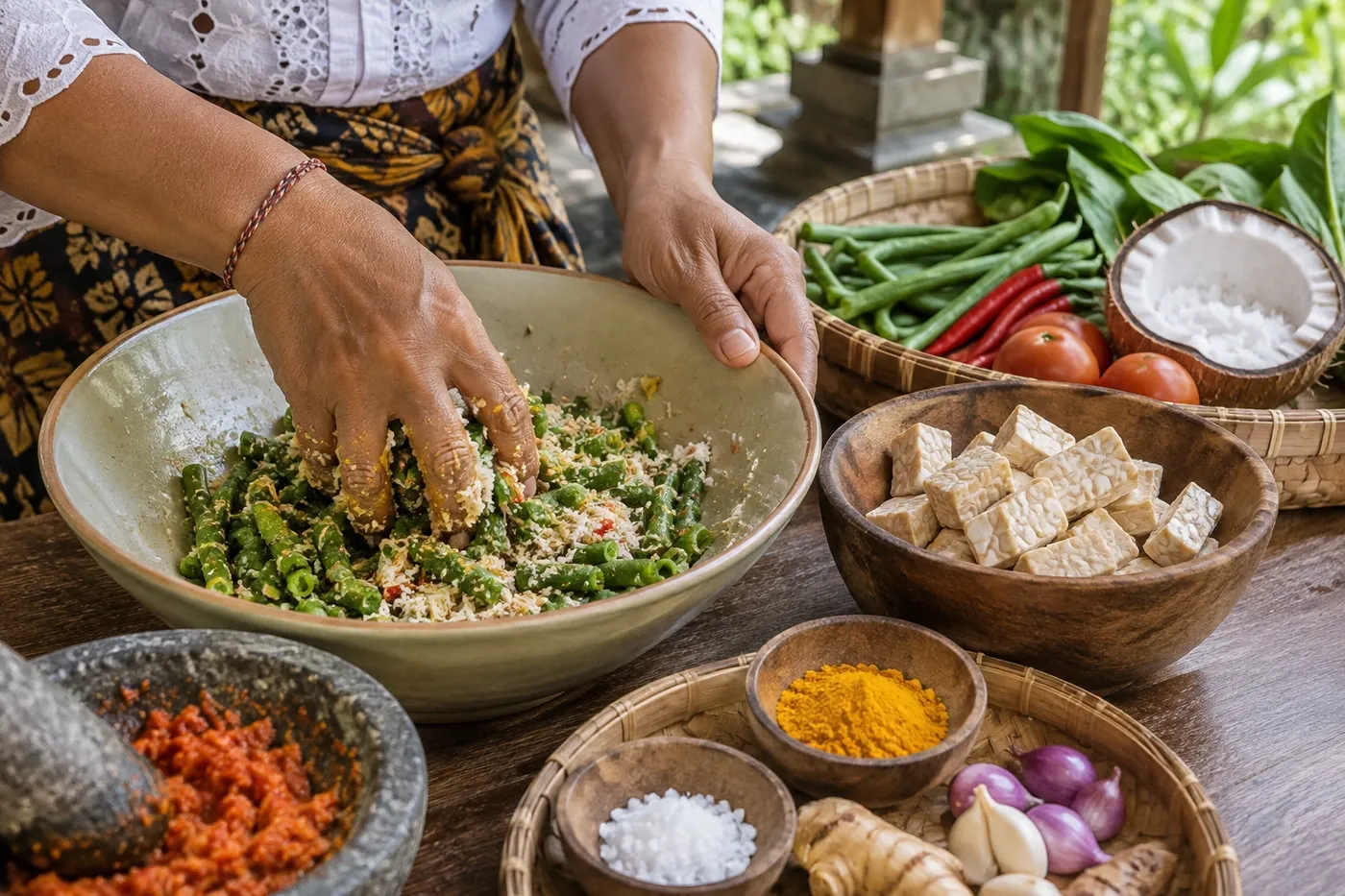
Casa Luna offers a plant-based cooking programme to compare when you want vegetables, legumes and local flavours at the centre of the session. Read the actual menu and discuss allergies separately from a general vegetarian preference. Plant-based food is not automatically free of nuts, soy, gluten or other allergens. Ask how the class handles shared preparation areas and ingredient changes. The format provides an opportunity to learn spice preparation and balance without depending on a meat-based dish. Confirm the current day, location and whether transfers are included or need separate arrangement.
5. Casa Luna private class
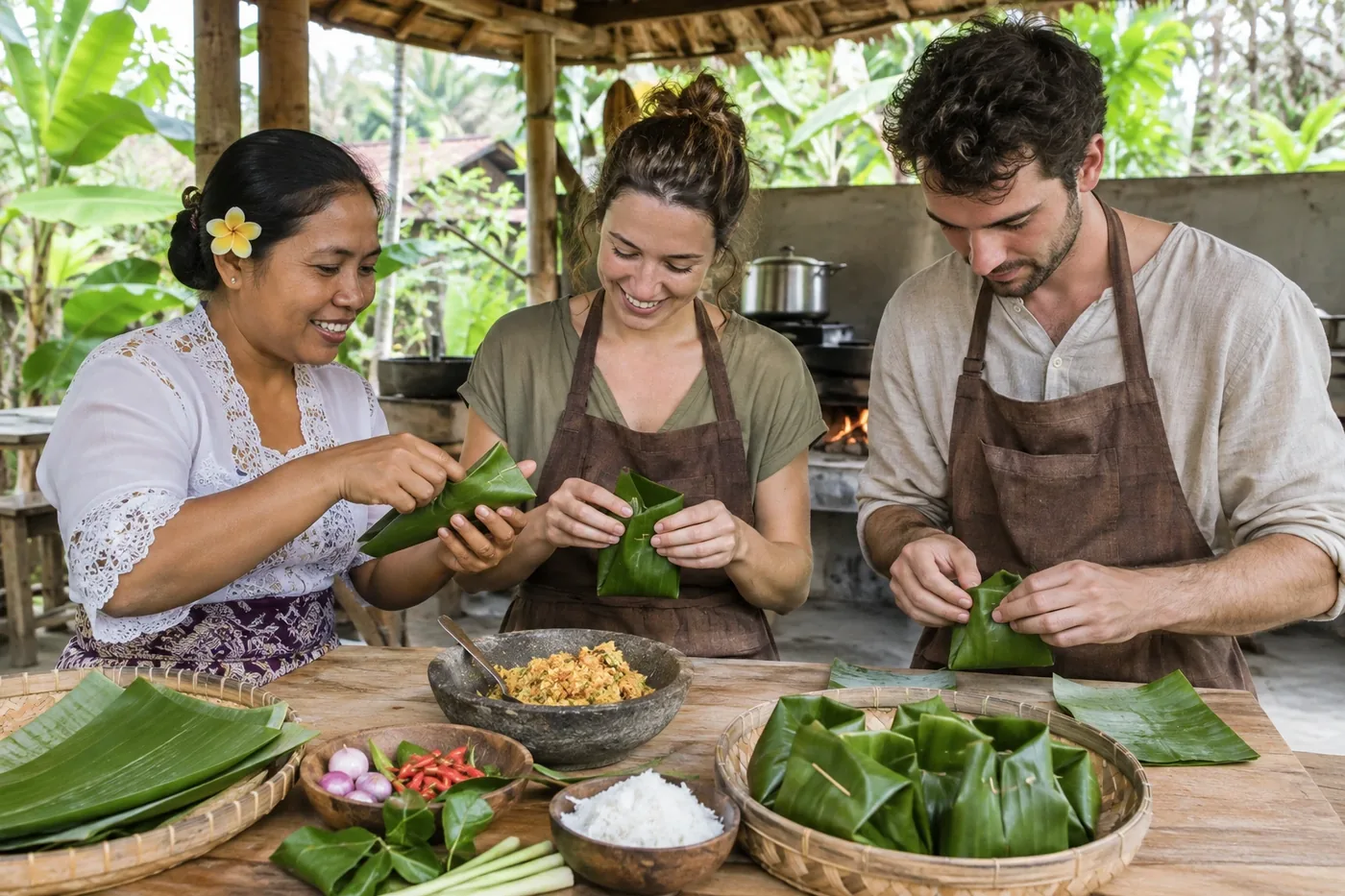
A private Casa Luna class can make sense for a small group with specific interests, a family or travellers who want a tailored pace. Agree the proposed menu and the amount of practical participation before comparing the cost with a scheduled group session. Clarify the minimum charge and whether a market visit or transfer is part of the arrangement. A private format does not remove kitchen limitations, so discuss children, mobility requirements and allergies in advance. Leave room to enjoy the meal rather than treating the experience only as a rapid lesson.
6. Paon Escape morning farm class
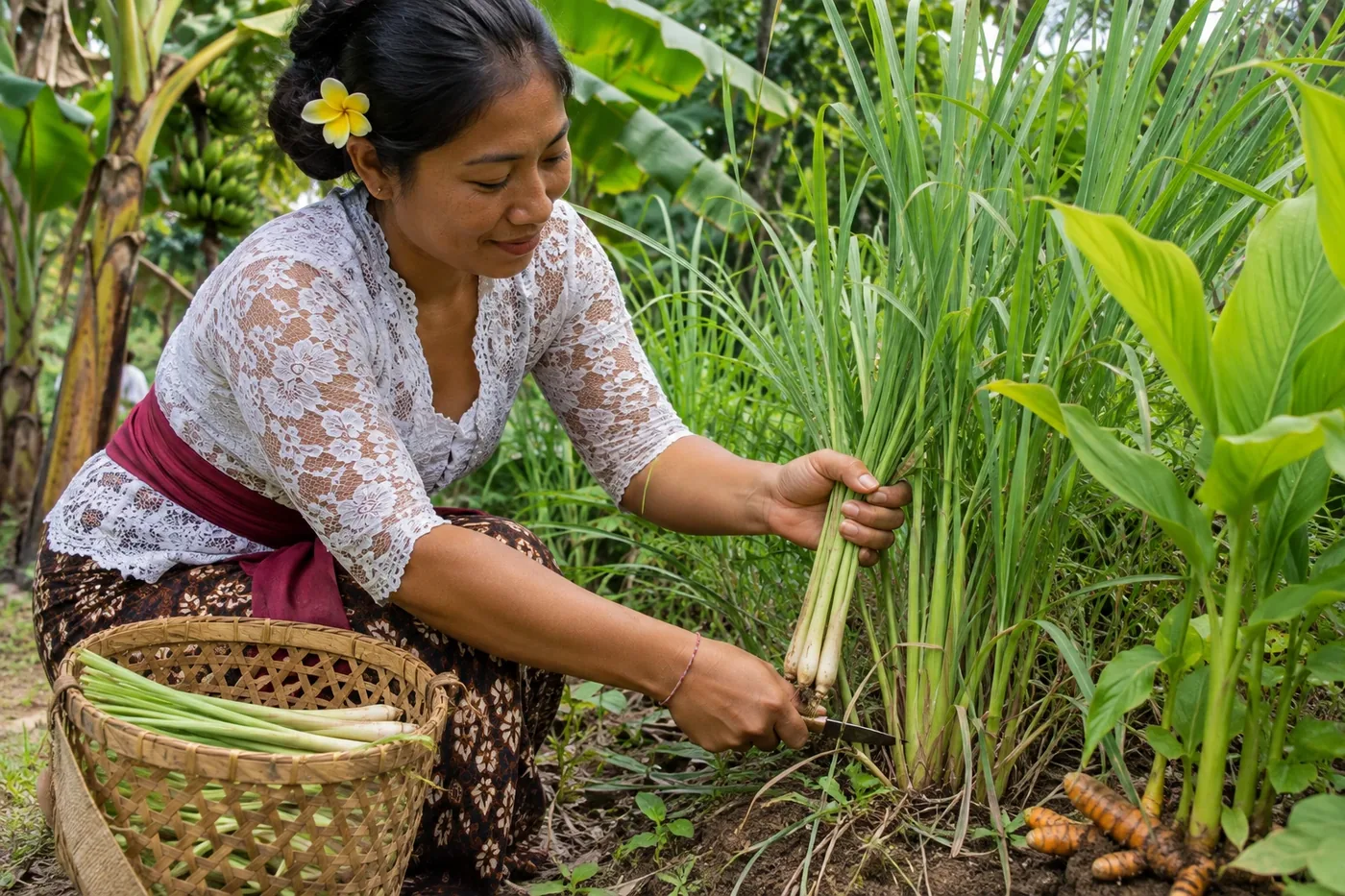
Paon Escape’s morning farm-oriented programme combines a market visit with ingredients and cooking in a garden setting. The countryside location changes the practical day compared with a central-Ubud kitchen. Confirm the actual pickup point, transfer time and footwear needed for the outdoor portions. Ask which ingredients are harvested and what happens if rain changes the route. The interest lies in the relationship between growing and cooking, not a promise that every item on the menu came from the same plot. Discuss the regular or vegan menu when reserving.
7. Paon Escape later-day class
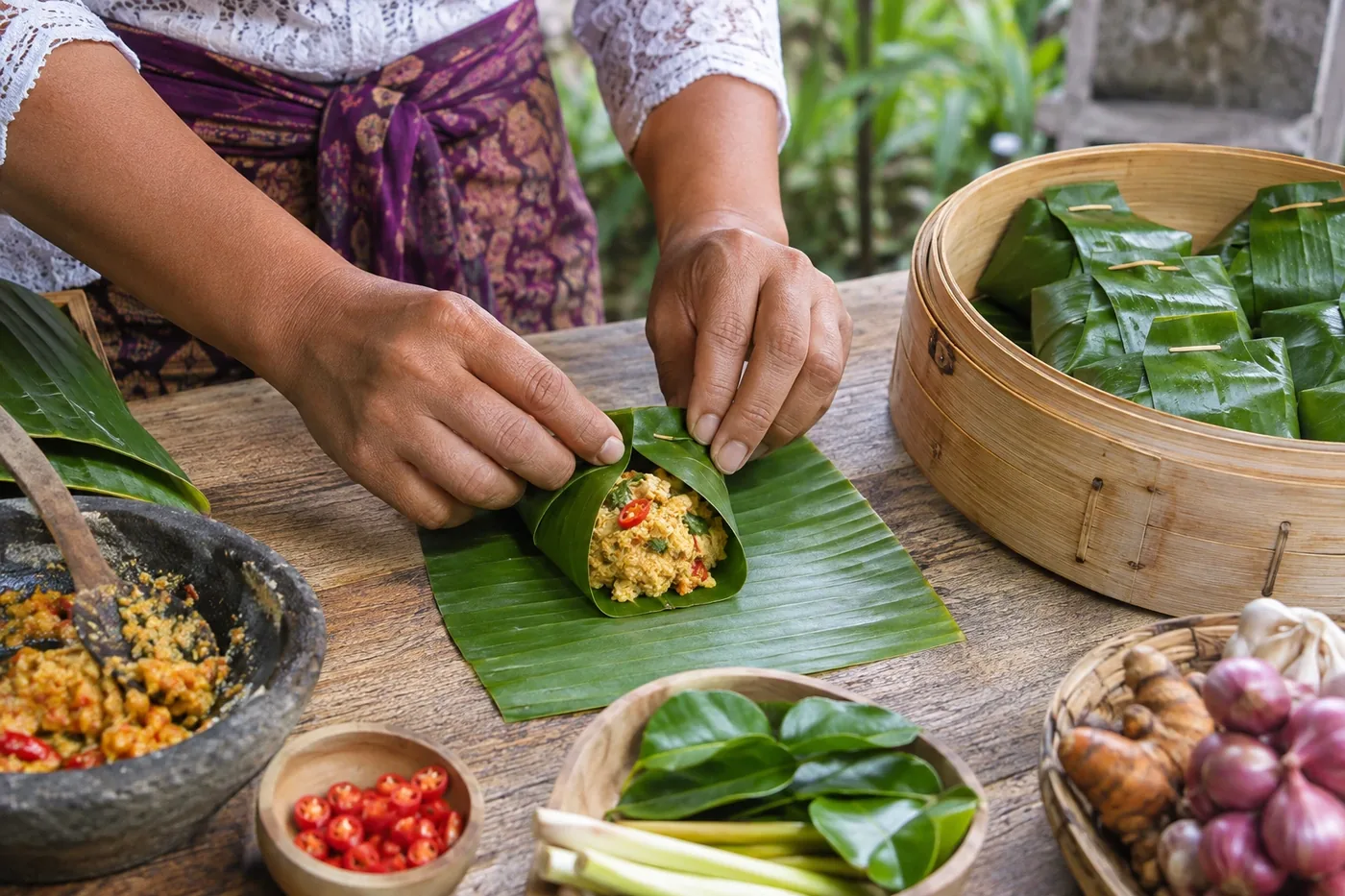
A later Paon Escape class can suit travellers who want the farm-and-cooking format without the early market start. Compare its advertised inclusions carefully with the morning programme. Ask about garden access, kitchen participation and the finishing time before booking transport or dinner elsewhere. The meal produced during class may already be substantial enough to replace another restaurant booking. Explain dietary needs ahead of time and bring footwear appropriate to the outdoor approach. Keep the return journey planned, particularly if the session finishes after dark in a rural location.
8. Pemulan Bali Farm morning class
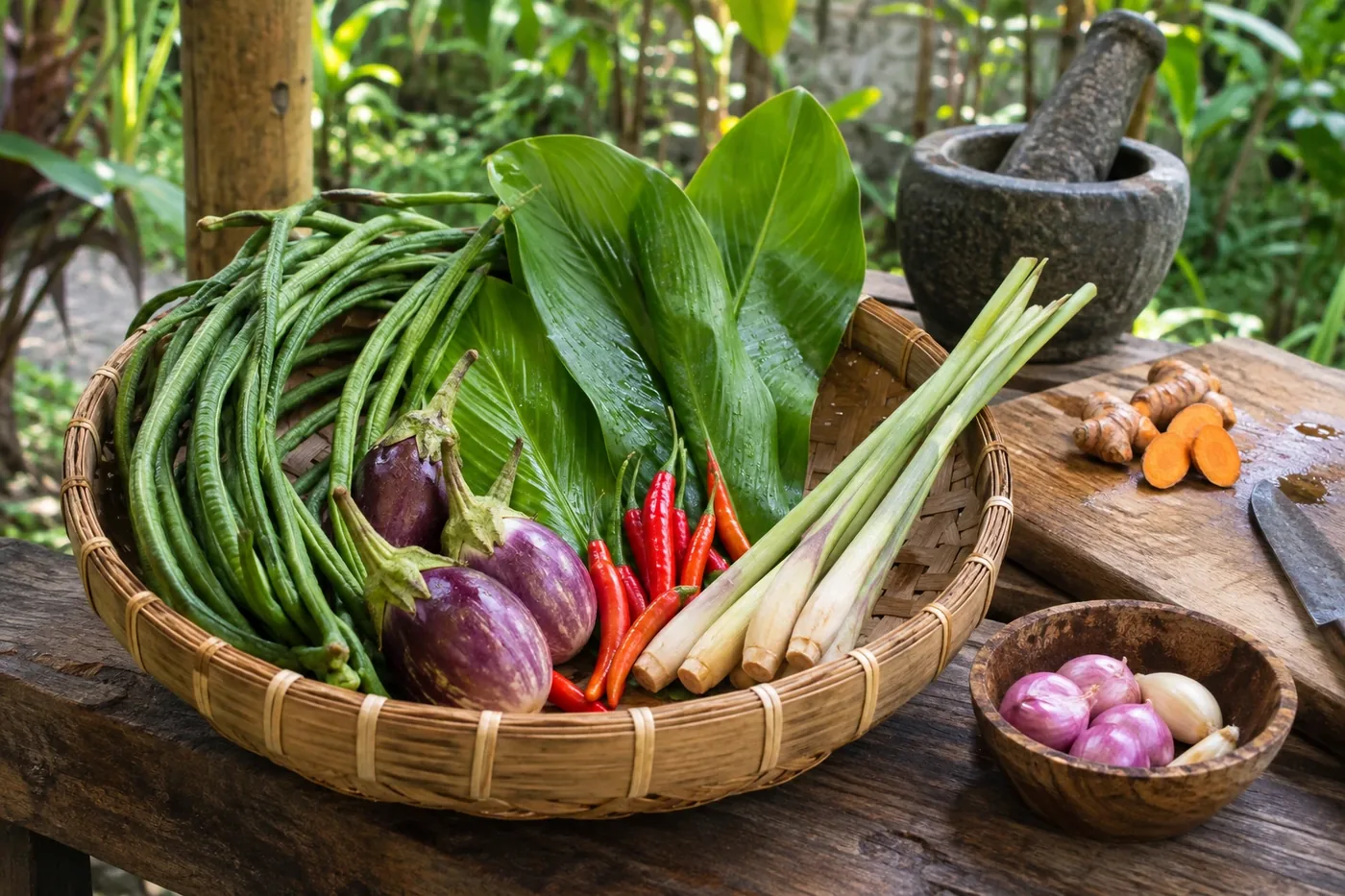
Pemulan Bali Farm’s morning class combines a market element with farm and kitchen activities in the Taro area north of Ubud. The school’s location means that a free shuttle or an Ubud label does not make the farm a short walk from the town centre. Confirm the current meeting point and total day length. Ask about harvesting, the proposed menu and the amount of hands-on work. Keep the farm walk modest in wet conditions and explain dietary requirements at booking. The complete experience should be planned as a dedicated outing.
9. Pemulan Bali Farm advanced class
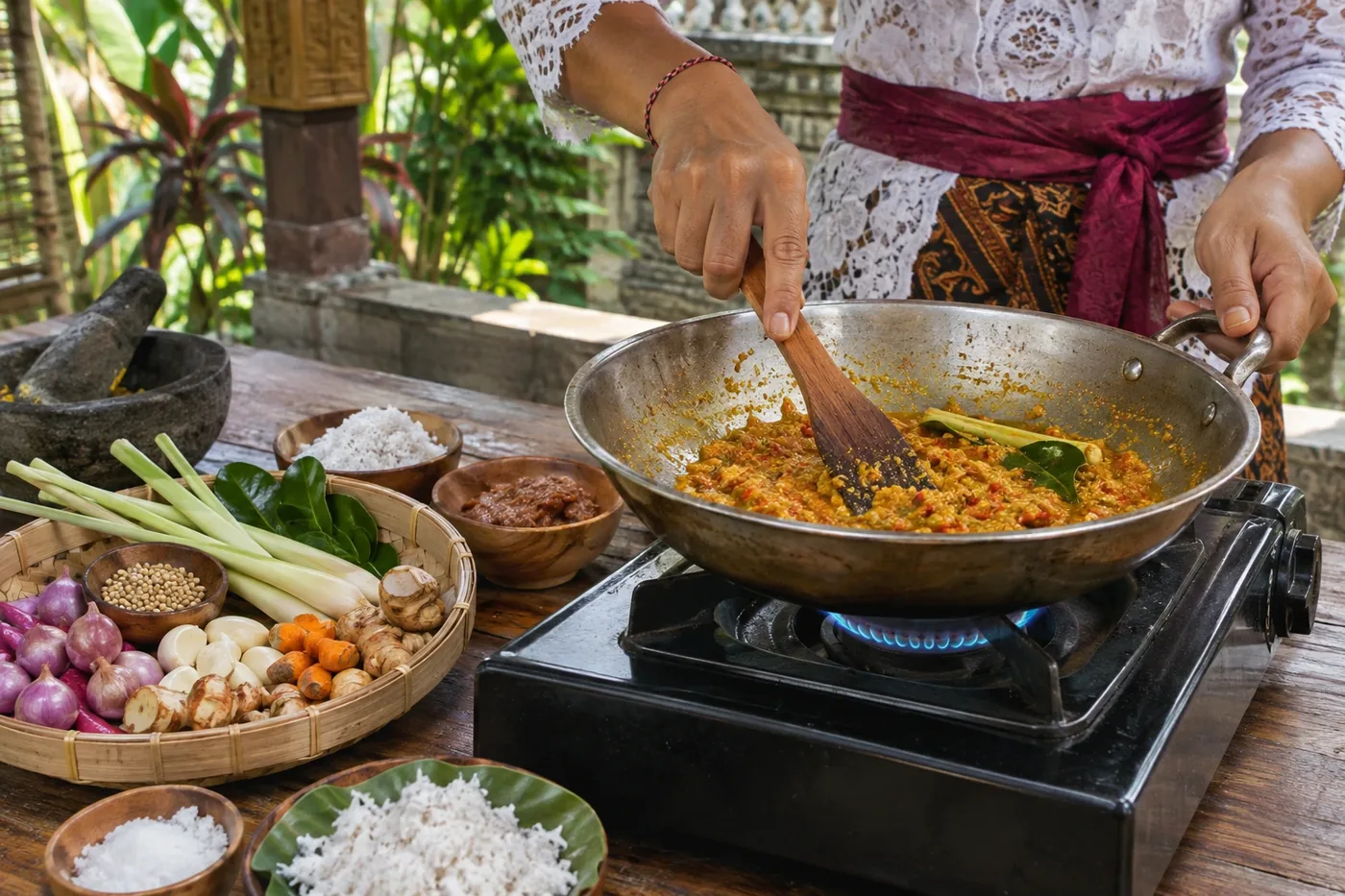
Pemulan’s advanced programme is a comparison for travellers who want more detail than a broad introductory class. Ask what advanced means in the current session: recipe range, technique, pace and prior experience may matter more than the label. Confirm any minimum group requirement and the total transfer-and-class duration. Choose this because the actual menu interests you rather than assuming more dishes always create better learning. Discuss whether ingredients can be found at home and which substitutions preserve the purpose of the recipe. Leave a clear return plan after the shared meal.
10. Bumbu Bali spice-focused class
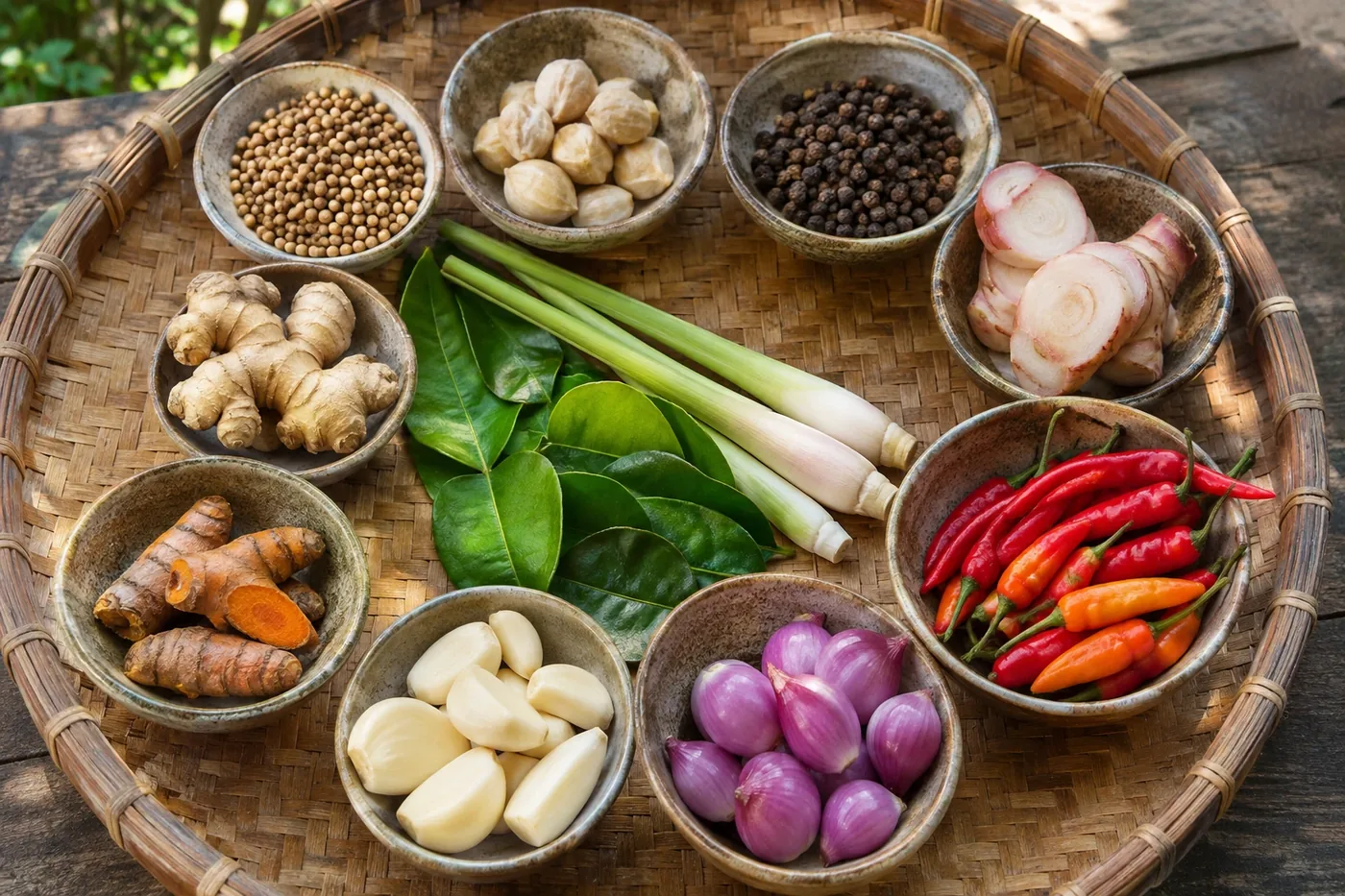
Bumbu Bali’s cooking classes provide a southern-Bali option focused on ingredients, spice blending and preparation techniques. Confirm which venue is hosting the session, because the operator lists more than one address and programme. This can be a more coherent choice for a Nusa Dua or Tanjung Benoa base than a long drive to an Ubud-area school. Ask about the menu, hands-on participation, class size and whether a market visit is included. Read the booking terms directly and allow enough time for the complete session and meal without an immediate airport deadline.
Season and planning
Conditions vary across Bali, and a calendar season does not guarantee a particular experience. Allow flexible time during wetter periods, particularly for outdoor approaches and road transfers. Check current local weather and the host’s arrangements close to your visit. Religious holidays and ceremonies can change access independently of the forecast.
Choose a class by its actual format, location and menu. Confirm the final meeting point, pickup area, return time and whether ingredients, meal and recipes are included. Explain allergies and dietary requirements in writing before booking. Ask about child participation, kitchen access and group size where relevant. Market and farm sections need appropriate footwear, and a private lesson may have a minimum charge.
Related Bali guides

Ubud
Explore Ubud with ten local experiences, realistic itineraries, transport advice and seasonal planning for a Bali stay.

Nusa Dua
Explore Nusa Dua with ten local experiences, realistic itineraries, transport advice and seasonal planning for a Bali stay.

Tegallalang
Explore Tegallalang with ten practical experiences, seasonal advice, transport planning and realistic one-to-three-day itineraries.
Balinese Food
Balinese food is a good reason to slow down and ask what is on the plate.
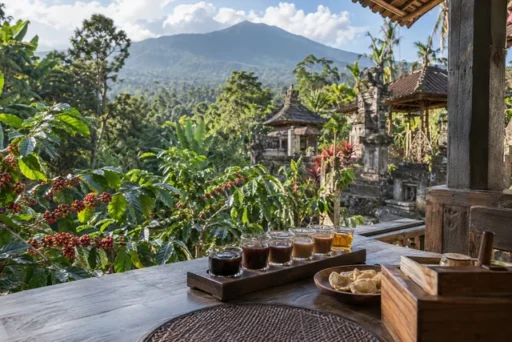
Coffee and Farm Visits
Coffee and farm visits can reveal more than a tasting tray beside a souvenir shop.

Balinese Cultural Experiences
Balinese culture is lived in homes, temples, fields, workshops and performance spaces.
Questions and answers
Does every class include a market visit?
No. Morning and later sessions often differ. Read the programme for the exact slot and confirm whether market, garden and transfer components are included.
Can classes accommodate dietary requirements?
Many advertise options, but allergies and cross-contact need a separate discussion. Explain requirements before paying and ask about ingredients and shared preparation areas.
How long should I allow for a class?
Use the full pickup-to-return schedule rather than kitchen time alone. Rural schools can require a substantial drive from an Ubud meeting point or another resort area.
Is a private class better than a group class?
It depends on your interests. Private sessions can offer a tailored pace but may have minimum charges. Group classes can be sociable; ask how much hands-on participation each guest gets.
Sources and further reading
Use the responsible authority or provider for current access, availability and booking details.