10 Rice-Field Landscapes in Bali Beyond a Photo Stop
Written 26 October 2026 · BaliTop10
Rice fields in Bali are productive landscapes, shaped by farming, water management and community life. A useful visit makes space to understand those relationships rather than treating every terrace as a public photography platform. Some locations have established visitor paths and facilities; others need permission and local guidance. Green fields are not guaranteed throughout the year because planting and harvesting cycles differ between areas. This selection compares ten places to consider within a sensible route. It does not imply that every rice field belongs to the UNESCO property, or that visitors may enter any bund or irrigation channel. Stay on permitted paths and let working farmers have priority.
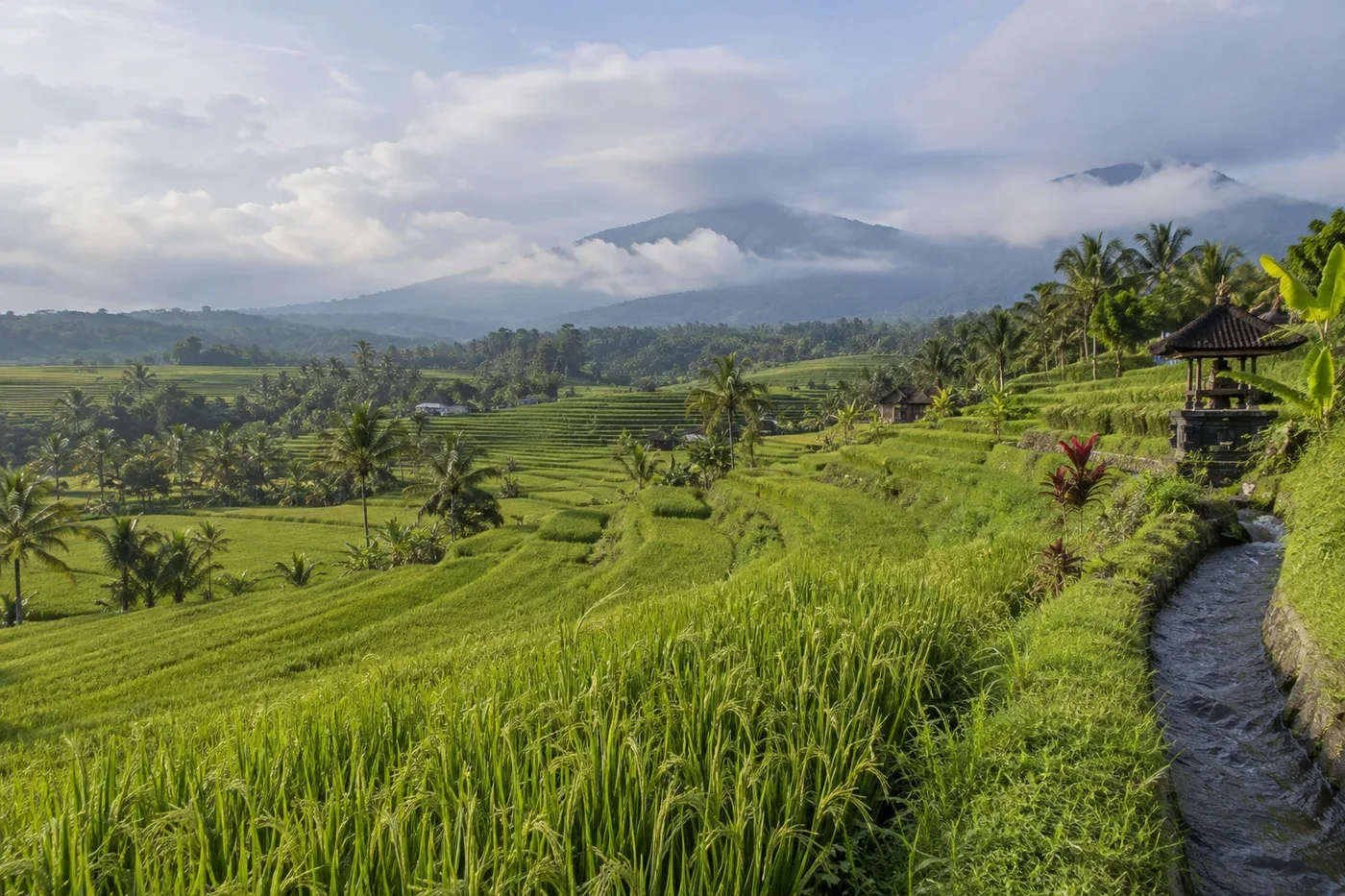
1. Jatiluwih
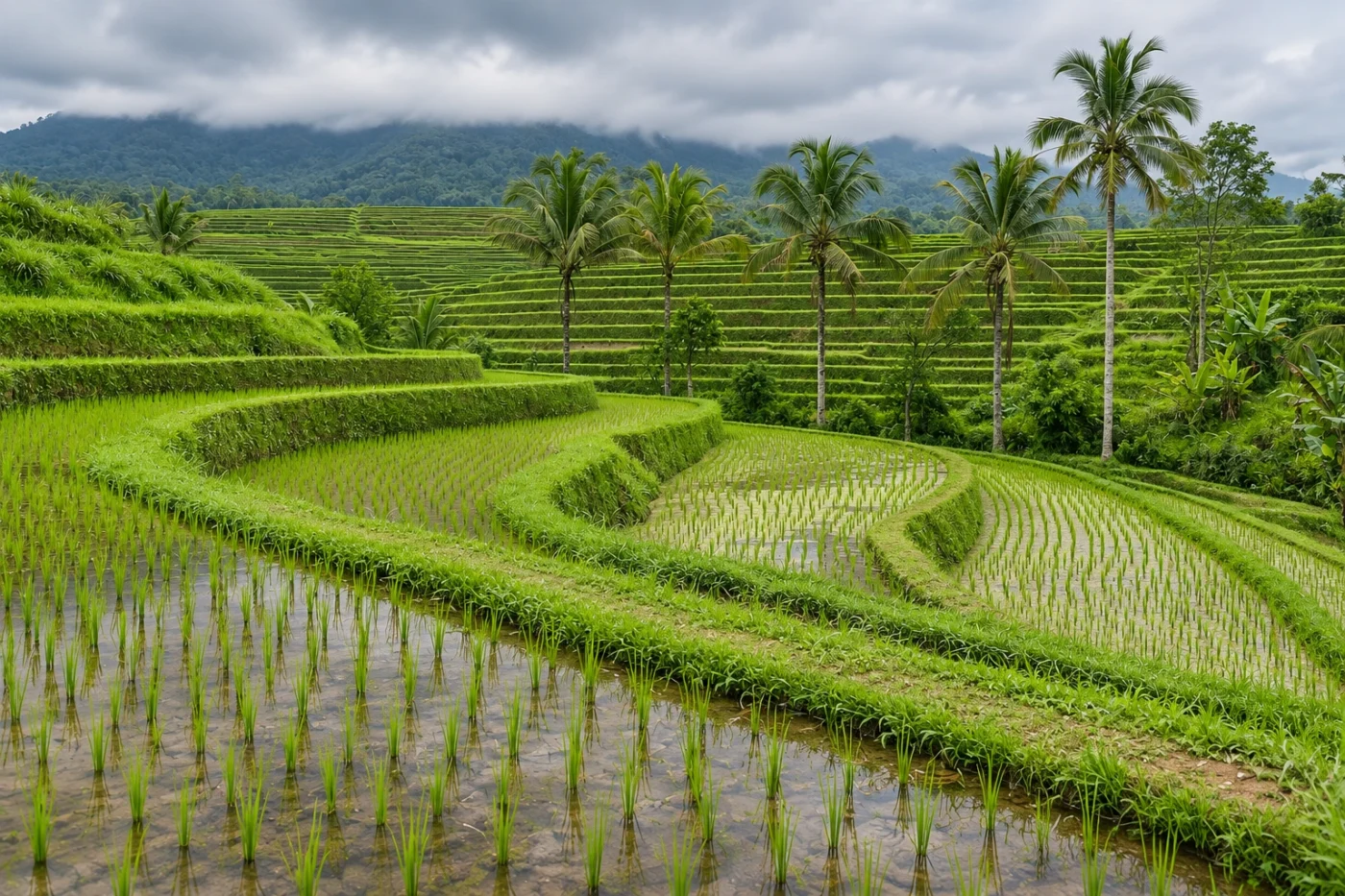
Jatiluwih offers a broad rice-growing landscape on the slopes of the Batukaru region and is part of the UNESCO-recognised subak cultural landscape. Its scale rewards a walk on the designated visitor routes rather than a single roadside picture. Different circuits and weather conditions call for different amounts of time, so choose a route that fits your group. Ask at the official visitor point which paths are suitable that day. Leave time for interpretation, a meal and changing views rather than pairing the visit with several distant attractions that turn the landscape into a rushed checkpoint.
2. Tegallalang
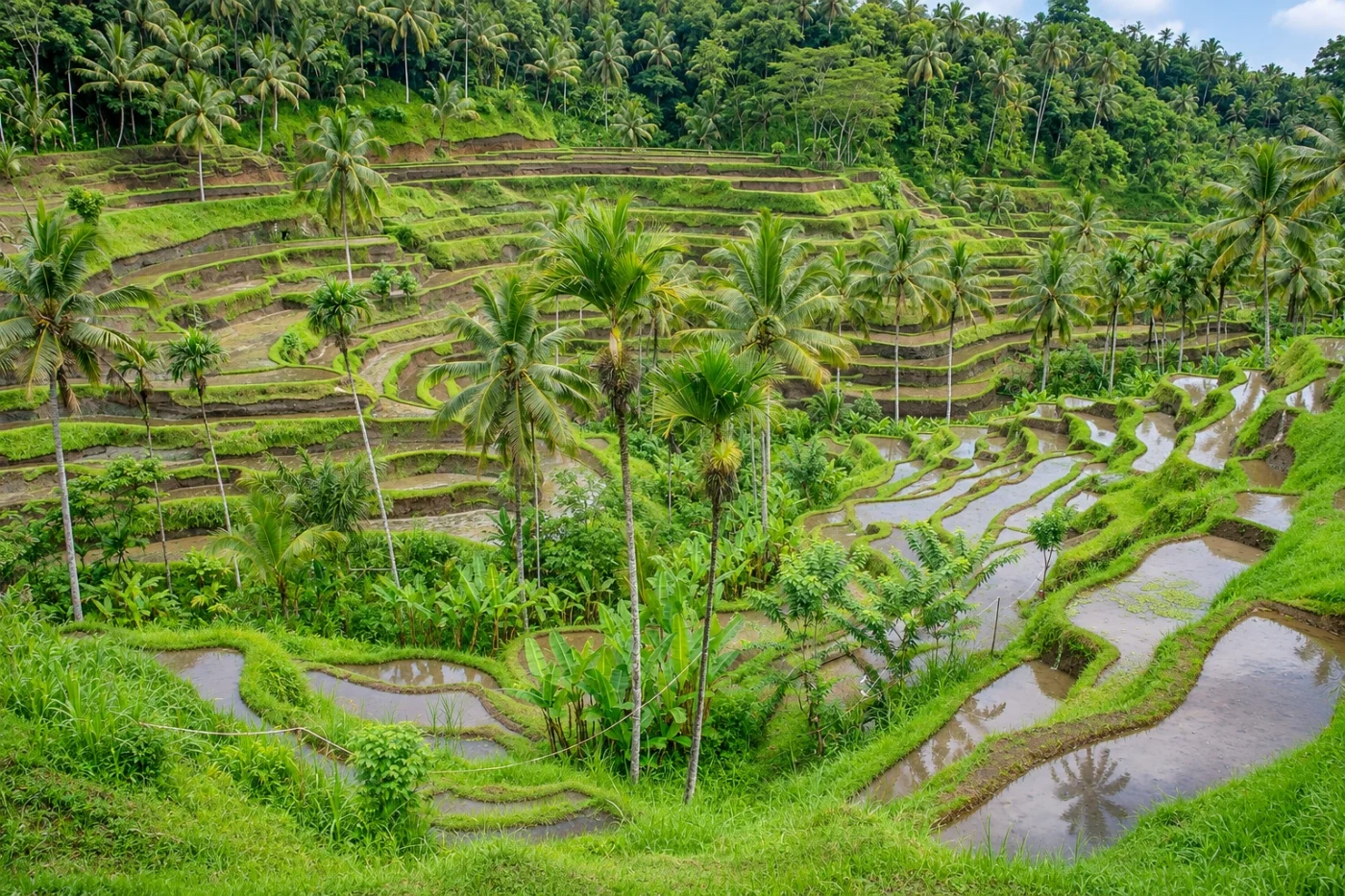
The Tegallalang area north of Ubud is associated with steeply layered terraces and a developed tourism setting. Cafés, swings and other commercial attractions are not the same product as a rice-field walk. Establish which entrance and path you intend to use, what any ticket covers and whether the route involves steps or steep surfaces. Visit for the terraces and local context rather than assuming every photographed platform is included. Ask permission before entering working plots, keep clear of irrigation channels and avoid promising an uninterrupted green view regardless of the planting cycle.
3. Sidemen Valley
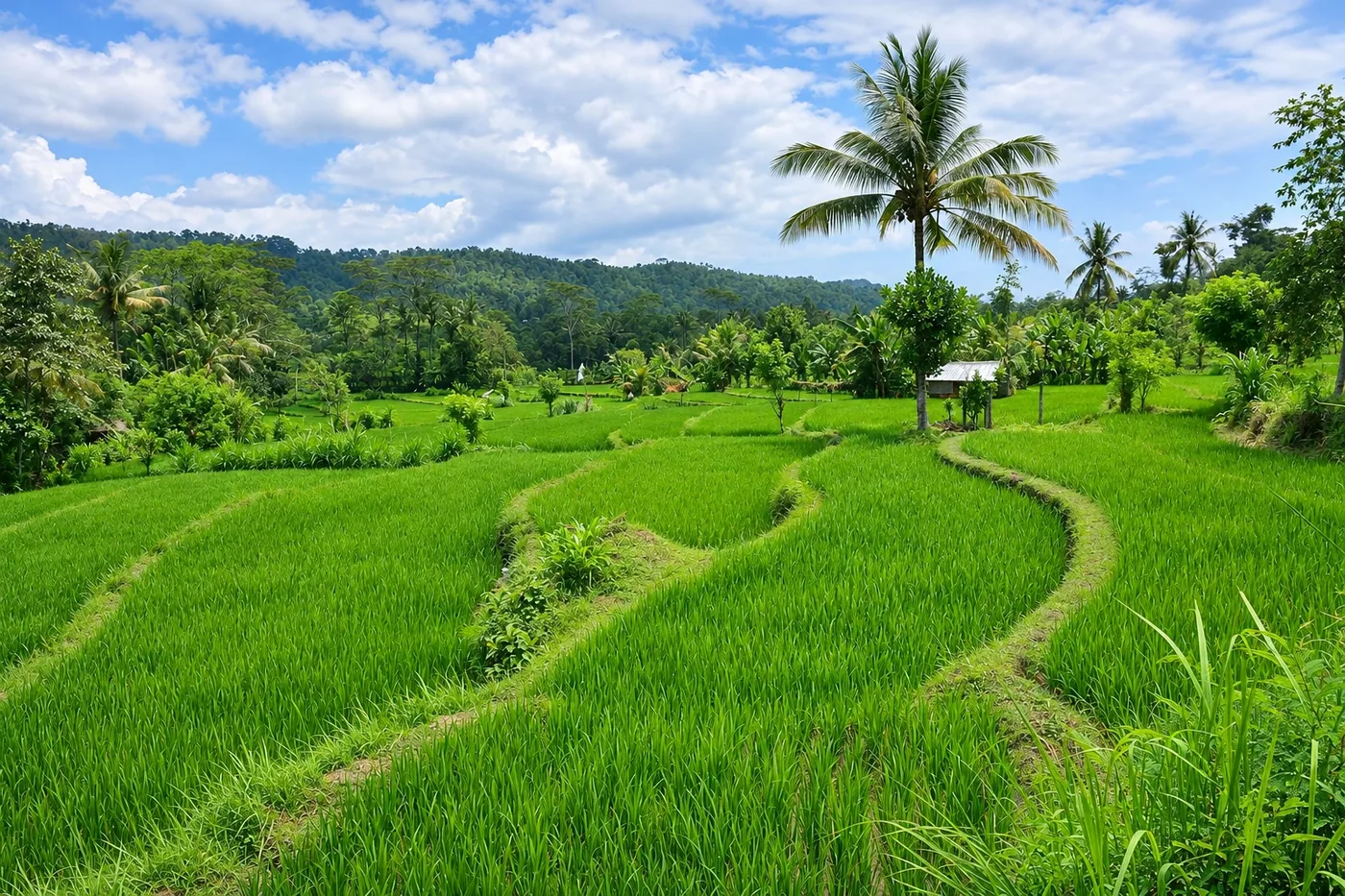
Sidemen’s agricultural scenery is best understood through a local walk that connects fields, villages and the wider valley. Paths often serve farmers rather than a dedicated sightseeing circuit, so a knowledgeable guide can identify appropriate access and explain crops. The experience suits a slower east-Bali stay more naturally than a brief detour from a southern beach day. Choose a route based on conditions and your fitness, and clarify whether transport back is required. Mount Agung may be hidden by cloud; the farming landscape and village interpretation should remain the reason to go, not a guaranteed mountain backdrop.
4. Pejeng countryside
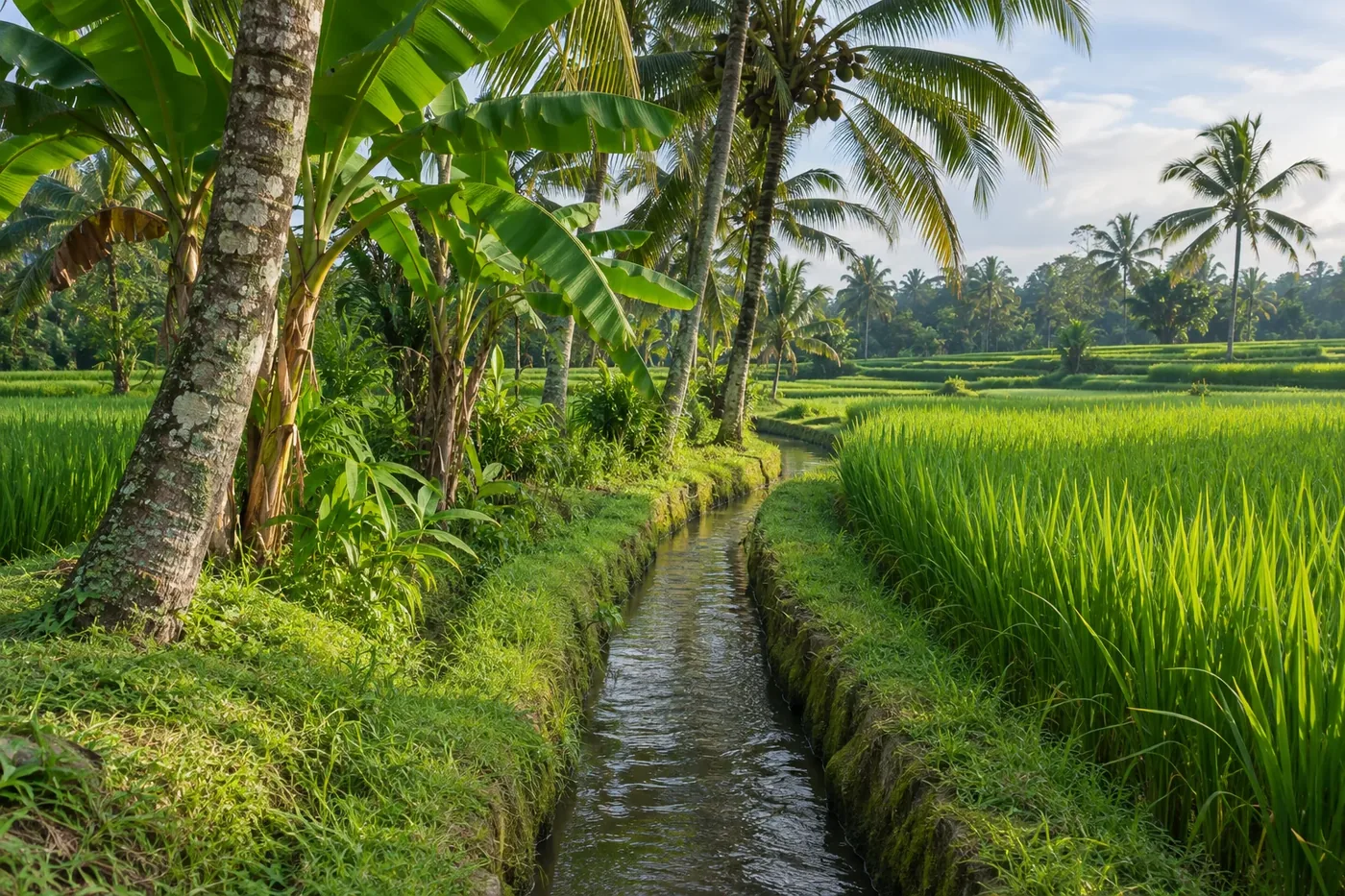
Pejeng and the countryside east of Ubud offer opportunities to consider rice growing alongside village and archaeological visits. The attraction is the relationship between everyday agricultural land and a broader cultural landscape, not a promise of an empty tourist trail. Road edges, field paths and private access routes need to be distinguished. Arrange a local guided walk or use clearly permitted paths rather than following an unverified social-media pin through someone’s land. Keep the route short enough to enjoy the details, then pair it with one nearby museum or heritage stop.
5. Kajeng and northern Ubud paths
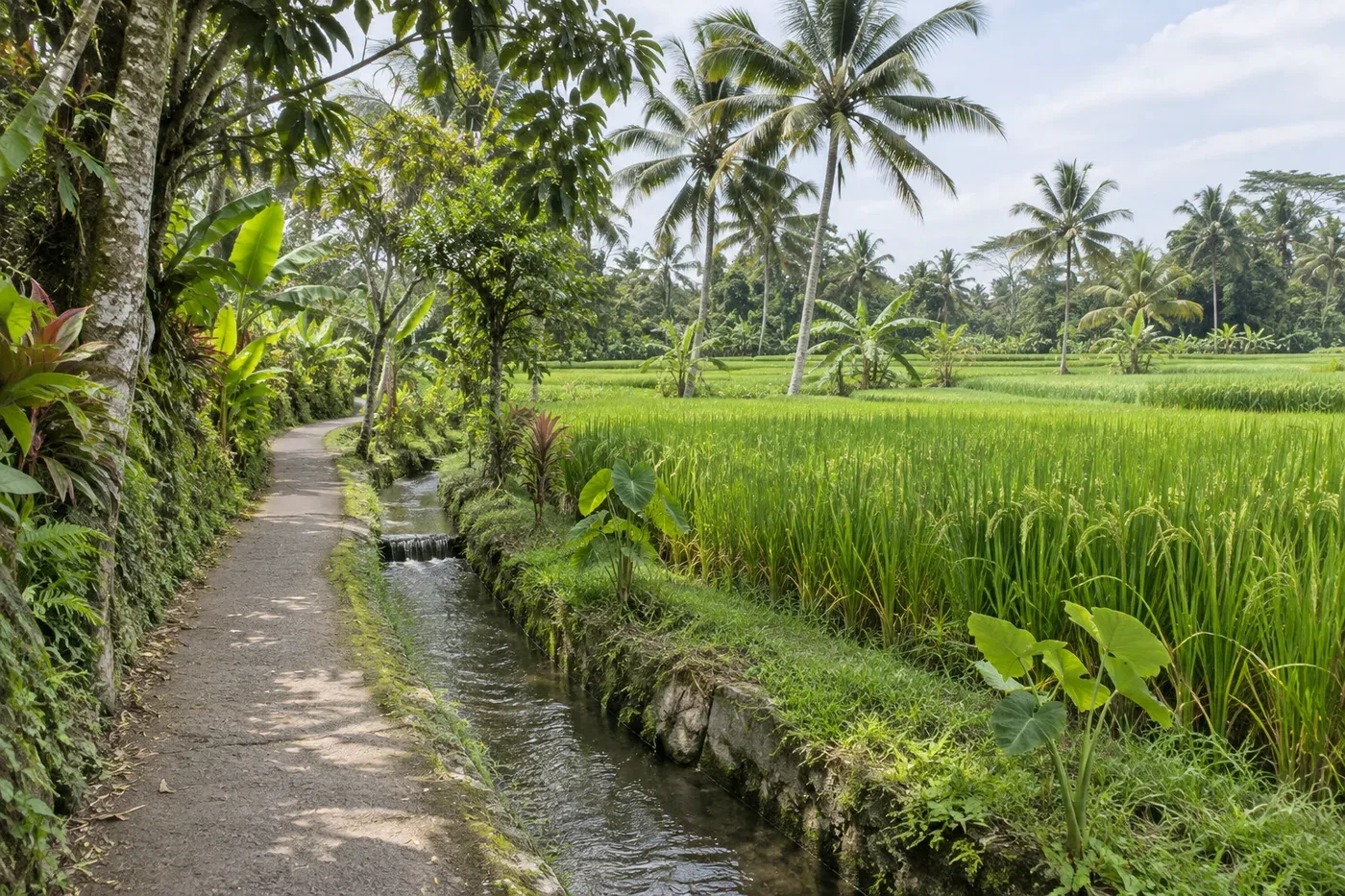
The agricultural paths reached from the northern side of central Ubud can provide a transition from busy streets towards a greener working landscape. Development, cafés and accommodation also form part of the area, so this is not a wilderness walk. Footpaths and lane connections can change, and not every branch is a through route. Ask your accommodation for a current, legal walking route and an easy way back. Begin in cooler conditions, carry water and let narrow paths remain passable for residents, farm workers and others using them for ordinary daily travel.
6. Sayan and western Ubud countryside
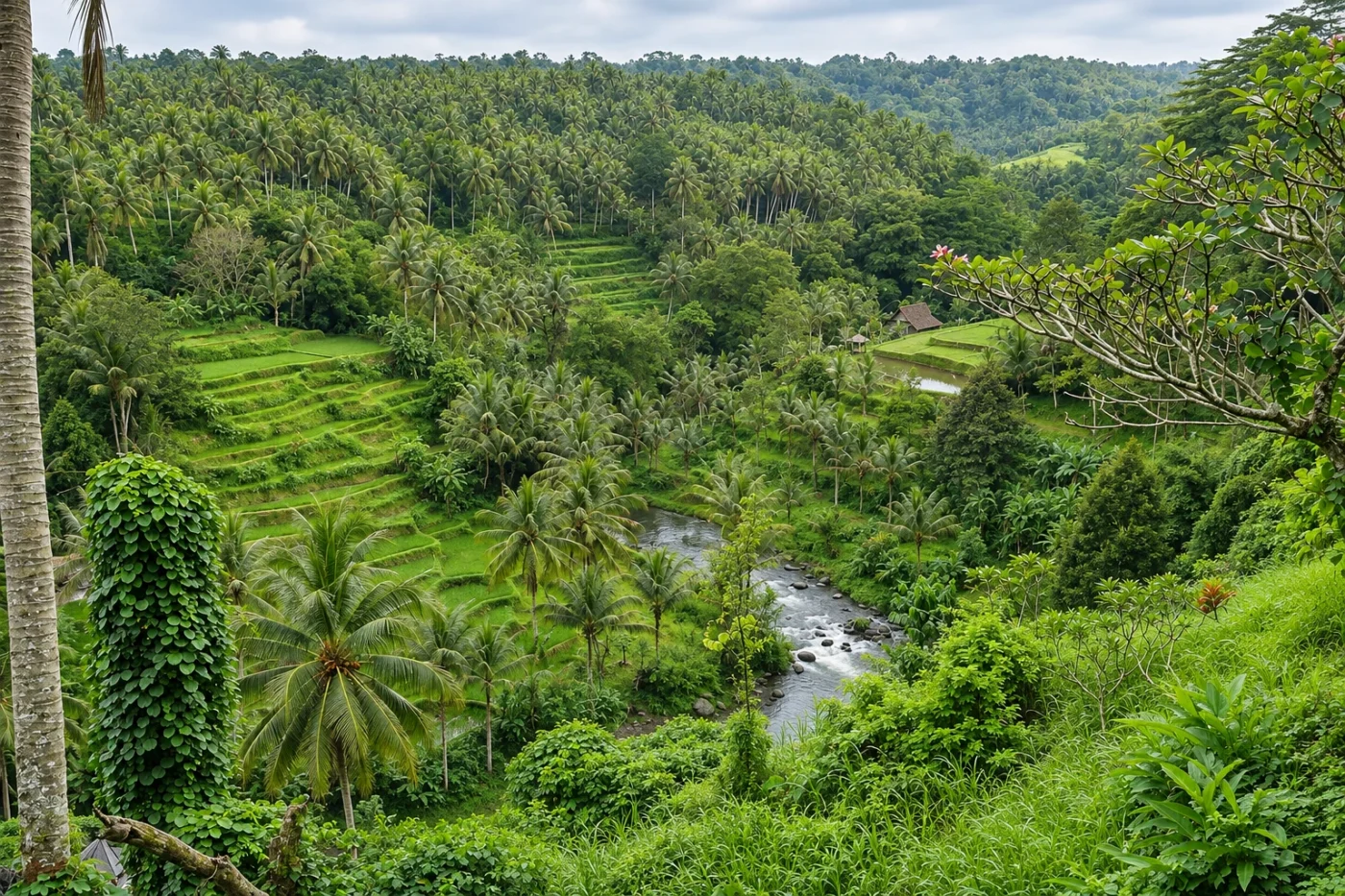
Sayan is associated with a valley landscape west of central Ubud, with agricultural scenery, villages and river views appearing in different combinations. Some celebrated views belong to hotel or restaurant properties rather than open public terraces. Choose a hosted visit, a booked meal or a permitted local walk according to the access you actually have. Do not assume a resort’s online photograph identifies a public viewpoint. Confirm the entrance and any booking conditions, and use a local guide when the route includes small village paths whose ownership or continuity is unclear.
7. Sesandan in Tabanan
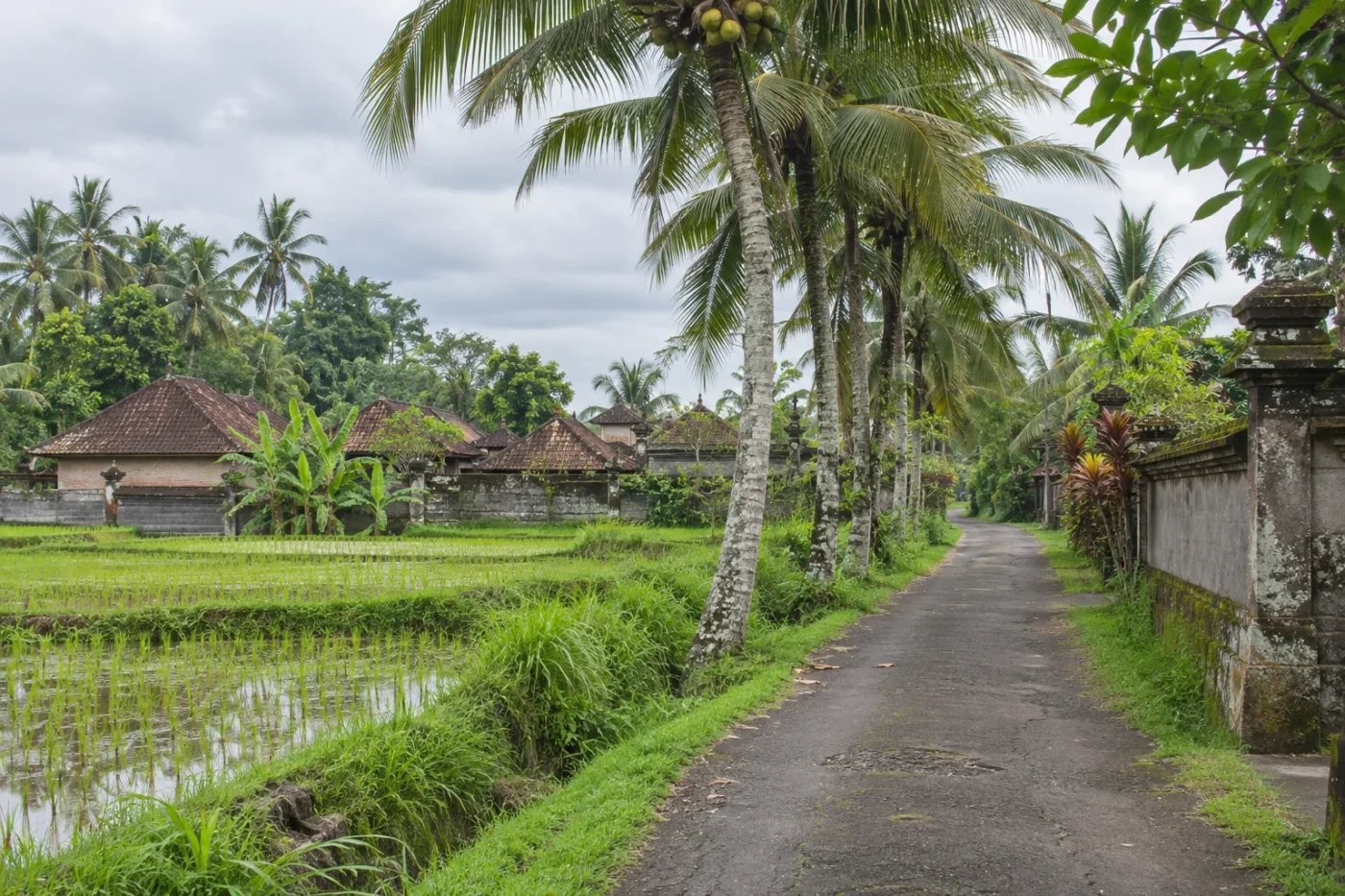
Sesandan offers an alternative Tabanan agricultural setting for travellers interested in a quieter village-based visit. Its appeal is less about completing one iconic photo angle and more about spending time in rice-growing countryside. A quieter location still has working land, residents and access requirements; fewer tourists do not create unrestricted permission. Contact a local host or guide for an appropriate route and ask about the current state of the fields. Combine the outing with another nearby Tabanan stop rather than adding a long cross-island transfer solely to claim an undiscovered place.
8. Belimbing countryside
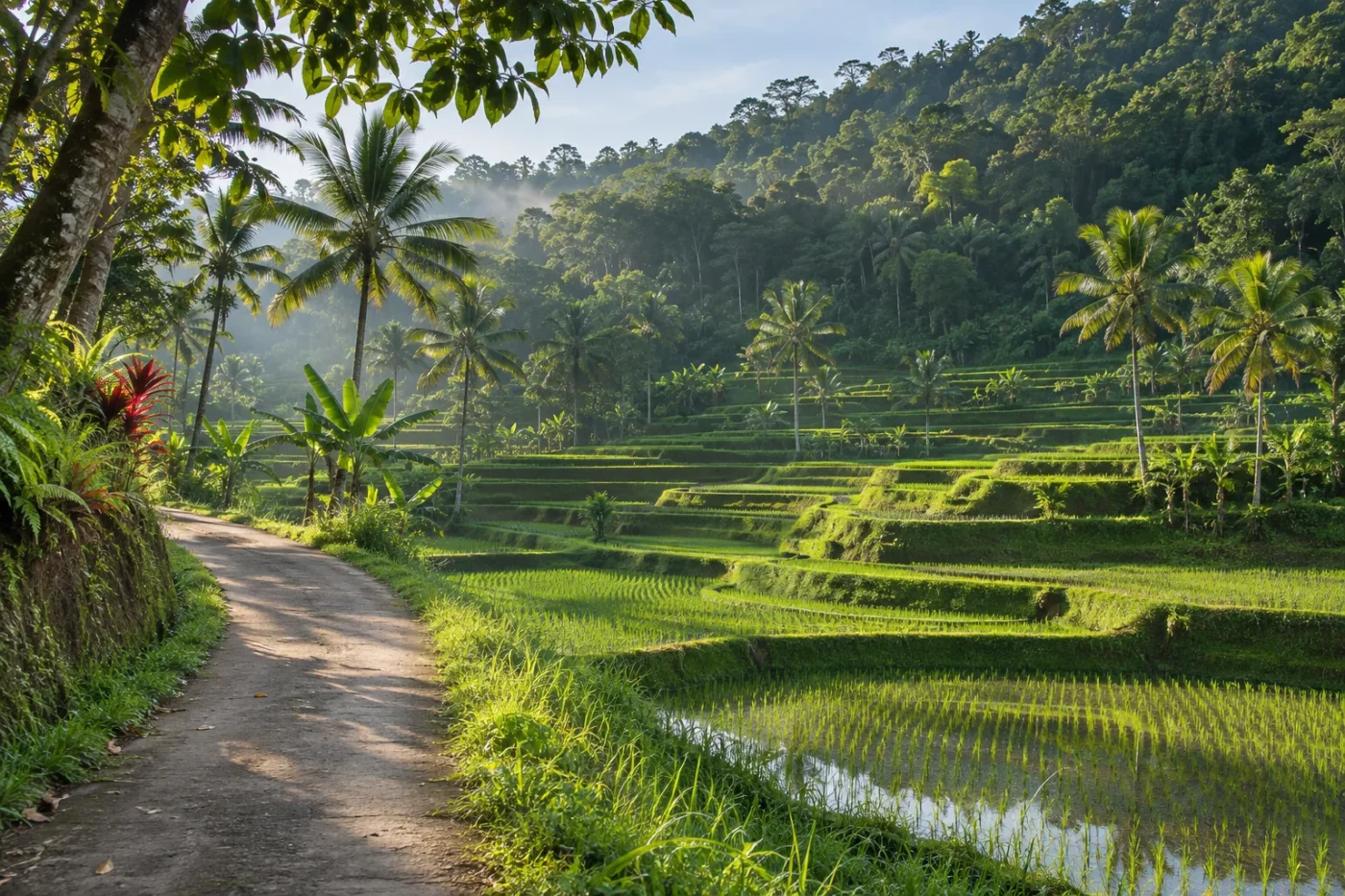
Belimbing in western Bali is associated with rice landscapes and village scenery that can fit a slower inland journey. The area is better approached with a chosen accommodation base or local host than with an assumption that every green valley has a marked tourist trail. Small roads, weather and agricultural work shape the day. Ask where visitors can walk without disturbing crops and clarify whether the route returns to its starting point. Choose one substantial countryside outing with a rest afterwards rather than driving between several valley viewpoints in the hottest part of the day.
9. Pupuan agricultural landscapes
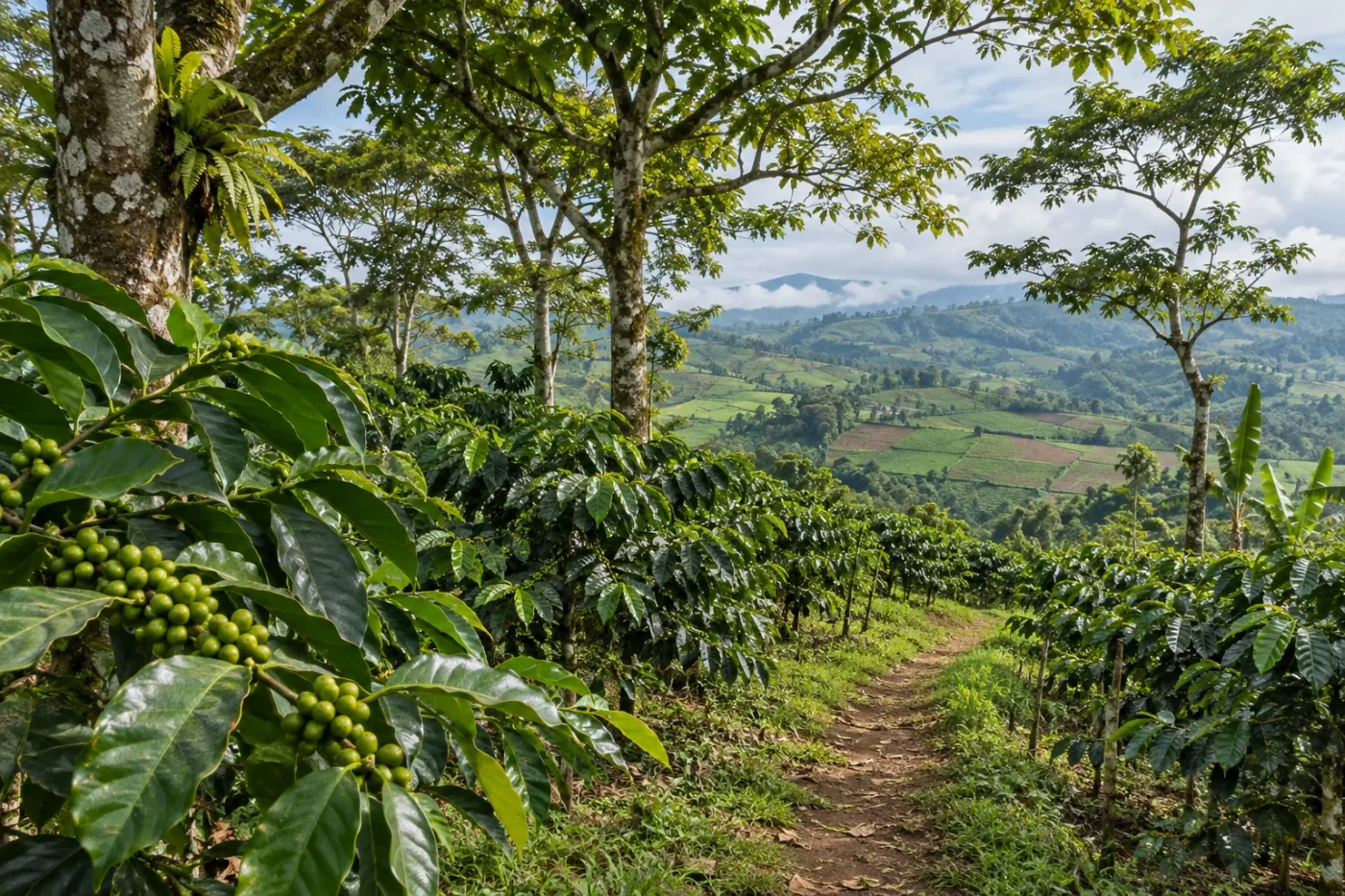
The Pupuan region offers a broader western-Bali farming landscape, where rice, plantations and villages can appear within the same journey. It suits travellers willing to spend time on the less direct inland roads rather than expecting a short extension of a Canggu beach afternoon. Individual terraces remain working plots with varied access. Use an agreed stop or guided route, not a sudden roadside halt on a narrow bend. Ask about crops and water management, and let the route respond to current farming conditions instead of searching only for the bright-green stage seen in advertising.
10. Munduk and the northern highlands
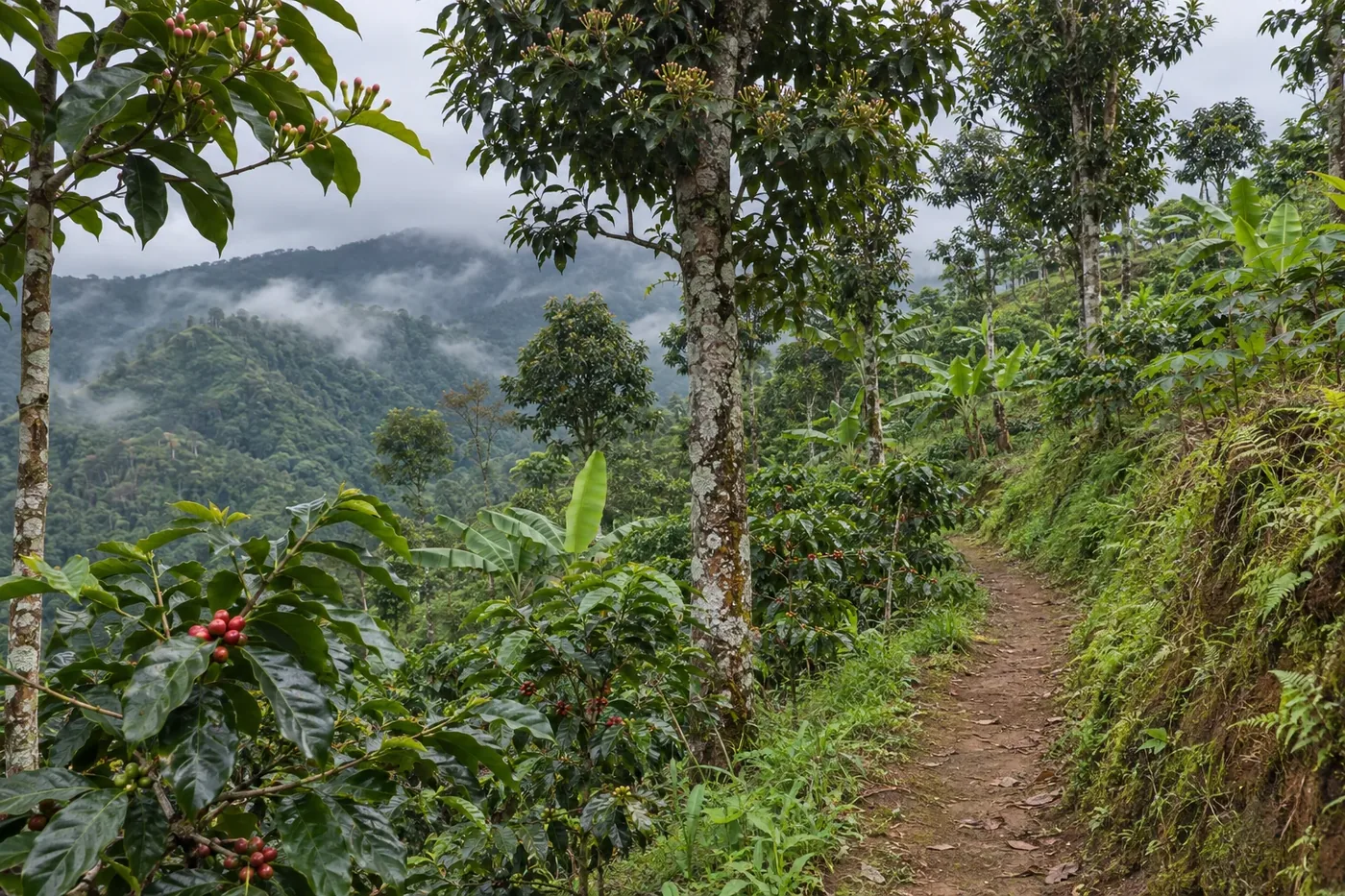
Munduk’s wider highland landscape combines agricultural valleys with plantations, villages and waterfall routes. Rice scenery here offers a different setting from the steep visitor terraces near Ubud, and the cooler climate can make a gentle walk appealing. Hills, rain and mist still affect the effort and views, particularly on small paths. Stay locally if you want more than a quick photograph from a vehicle. Ask a guide which paths are appropriate, avoid combining too many descents and climbs in one outing, and choose a village meal as a natural finish to the walk.
Season and planning
Field colour changes with agricultural cycles, not simply the tourist dry and wet seasons. Rain affects footing and visibility. Ask about local conditions, and be prepared to enjoy harvested or newly planted fields as part of an agricultural landscape.
Choose one region and arrange permitted access. Wear shoes that can cope with mud, use sun and rain protection, and avoid stepping onto narrow bunds without guidance. Pay official admission or guide charges where required, and never damage a crop for a photograph. UNESCO recognition applies to specified components of the cultural landscape, not automatically to every Bali rice terrace.
Related Bali guides
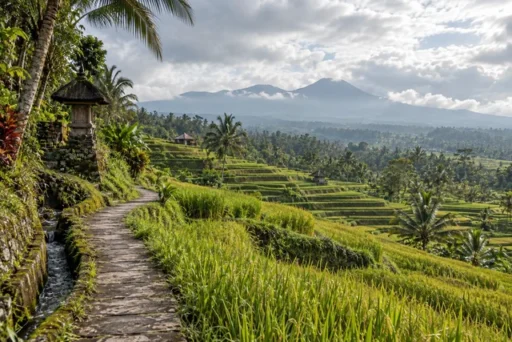
Jatiluwih
Explore Jatiluwih with ten practical experiences, seasonal advice, transport planning and realistic one-to-three-day itineraries.
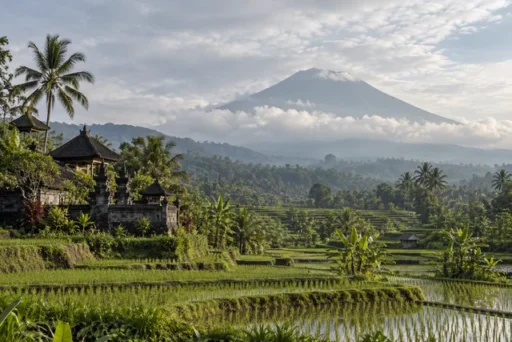
Sidemen
Explore Sidemen with ten practical choices, regional excursions, seasonal advice, transport notes and realistic one-to-three-day planning.
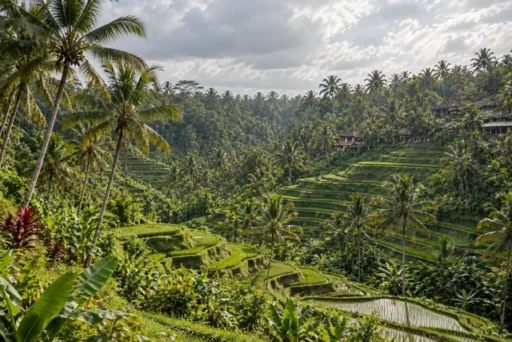
Tegallalang
Explore Tegallalang with ten practical experiences, seasonal advice, transport planning and realistic one-to-three-day itineraries.
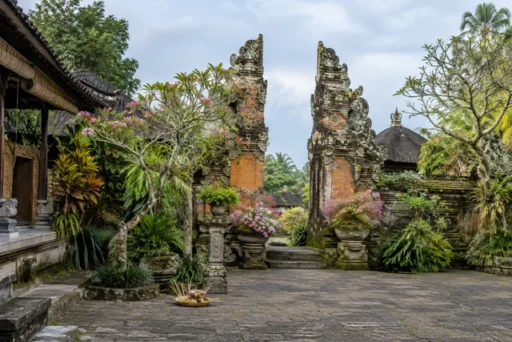
Balinese Cultural Experiences
Balinese culture is lived in homes, temples, fields, workshops and performance spaces.
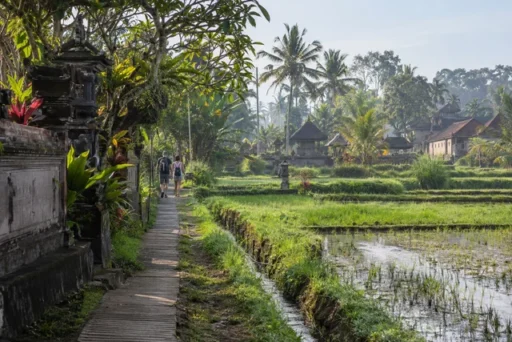
Walks and Gentle Hikes
Walking in Bali ranges from paved waterfront sections to steep, slippery paths, so the word gentle needs a precise route behind it.
Scenic Drives
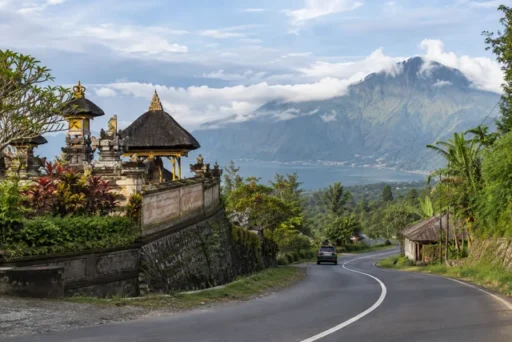
Bali’s scenic drives are journeys through lived-in regions rather than empty roads connecting photo stops.
Questions and answers
Should I try all ten in one day?
No. These are alternatives for different routes and interests. Choose nearby options, allow time for travel and keep a flexible alternative for weather or changed access.
Are entry fees and opening times fixed?
No. Check the linked official venue or destination information for your travel date. Admission arrangements, ceremonies and operating programmes can change.
Do I need to book ahead?
Book when a specific hosted experience, lesson or timed programme is important to the trip. For independent sightseeing, confirm access and transport before setting out.
Does the order reflect visitor votes or search volume?
No. This is an editorial selection intended to compare useful options, not a measured popularity table or a claim that every option suits every visitor.
Sources and further reading
Use the responsible authority or provider for current access, availability and booking details.