10 Coffee and Farm Experiences to Explore in Bali
Written 26 October 2026 · BaliTop10
Coffee and farm visits can reveal more than a tasting tray beside a souvenir shop. Bali’s agricultural landscapes include coffee, rice, vegetables, fruit and spices, often within working communities whose daily priorities extend beyond tourism. These ten experiences compare named settings and practical ways to learn about growing, processing and food. They are not ten unrestricted plantations: several need a hosted programme or advance enquiry. Ask what the visit actually includes and whether the host grows the products being discussed. Respect crop areas, choose animal-free coffee experiences and avoid assuming that a scenic café is also a farm. A slower regional visit usually gives better context than collecting several brief tastings.
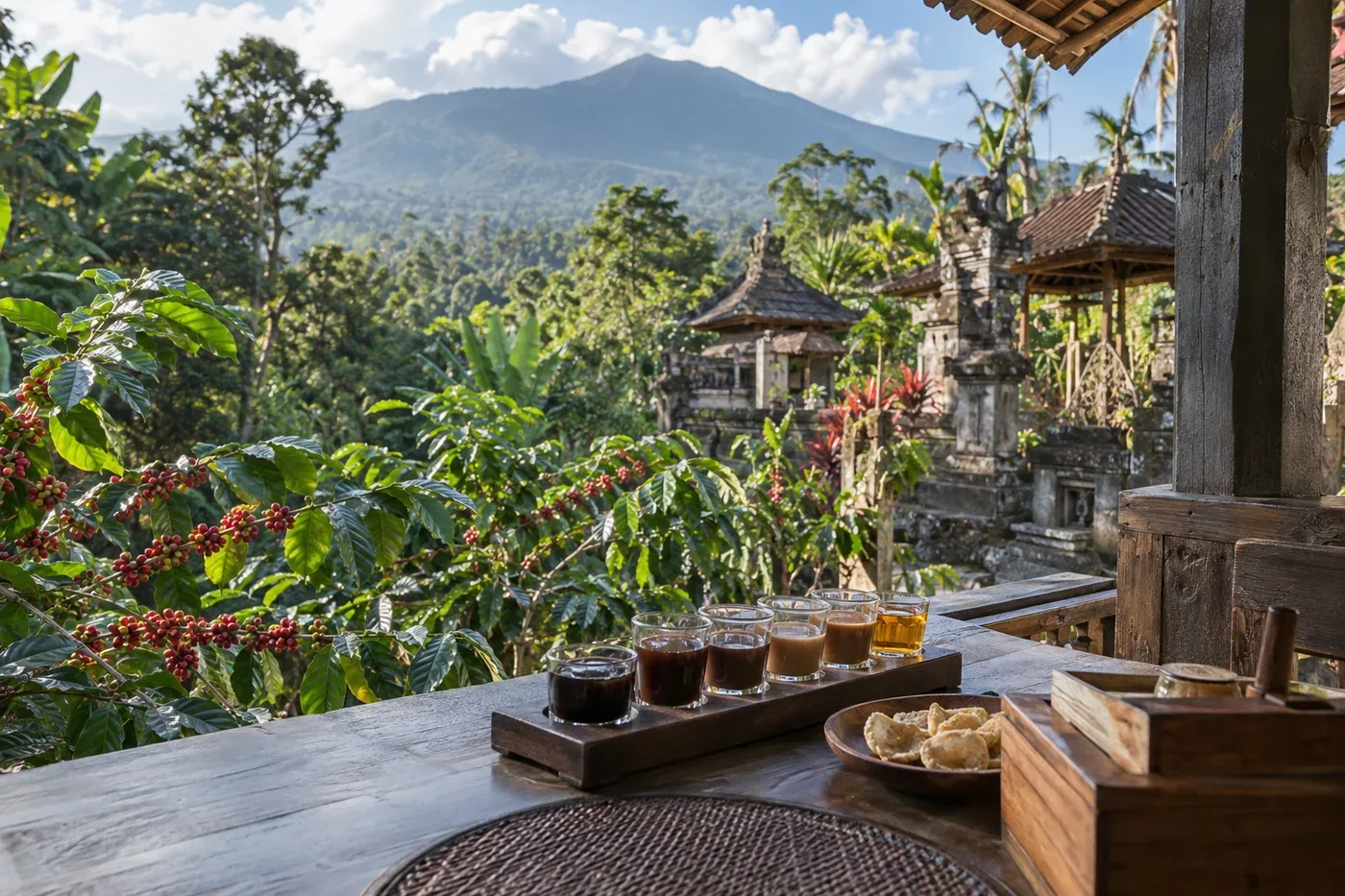
1. Munduk Moding Plantation coffee introduction
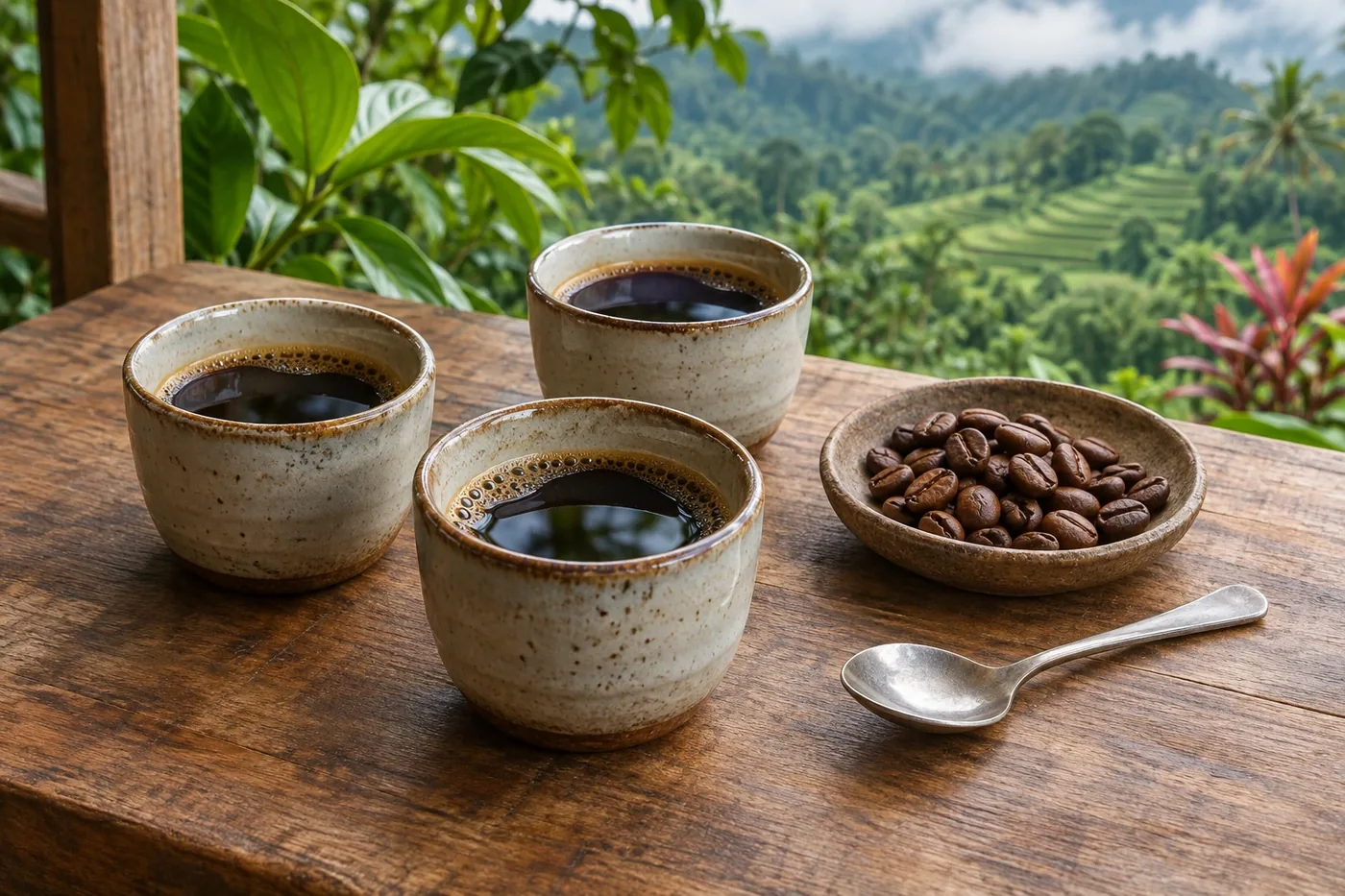
Munduk Moding Plantation offers a coffee-growing setting in Bali’s northern highlands. Enquire about the current plantation or coffee activity and whether it is open to outside visitors or tied to a stay or day package. The useful experience connects the plants and production with what reaches the cup, rather than only tasting flavoured drinks. Ask which processes can be seen during your dates, since harvest and work schedules vary. Wear suitable shoes for garden surfaces and allow for highland rain. The property’s scenic pools are separate facilities with their own access terms.
2. Munduk Moding Plantation overnight stay
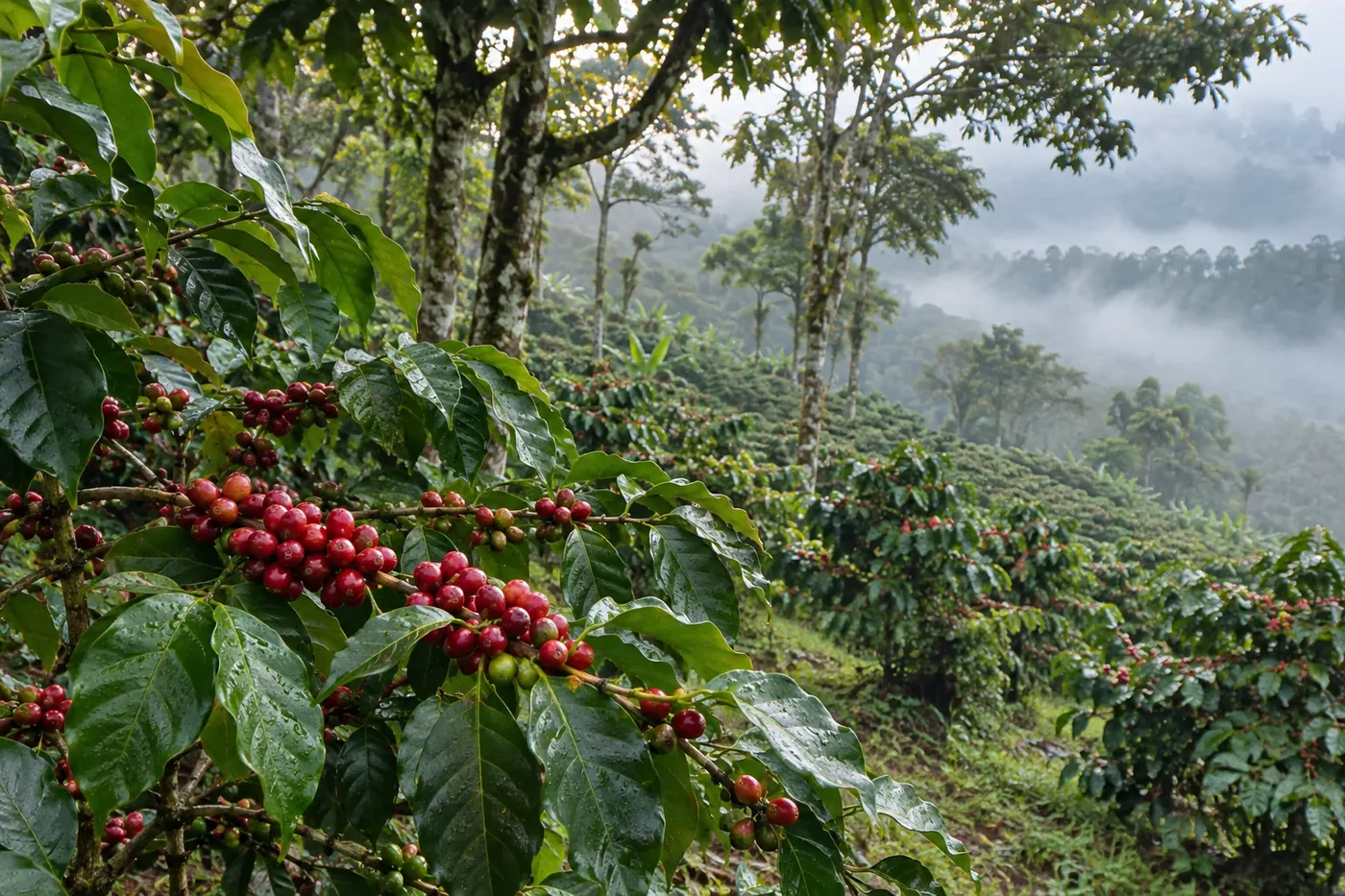
An overnight stay at Munduk Moding Plantation provides time to combine a coffee-oriented activity with the wider highland landscape. Compare the specific room-and-experience package and confirm which walks or sessions require separate reservations. Staying locally can reduce the pressure of a long same-day drive from southern Bali. Use the extra time to ask about growing conditions, preparation and the origin of the beans served. Do not assume every advertised activity operates daily or in every weather condition. A slower stay offers more value when the surrounding region also interests you.
3. Kintamani coffee and caldera café visit

A Kintamani café visit can pair coffee with a caldera view, but the scenic setting should not be confused with a plantation tour. Ask where the beans come from and how the drink is prepared if coffee is the main interest. Choose a venue by its current access, menu and seating rather than a promise of cloud-free sunrise. Bring a layer for cooler conditions and use proper parking. A nearby viewpoint or museum makes a coherent addition. Visiting multiple cafés for similar photographs can consume time better spent learning about one cup.
4. Pemulan Bali Farm harvest and cook
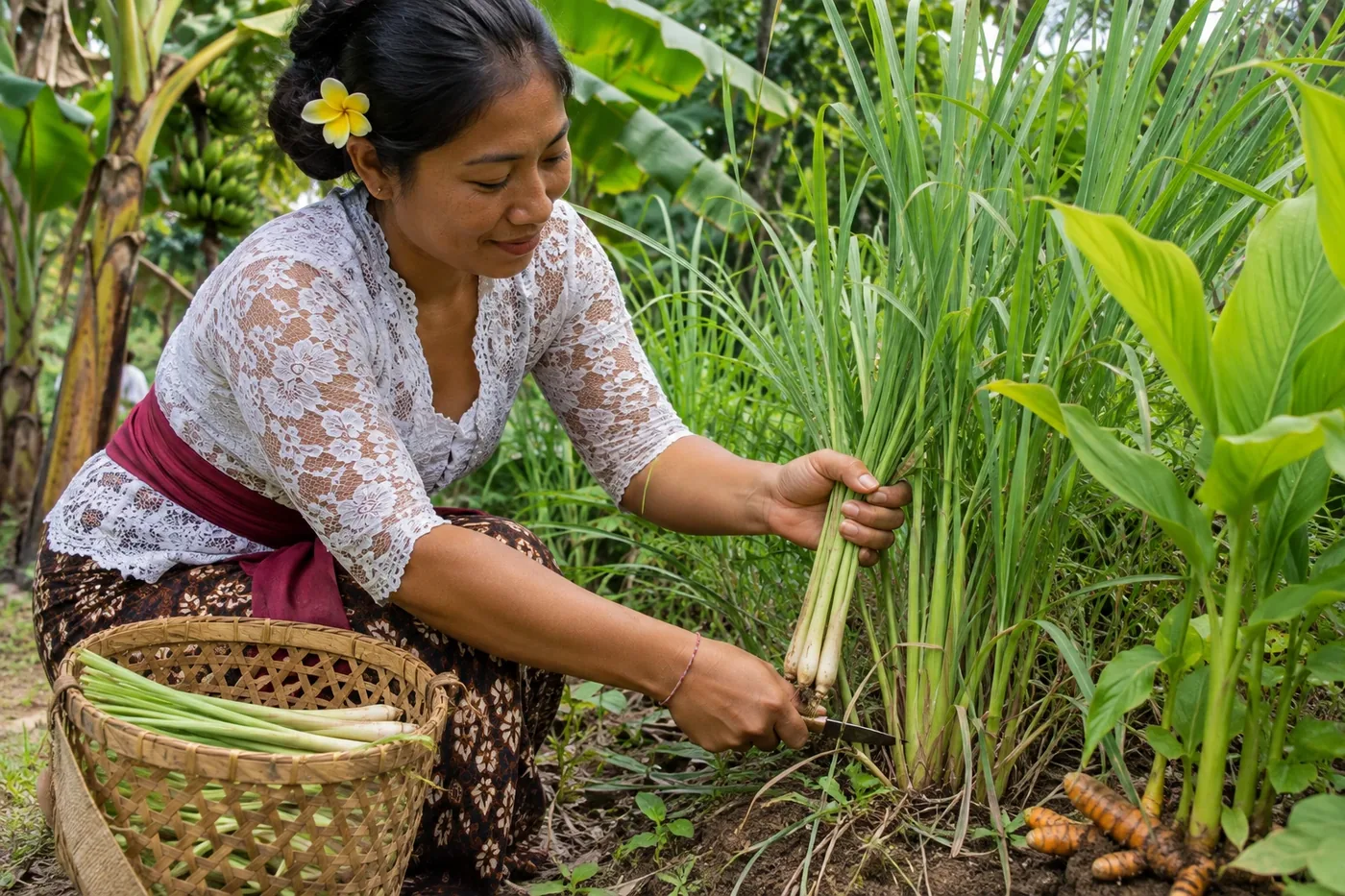
Pemulan Bali Farm links a garden visit with a booked cooking class in the Taro area. It offers a practical way to connect plants, harvested ingredients and a meal, with guidance rather than an uninvited walk through private crops. Confirm which class includes the farm element and how rain affects the route. The school’s Ubud meeting arrangements require attention because the farm lies outside the town centre. Ask what is grown on site and what comes from elsewhere. Dietary requirements and the full transfer schedule should be settled before booking.
5. Paon Escape garden cooking visit
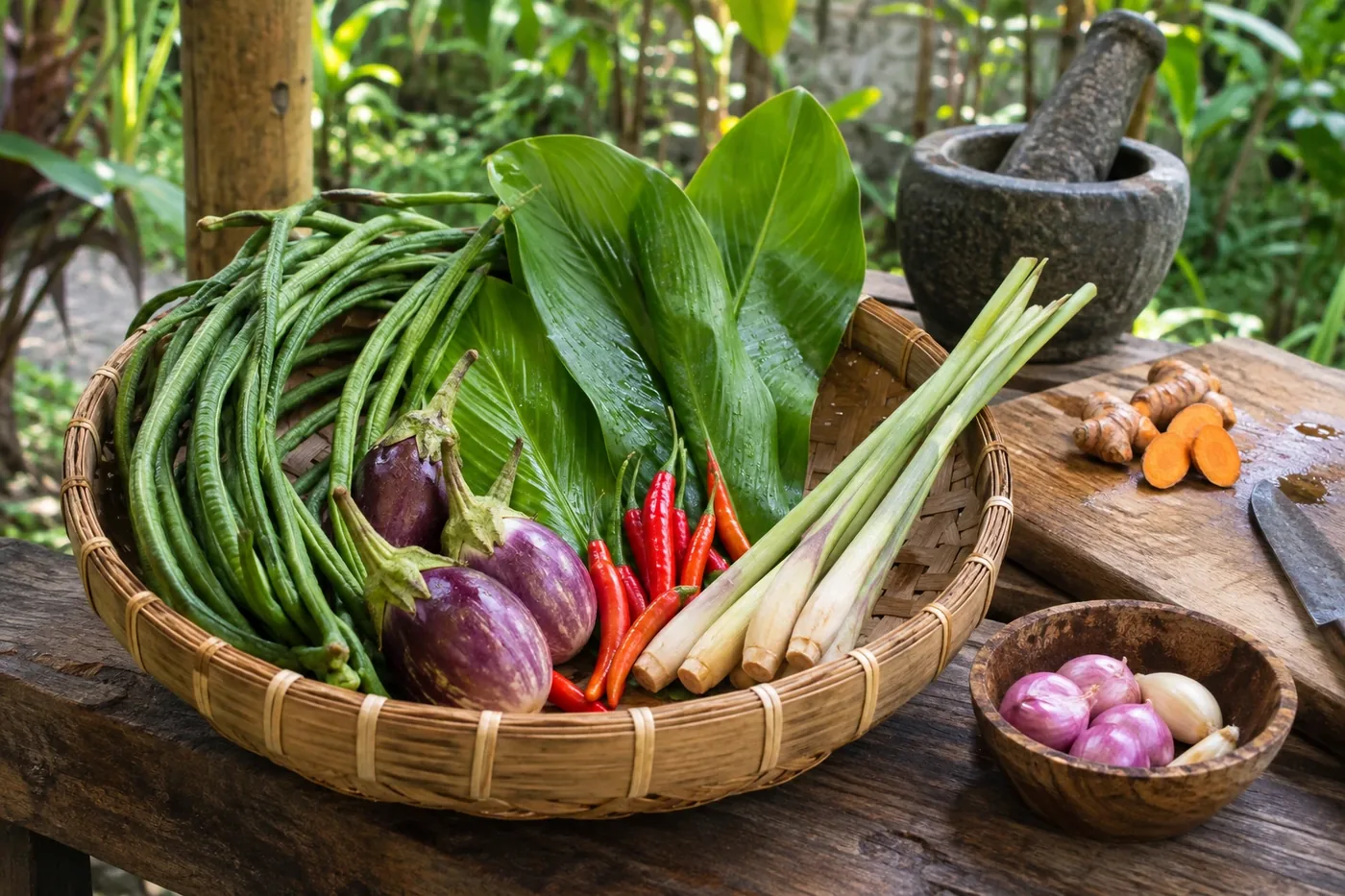
Paon Escape combines a garden setting with a hosted cooking programme. It can suit visitors who want to understand the ingredient-to-kitchen relationship instead of making a brief commercial tasting stop. Ask about the current route, harvesting opportunities and the menu on your date. Farm activity changes with weather and growing conditions, so no individual crop should be promised in every session. Wear shoes that can handle damp ground and keep to the host’s instructions. Confirm whether the programme includes a market and whether the pickup point suits your accommodation.
6. Jatiluwih rice and irrigation walk
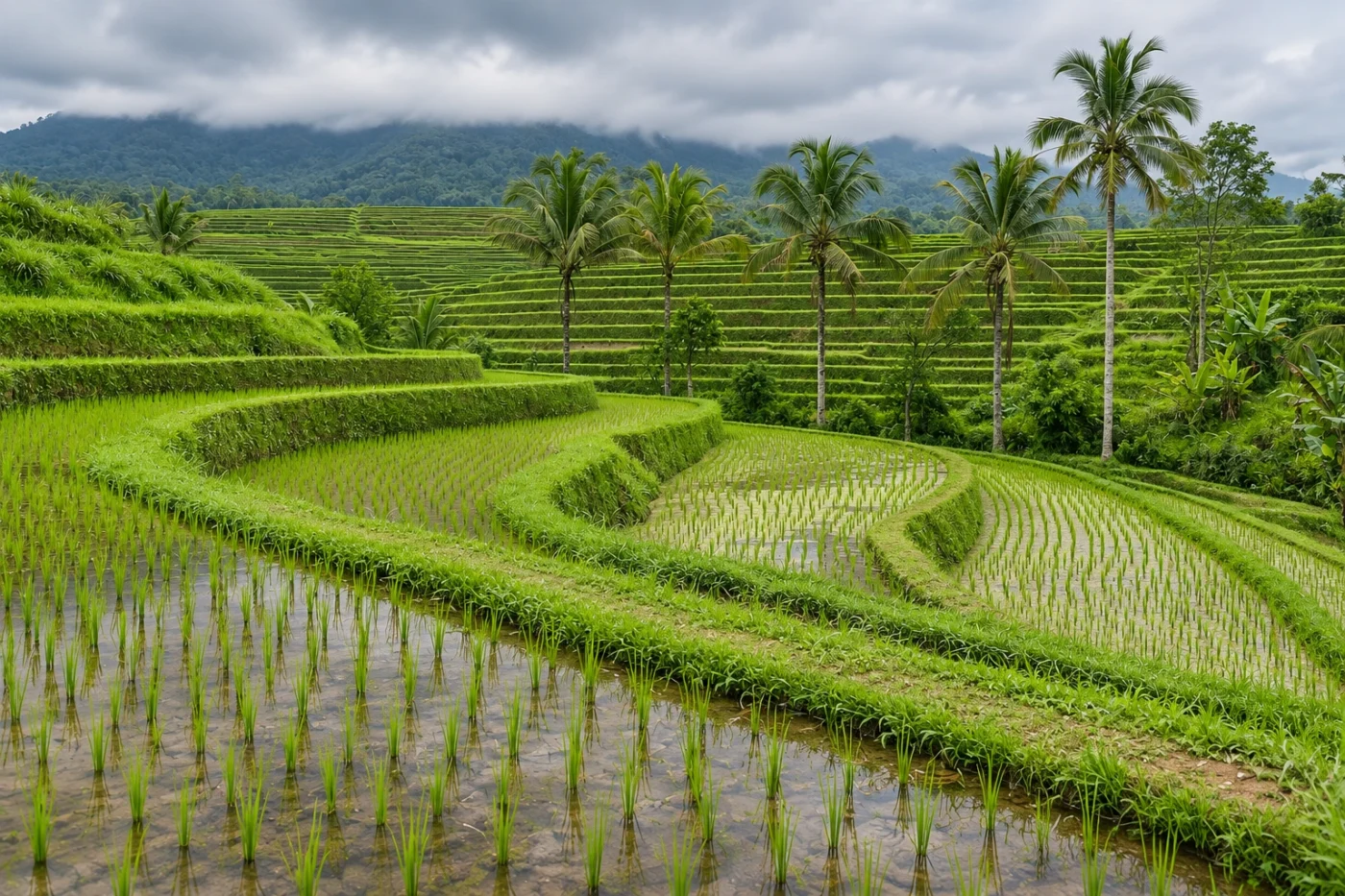
Jatiluwih is a valuable farm visit when approached as a cultivated subak landscape. Choose a marked route or local guide and ask how water, crop cycles and community organisation shape the terraces. A visit need not include walking down every step to understand the landscape. Keep to permitted paths and allow farmers priority at crossings and channels. Rice colour and work change through the year, so photographs of one bright-green season are not a guarantee. Pair the visit with a local meal rather than adding several distant agricultural attractions to the same day.
7. Sidemen hosted agricultural walk
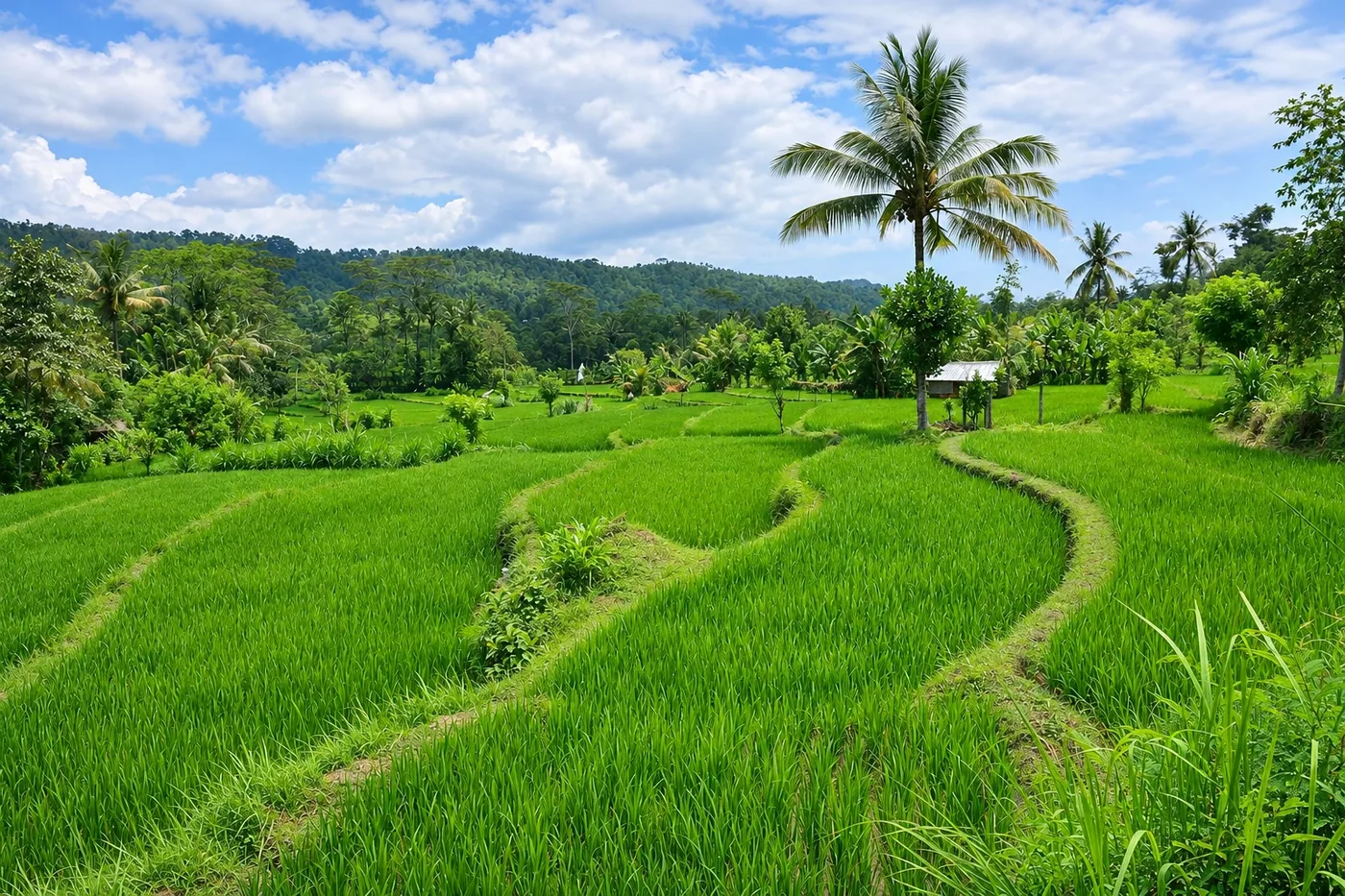
A hosted walk around Sidemen can introduce rice plots, irrigation channels and village landscapes within a quieter east-Bali stay. Arrange a route through your accommodation or a local guide who knows which paths are open. The fields remain workplaces, and a path visible on a map is not automatic permission to enter. Ask about crops and local practice rather than concentrating only on a distant mountain view. Choose a modest circuit in the heat and rain. A nearby meal afterwards creates a more relaxed outing than a long improvised trek between villages.
8. Sibetan salak-growing visit
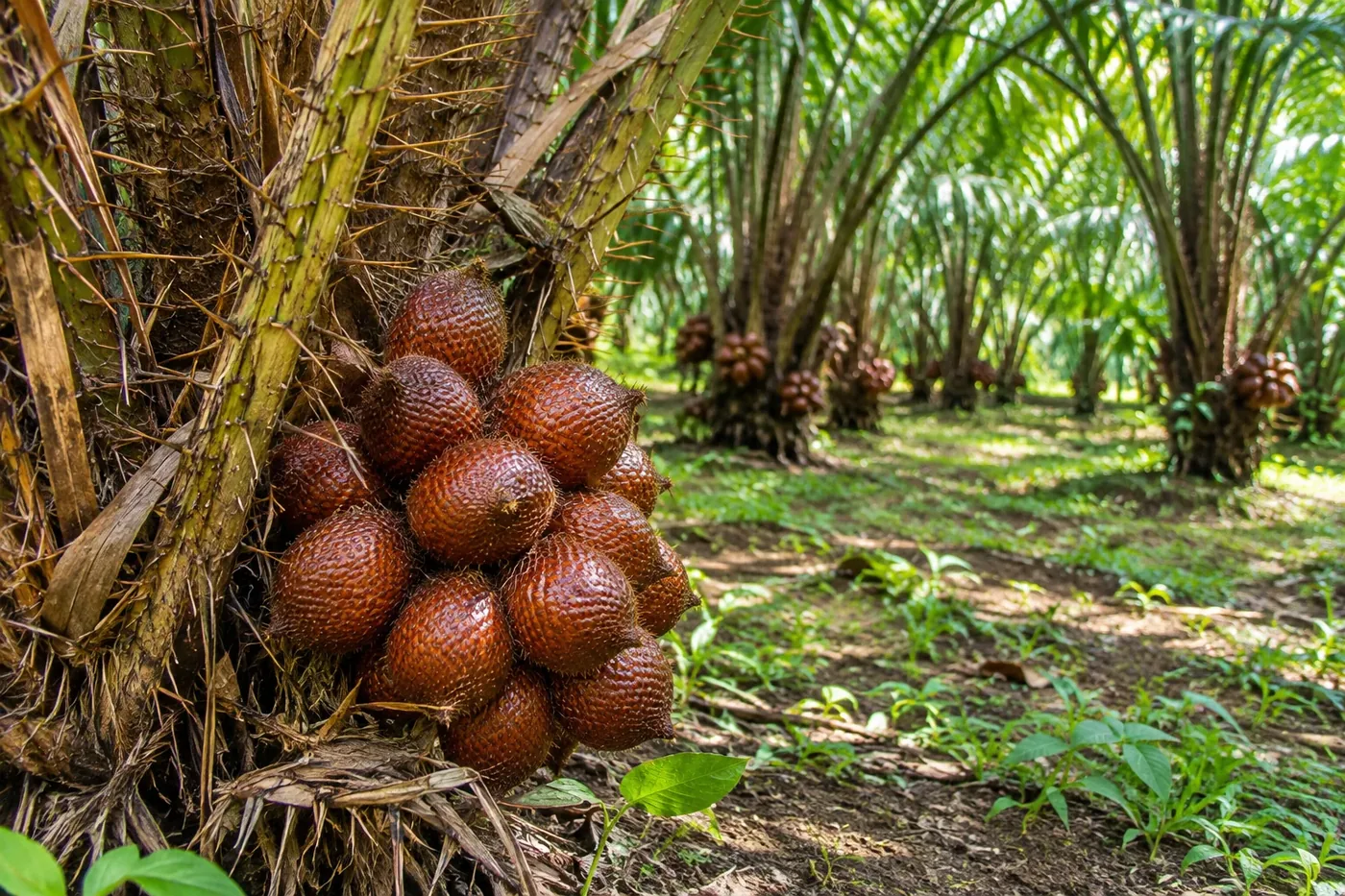
Sibetan’s visitor programme introduces salak cultivation in an east-Bali farming community. Book through an established local host and ask whether the proposed outing is a short garden visit, a longer walk or a combined cultural activity. Those formats have different physical demands. Learn how the fruit grows and ask which varieties or processes can be seen during your visit rather than expecting every stage at once. Keep to the guided route around the plants. A visit fits more naturally with a Candidasa or Tirta Gangga stay than an overloaded southern-Bali circuit.
9. Bedugul-area produce and farm enquiry
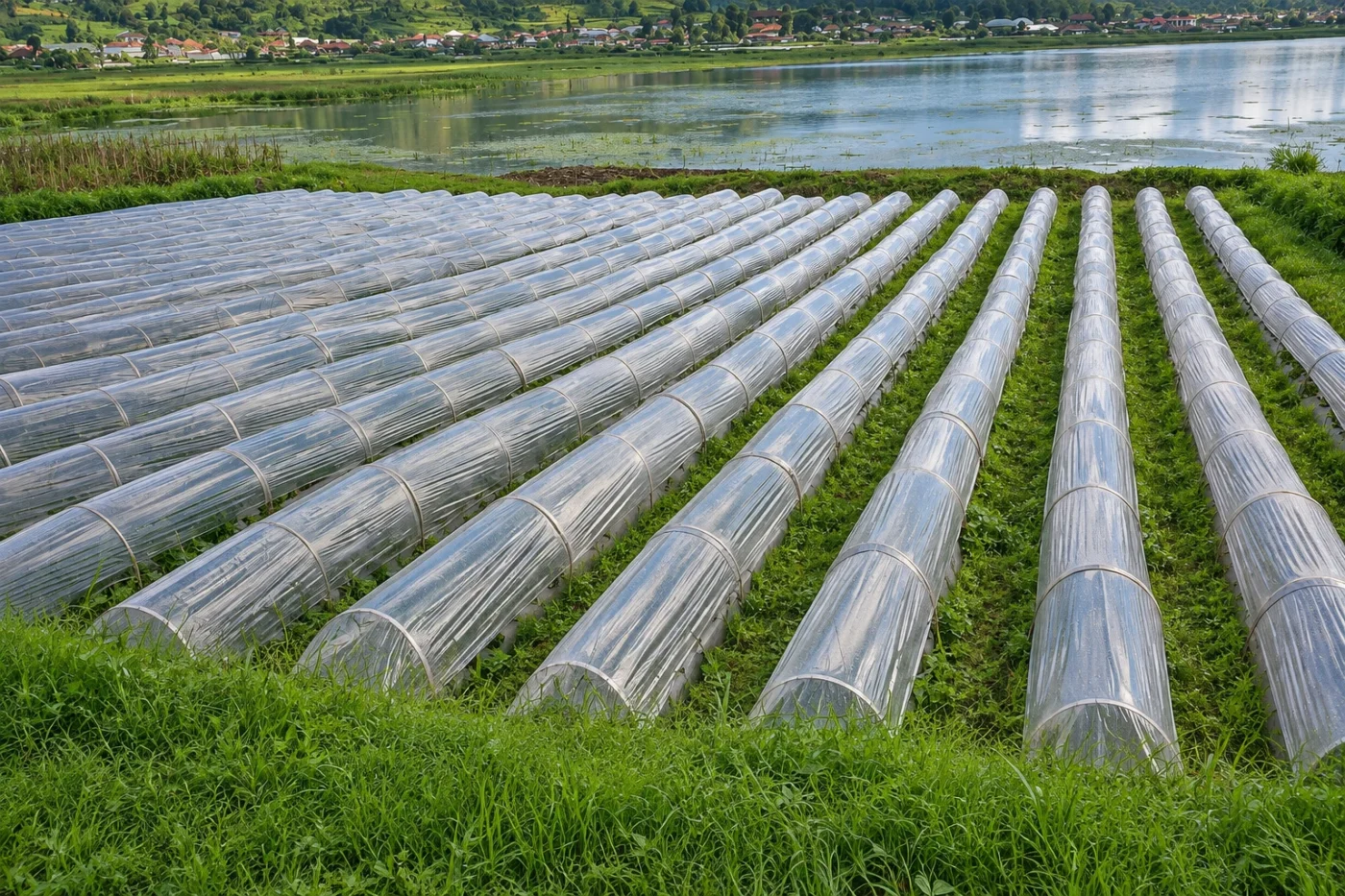
The Bedugul highlands offer a useful contrast to coastal Bali through cool-climate produce, gardens and agricultural land. Arrange any farm access with a named local host rather than entering a field because it looks like a visitor attraction. Ask what is currently growing and whether the experience is an explanation, a tasting or permitted picking. A produce-market stop can add context when a farm visit is unavailable. Wet ground, cooler air and mist can change the outing, so bring suitable shoes and a layer and keep the programme flexible.
10. A guided village produce-market visit
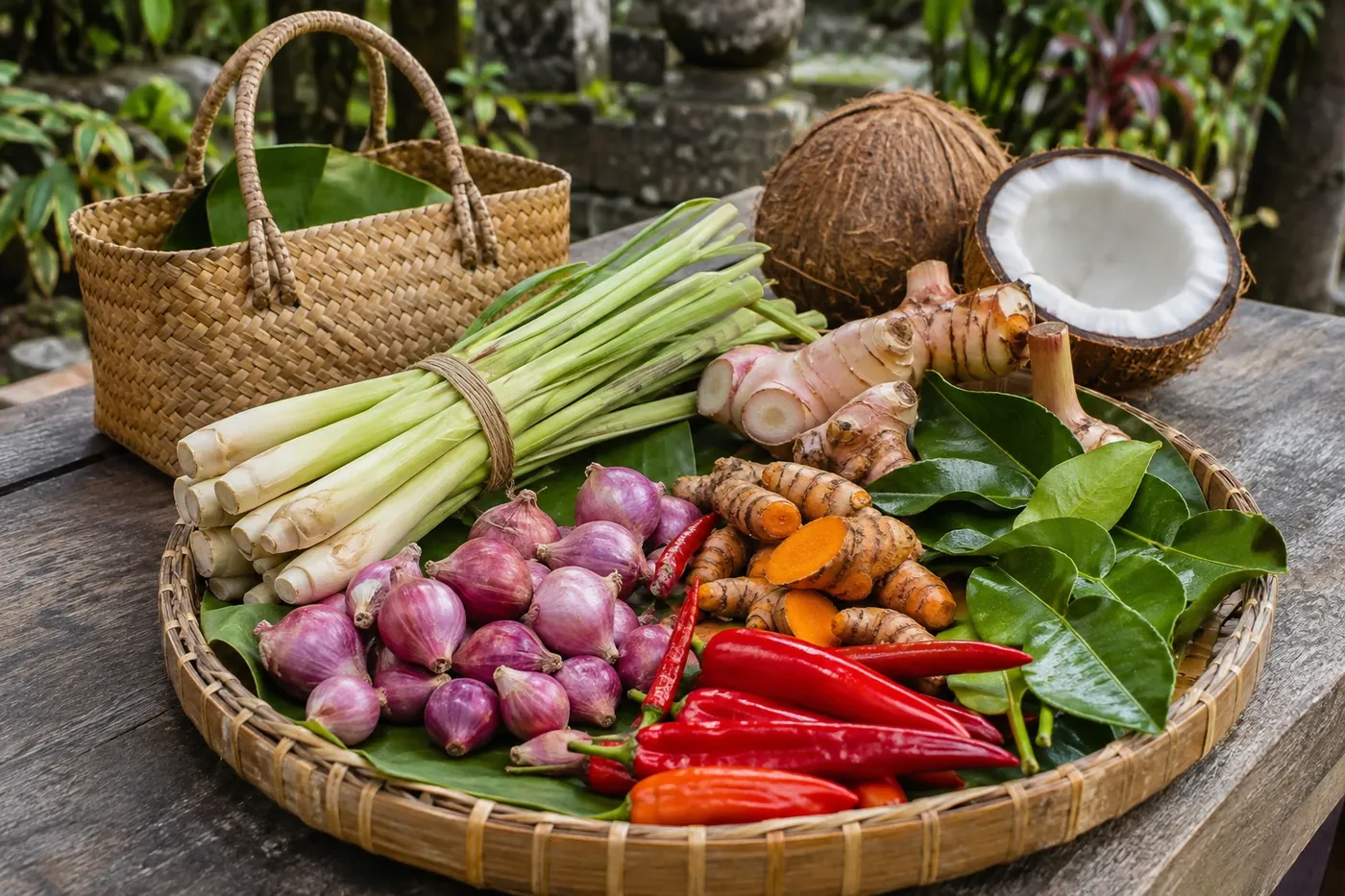
A guided produce-market visit can make a farm-oriented holiday more informative by showing how ingredients reach cooks and households. Choose a working market near your base and a host who can explain unfamiliar fruits, spices and vegetables. Ask which products are local and which arrive from elsewhere instead of assuming everything on sale was grown nearby. Buy modestly, give traders room and request permission for close photographs. The best time depends on the market’s actual trading pattern. A hosted visit can be combined with a class without requiring another distant plantation stop.
Season and planning
Conditions vary across Bali, and a calendar season does not guarantee a particular experience. Allow flexible time during wetter periods, particularly for outdoor approaches and road transfers. Check current local weather and the host’s arrangements close to your visit. Religious holidays and ceremonies can change access independently of the forecast.
Ask what the programme includes and whether it is a working farm, garden, café or sales stop. Book private-land access through the host and confirm walking surfaces and weather alternatives. Avoid coffee experiences dependent on caged civets or animal handling. Check the origin of products before buying, and read the destination country’s food and plant import rules rather than carrying fresh produce home without checking.
Related Bali guides
Munduk
Explore Munduk with ten practical choices, regional excursions, seasonal advice, transport notes and realistic one-to-three-day planning.
Jatiluwih
Explore Jatiluwih with ten practical experiences, seasonal advice, transport planning and realistic one-to-three-day itineraries.
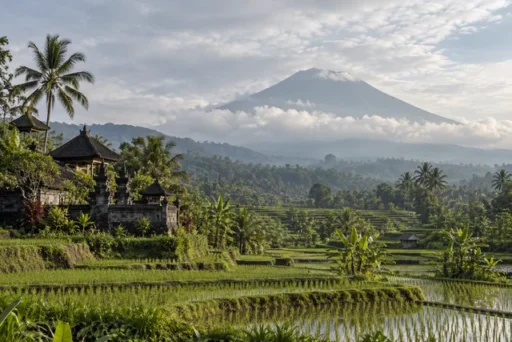
Sidemen
Explore Sidemen with ten practical choices, regional excursions, seasonal advice, transport notes and realistic one-to-three-day planning.
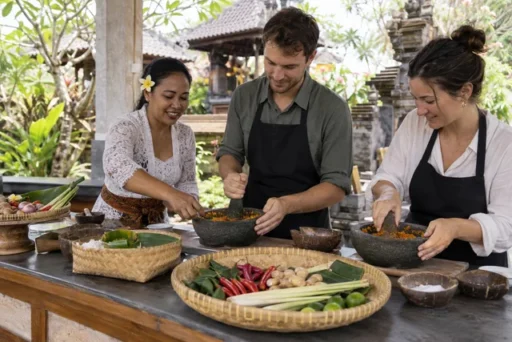
Cooking Classes
A cooking class is most useful when it matches how you want to learn.
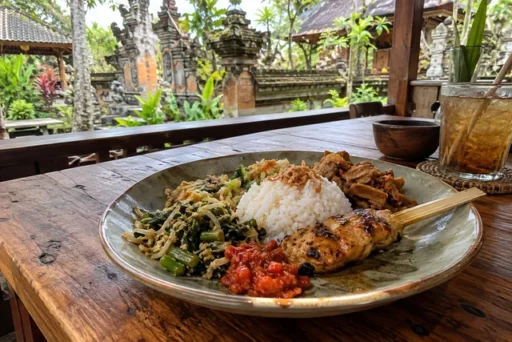
Balinese Food
Balinese food is a good reason to slow down and ask what is on the plate.
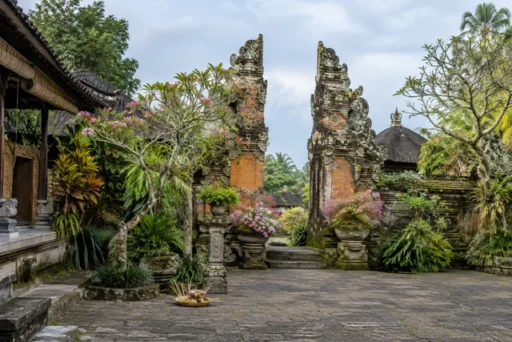
Balinese Cultural Experiences
Balinese culture is lived in homes, temples, fields, workshops and performance spaces.
Questions and answers
Is a coffee café the same as a plantation visit?
No. A café may serve coffee from elsewhere without offering farm access or production interpretation. Ask where beans come from and what the experience actually includes.
Can I enter agricultural land independently?
Use marked public routes or obtain permission through a local host. Working plots, irrigation channels and farm compounds are not automatically visitor spaces.
Will I see harvesting on every visit?
No. Work depends on crop cycles, weather and the farm’s schedule. Ask what can be seen on your date rather than relying on a promotional harvest photograph.
Are there coffee experiences without captive civets?
Yes. Choose plant, processing and tasting activities that do not depend on animal handling or cages. Ask about sourcing and decline an animal-based component if it is part of a proposed visit.
Sources and further reading
Use the responsible authority or provider for current access, availability and booking details.