10 Markets and Craft-Shopping Areas in Bali
Written 26 October 2026 · BaliTop10
Bali shopping ranges from working food markets to craft villages and design-led boutiques. They are different experiences, with different expectations about prices, bargaining and access. These ten selections help you choose a coherent area instead of crossing the island for similar souvenirs. Ask about the maker, material and origin when buying crafts, and distinguish a demonstration from a retail showroom. Traditional markets are workplaces where local customers need room to shop. A photograph is not permission to handle merchandise or enter a trader’s private space. Set a budget, compare quality calmly and check luggage or import restrictions before committing to bulky, fragile or natural-material purchases.
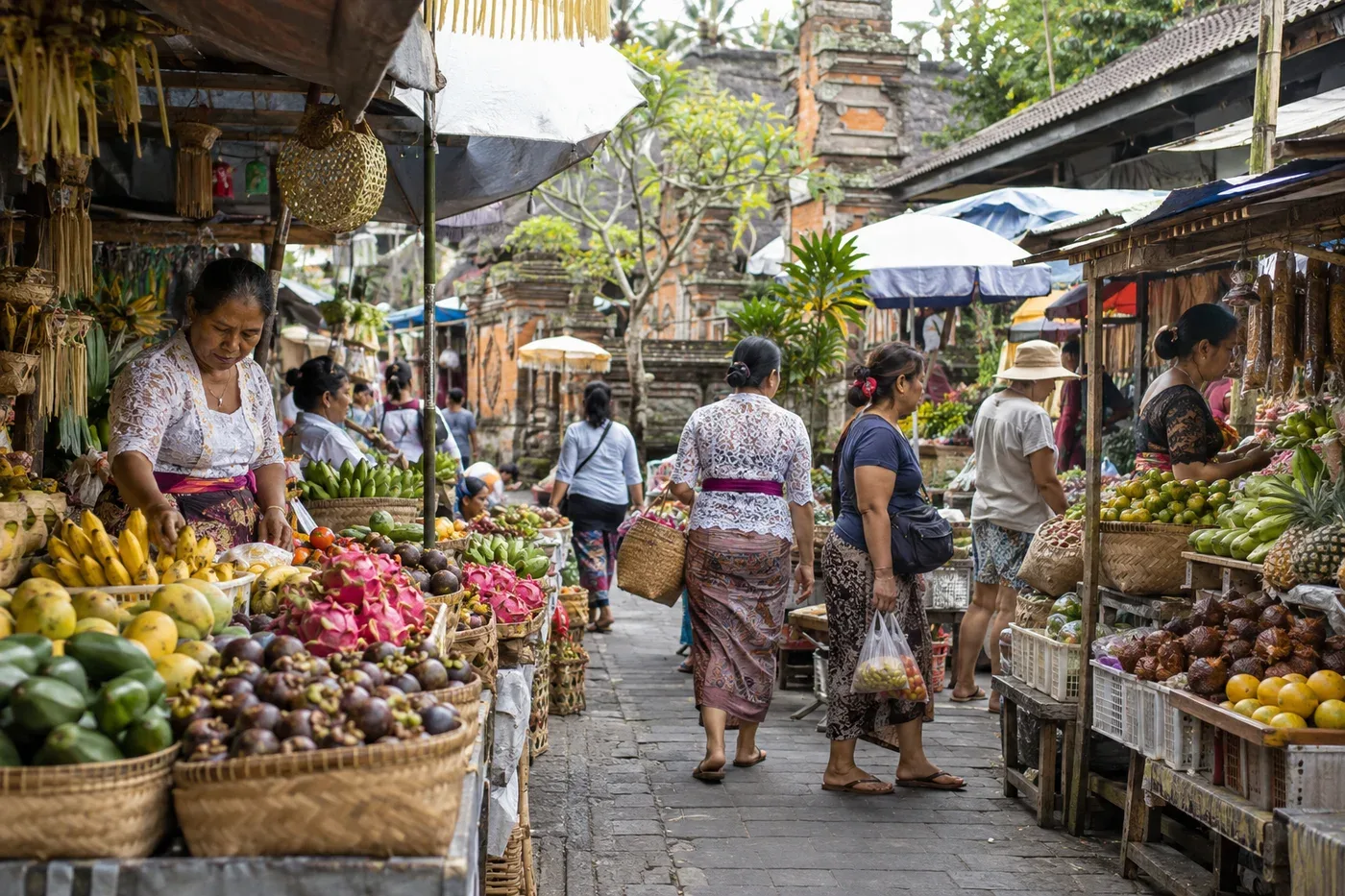
1. Pasar Badung, Denpasar
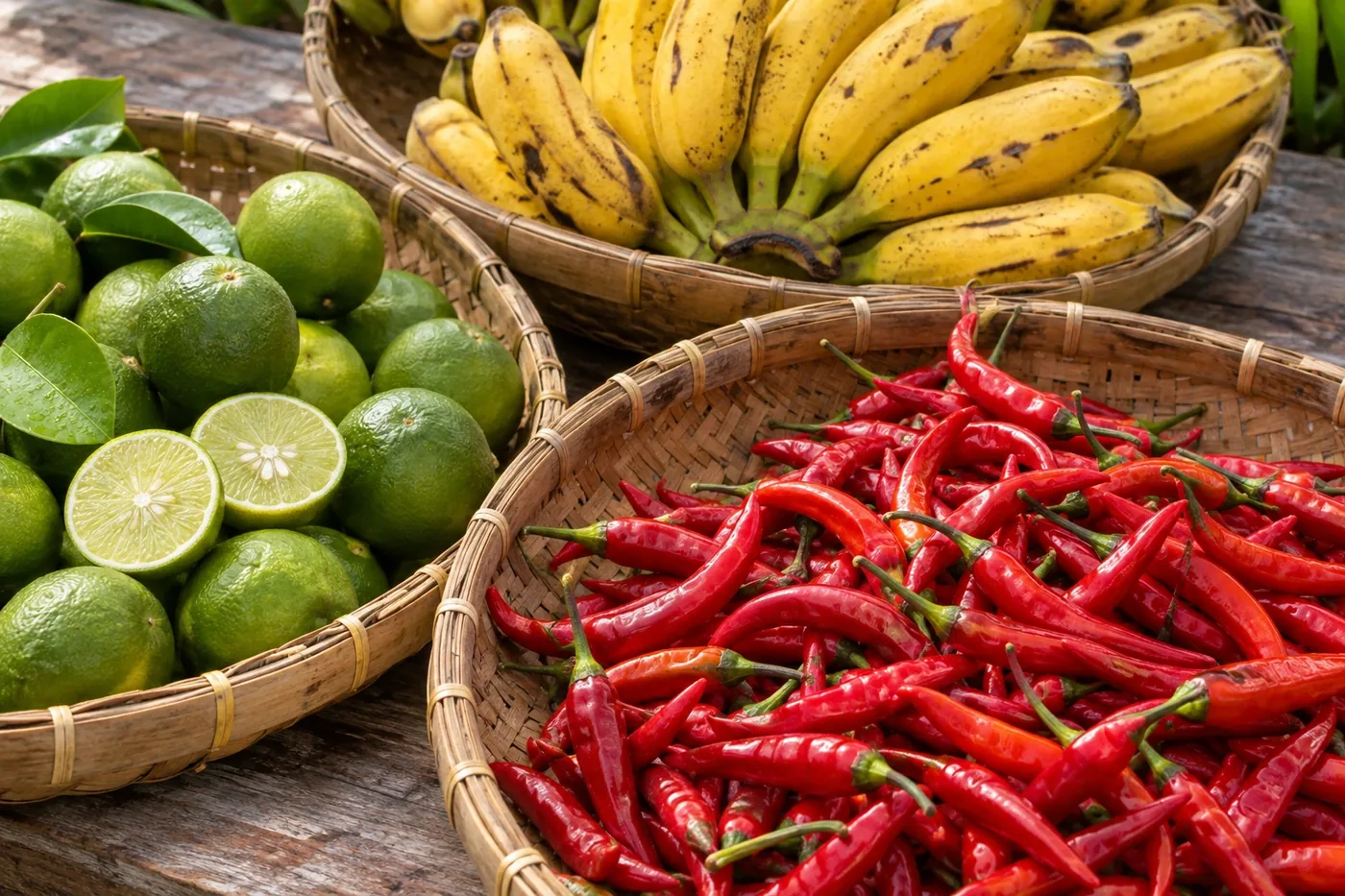
Pasar Badung provides an introduction to a working Denpasar market, with produce and other everyday goods rather than only visitor souvenirs. Go with a clear purpose and, if interested in unfamiliar ingredients, consider a knowledgeable local guide. Different sections have different rhythms, so ask when the type of stall you want is active. Keep walkways clear and use small purchases as a respectful way to engage. A busy market is not a controlled food-tasting tour; assess handling and ask before sampling or photographing people at close range.
2. Kumbasari shopping area, Denpasar

Kumbasari offers a craft-and-market comparison close to the Badung River area. It can fit a broader Denpasar visit without requiring another long transfer. Browse carefully and ask whether a piece is handmade, locally produced or part of a wider supply chain. Similar-looking objects can differ in material and finish, so a low price alone does not establish value. Confirm current trading arrangements and bring a practical bag for modest purchases. Leave room to look rather than bargaining aggressively over something you do not actually intend to buy.
3. Ubud Art Market
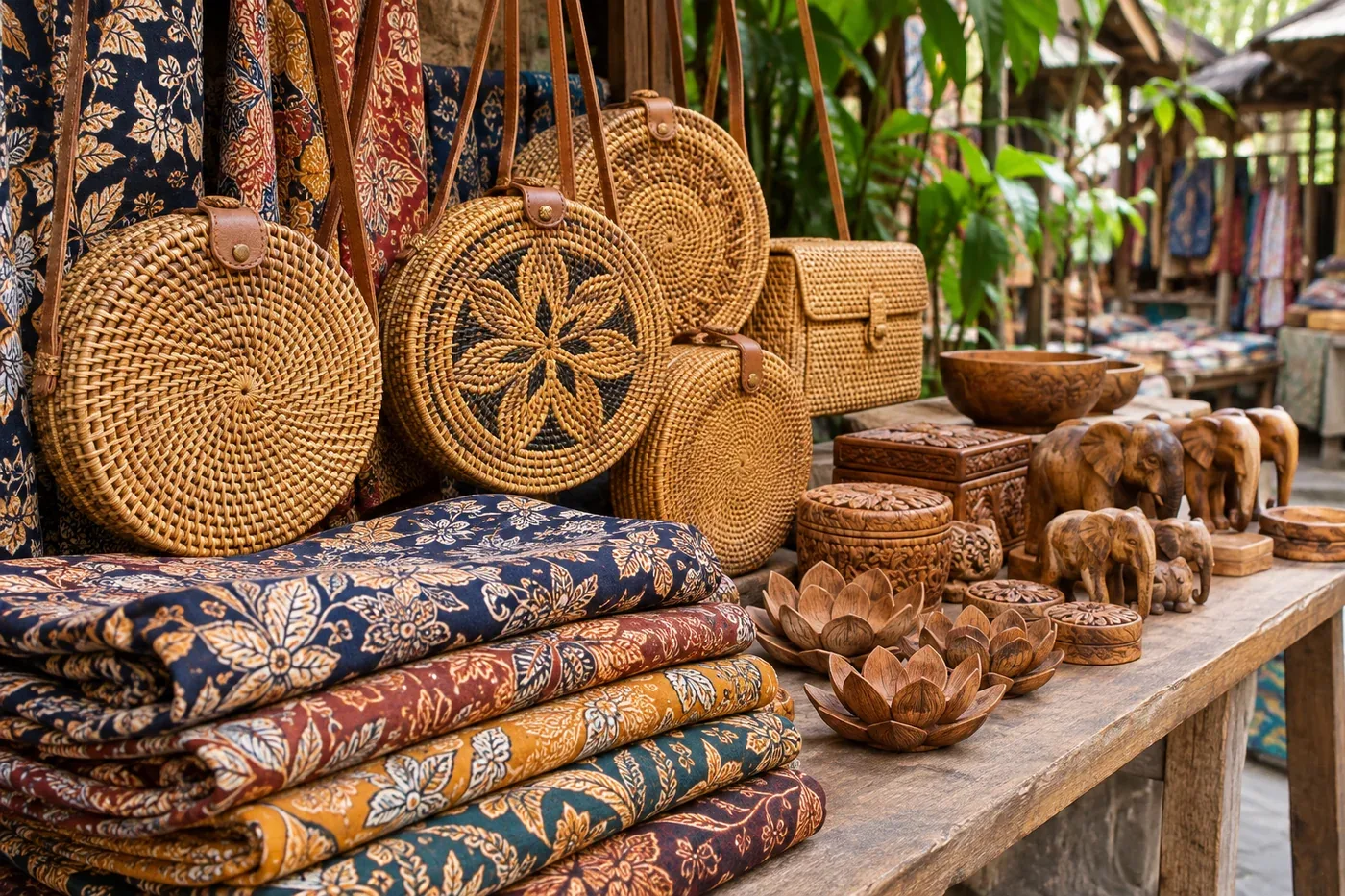
Ubud Art Market is a convenient place to compare textiles, baskets and other visitor-oriented goods while staying in the town. Expect a shopping environment rather than a museum explaining every craft tradition. Look closely at stitching, material and finish, and ask where an item was made. Agree a price calmly if bargaining is appropriate and avoid treating the exchange as a competition. The central streets can be busy, so plan a nearby meal or cultural visit rather than adding a cross-island shopping run. Keep valuables secure in crowded passages.
4. Sukawati Art Market
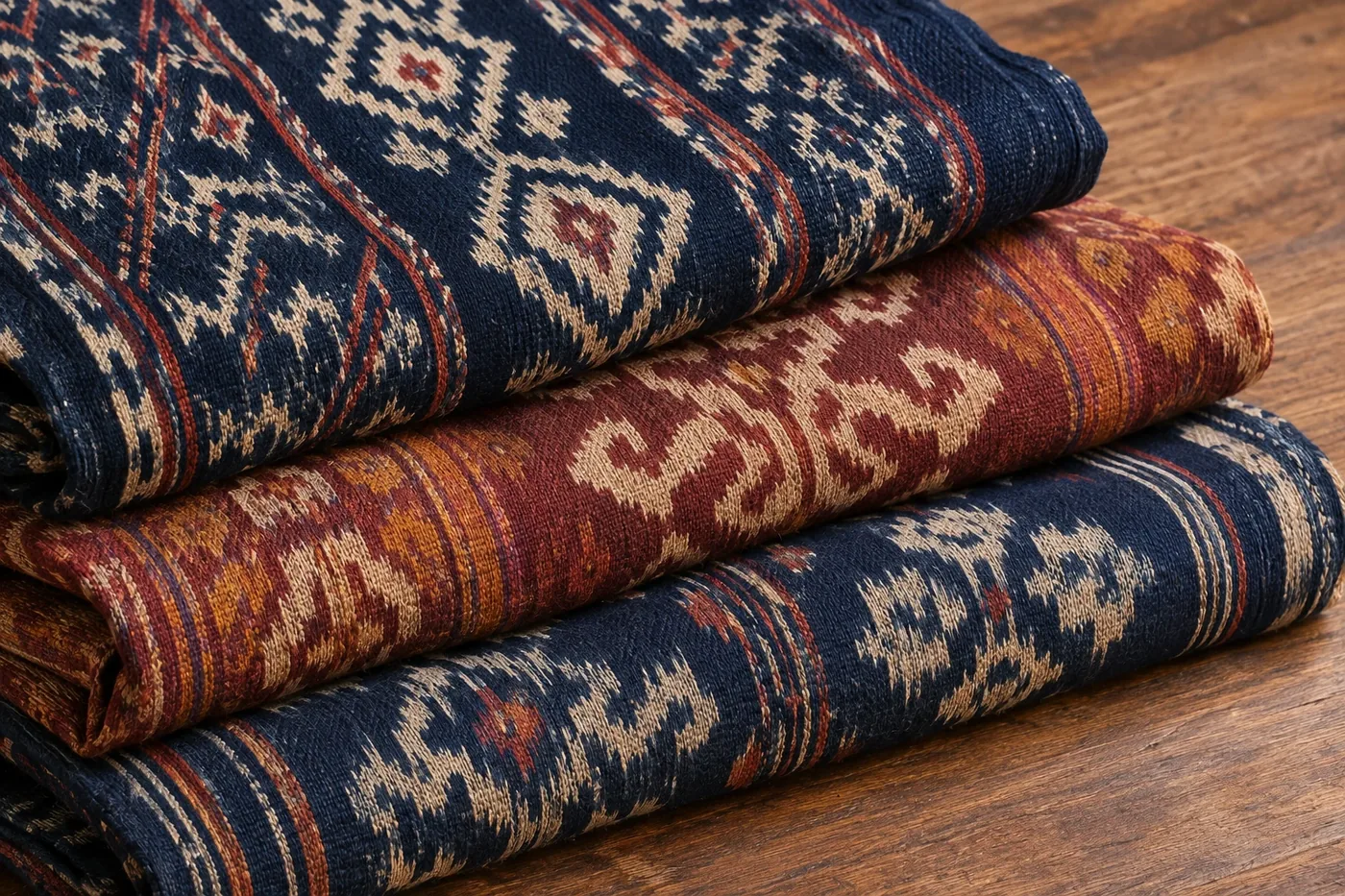
Sukawati Art Market is associated with a wide selection of Bali-oriented crafts, clothing and decorative goods. It makes more sense when you have time to compare items than as a rushed stop at the end of an ambitious tour. Ask about materials and production, particularly for an object sold as handmade or traditional. Inspect fragile pieces before paying and discuss packing. A market purchase is not automatically covered by the export or import requirements of your destination country. Choose a modest number of useful items rather than buying only because the opening price has fallen.
5. Sindhu market area, Sanur
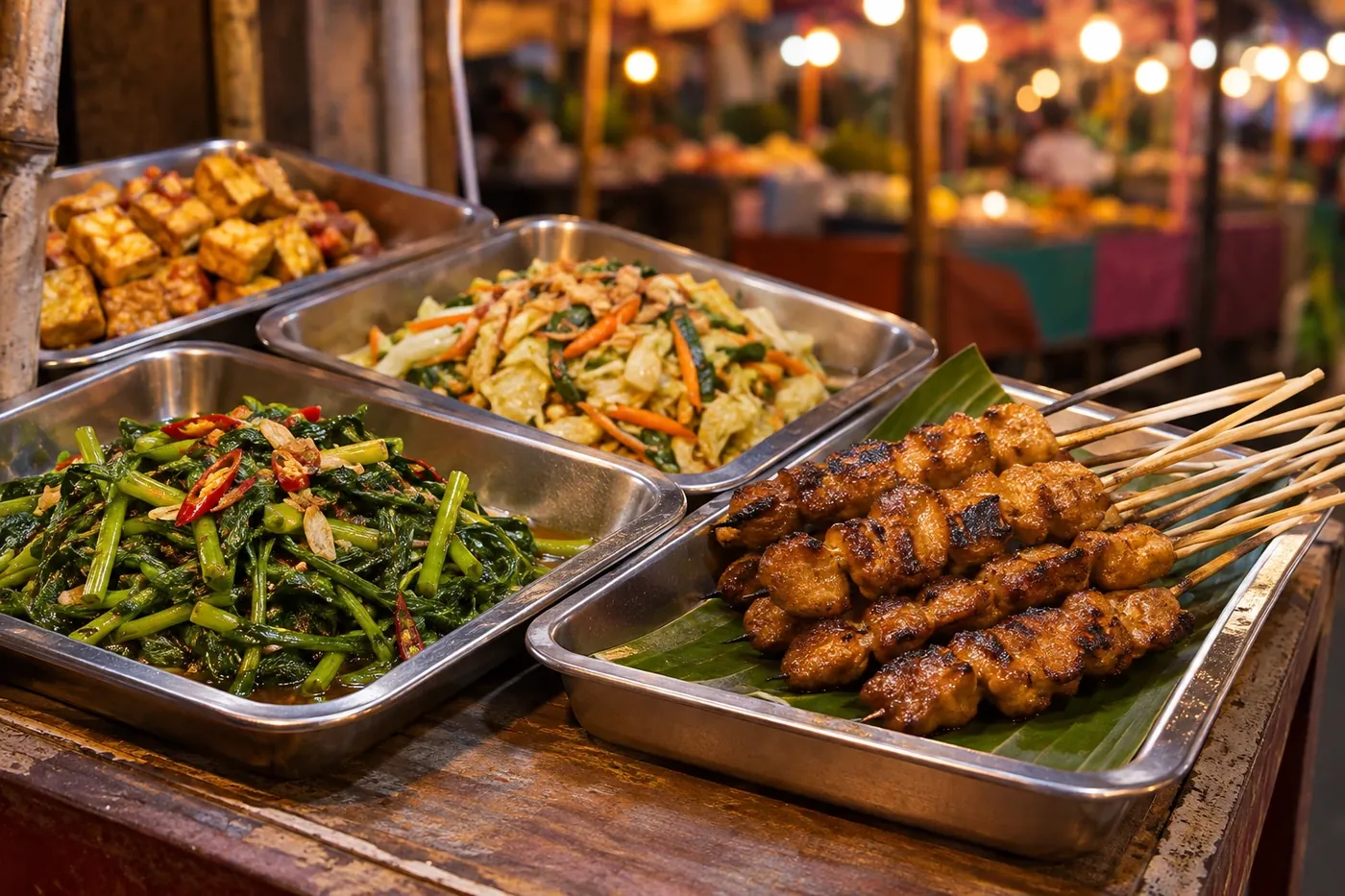
The Sindhu market area offers a local-shopping and food-oriented contrast to Sanur’s seafront hotels. Confirm which part of the market is active at the time you plan to visit; morning produce shopping and evening eating are different experiences. Go with small denominations and let traders explain what they sell. If trying food, choose freshly prepared dishes and explain dietary requirements rather than relying on a photograph. A nearby Sanur base makes it easy to keep the outing short and relaxed. Arrange the return without assuming every street has a continuous pavement.
6. Gianyar food-market visit
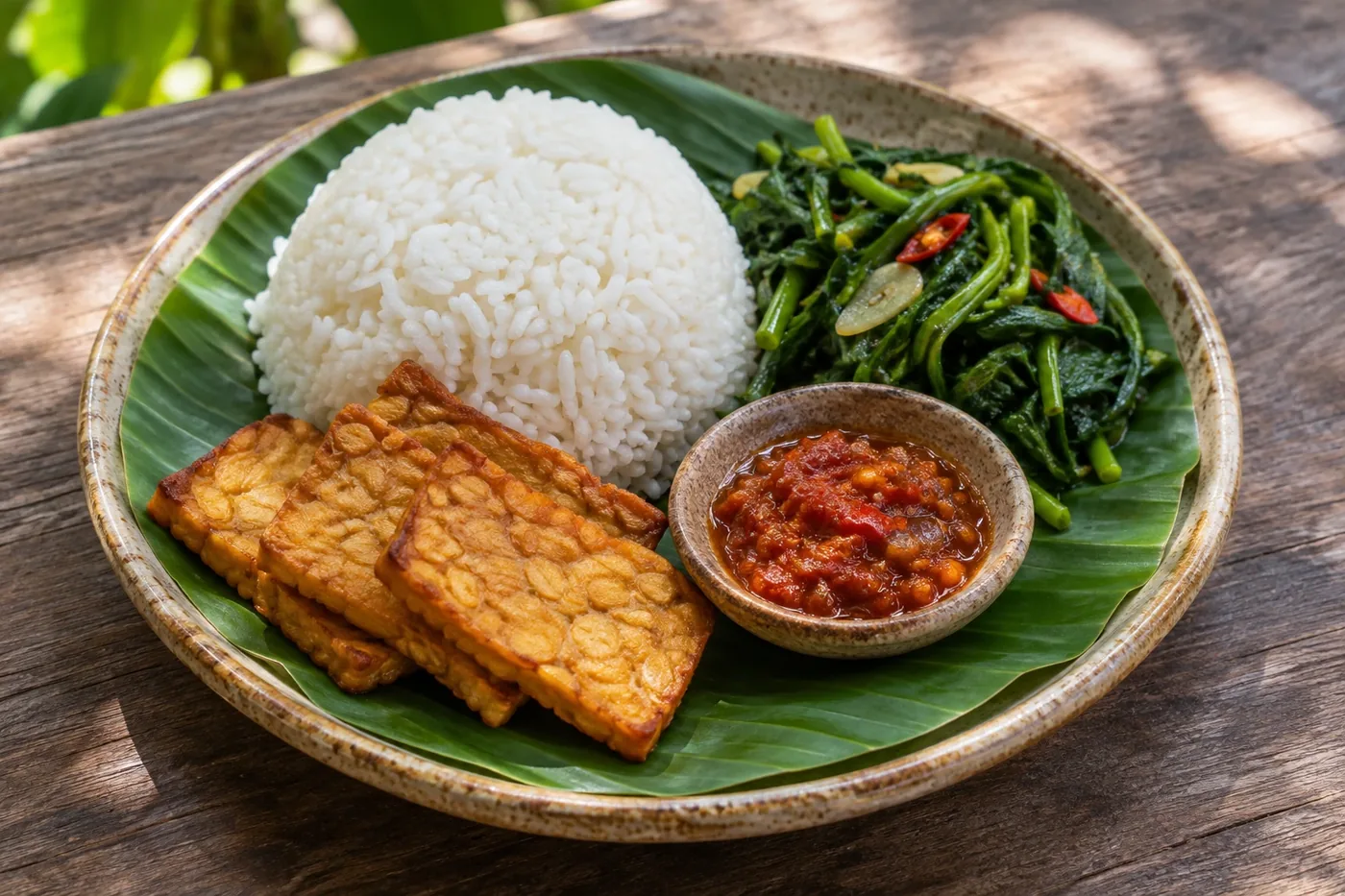
A Gianyar market visit can focus on everyday eating and local trade rather than a souvenir checklist. Ask locally about the current location, active hours and any changes before travelling, particularly if you are seeking an evening food atmosphere. Choose a few freshly prepared items and enquire about ingredients, portion size and spice. Keep room for working customers and do not photograph faces without permission. A local host can help explain unfamiliar dishes. The outing fits best with a Gianyar or Ubud-area stay rather than a long drive simply to collect another market name.
7. Semarapura and Klungkung craft shopping
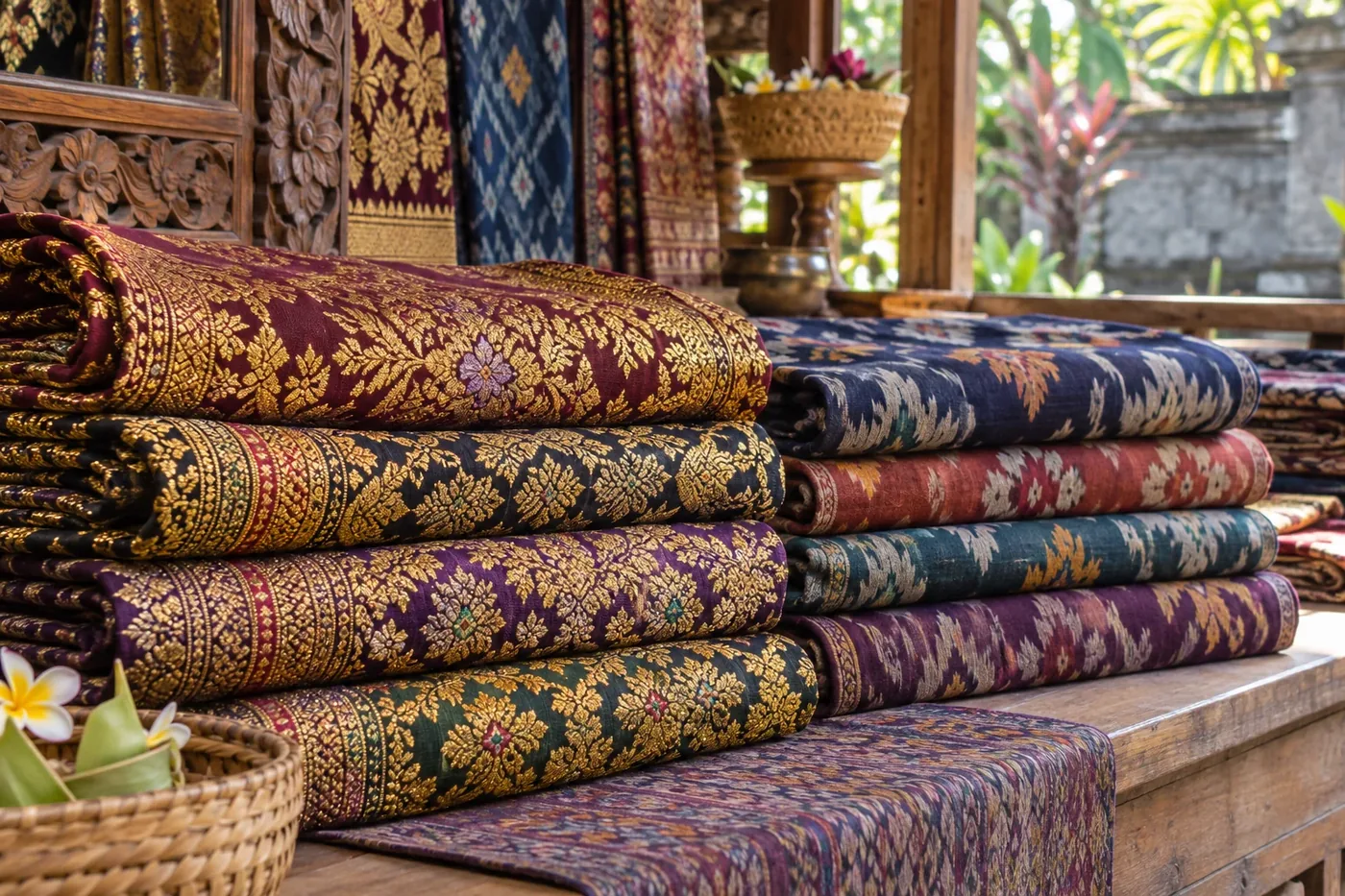
Semarapura offers a shopping stop within a broader Klungkung cultural day, with textiles and other goods to compare alongside nearby heritage sites. Ask about the technique and origin of cloth rather than assuming every woven-looking piece has the same provenance. A specialist maker or workshop may be more informative than a general stall if textiles are your main interest. Confirm current market access and leave time to browse calmly. Combine purchases with one or two nearby visits, allowing the local setting to shape the day instead of hurrying through on a distant route.
8. Celuk silver workshops
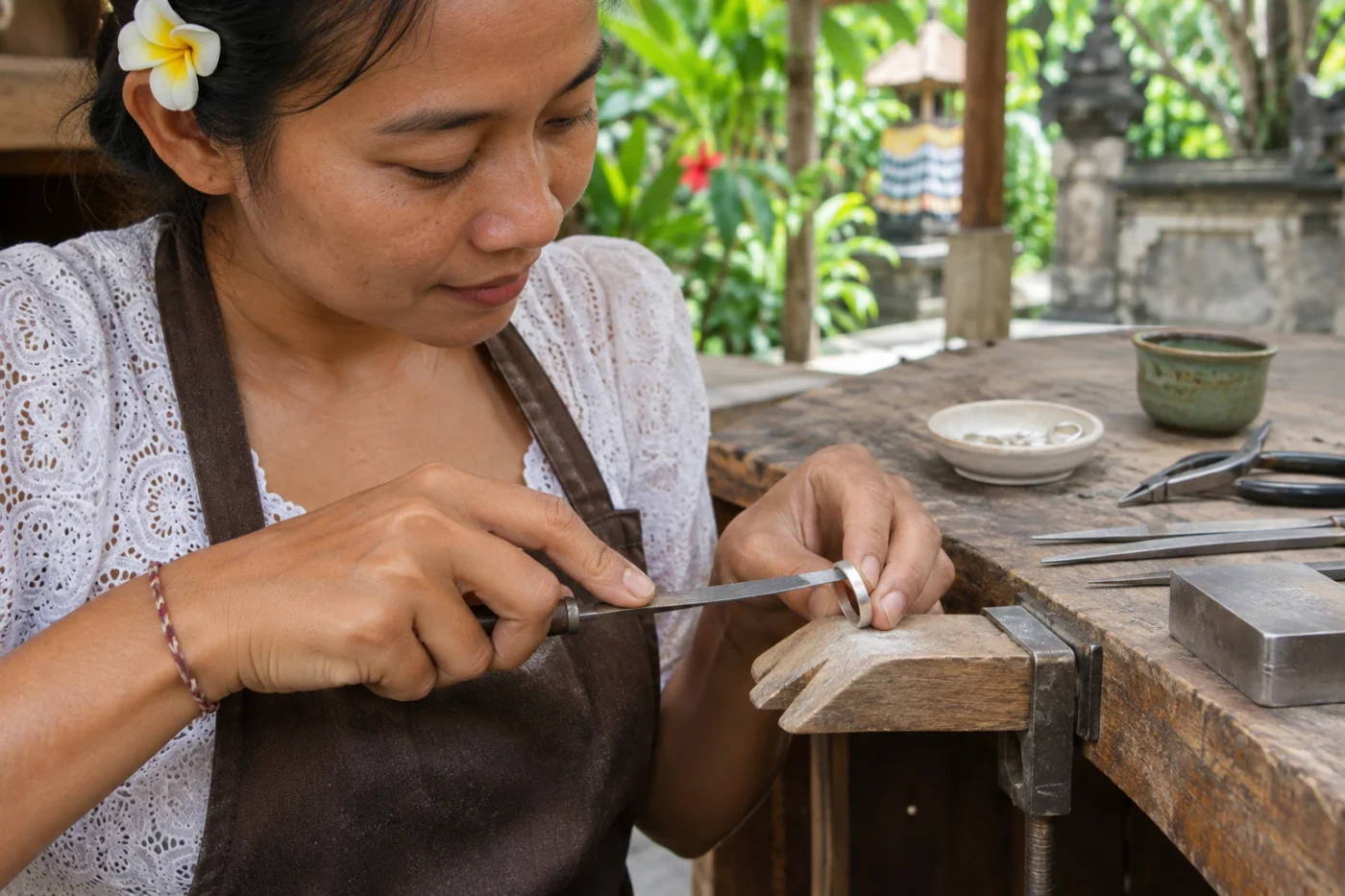
Celuk is associated with silverwork and offers a useful setting for comparing jewellery and learning about production. Arrange a visit to a named workshop when explanation matters, because a showroom and an active studio are different experiences. Ask about metal content, maker, finishing and care instructions. If buying a higher-value piece, request clear written details rather than relying only on a verbal description. A hands-on class needs a separate booking and may involve tool-use requirements. Keep the visit selective instead of allowing an unplanned shopping circuit to consume the whole day.
9. Mas woodcarving studios
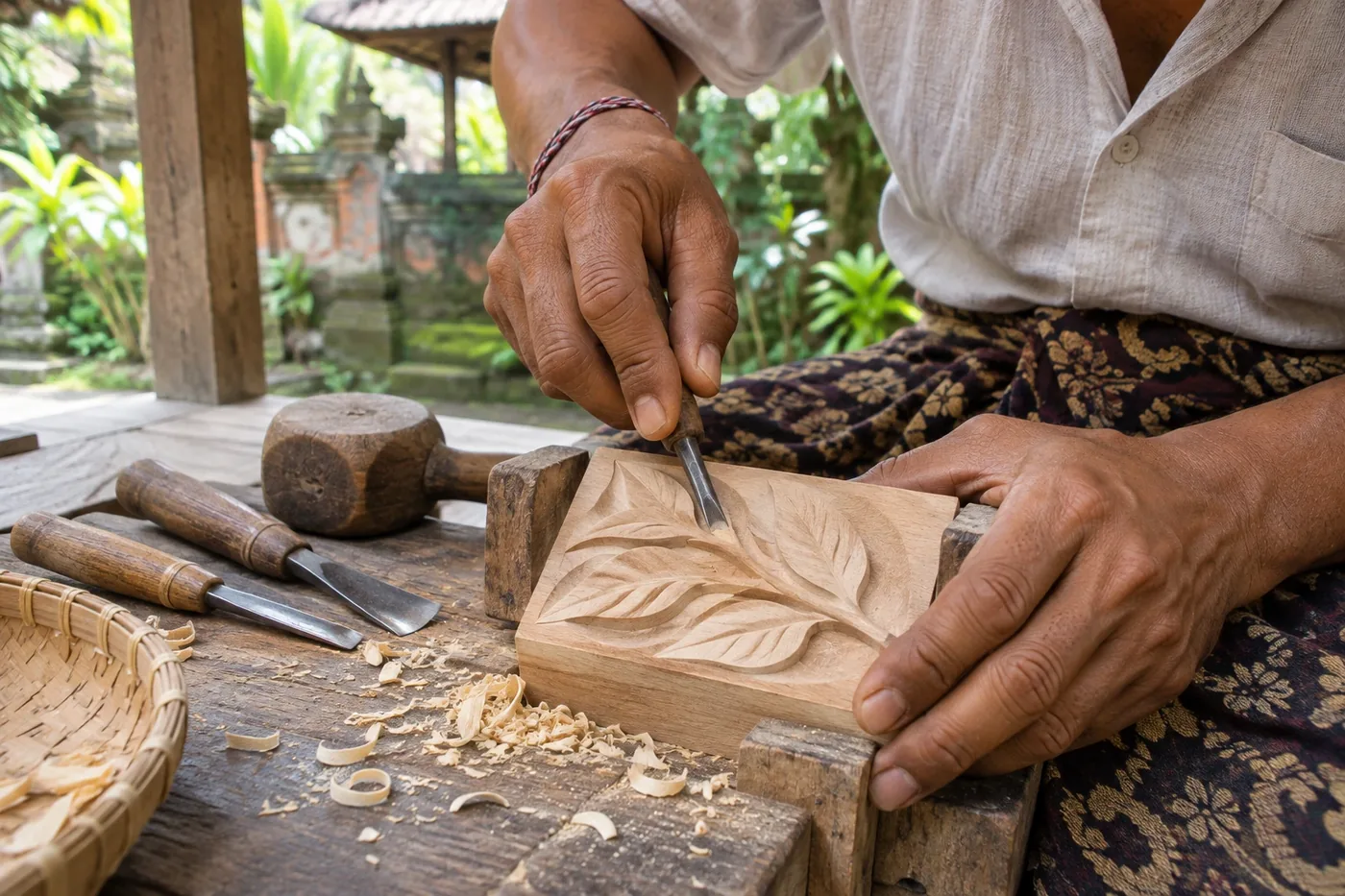
Mas provides a craft-shopping option for travellers interested in carving rather than a general souvenir market. Choose a studio where the maker or host can explain the material, process and origin of the work. Similar forms may be produced at very different levels of detail and scale. Ask about the wood and any treatment or documentation relevant to taking it home. Do not buy an object described as antique or culturally restricted without understanding the implications. A small, well-explained piece can be more meaningful than a large purchase made under pressure.
10. Seminyak independent boutiques
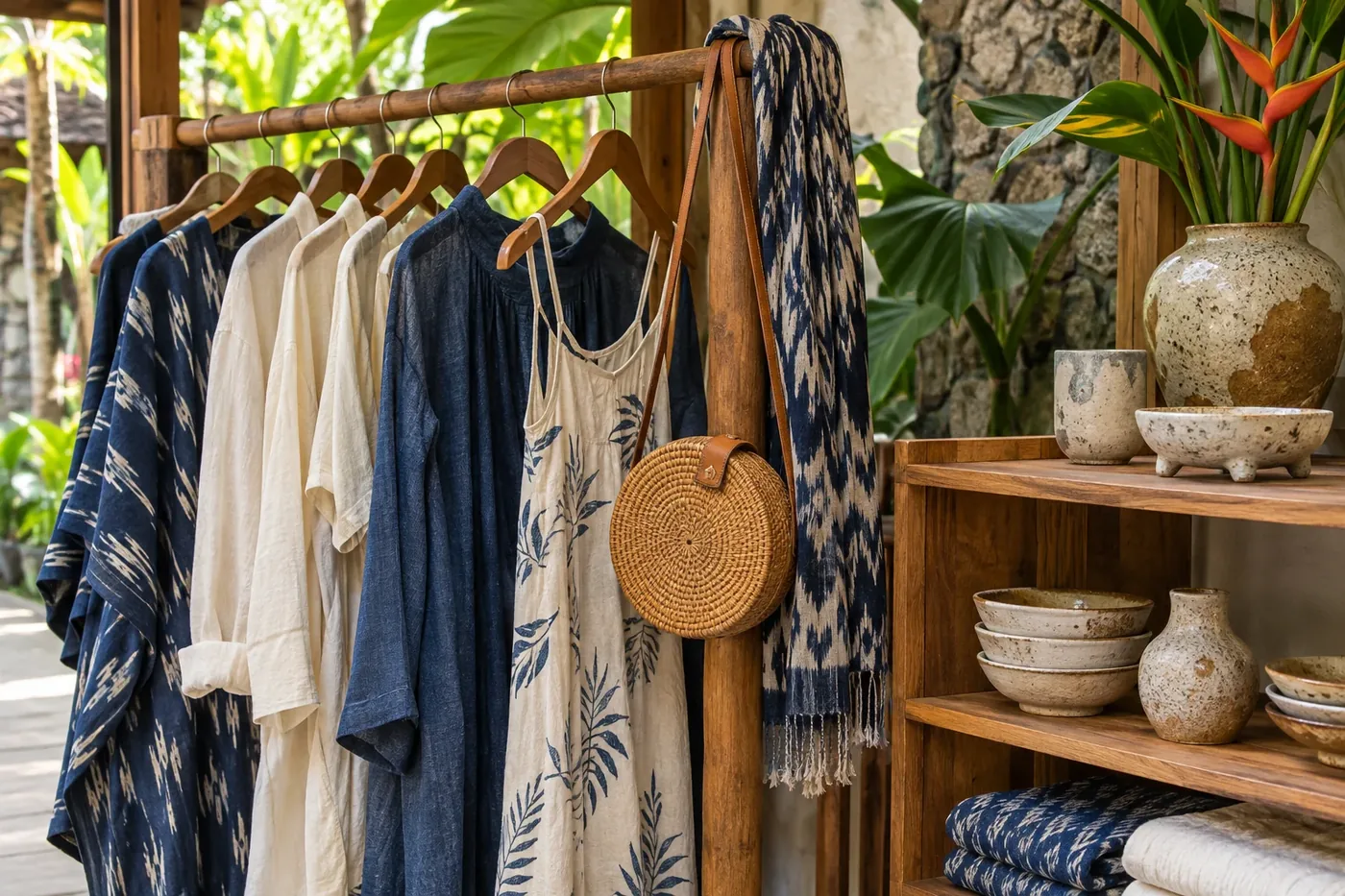
Seminyak’s boutiques offer a different shopping experience from a traditional market, often with fixed prices, contemporary design and more formal retail policies. Choose a compact area and combine it with a nearby café rather than walking long distances along unsuitable road edges. Ask which products are made in Bali and which are imported. Read return, sizing and delivery terms before paying, especially for a purchase shipped internationally. A stylish storefront does not establish ethical production on its own. Buy according to quality, fit and provenance rather than assuming every local-looking brand is locally made.
Season and planning
Conditions vary across Bali, and a calendar season does not guarantee a particular experience. Allow flexible time during wetter periods, particularly for outdoor approaches and road transfers. Check current local weather and the host’s arrangements close to your visit. Religious holidays and ceremonies can change access independently of the forecast.
Choose one shopping area that fits your route. Carry small notes for market purchases, compare quality and agree prices politely where bargaining is normal. Ask about provenance and material before buying crafts. Keep receipts for valuable items and check your own country’s restrictions on wood, wildlife products, food and antiques. A paid workshop is different from a free showroom demonstration, so clarify expectations before starting.
Related Bali guides

Denpasar
Explore Denpasar with ten local experiences, realistic itineraries, transport advice and seasonal planning for a Bali stay.

Ubud
Explore Ubud with ten local experiences, realistic itineraries, transport advice and seasonal planning for a Bali stay.

Sanur
Explore Sanur with ten local experiences, realistic itineraries, transport advice and seasonal planning for a Bali stay.
Balinese Food
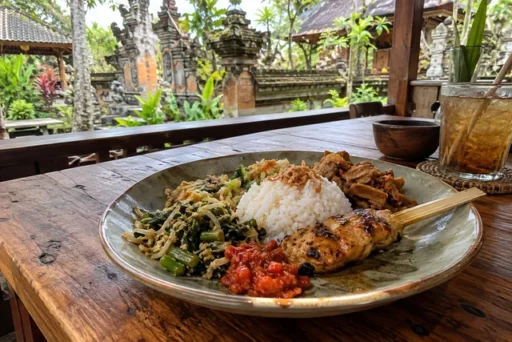
Balinese food is a good reason to slow down and ask what is on the plate.
Craft Workshops
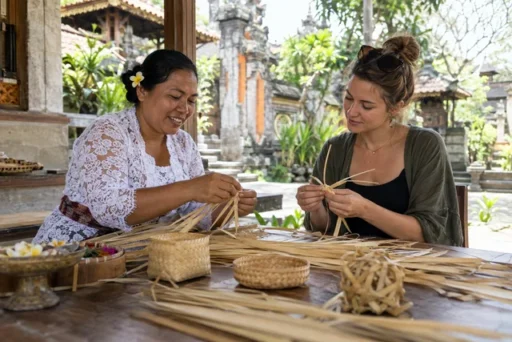
A well-chosen craft class gives Bali visitors time to learn from a maker instead of only shopping for a finished object.

Balinese Cultural Experiences
Balinese culture is lived in homes, temples, fields, workshops and performance spaces.
Questions and answers
Should I bargain everywhere?
No. Markets and fixed-price boutiques have different practices. Ask politely, agree prices calmly where bargaining is normal and avoid negotiating over something you do not intend to buy.
Are all Bali souvenirs made locally?
No. Ask about the maker, material and origin. A local-looking design or a traditional-market setting does not establish where an item was produced.
Can I take wood or food purchases home?
Check the destination country’s rules before buying. Natural materials, food, wildlife products and objects described as antiques can require documentation or be restricted.
Is a workshop visit the same as a craft lesson?
No. A showroom or demonstration may not include hands-on participation. Confirm the activity, materials, duration and fee when booking a lesson.
Sources and further reading
Use the responsible authority or provider for current access, availability and booking details.